







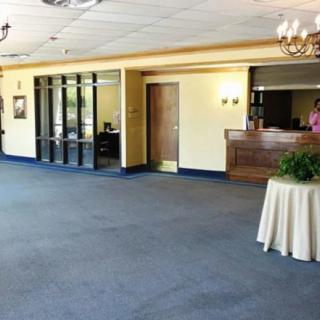
1111 Rockingham Lane, Richardson, TX 75080
For more information about senior living options: (866) 208-4318
Overall Review of The Village At Richardson
Pros
 The staff are amazing.
- The facility is very nice for recuperation.
- They do a very good job.
- There were activities for the residents.
- There was a very large room to recuperate and exercise in.
- It might be good for recuperation.
Cons
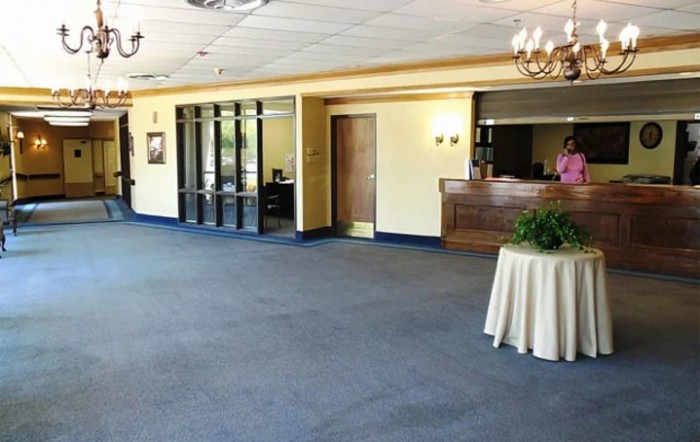
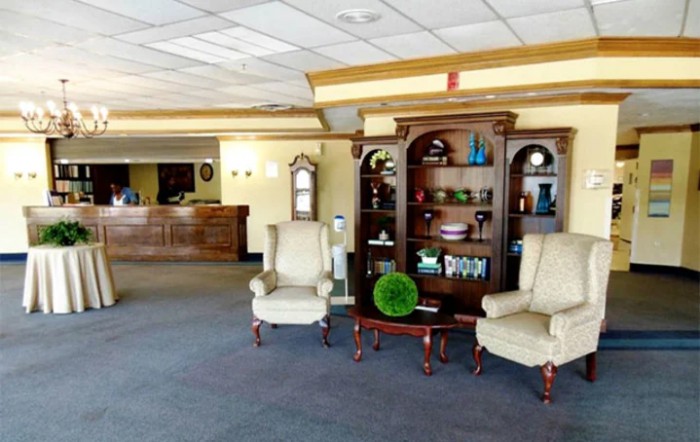
 The facility is old and run down, with carpeting that should be replaced.
- Funding for facilities like this is very limited, and the lack of Medicaid expansion is sad.
- The facility is chronically short-staffed; residents often do not receive help and can be soiled for long periods.
- New owners seem to care even less about conditions, just enough to keep people hanging on.
- The state government and state agency are perceived as uncaring and inactive.
- The place is filthy, with dirty rooms, peeling paint, old beds, and bathrooms that do not accommodate wheelchairs.
- Management and the website mislead visitors about the quality, making it feel like a publicity done in error.
- Carpets are soiled and smell, and it is unclear how the facility remains open.
- Some staff stare, make excuses, and seem to not understand English, leaving residents without help.
- It is not suitable as a long-term residence for older people; it might be acceptable only for recuperation.
Review
The Village At Richardson is best suited for seniors who need short-term rehabilitation or transitional care and for families who can commit to frequent, hands-on oversight. It is a workable choice when recovery and a larger personal space are priorities, and when daily oversight by family or dedicated caregivers can compensate for gaps in the facility’s staffing and upkeep. For long-term, full-time living with predictable daily assistance, however, this community presents enough red flags to warrant looking elsewhere.
Those most likely to want alternatives are families seeking a reliable, regularly staffed environment for ongoing care, especially when mobility barriers exist or when bathrooms must be fully accessible. The repeated concerns about cleanliness, dated rooms, and inadequate maintenance point to a facility that struggles to meet basic, ongoing living needs. Prospective residents who require steady help with routine tasks, strong English-speaking staff, and consistently responsive caregivers will likely encounter frustration here, even if moments of warmth and attentiveness surface.
The strongest positives revolve around the human touch and the rehab potential. Several reviews highlight staff who genuinely care and a setting that can support recuperation, with residents noting remarkable dedication from caregivers and, in at least one case, a notably positive recovery month. The facility’s size and layout, paired with available activities on the resident side, can facilitate exercise and social engagement during a recovery period. These advantages matter, but they come with a stark caveat: the upbeat experience is unevenly distributed and frequently undermined by systemic shortcomings.
The most pressing drawbacks cluster around condition, accessibility, and service quality. The building is repeatedly described as old, worn, and poorly maintained, with rooms stained or dirty, paint peeling, and carpets that reek or feel substandard. Bathrooms are described as not accommodating for wheelchair users, and overall cleanliness appears inconsistent at best. Customer service falls short when help is needed: delays, excuses, and a perception that staff do not consistently respond to requests. Language barriers and limited perceived responsiveness further erode trust in the care environment. Taken together, these factors make long-term residence risky, and even short-term rehab can feel unsettled if ongoing care needs arise.
Two reviewers frame the experience in sharp contrast: one person, who admits the facility might be fine for recuperation, stresses that long-term residency should be rejected; another praises the staff as amazing and attributes real value to the supportive individuals who work there. A pattern emerges: the care spirit can shine, yet operational realities, especially staffing sufficiency, maintenance, and accessibility, limit the overall reliability of care. In practice, the rehab niche can offer a viable path when expectations are aligned with the facility’s strengths, but the same strengths cannot be safely assumed for ongoing residence.
For families weighing a decision, a practical plan begins with clear expectations and thorough, repeated visits. Inspect rooms and bathrooms for accessibility, verify that assistive devices are present and functioning, and request demonstrations of how quickly requests are fulfilled during peak hours. Ask hard questions about staffing ratios, shift coverage, and language support, then speak with current residents and families about response times. Compare costs and contract terms against other local options with more predictable maintenance and stronger long-term care trajectories. If choosing The Village At Richardson, frame it as a bridge option, strong for rehab, contingent for sustained daily living, and prepare backup plans in case needs outpace what the facility can reliably provide.
 280 resident community capacity
 Skilled Nursing Facility
 Air-conditioning
 Beauty salon
 Cable or satellite TV
 Computer center
 Dining room
 Fitness room
 Fully furnished
 Gaming room
 Garden
 Housekeeping services
 Kitchenette
 Move-in coordination
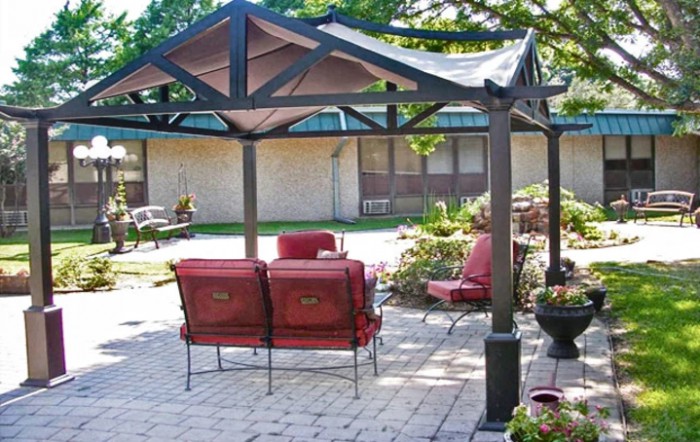
 Outdoor space
 Private bathrooms
 Restaurant-style dining
 Small library
 Telephone
 Wellness center
 Wi-Fi/high-speed internet available
 Dallas Love (10 miles away)
 Community operated transportation
 12-16 hour nursing
 24-hour call system
 Activities of daily living assistance
 Assistance with bathing
 Assistance with dressing
 Assistance with transfers
 Diabetes diet
 Medication management
 Mental wellness program
 Special dietary restrictions
 Concierge services
 Planned day trips







 9 Stimulating Memory Activities for Seniors: Puzzles, Cards, and Much More
 Managing Nursing Home Expenses After Medicare Coverage Ends
 Is a Geriatric Care Manager the Right Choice for Your Family?