At The Wellington at Arapaho, monthly costs are notably competitive compared to both Dallas County and the broader state of Texas. For a studio apartment, residents can expect to pay $1,935, which is significantly lower than the county average of $3,625 and the state average of $3,758. The one-bedroom option at this community is priced at $2,735, again offering substantial savings compared to Dallas County's $3,760 and Texas's $3,761. For those seeking more space, the two-bedroom units are available for $3,485; this also represents a more budget-friendly choice compared to the county's average of $4,144 and the state's average of $4,215. These pricing advantages make The Wellington at Arapaho an attractive option for individuals or couples looking for high-quality living without the premium cost often associated with comparable accommodations in the area.
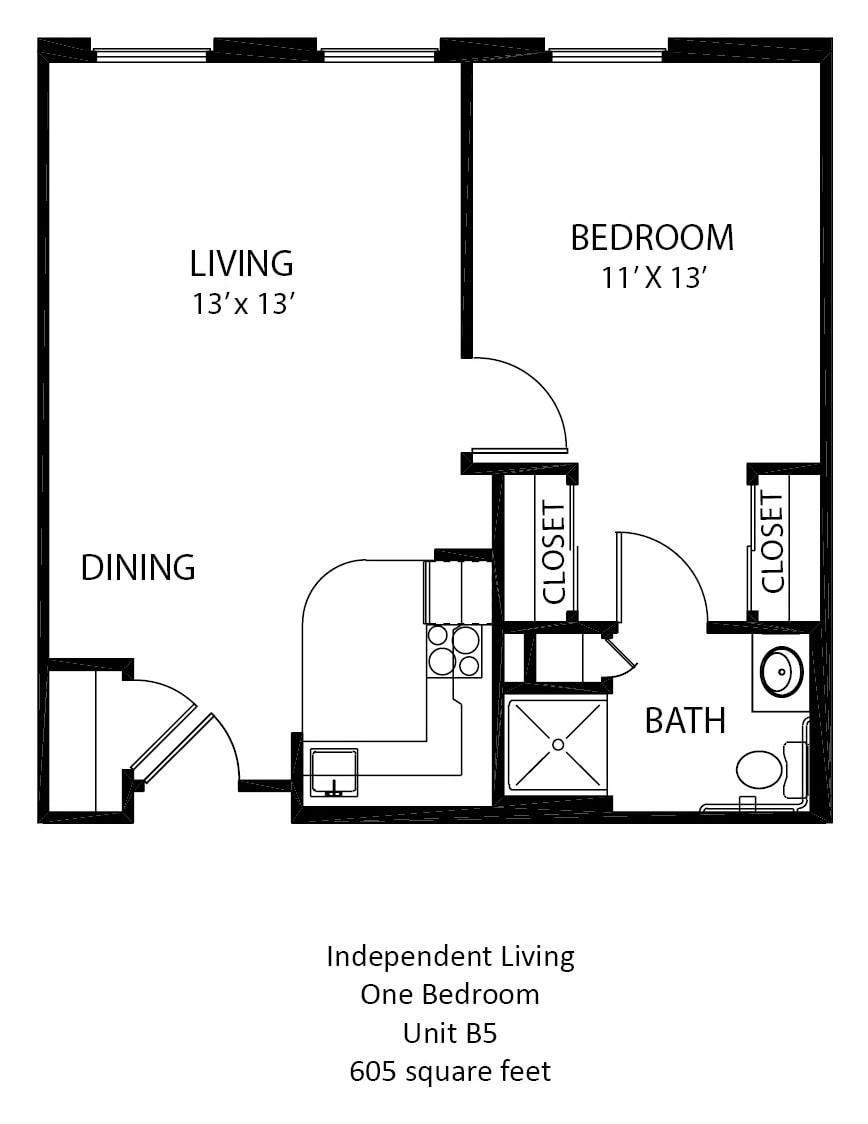
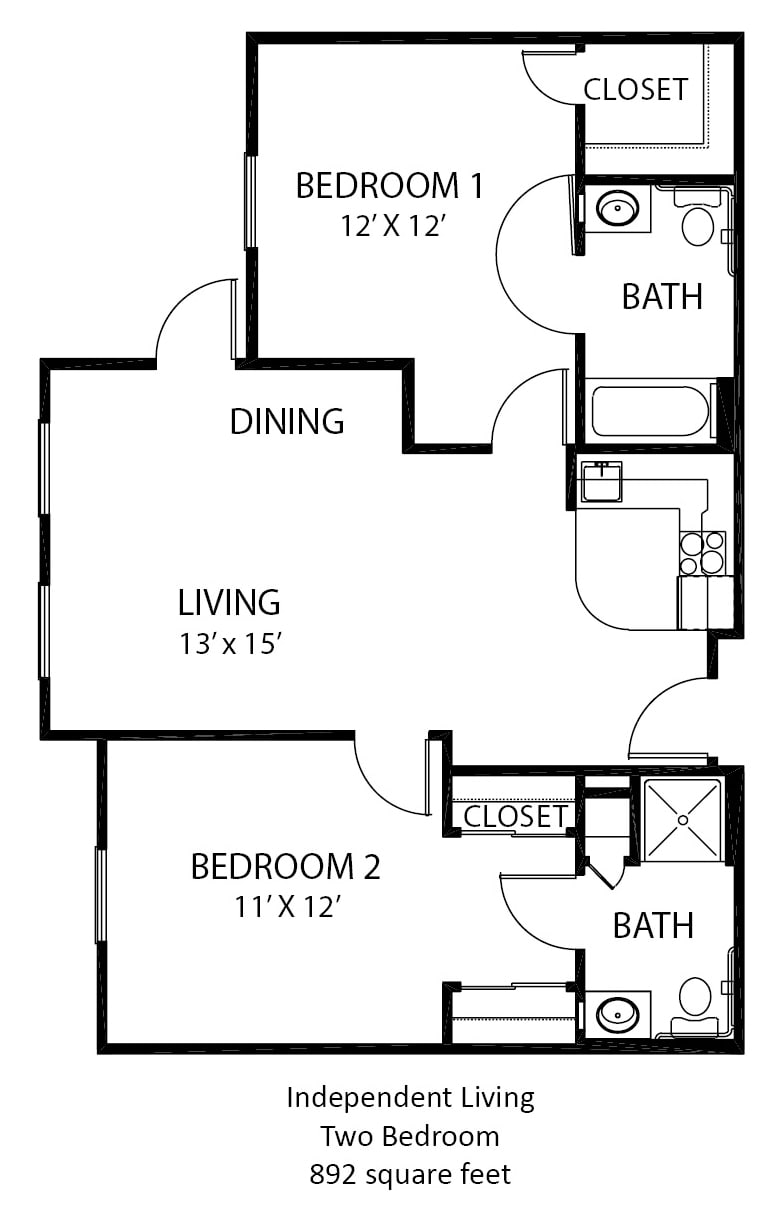
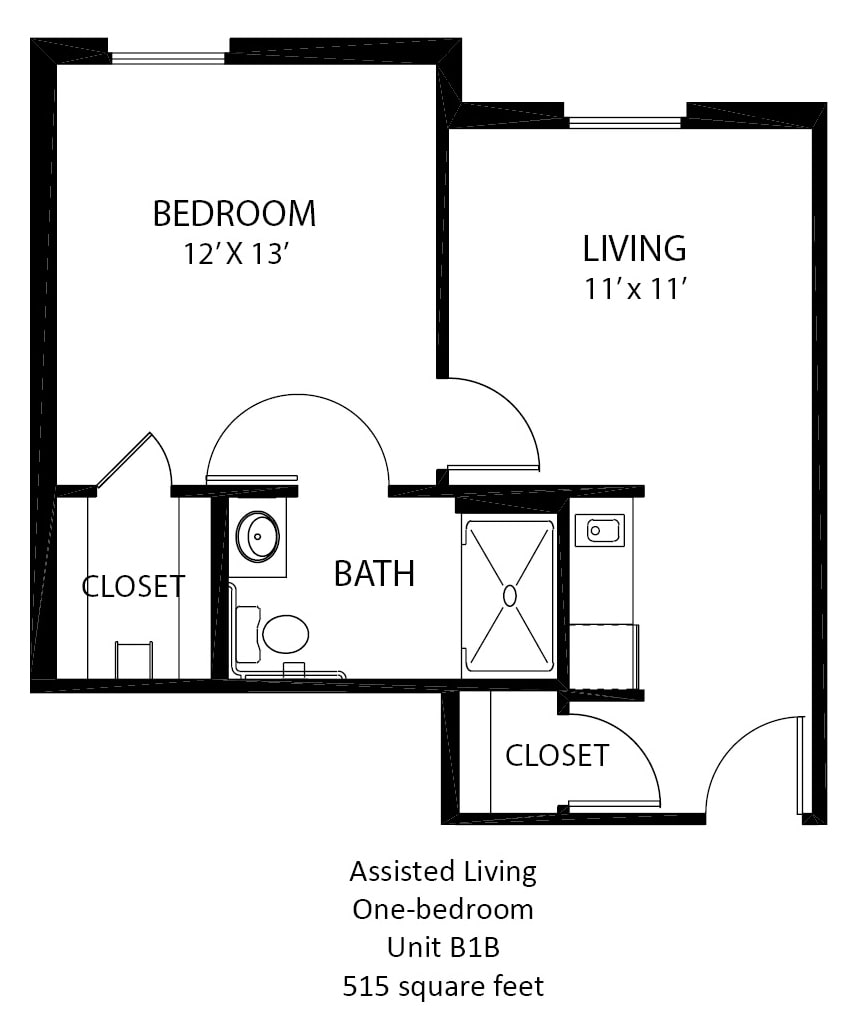
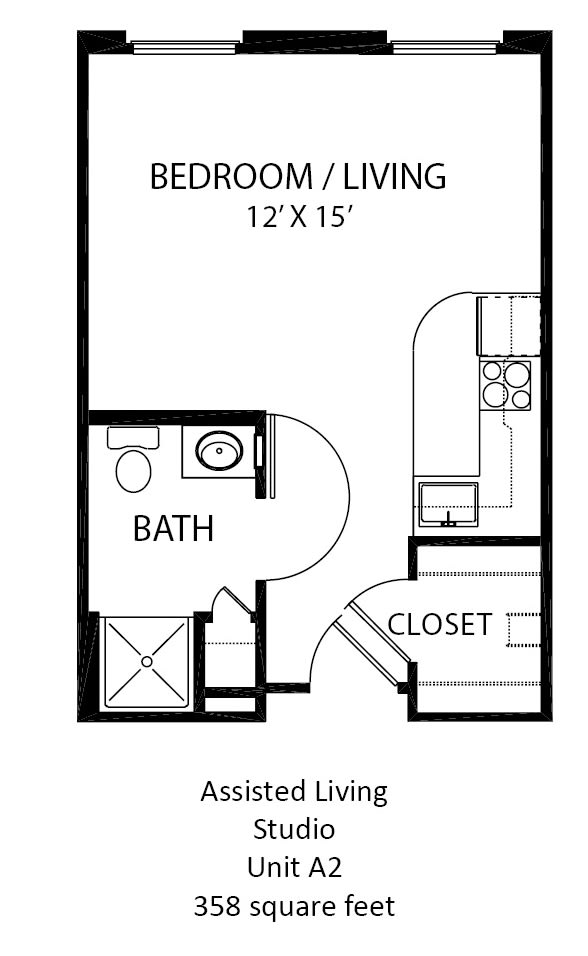
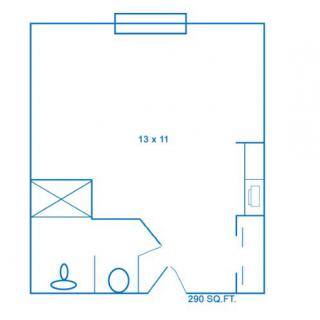
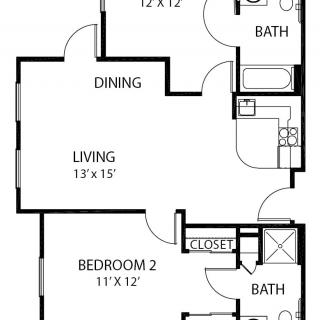
Floor plans
The Wellington at Arapaho
Dallas County
Texas
Studio
$1,935
$3,625
$3,758
1 Bedroom
$2,735
$3,760
$3,761
2 Bedrooms
$3,485
$4,144
$4,215
Assisted Living communities with a similar price nearby
Residents and families describe dependable around-the-clock support.
Several reviews highlight that staff are available when residents need help, including during stressful recovery periods. In at least one story, the ability for a loved one to be cared for when the family caregiver could not be there is described as a major relief. Another review also frames the experience as continuous support that helps residents feel secure.
caveat10 reviews mention this
Dining quality is mixed
Food reviews are inconsistent, with complaints about service and preparation.
Some residents and families say the food is good, with references to improvements under newer leadership and the option to request alternatives. At the same time, multiple reviews criticize the food as tough, poorly prepared, bland, or not hot enough, and several mention slow service or not enough servers. A few accounts also tie meal dissatisfaction to reduced dining room attendance or reliance on takeout.
common20 reviews mention this
Activities and entertainment keep residents engaged
The community’s scheduled activities and entertainment are a frequent point of praise.
Across reviews, residents describe a busy calendar with games, bingo, exercise, and regular entertainment such as music and performers. Several families say their loved ones became more social after moving in, and they mention events like happy hour and themed outings. A few reviews also note enjoyment of day trips and planned transportation for shopping or appointments.
common18 reviews mention this
Rooms, housekeeping, and cleanliness
Many reviews emphasize cleanliness and housekeeping support.
A large number of reviewers describe the facility and apartments as clean and well kept, often mentioning housekeeping schedules and prompt attention to day-to-day needs. Some residents specifically credit the cleaning staff for maintaining a fresh, comfortable space. There are also a handful of negative accounts that point to maintenance or cleanliness problems, including delayed responses and pest concerns.
differentiator3 reviews mention this
Pricing is far below benchmarks
Pricing is described as affordable compared with local benchmarks.
Reviews include comments that the price is good or reasonable, and a few families mention value when choosing between options. The listing’s price range is also substantially below county and state benchmarks across studio, one-bedroom, and two-bedroom units. Still, at least some reviews call it expensive, suggesting pricing feels different depending on the level of care and personal expectations.
How we summarize
Counts show how many written reviews mention each theme; a review can touch several themes, and only frequently mentioned themes are displayed.
Features
Housing
57 resident community capacity
1-bedroom apartments
2-bedroom apartments
Studio apartments
Types of Care
Assisted Living
Independent Living
Pets
Cats allowed
Dogs allowed
Amenities
Activities off-site
Activities on-site
Air-conditioning
Bath tubs
Beautician on-site
Beauty salon
Cable or satellite TV
Computer center
Devotional services off-site
Devotional services on-site
Dining room
Fitness room
Full kitchen
Fully furnished
Gaming room
Garden
Ground floor units
Guasts at mealtime
Handicap accessible
Housekeeping services
Indoor common areas
Kitchenette
Laundry
Move-in coordination
Outdoor common areas
Outdoor space
Overnight guests
Party space
Private bathrooms
Resident parking
Respite or short term stays offered
Restaurant-style dining
Small library
Telephone
Wellness center
Wheelchair accessible showers
Wi-Fi/high-speed internet available
Transportation
Dallas Love (10 miles away)
Dallas-Fort Worth International (18 miles away)
Community operated transportation
Transportation & parking
Transportation arrangement
Transportation arrangement (non-medical)
Transportation to doctors appointments
Care Services
12-16 hour nursing
24-hour call system
24-hour supervision
Activities of daily living assistance
Assistance with bathing
Assistance with dressing
Assistance with transfers
Diabetes diet
Diabetic care
High acuity care
Incontinence care
Meal preparation and service
Medication management
Mental wellness program
Special dietary restrictions
Dining
Diabetes diet
Gluten-free
Guest meals
Low / no sodium
Meals provided
No Sugar
Professional chef
Restaurant style dining
Room service
Special dietary restrictions
Activities
Art classes
Community-sponsored activities
Concierge services
Cooking classes
Day trips and outings
Devotional activities offsite
Devotional activities on-site
Educational speakers / life long learning
Fitness programs
Happy hour
Live dance or theater performances
Live musical performances
Planned day trips
Protestant services
Religious services
Resident-run activities
Scheduled daily activities
Wine tasting
Languages Spoken
English
Videos
Nearby Places of Interest
This part of Richardson, Texas offers a diverse range of amenities and services that cater to a comfortable and convenient lifestyle for seniors. The area boasts a variety of dining options, from casual eateries like Guitars & Growlers and Torchy?s Tacos to well-known chains like Chick-Fil-A and McDonald?s. There are also several theaters nearby for entertainment, such as Alamo Drafthouse Cinema and AMC Theater Northpark. In terms of healthcare, there are reputable physicians, pharmacies, and hospitals in close proximity, providing easy access to medical services. Additionally, there are places of worship for spiritual fulfillment and parks for recreational activities and enjoying the outdoors. Overall, this area combines essential resources with leisure opportunities, making it an attractive location for seniors looking to settle down in Richardson.
Restaurants
Guitars & Growlers (1 miles)
Pappasito's Cantina (1.3 miles)
Torchy’S Tacos (1.4 miles)
Waffle O’licious (2.6 miles)
McDonald's (3.3 miles)
Rodeo Goat (3.3 miles)
Chick-Fil-A (3.3 miles)
Theaters
Alamo Drafthouse Cinema (1 miles)
Alamo Drafthouse Lake Highlands (6.6 miles)
AMC Theater Northpark (6.8 miles)
Transportation
Arapaho Center Station (1 miles)
Park Lane Station (6.5 miles)
Physicians
Eye Care Associates (1.6 miles)
Eminent Medical Center (2.6 miles)
The ENT & Allergy Centers of Texas (4.3 miles)
Baylor Medical Plaza (4.7 miles)
Elizabeth Jekot Breast Imaging Center (5.1 miles)
Plano Orthopedic & Sports Medicine Center (5.3 miles)
Pediatric Associates of Dallas (6 miles)
Pharmacies
CVS Pharmacy (1.6 miles)
Walgreens (2 miles)
CVS Pharmacy (2.8 miles)
CVS Pharmacy (3.1 miles)
Walgreens (3.4 miles)
CVS Pharmacy (3.5 miles)
CVS Pharmacy (3.8 miles)
Places of Worship
Episcopal Church Of The Transfiguration (3.1 miles)
Shiloh Missionary Baptist Church (4.3 miles)
Preston Hollow Presbyterian Church (6.8 miles)
Temple Emanu-El (7.1 miles)
Cafes
Mimi's Star Cafe (4.5 miles)
Starbucks (5 miles)
Red Truck Cafe (5.5 miles)
Starbucks (5.9 miles)
Mozart Bakery (6.6 miles)
Starbucks (6.8 miles)
Starbucks (6.9 miles)
Hospitals
The Heart Hospital Baylor Plano (4.6 miles)
Texas Health Presbyterian Hospital Dallas (5.8 miles)
At The Wellington at Arapaho, monthly costs are notably competitive compared to both Dallas County and the broader state of Texas. For a studio apartment, residents can expect to pay $1,935, which is significantly lower than the county average of $3,625 and the state average of $3,758. The one-bedroom option at this community is priced at $2,735, again offering substantial savings compared to Dallas County's $3,760 and Texas's $3,761. For those seeking more space, the two-bedroom units are available for $3,485; this also represents a more budget-friendly choice compared to the county's average of $4,144 and the state's average of $4,215. These pricing advantages make The Wellington at Arapaho an attractive option for individuals or couples looking for high-quality living without the premium cost often associated with comparable accommodations in the area.
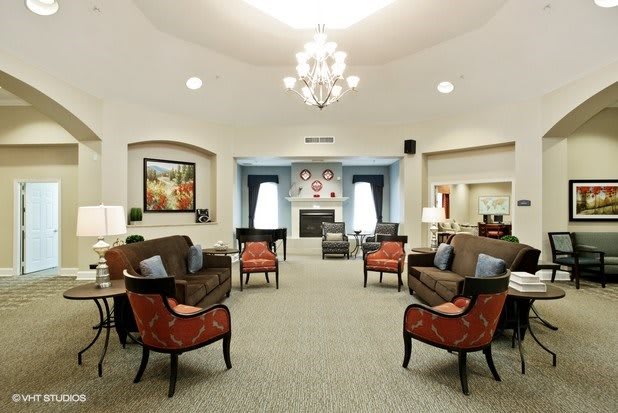
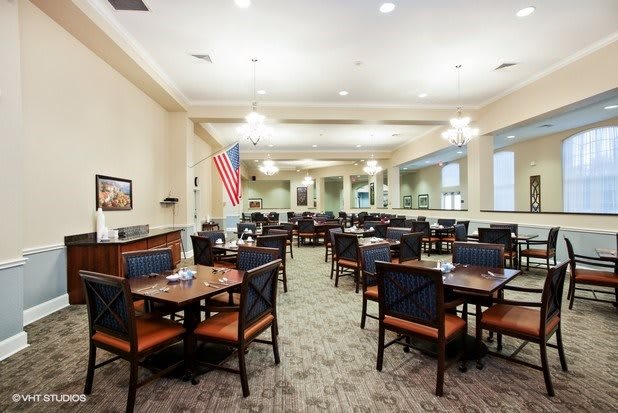
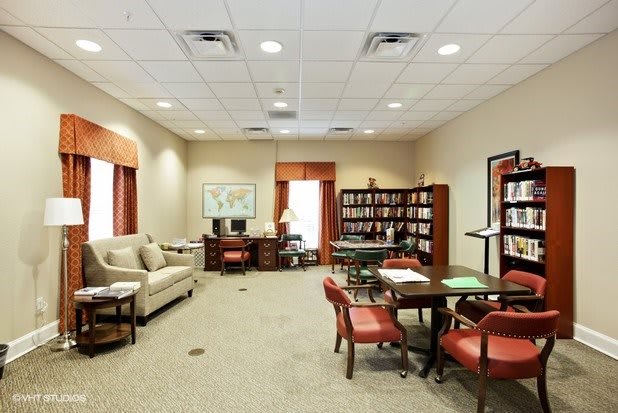
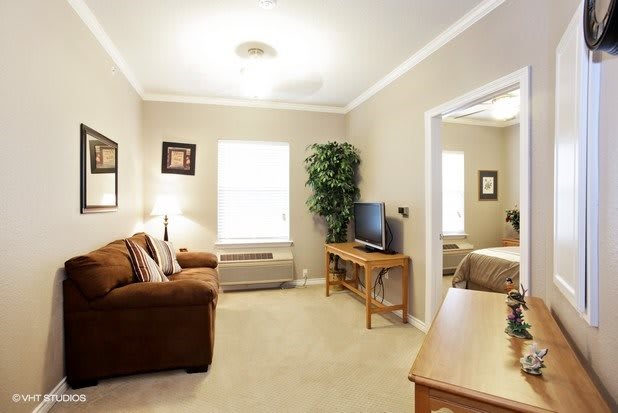
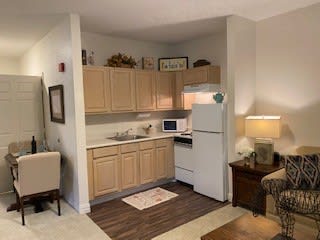
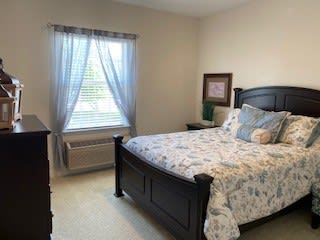
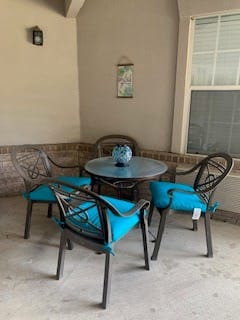
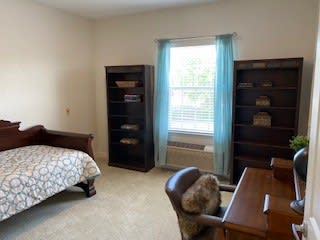
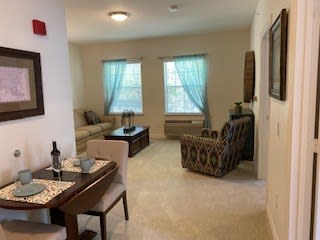
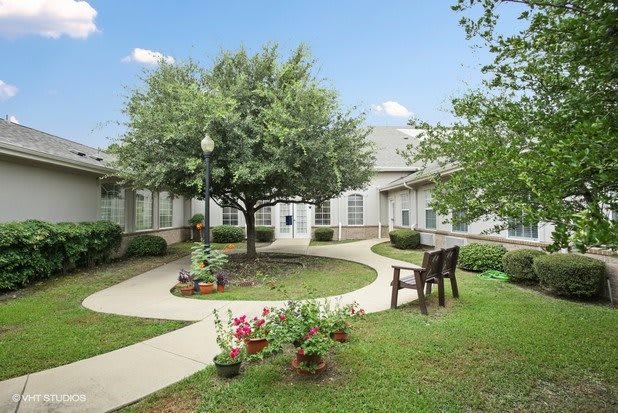
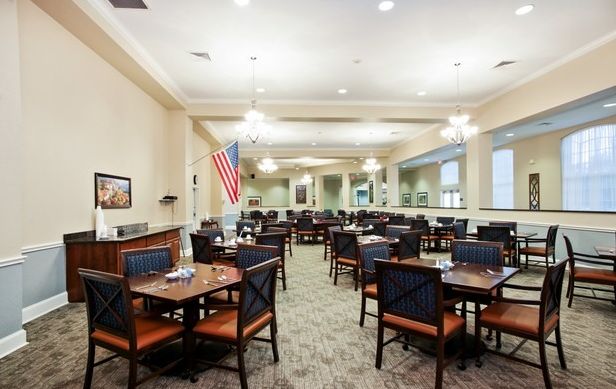
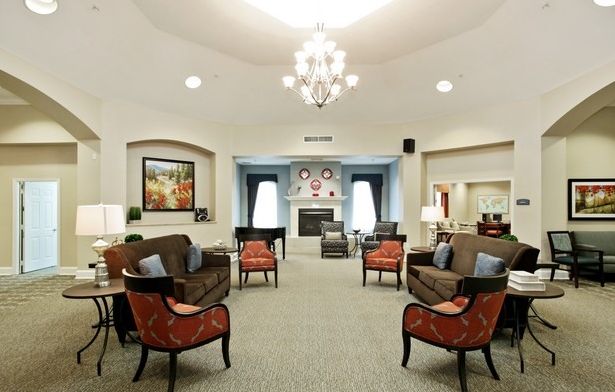
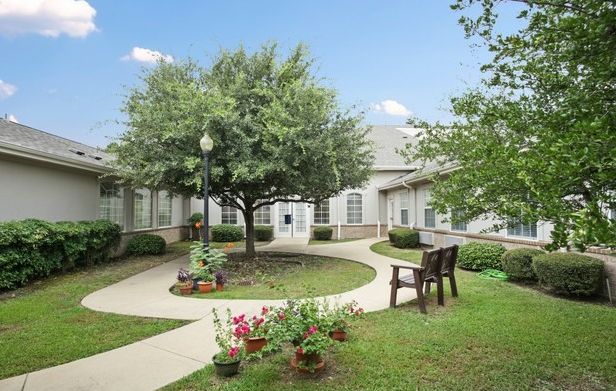
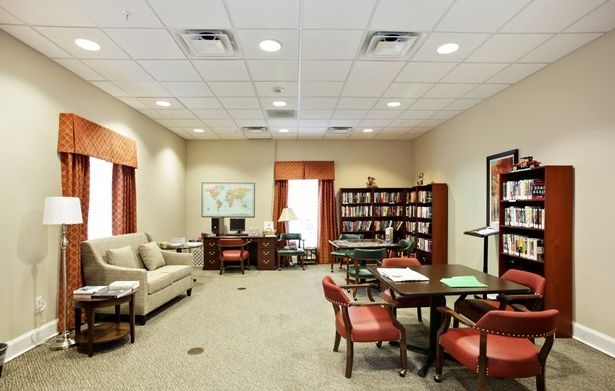
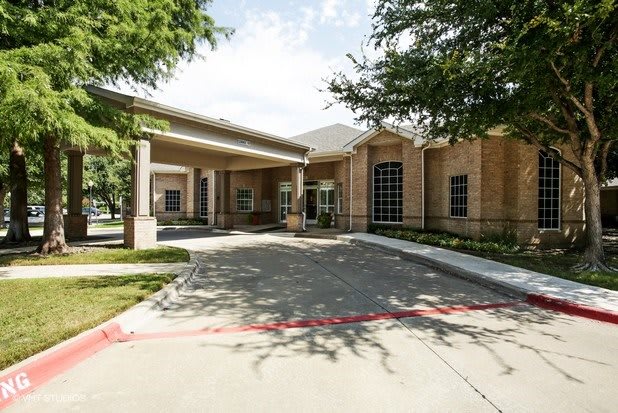
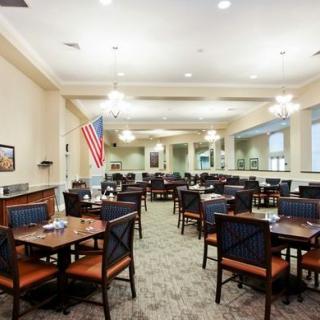
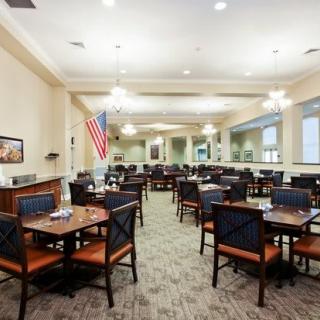
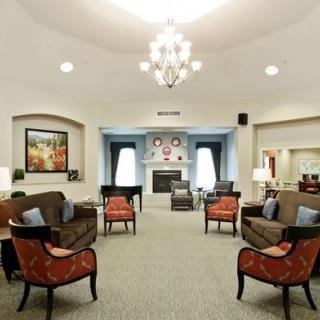
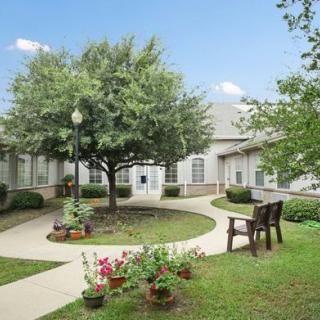
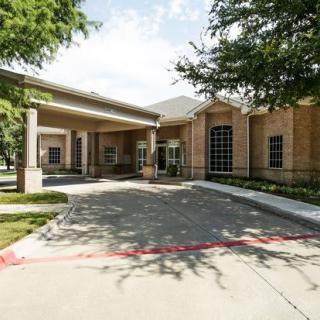
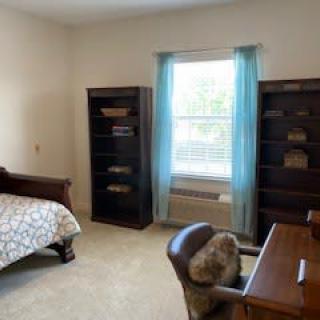
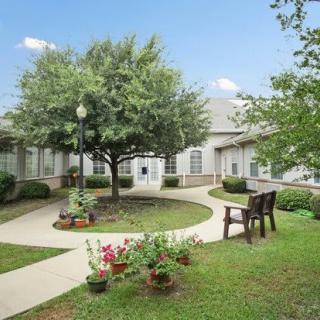
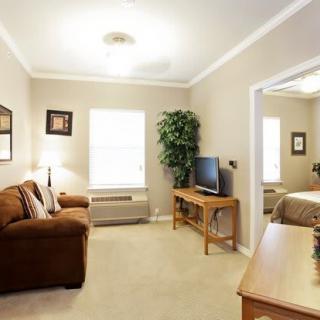
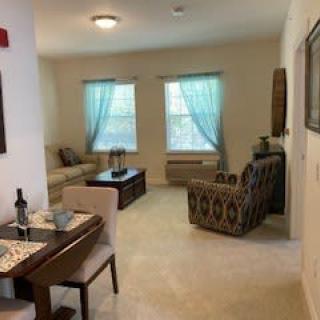
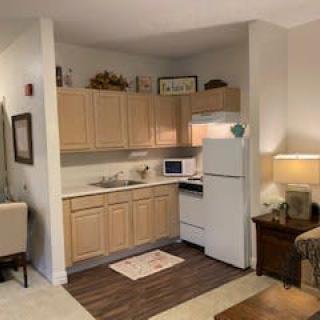
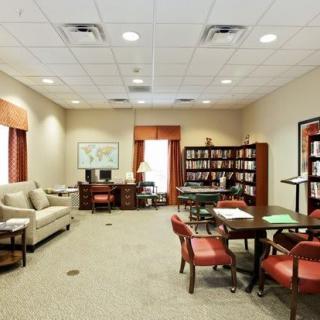
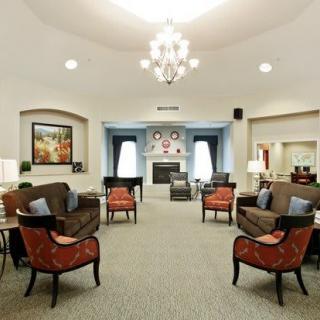
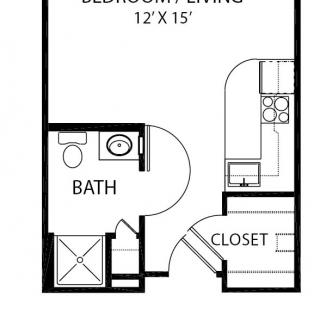
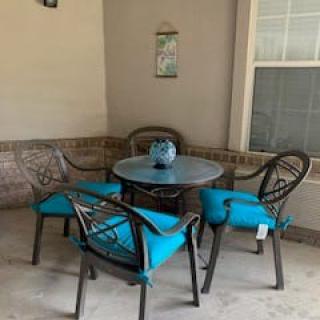
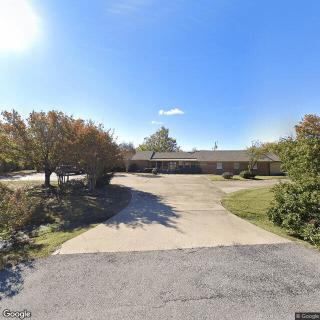
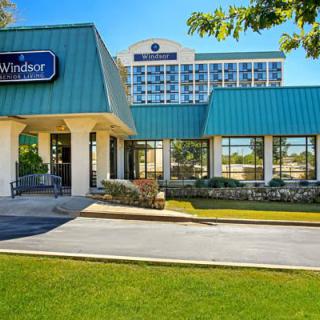
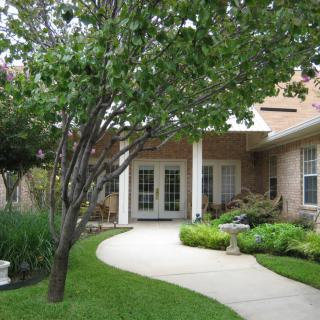
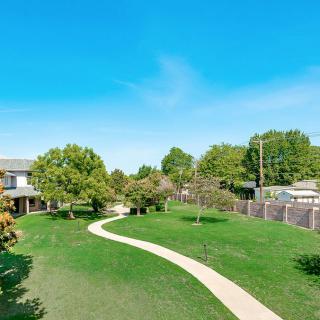
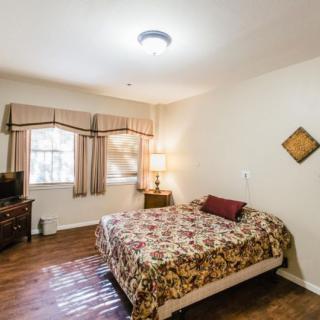
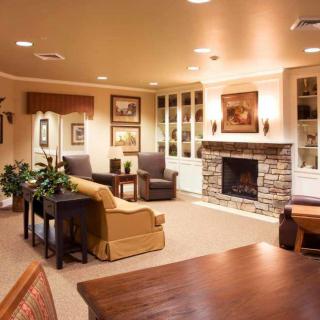
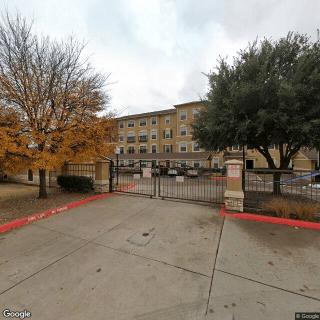
The Wellington at Arapaho on seniors.fyi includes 20 photos including images showing interior, floor plan, bedroom, dining, living room, decor, windows, lighting, and more.
Nearby Communities
Senior Helpers - Greater Dallas, TX
Richardson, TX
4.8 from 34 reviews
Caring, trustworthy staff with responsive case management.
The Village At Richardson
Richardson, TX
3 from 5 reviews
Caring staff, engaging activities, and a roomy recovery space.
The El Dorado
Richardson, TX
4.5 from 126 reviews
$2,969 to $5,509 / month
Friendly staff, quality dining, and a lively activity program in a safe, well-maintained setting.
Kalibra Home Care - Richardson, TX
Richardson, TX
4.2 from 72 reviews
Prime Richardson location with easy access to amenities and a tranquil environment.
SeniorBridge - Humana At Home - Richardson, TX
Richardson, TX
5 from 5 reviews
Excellent proximity to dining, healthcare, pharmacies, parks, worship, and entertainment.
Cottonwood Creek Healthcare Community
Richardson, TX
3.2 from 102 reviews
Clean, welcoming environment with a family-like atmosphere and engaging activities.
Highland Springs
Dallas, TX
4.2 from 42 reviews
Luxurious, amenity-rich community with comprehensive on-site care and active social programs.
Arbor Hills Memory Care
Plano, TX
4.7 from 101 reviews
$5,500 to $7,300 / month
Warm, communicative staff with improved leadership and engaging activities.
Evergreen at Plano
Plano, TX
4.2 from 99 reviews
Active community with spacious, well-kept apartments and friendly staff.
Choosing between assisted living and nursing homes involves evaluating emotional and financial factors, with assisted living offering independence and support for daily activities at a lower cost, while nursing homes provide intensive medical care for individuals with significant health needs. The decision is influenced by personal preferences, health status, cognitive function, and varying Medicaid coverage across states.
Assisted living in 2025 offers a crucial balance of independence and support for seniors, with costs varying from $2,500 to over $7,000 per month based on factors such as location and care level. Understanding pricing complexities, including regional differences and potential hidden fees, is essential for families to plan financially while ensuring quality care for their loved ones.
The guide outlines the complexities of Medicaid coverage for assisted living, highlighting significant state-to-state variations, limited coverage often restricted to personal care services, and the existence of specialized waivers for certain needs like memory care. It advises families to consult local Medicaid offices for options while emphasizing the importance of understanding state-specific regulations and facility policies.
Get PricingAsk A QuestionSchedule A TourContact Senior Advisor
By clicking submit, you agree to our Partner's Terms of Use. You
also consent to receive calls and texts, which may be autodialed, from our Partner. Your consent is not a condition to
using our Partner's service. Please visit our Partner's Privacy Policy for information about their privacy practices.


 57 resident community capacity
 1-bedroom apartments
 Assisted Living
 Independent Living
 Cats allowed
 Dogs allowed
 Activities off-site
 Air-conditioning
 Bath tubs
 Beautician on-site
 Cable or satellite TV
 Computer center
 Devotional services off-site
 Dining room
 Fitness room
 Full kitchen
 Fully furnished
 Gaming room
 Garden
 Ground floor units
 Handicap accessible
 Housekeeping services
 Indoor common areas
 Laundry
 Move-in coordination
 Outdoor common areas
 Overnight guests
 Party space
 Private bathrooms
 Resident parking
 Respite or short term stays offered
 Restaurant-style dining
 Small library
 Telephone
 Wellness center
 Wheelchair accessible showers
 Wi-Fi/high-speed internet available
 Dallas Love (10 miles away)
 Community operated transportation
 12-16 hour nursing
 24-hour call system
 Assistance with bathing
 Assistance with dressing
 Assistance with transfers
 Diabetes diet
 Diabetic care
 High acuity care
 Incontinence care
 Medication management
 Mental wellness program
 Special dietary restrictions
 Art classes
 Concierge services
 Cooking classes
 Day trips and outings
 Educational speakers / life long learning
 Happy hour
 Live dance or theater performances
 Live musical performances
 Protestant services
 Wine tasting
 English
 Caring, trustworthy staff with responsive case management.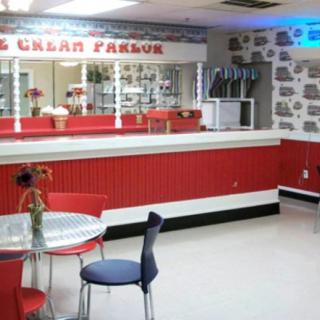

 Choosing the Right Senior Care: A Detailed Exploration of Assisted Living and Nursing Homes
 Understanding the True Cost of Assisted Living in 2025: A Comprehensive Guide
 Understanding Medicaid Coverage for Assisted Living: A Comprehensive Guide