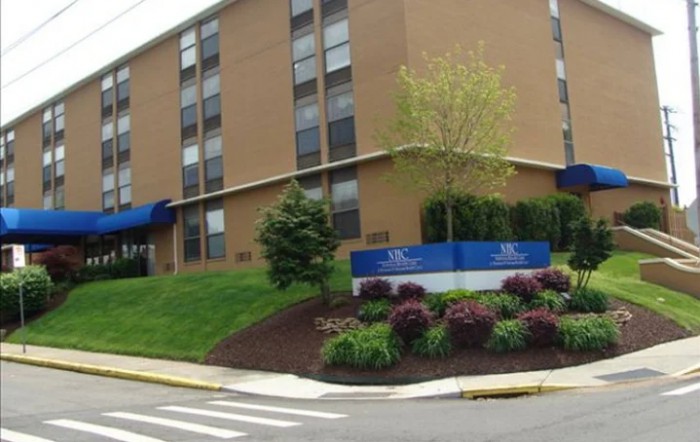

2120 Highland Ave, Knoxville, TN 37916
To contact a resident: (865) 525-4131
For more information about senior living options: (866) 208-4318
Overall Review of NHC Health Care Fort Sanders
Pros
 The facility was good a few years ago.
- It is close to Fort Sanders Hospital, and the level of care is commendable.
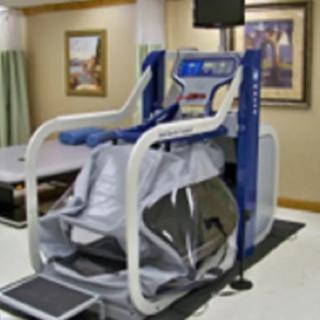
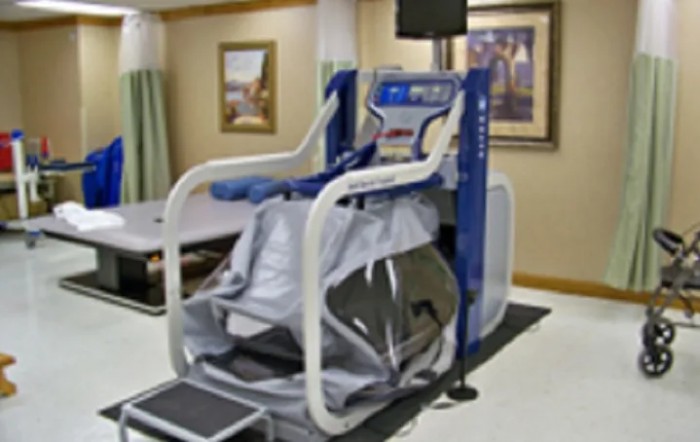
- The therapy and equipment at the facility are impressive.
- There are several workout rooms and a full range of care offerings.
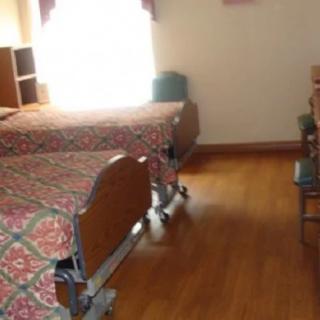
- The facility is clean and free of odors, with a very patient and caring staff, especially the physical therapy team.
- The staff treat difficult patients with respect, kindness, and clinical expertise.
- Covid-19 safety measures are thorough, with PPE and weekly staff testing, making it feel safe.
- The center provides engaging activities, church services, good food, and attentive staff.
- Home health care services were very nice.
Cons
 Staffing was short and turnover was high, with workers seeming more focused on each other than on patients and their families.
- The facility cuts corners on staffing and food services to save money, resulting in a very low staff-to-patient ratio.
- There were safety concerns, including CNAs leaving for long breaks to smoke and not returning, and a lack of safety equipment or gloves on several occasions.
- Call lights were not always within reach and basic care such as cleaning could be delayed, suggesting inadequate care coverage.
- Residents were reportedly overmedicated and the quality of food was criticized.
- In emergencies, families were not informed promptly, important paperwork was not provided, and overall communication was poor.
Review
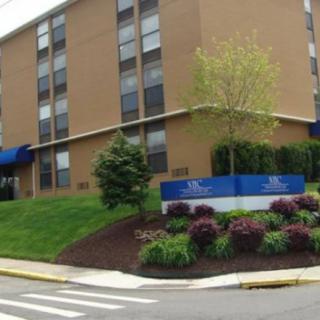
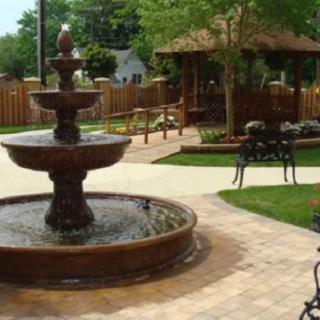
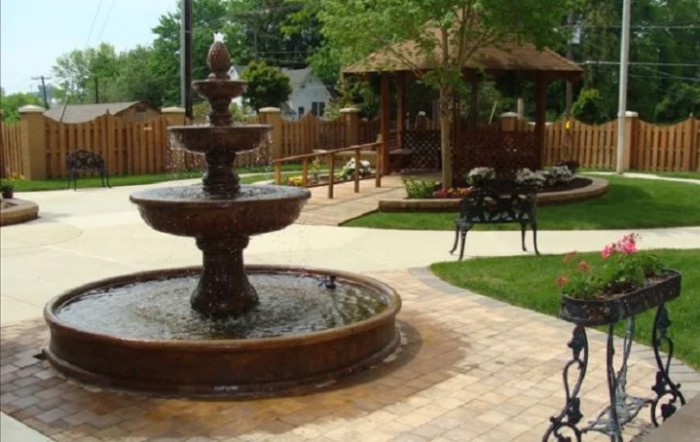
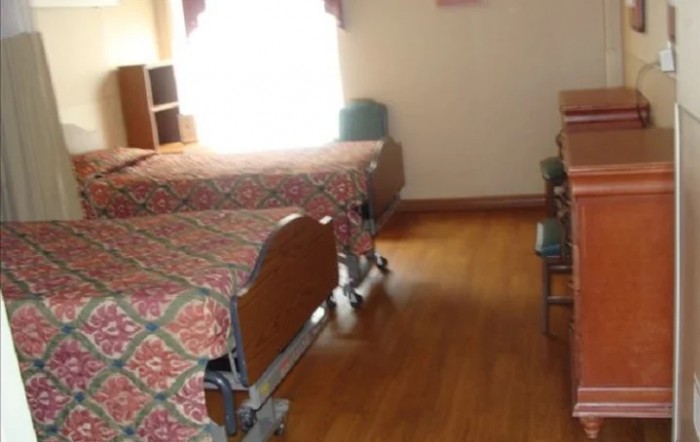
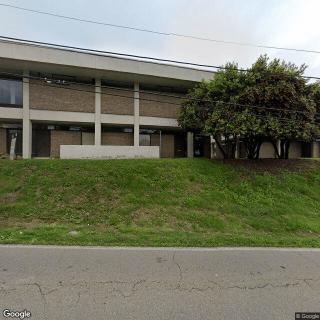
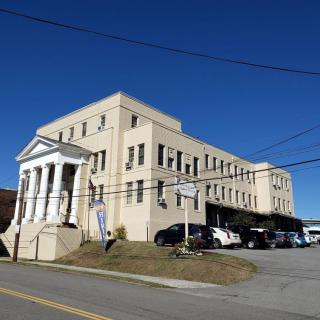
NHC Health Care Fort Sanders is best suited for families that prioritize hospital proximity, robust rehabilitative services, and a broad continuum of care in a campus-like setting. The facility’s second and third floors are dedicated to long-term residents, and the campus includes ample therapy space, up-to-date equipment, and a recognizable commitment to ongoing rehab. For families navigating a transition from hospital to long-term care, the location near Fort Sanders Hospital can translate into smoother coordination of medical needs, while the availability of diverse care levels on the same site offers a single, familiar place for future changes in health status. The presence of outdoor areas and a structured activity program adds a balanced, hospital-adjacent residence feel that many families find reassuring when mobility or cognitive challenges increase.
Those who may want to consider alternatives are those who prize rock-solid staffing consistency and unambiguous day-to-day reliability above all. Several reviews flag persistent staffing shortages and turnover, with reports that caregivers are stretched thin and that routine tasks, ranging from timely help with call lights to attentive bathing and hygiene, can be inconsistent. For families with residents who require near-constant supervision, high nursing coverage, or specialized dementia care, the variability in staffing could meaningfully impact safety and everyday comfort. Additionally, accounts of perceived overmedication in some cases, coupled with concerns about meal quality and basic service execution, make it prudent to compare options where staffing stability and proactive care oversight are central selling points.
The strongest positives here, cleanliness, absence of odors, and a clearly capable rehabilitation team, often align with what families value most during recovery or ongoing mobility support. The facility earns praise for its therapy program and for having dedicated equipment and workout spaces that enable meaningful progress. When staff are attentive, residents can experience respectful, personalized treatment, and the long-term floors are structured to accommodate different care levels without uprooting the resident. In practice, these strengths can offset some drawbacks by delivering tangible rehab gains, predictable routines, and a sense of safety rooted in a clinical environment that resembles a hospital setting rather than a purely generic SNF.
Nevertheless, the downsides are not incidental. Multiple accounts describe staffing gaps and turnover that lead to delayed responses and uneven attention to basic needs. Instances cited include call lights that aren’t within easy reach, rough gaps in daily hygiene rituals, and frustration from families when important concerns aren’t promptly addressed. There are also troubling anecdotes about patient safety and communication lapses, including a severe incident involving a fall that led to a tragedy elsewhere in the family’s narrative and a perception that urgent information was not transmitted to loved ones in a timely manner. These reports emphasize the need for prospective residents to verify current staffing levels, responsiveness, and the care planning process before committing.
Families evaluating this community should take a practical, visit-driven approach. Ask for current staffing ratios on each shift, the process for handling call lights, and the cadence of hygiene care and bathing. Request the latest rehab schedules and speak directly with the therapy team about typical progress milestones for conditions similar to the potential resident. Observe meals for quality and temperature, and note whether dining and activity programs are accessible to residents with varying mobility. Inquire about dementia care capabilities, safety practices, and how falls or cognitive events are reported to families. Finally, speak with several families of current residents to gauge consistency of feedback across different wings and months, this is where a clear pattern often emerges beyond episodic praise or criticism.
In sum, NHC Fort Sanders presents a practical option for families seeking hospital-adjacent rehab and a structured long-term pathway, with strong therapy resources and a clean, professional environment. The decision hinges on tolerance for staffing variability and the ability to actively supervise and advocate for daily care. If reliable staffing, immediate responsiveness, and unwavering daily oversight are non-negotiables, it is wise to compare other options with stronger nursing coverage and explicit dementia-care specialization. For families who can navigate the staffing realities with proactive engagement, the combination of rehab strength and hospital proximity makes this community a reasonable, if not unassailable, choice.
 Skilled Nursing Facility
 McGhee-Tyson (10 miles away)
 Hospice care
 Is a Geriatric Care Manager the Right Choice for Your Family?
 Compassionate Conversations: How to Comfort Someone Who Is Grieving
 Home Health Care Aides: Understanding Their Role and Supporting Your Family