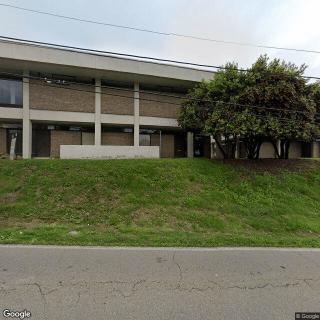
Fort Sanders Tcu in Knoxville, TN

1901 Clinch Avenue, Knoxville, TN 37916

For more information about senior living options: (844) 490-3973

4.5 from 2 reviews
Skilled Nursing Facility

Overall Review of Fort Sanders Tcu

Pros

  • pro The physical therapy staff at Patricia Neal Rehabilitation Center is excellent and very patient, helping individuals maximize their functional movements.
  • pro The staff is awesome and clearly committed to providing excellent care.
  • pro The center offers amenities like a movie theater, a community room, and well-equipped physical and occupational therapy spaces.
  • pro They work with patients to address their needs and do an excellent job.
  • pro The facility maintains good cleanliness.

Cons

  • pro The food wasn't that good at Patricia Neal Rehabilitation Center.
  • pro There was probably one nurse that didn't seem to get along with the patient's mother.
  • pro The patient's mother felt that the nurse was hateful to her.
  • pro There was a smell at times in the hospital.

Review

Fort Sanders TCU in Knoxville is best suited for seniors who are transitioning from a hospital stay and need a focused, goal-oriented rehabilitation program. This unit operates with the structure of a hospital setting but centers on recovery trajectories, featuring ready access to physical and occupational therapy, a private room for comfort and privacy, and purpose-built spaces like a physical therapy room and an occupational therapy room equipped for progressive exercise. For families prioritizing measurable functional gains and a rehab-forward environment, this is the right fit. It's less about ambiance and more about disciplined, therapist-led progress toward independence.

The strongest draw here is the therapy team. The physical therapy staff is described as excellent and exceptionally patient, working closely with each resident to maximize functional movements and advance capabilities. That level of attentiveness translates into meaningful mobility improvements and a clear, disciplined approach to rehabilitation. The setting reinforces those gains: hospital-based oversight, private rooms, and convenient access to therapy spaces and equipment enable a tightly coordinated recovery plan. For families seeking a program with tangible progress and professional accountability, these conditions matter deeply.

Yet, the day-to-day experience comes with noteworthy caveats that potential residents should weigh. Food quality is not a strength, described as not particularly good, which matters to comfort and meal enjoyment during an already stressful period of recovery. Interpersonal dynamics can wobble too; one nurse in a reviewed case didn't mesh well with the patient, highlighting that not every caregiver relationship will be seamless. There are occasional smells associated with a hospital environment, and while cleanliness is generally reported as good, these sensory factors can intrude on the overall experience. Taken together, these cons do not erase the rehab strengths, but they do remind families to calibrate expectations around dining, mood, and hospital-style atmosphere.

For families weighing alternatives, this setting makes a compelling case for choosing elsewhere if the priority is a long-term, less clinical living arrangement with stronger culinary service or a more consistently warm nursing climate. Alternatives may better serve those who want a more homelike environment, less hospital-like ambience, or a dining program that aligns more closely with personal tastes. Similarly, those who do not anticipate needing intensive post-acute rehabilitation or who require around-the-clock assisted living rather than a hospital-based rehab continuum may find other communities more appropriate. The decision hinges on whether the central goal is aggressive rehabilitation with hospital-backed resources or a broader, long-term living experience with different social and culinary strengths.

Despite the drawbacks, the confluence of superb therapy and structured medical support often offsets the downsides for the right candidate. The key pros - the skilled, patient-centric therapy, the private room, and the integrated therapy spaces - directly support faster, safer return-to-function and greater independence. The hospital setting ensures medical oversight is not a loose component but a core feature, reducing risk during the recovery window. While dining and some staff interactions may present ongoing concerns, they do not fundamentally undermine the rehabilitation potential. For families focused on driving meaningful functional gains in a relatively short post-acute window, Fort Sanders TCU delivers where it matters most.

Bottom line: this community is a strong recommendation for seniors who require intensive rehab and value a hospital-backed framework that prioritizes measurable progress. It suits those who understand that the benefits come with certain trade-offs - an environment that feels hospital-like, with occasional sensory quirks and dining realities. If long-term residence, gourmet meals, and uniformly brisk interpersonal rapport across shifts are non-negotiables, it pays to explore alternatives. In the right scenario, with clear rehab goals and a plan for meals and caregiver consistency, Fort Sanders TCU offers a disciplined, capable pathway to greater independence. Families should visit, review therapy schedules, and ask about daily routines, room options, and how meal service is handled to align expectations with reality.

Features

Housing

  • 24 resident community capacity 24 resident community capacity

Types of Care

  • Skilled Nursing Facility Skilled Nursing FacilitySkilled Nursing Facilities are crucial for seniors as they provide round-the-clock medical care, rehabilitation services, and assistance with daily activities. These facilities ensure that seniors receive the specialized care they need to maintain their health and well-being as they age.

Amenities

  • Beauty salon Beauty salonBeauty salons are important for seniors because they provide a space for them to feel pampered, socialize, and maintain their personal grooming and hygiene. Regular visits to a beauty salon can help boost seniors' self-esteem and overall well-being.
  • Cable or satellite TV Cable or satellite TVCable or satellite TV is important for seniors because it provides entertainment, news, and companionship, helping to combat loneliness and boredom. It also offers a wide range of programming options tailored to different interests and preferences.
  • Dining room Dining roomDining rooms are important for seniors as they provide a space for socialization, connection, and nutritious meals. They offer opportunities for residents to bond over shared meals, foster a sense of community, and promote healthy eating habits. Dining rooms also ensure that seniors have access to well-balanced meals tailored to their dietary needs and preferences.
  • Fully furnished Fully furnishedFully furnished senior living communities are important for seniors because they provide convenience, comfort, and a hassle-free moving experience. Seniors can easily settle into their new living space without the stress of having to buy and move furniture. This allows them to focus on enjoying their new home and community.
  • Garden GardenGardens are important for seniors as they provide a peaceful and therapeutic environment for relaxation, physical activity, and socialization. Being in nature has been shown to reduce stress, improve mood, and promote overall well-being. Gardens also offer opportunities for seniors to engage in gardening activities, which can improve mobility, flexibility, and cognitive function. Additionally, gardens create a sense of community and connection with others who share a passion for plants and outdoor spaces.
  • Housekeeping services Housekeeping servicesHousekeeping services are important for seniors because they help maintain a clean and safe living environment, promote independence, and reduce the risk of accidents or illnesses. Additionally, having assistance with household chores can alleviate physical strain and allow seniors to focus on other aspects of their well-being.
  • Kitchenette KitchenetteKitchenettes are important for seniors living in senior living communities because they provide the convenience and independence of being able to prepare simple meals and snacks in the comfort of their own living space. This can help promote a sense of autonomy and well-being for seniors, allowing them to maintain some level of control over their dietary choices and daily routines.
  • Move-in coordination Move-in coordinationMove-in coordination is important for seniors because it helps ease the transition into their new living environment. It ensures that all logistics, such as packing, organizing movers, and setting up utilities are taken care of, allowing seniors to focus on settling in and adjusting to their new home. Having a smooth move-in process can alleviate stress and anxiety, making the transition smoother and more enjoyable for seniors.
  • Outdoor space Outdoor spaceOutdoor spaces are important for seniors as they provide opportunities for physical activity, social interaction, exposure to natural light and fresh air, and a sense of connection to nature. Having access to outdoor spaces can improve overall well-being and quality of life for older adults living in senior communities.
  • Restaurant-style dining Restaurant-style diningRestaurant-style dining is important for seniors because it allows them to enjoy delicious, nutritious meals in a social and upscale setting. This enhances their dining experience, promotes healthy eating habits, and fosters socialization with fellow residents, ultimately contributing to their overall well-being and quality of life.
  • Small library Small librarySmall libraries are important for seniors as they provide access to a variety of reading materials, including books, newspapers, and magazines. This can help stimulate their minds, keep them engaged, and provide a sense of community through book clubs and other social activities. Additionally, reading has been shown to improve cognitive function and overall mental well-being in older adults.
  • Telephone TelephoneTelephones are important for seniors as they provide a lifeline for communication with loved ones, emergency services, and healthcare providers. They offer a sense of security and independence, enabling seniors to stay connected and access assistance when needed.
  • Wi-Fi/high-speed internet available Wi-Fi/high-speed internet availableWi-Fi/high-speed internet is important for seniors to stay connected with loved ones, access online resources, and participate in virtual activities to combat feelings of loneliness and isolation. It also allows them to easily manage healthcare needs, access entertainment, and engage in lifelong learning opportunities.

Transportation

  • McGhee-Tyson (10 miles away) McGhee-Tyson (10 miles away)

Care Services

  • 24-hour call system 24-hour call system24-hour call systems are important for seniors because they provide peace of mind and immediate assistance in case of emergencies. This technology ensures that help is always available, promoting safety and security for elderly individuals living alone or in assisted living facilities.
  • 24-hour supervision 24-hour supervision24-hour supervision is important for seniors to ensure their safety, well-being, and access to immediate assistance in case of emergencies or health issues. This constant support provides peace of mind for both seniors and their loved ones, allowing them to age in place with dignity and security.
  • Activities of daily living assistance Activities of daily living assistanceActivities of daily living assistance are important for seniors because they provide essential support with tasks such as eating, bathing, dressing, and mobility. This assistance helps seniors maintain their independence, dignity, and overall quality of life as they age.
  • Assistance with bathing Assistance with bathingAssistance with bathing is crucial for seniors as it helps maintain personal hygiene, prevents infections, and ensures their overall well-being and comfort. It also provides a sense of dignity and independence for seniors who may struggle with this task on their own.
  • Assistance with dressing Assistance with dressingAssistance with dressing is important for seniors because it helps maintain their independence, promotes personal hygiene, prevents accidents and injuries, and improves overall quality of life. This service ensures that seniors can continue to dress comfortably and confidently, despite any physical limitations they may have.
  • Assistance with transfers Assistance with transfersAssistance with transfers is crucial for seniors as it helps prevent falls and injuries, maintains their independence, and ensures they can safely navigate their living environment. It also provides peace of mind for both seniors and their loved ones.
  • Diabetes diet Diabetes dietA diabetes diet is crucial for seniors as it helps manage blood sugar levels, reduce risks of complications, and improve overall health and well-being. By following a balanced and nutritious diet tailored to their specific needs, seniors can better control their diabetes and enhance their quality of life.
  • Meal preparation and service Meal preparation and serviceMeal preparation and service are crucial for seniors as they may have limited mobility or energy to cook nutritious meals. Having access to healthy and convenient food options can ensure they are getting the proper nutrition needed to maintain their overall health and well-being.
  • Medication management Medication managementMedication management is crucial for seniors to ensure they are taking the right medications at the correct dosages and times. This helps prevent adverse drug interactions, reduces the risk of medication errors, and promotes overall health and well-being. Proactive management also allows for adjustments as needed based on changing health conditions or new prescriptions.
  • Mental wellness program Mental wellness programMental wellness programs are essential for seniors as they promote cognitive stimulation, emotional support, and social engagement. These programs help prevent isolation, depression, and cognitive decline, ultimately enhancing the overall quality of life for older adults.
  • Special dietary restrictions Special dietary restrictionsSpecial dietary restrictions are important for seniors because age-related changes in metabolism and health conditions can make it difficult for their bodies to process certain foods. By following a diet tailored to their specific needs, seniors can maintain their overall health and well-being, manage chronic conditions, and reduce the risk of complications such as malnutrition or food interactions with medications.
Dining

  • Diabetes diet Diabetes dietA diabetes diet is crucial for seniors as it helps manage blood sugar levels, reduce risks of complications, and improve overall health and well-being. By following a balanced and nutritious diet tailored to their specific needs, seniors can better control their diabetes and enhance their quality of life.
  • Special dietary restrictions Special dietary restrictionsSpecial dietary restrictions are important for seniors because age-related changes in metabolism and health conditions can make it difficult for their bodies to process certain foods. By following a diet tailored to their specific needs, seniors can maintain their overall health and well-being, manage chronic conditions, and reduce the risk of complications such as malnutrition or food interactions with medications.

Activities

  • Community-sponsored activities Community-sponsored activitiesCommunity-sponsored activities are important for seniors as they provide opportunities for social interaction, mental stimulation, and physical activity. These activities can help improve overall well-being, combat loneliness and isolation, and promote a sense of belonging and purpose among older adults.
  • Resident-run activities Resident-run activitiesResident-run activities are important for seniors as they encourage social interaction, creativity, and a sense of autonomy. These activities empower seniors to stay engaged and active in their community while fostering meaningful connections with their peers.
  • Scheduled daily activities Scheduled daily activitiesScheduled daily activities are important for seniors because they provide structure, socialization, mental stimulation, and physical activity. Engaging in regular activities can improve overall well-being and quality of life for seniors living in a community setting.

Description

Fort Sanders Tcu in Knoxville, TN is an exceptional assisted living community that offers a wide range of amenities and care services for seniors. Our residents enjoy the comfort and convenience of cable or satellite TV, fully furnished apartments, and kitchenettes for their own meal preparations. Additionally, our community provides move-in coordination services to ensure a smooth transition.

Residents can relax and appreciate the beauty of our outdoor space and garden. Our restaurant-style dining offers delicious meals prepared by our staff, taking into consideration any special dietary restrictions or preferences. For those who love reading, we have a small library where they can find their favorite books.

The well-being of our residents is paramount to us. Therefore, we provide 24-hour supervision and assistance with activities of daily living such as bathing, dressing, and transfers. Our dedicated staff also specializes in medication management and follows diabetes diets if needed. Furthermore, we offer a mental wellness program that promotes emotional well-being.

At Fort Sanders Tcu, socializing and staying active are encouraged through resident-run activities and scheduled daily activities. We believe that staying connected with the community is important, which is why we have six cafes, three parks, 12 pharmacies, 38 physicians' offices nearby for easy access to healthcare needs. Additionally, there are 32 restaurants nearby offering various dining options as well as places of worship for spiritual fulfillment. In case of emergencies or medical needs, four hospitals are located conveniently close by.

Overall, at Fort Sanders Tcu in Knoxville, TN seniors can expect exceptional care services combined with a comfortable living environment that promotes independence while ensuring their needs are met with compassion and professionalism.

Nearby Places of Interest

Hospitals

  • Fort Sanders Hospital (0 miles)
  • East Tennessee Children's Hospital (0.1 miles)
  • Steps House (2 miles)
  • Steps House (2.2 miles)

Physicians

  • Knoxville Pain Center (0.1 miles)
  • Anesthesia Medical Alliance of East Tennessee PC (0.1 miles)
  • Children's Hospital (0.1 miles)
  • Cory T. Strobel M.D. (0.1 miles)
  • Pediatric Ear Nose & Throat: Dr Joe Graves (0.1 miles)
  • Children's Primary Care Center (0.2 miles)
  • Christenberry Clinic PC (0.6 miles)

Cafes

  • Starbucks (0.1 miles)
  • Jacks Coffee & Plants (1.6 miles)
  • South Press (1.9 miles)
  • Wild Love Bakehouse (2 miles)
  • K Brew Coffee House (2.2 miles)
  • Starbucks (4.6 miles)

Restaurants

  • Cool Beans Restaurant & Tavern (0.2 miles)
  • The Orange Martini (1 miles)
  • J.C. Holdway (1.1 miles)
  • Yassin's Falafel House (1.1 miles)
  • Sweet P’s Downtown Dive (1.1 miles)
  • Bistro at the Bijou (1.2 miles)
  • Calhoun's on the River (1.2 miles)

Pharmacies

  • Walgreens (0.2 miles)
  • Paragon Infusion Center Knoxville (1.2 miles)
  • H Bolton (1.2 miles)
  • Walgreens (2.1 miles)
  • CVS Pharmacy (3.3 miles)
  • Mac's Pharmacy (3.4 miles)
  • CVS Pharmacy (3.5 miles)

Parks

  • World's Fair Park (0.8 miles)
  • Victor Ashe Park (3.7 miles)
  • Lakeshore Park (4.2 miles)

Places of Worship

  • Water Angel Ministries (1.1 miles)
  • Immaculate Conception Catholic Church (1.1 miles)
  • Meridian Baptist Church (4.8 miles)
  • First Cumberland Presbyterian Church (4.9 miles)

Theaters

  • Regal Riviera (1.2 miles)

Frequently Asked Questions

Where is Fort Sanders Tcu?

Nearby Communities

  • NHC Health Care Fort Sanders

    NHC Health Care Fort Sanders

    Knoxville, TN

    3.4 from 11 reviews
     

    pro Clean, well-maintained facility with attentive staff and robust therapy/activities.

  • NHC Healthcare - Ft Sanders

    NHC Healthcare - Ft Sanders

    Knoxville, TN


    pro Extensive on-site amenities and comprehensive care services (24/7 supervision, ADL support, dining, transportation, wellness, activities).

  • Right at Home West Knoxville

    Right at Home West Knoxville

    Knoxville, TN

    4.3 from 31 reviews
     

    pro High-quality care with a consistently clean environment and friendly, accommodating staff.

  • Summit Towers

    Summit Towers

    Knoxville, TN

    2.8 from 47 reviews
    $747 / month

    pro Very affordable 1-bedroom rent relative to local area

  • Serene Manor Medical Center

    Serene Manor Medical Center

    Knoxville, TN


    pro Comprehensive care with 24/7 supervision and a wide range of on-site amenities.

  • Knoxville High Apartments

    Knoxville High Apartments

    Knoxville, TN


    pro Fully furnished apartments with private bathrooms and restaurant-style dining.

  • South High Senior Living

    South High Senior Living

    Knoxville, TN

    4.4 from 82 reviews
    $4,550 / month

    pro Friendly staff and a clean, hotel-like environment with engaging on-site activities.

  • Holston Health & Rehabilitation Center

    Holston Health & Rehabilitation Center

    Knoxville, TN

    4.1 from 71 reviews
     

    pro Clean, welcoming environment with friendly staff and strong physical therapy.

  • West Hills Health And Rehab

    West Hills Health And Rehab

    Knoxville, TN

    2.6 from 80 reviews
     

    pro Attentive staff delivering quality, personalized care.

Related Resources

  • what does the sandwich generation meanUnderstanding the Sandwich Generation: Stress and Responsibilities for Multigenerational Caregivers

    The Sandwich Generation comprises adults managing the dual responsibilities of caring for aging parents and raising children, leading to significant emotional, logistical, and financial challenges. This situation is exacerbated by longer life expectancies and cultural expectations, necessitating effective coping strategies and support resources to alleviate caregiver stress and burnout.

  • assistive devices for elderly8 Essential Assistive Devices for Older Adults

    The article highlights eight essential assistive devices that improve the independence and safety of older adults, addressing issues related to mobility, balance, vision, hearing, and dexterity. It emphasizes the importance of proper selection guided by healthcare professionals to enhance seniors' quality of life while allowing them to age in place.

  • how to pay for nursing homeNavigating the Financial Road to Nursing Home Care: In-Depth Guidance and Resources

    The article offers detailed guidance on the financial complexities of nursing home care, covering costs, payment methods, and alternative funding strategies while emphasizing the importance of proactive planning and legal considerations for individuals and families making care decisions.