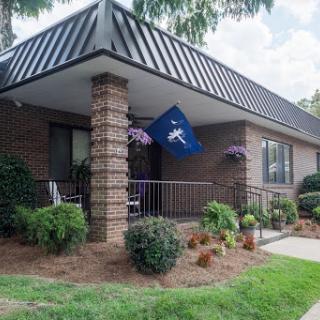
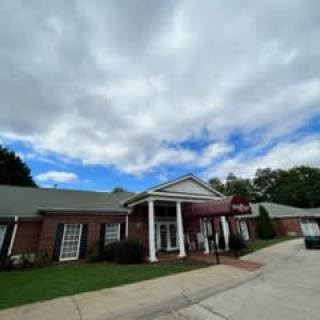
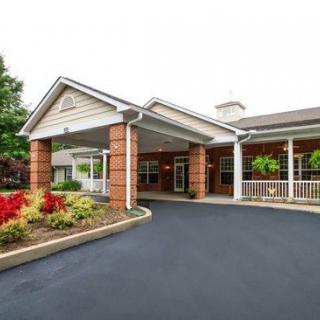
Physical Rehab and Wellness Center of Spartanburg
Save8020 White Ave, Spartanburg, SC 29303
For more information about senior living options: (844) 490-3973
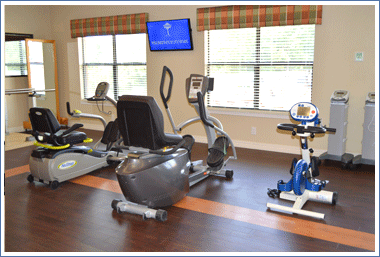
This community is best suited for families prioritizing short- or intermediate-term rehabilitation where the therapy team drives the majority of outcomes. When a resident can benefit from an active, goal-oriented rehab program and a structure that emphasizes progressive walking, strength, and functional gains, Physical Rehabilitation and Wellness Center of Spartanburg can deliver meaningful progress. The strongest case for this center rests on the therapy staff's expertise and the ability to design and execute individualized recovery plans that move residents toward the closest attainable level of independence.
Those weighing alternatives should note who may want to look elsewhere. If reliable, consistent daily care across all shifts is non-negotiable, this facility may not meet expectations. Several reviews flag persistent gaps in staffing, responsiveness, and overall safety, including missed call-light responses, inconsistent medication administration, and reports of patients sitting in soiled conditions or experiencing delays in care. For families that cannot regularly supervise and advocate or who require a consistently clean, odor-free, and well-maintained environment, an option with stronger, enterprise-level accountability may be wiser.
The core pros - top-tier rehab therapy, attentive therapists, and generally clean environments in multiple accounts - often clash with the most serious cons. On the plus side, residents frequently praise the rehab team for helping walk farther, regain strength, and reset goals with clear, professional guidance. Several accounts commend the nursing staff for being on the ball and the social workers for coordinating discharge planning and family communication. A subset of reviews also highlights good meals and steady, personable care from specific CNAs. Yet these strengths do not fully neutralize the undercurrent of complaints about neglect, understaffing, and inconsistent care quality across units, creating a real risk mismatch for families seeking uniform safety and dignity.
To make a prudent decision, families should pursue a disciplined due diligence plan. Tour the facility with questions aimed at staffing patterns on each shift, especially whether CNAs and aides are consistently available to respond to call buttons and assist with mobility and hygiene. Request to speak with the director of nursing or the therapy director to understand how care plans are monitored and updated, and how often families receive formal progress reports. Review the facility's recent inspection history and ask how problems are tracked and resolved. Given the mixed reviews, insist on witnessing a therapy session, a medication pass, and a daily care routine to evaluate pace, responsiveness, and thoroughness.
During a stay, proactive oversight is essential. Families should monitor call-light responsiveness, consistency of hydration and meals, and the frequency and quality of therapy sessions. Scrutinize wound care and skin integrity, given multiple reports of skin breakdown and infections in some cases. Check the cleanliness of rooms and hallways daily, and verify that housekeeping responds promptly to cleanliness concerns. Be prepared to escalate concerns quickly and document communication with nurses, case managers, and physicians. The presence of mold in HVAC areas or pests is a serious red flag that should trigger immediate escalation and a formal follow-up with administration and, if needed, state regulators.
Bottom line: this facility can be a strong choice for residents whose primary goal is robust, evidence-based rehabilitation and who bring vigilant family support to the table. When therapy is the priority, there are credible accounts of real improvement and attentive clinicians delivering solid outcomes. However, the substantial breadth of negative feedback around neglect, inconsistent staffing, and safety lapses means this is not a universal fit. For families seeking predictable, consistently high-quality care across all shifts, with unwavering attention to medication safety, cleanliness, and daily responsiveness, alternatives deserve careful comparison. A well-structured, in-person evaluation is essential before any commitment, with a clear plan for ongoing oversight if choosing this center.
The Physical Rehab and Wellness Center of Spartanburg in Spartanburg, SC is an assisted living community that offers a range of services to support the health and well-being of its residents. Situated in a convenient location, this community provides easy access to various amenities that enhance the overall quality of life for its residents.
For those who enjoy dining out or socializing with friends, there are 40 restaurants located nearby, offering a diverse selection of cuisines to suit different tastes and preferences. In addition, there are four cafes in close proximity to the community, providing opportunities for residents to relax and enjoy a cup of coffee or tea.
Nature enthusiasts will appreciate having a park just a short distance away from the community. This provides an ideal setting for outdoor activities such as walking, jogging, or simply enjoying the beauty of nature. Furthermore, individuals who value their spiritual well-being will find solace at the nearby place of worship.
Healthcare needs are well catered for within this assisted living community's vicinity. With 41 physicians and eight pharmacies nearby, residents have easy access to medical professionals and necessary medication. Additionally, there are four hospitals in close proximity should emergency medical attention be required.
Overall, the Physical Rehab and Wellness Center of Spartanburg offers a convenient location with numerous amenities nearby that contribute to a happy and fulfilling lifestyle for its residents.
This area of Spartanburg, South Carolina offers a variety of amenities and services in close proximity, making it a convenient option for senior living. With several restaurants including Taco Bell, Chick-Fil-A, and local favorites like Wade's Restaurant and Kenny's Home Cooking nearby, residents have plenty of dining options to choose from. Additionally, there are multiple physicians offices and medical facilities within a short distance, providing easy access to healthcare services. Pharmacies such as CVS and Carolina's Upstate Pharmacy are also conveniently located for medication needs. In terms of recreation, seniors can enjoy cafes like Starbucks and Spill the Beans for social outings, as well as parks like Big Air Trampoline Park for leisure activities. Overall, this part of Spartanburg offers a well-rounded community with essential amenities within reach for senior residents.
Physical Rehab and Wellness Center of Spartanburg is located at 8020 White Ave, Spartanburg, SC 29303 in Spartanburg County, South Carolina
Exploring Palliative Care in the Home: A Comprehensive Overview
Palliative care enhances the quality of life for seriously ill patients by providing comprehensive support at home through a multidisciplinary team, addressing various needs and prioritizing comfort over curative treatments. While it offers personalized care and involves family in decision-making, challenges like caregiver stress and logistical issues persist, with growing demand prompting advancements in technology and healthcare policies to improve access.
Comprehensive Insights into Palliative Home Care: What It Is and What to Expect

Palliative home care focuses on improving the quality of life for individuals with serious illnesses by providing comfort, symptom management, and emotional support in their own homes. This approach includes personalized care plans, regular assessments, and resources for family caregivers, all while prioritizing person-centered treatment that aligns with patients' goals.
Skilled Nursing Facilities vs. Nursing Homes: Making Sense of the Differences
Skilled nursing facilities (SNFs) provide high-level medical care and rehabilitation for short-term recovery, typically covered by Medicare after hospitalization, while nursing homes focus on ongoing custodial care for chronic conditions, mainly funded by Medicaid or private payments. The staffing and regulatory structures differ significantly between the two, necessitating clarity for families in choosing appropriate long-term care options.