Residents and families consistently describe a kind, attentive care team.
A major theme across reviews is how supported residents feel, with repeated praise for staff kindness, responsiveness, and attentiveness to day-to-day needs. Several reviewers also describe communication and guidance that helped families through admissions, transfers, and rehab recovery. Even during renovation or busy periods, multiple comments say staff were available and did not ignore requests.
common20 reviews mention this
Cleanliness and updates stand out
Many reviewers mention the facility feels clean and well maintained.
Many reviews specifically call out cleanliness, spotless rooms, and a well-kept environment. A number of comments also mention ongoing updates and renovations, including a newly renovated gym and refreshed hallways or rooms. One negative review raises concerns about bed bugs and other basic care issues, which is the main outlier against the otherwise frequent cleanliness praise.
common10 reviews mention this
Activities help prevent loneliness
Reviews often point to an active schedule that keeps residents engaged.
Residents are described as having a social life through activities like bingo, shows, holiday celebrations, and resident groups. Multiple reviewers also describe planned day trips and staff-supported group time, including opportunities that involve families. The community also explicitly lists community-sponsored and resident-run activities, which matches the emphasis residents and visitors place on engagement.
differentiator14 reviews mention this
Rehab support plus medication help
Rehab care is a frequent focus, with attention to therapy and health management.
Several reviews discuss rehabilitation experiences, including improvements supported by nursing and therapy teams like PT/OT and speech. Families also mention that staff helped identify concerns and support recovery during the stay. This aligns with the care setup that includes nursing and supervision and includes medication management, meal preparation and service, and assistance with activities of daily living.
caveat3 reviews mention this
Food gets mixed reactions
Dining is mentioned both positively and negatively in reviews.
Some visitors describe meals as tasty with good portions, and others link dining to day-to-day comfort. However, one critical review says the food was unacceptable and also raises medication-timing concerns. The community also offers restaurant-style dining and lists diet-focused supports tied to special restrictions, which may explain why dining comes up differently from person to person.
caveat3 reviews mention this
Care can miss basics
A small number of reviews raise serious concerns about safety and care delivery.
While most reviews are strongly positive, a few report severe problems that go beyond day-to-day complaints. One review describes medication problems and bed bug concerns, and another describes a negative experience involving staff access and codes during an emergency response situation. These accounts are limited compared with the broader praise for attentiveness, but they are serious enough to note when deciding.
How we summarize
Counts show how many written reviews mention each theme; a review can touch several themes, and only frequently mentioned themes are displayed.
Features
Housing
106 resident community capacity
Types of Care
Skilled Nursing Facility
Amenities
Air-conditioning
Beauty salon
Cable or satellite TV
Computer center
Dining room
Fitness room
Fully furnished
Gaming room
Garden
Housekeeping services
Kitchenette
Move-in coordination
Outdoor space
Private bathrooms
Restaurant-style dining
Small library
Telephone
Wellness center
Wi-Fi/high-speed internet available
Transportation
Community operated transportation
Transportation arrangement
Transportation arrangement (non-medical)
Transportation to doctors appointments
Care Services
12-16 hour nursing
24-hour call system
24-hour supervision
Activities of daily living assistance
Assistance with bathing
Assistance with dressing
Assistance with transfers
Diabetes diet
Meal preparation and service
Medication management
Mental wellness program
Special dietary restrictions
Dining
Diabetes diet
Special dietary restrictions
Activities
Community-sponsored activities
Concierge services
Fitness programs
Planned day trips
Resident-run activities
Scheduled daily activities
Nearby Places of Interest
Restaurants
Grey Sail Brewing of Rhode Island (0.9 miles)
Koi Japanese Cuisine (1.2 miles)
The Malted Barley (1.3 miles)
Bridge (1.4 miles)
McDonald's (1.6 miles)
Cinder Restaurant (1.8 miles)
The Haversham (5.1 miles)
Transportation
Amtrak (1.1 miles)
Cafes
Nana's Bakery & Pizza (1.2 miles)
Perks & Corks Cafe (1.2 miles)
C.C. O'Brien's (1.4 miles)
Dave's Coffee (6.3 miles)
Starbucks (7.1 miles)
Starbucks (12.2 miles)
Theaters
United Theatre (1.2 miles)
Parks
Wilcox Park (1.3 miles)
Mystic River Park (8.1 miles)
Pequot Woods (8.7 miles)
Ninigret Park (9.4 miles)
Bluff Point State Park (11.5 miles)
Physicians
Lawrence & Memorial Hospital (1.5 miles)
Brian Shannon, DDS (1.8 miles)
The Vascular Experts (2.3 miles)
Dialysis Center of Westerly (2.4 miles)
David S. Cameron (2.4 miles)
Ninigret Orthopedics (2.4 miles)
Gentle Gynecolgy: Kong Insu MD (2.4 miles)
Pharmacies
Mc Quades Marketplace (1.5 miles)
CVS Pharmacy (1.9 miles)
Walgreens (1.9 miles)
CVS Pharmacy (2.8 miles)
Seaside Pharmacy (4 miles)
Walmart Pharmacy (4.2 miles)
Anderson (7.1 miles)
Hospitals
Westerly Hospital (2.3 miles)
Lawrence And Memorial Family Medicine (10.5 miles)
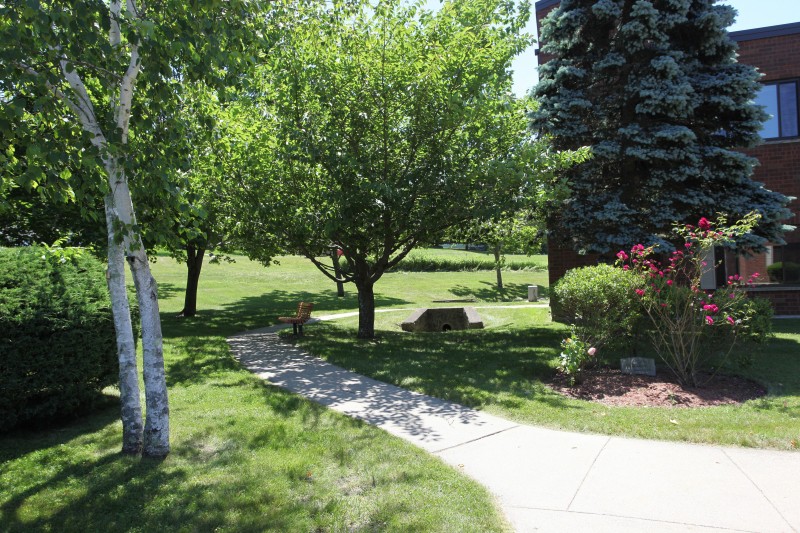
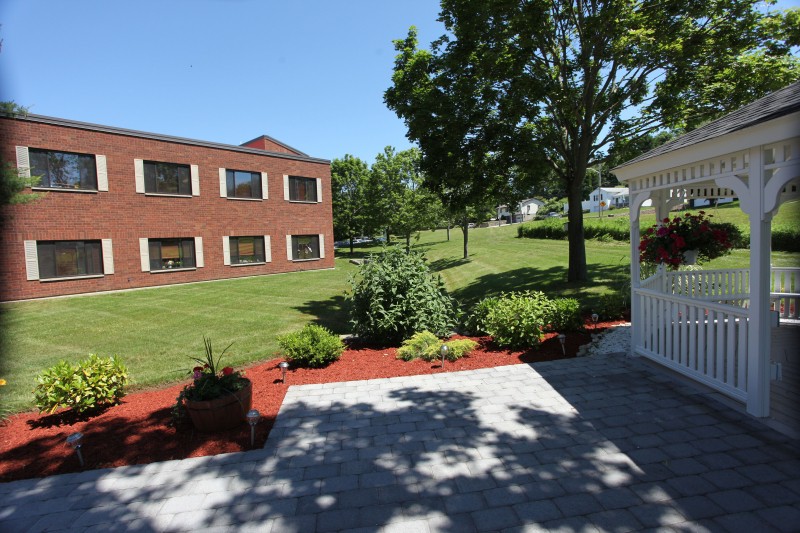
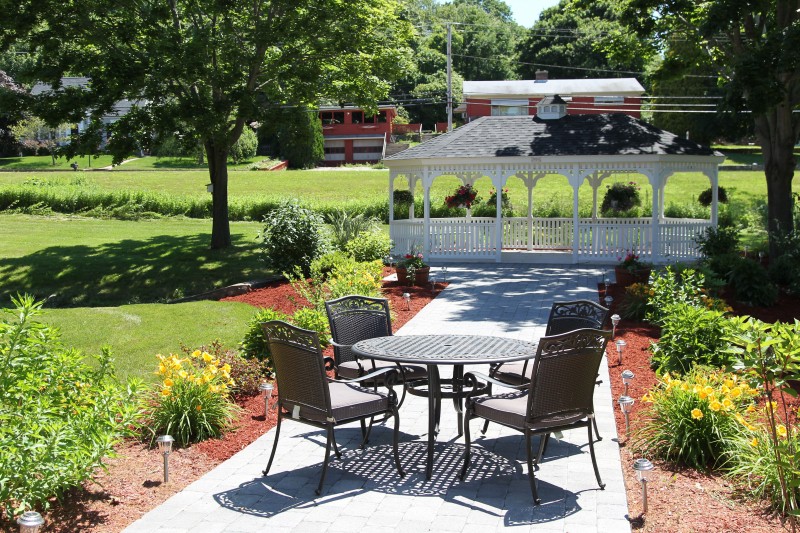
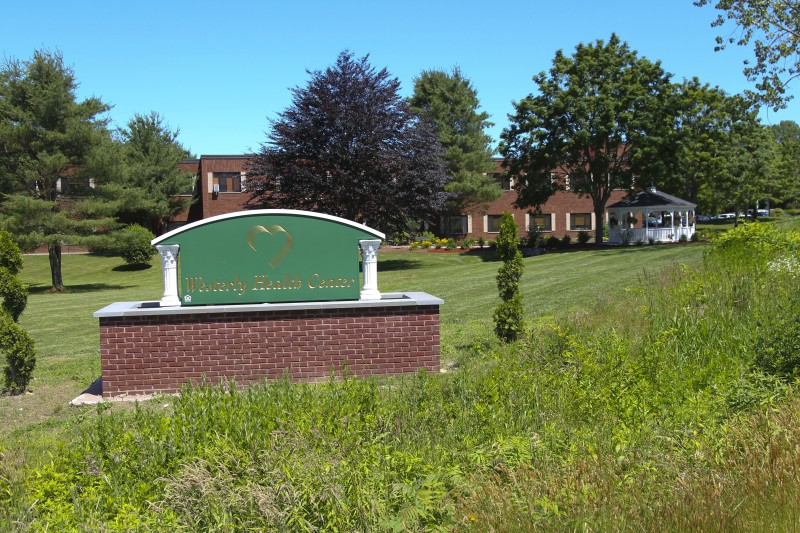
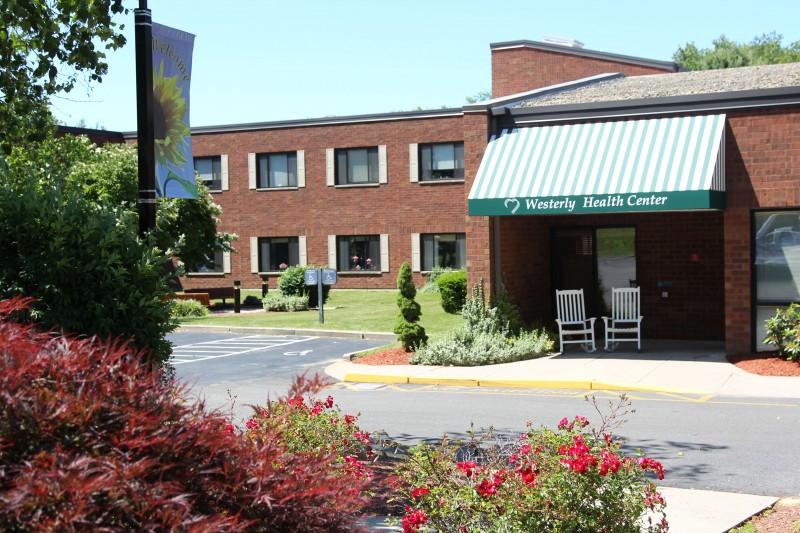
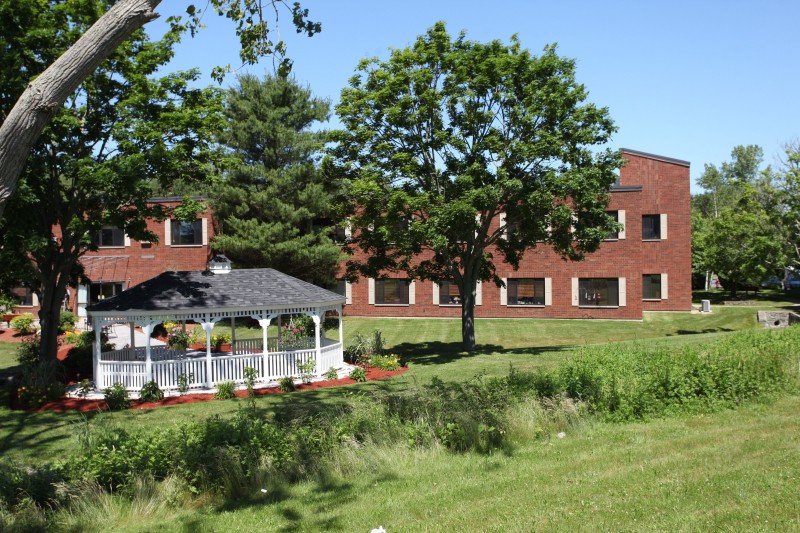
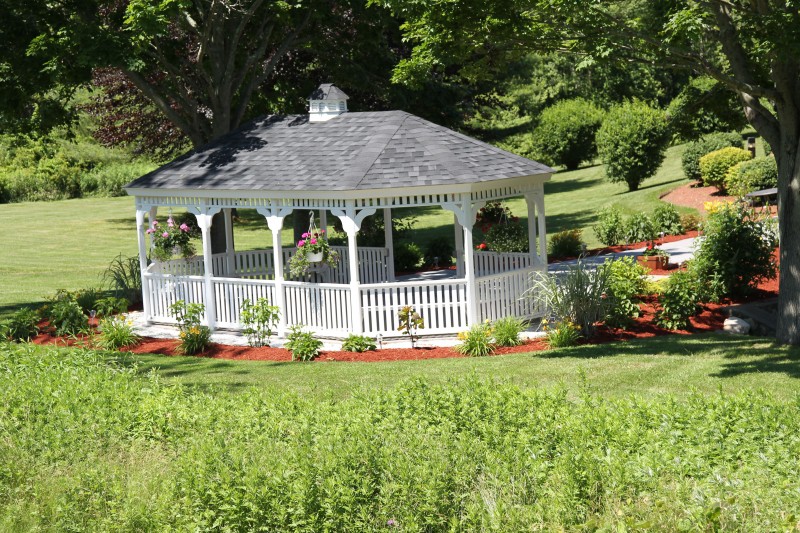
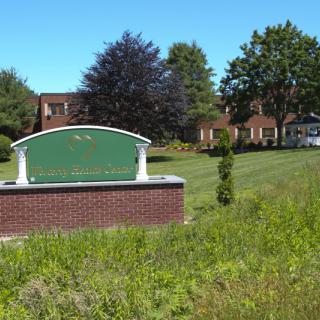
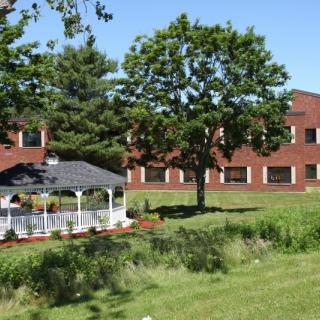
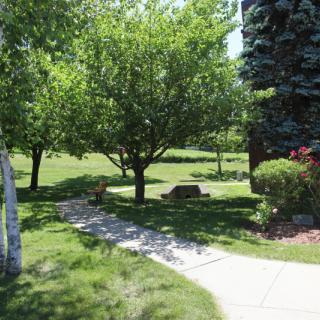
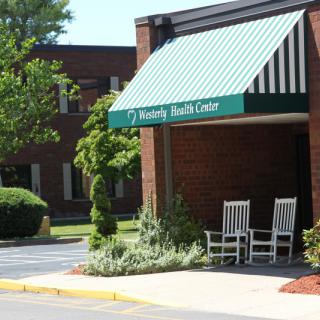
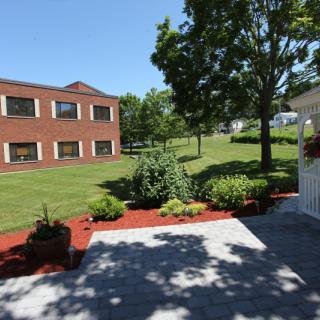
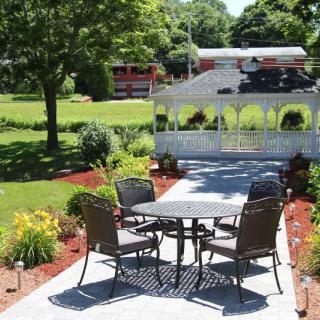
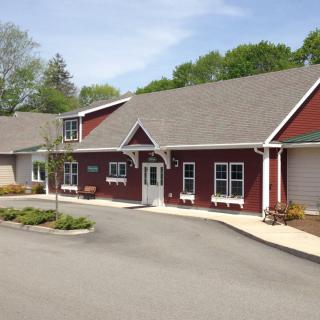
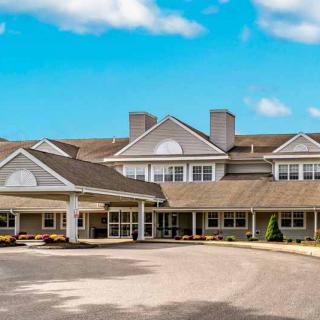
Westerly Health Center on seniors.fyi includes 8 photos including images showing landscaping, building, garden, trees, outdoor, nature, gazebo, grass, and more.
Nearby Communities
Golden Years Assisted Living Community
Westerly, RI
4.3 from 10 reviews
Renovations improved ambiance; friendly staff and happy residents.
Chestnut Cottage At The Elms
Westerly, RI
4 from 3 reviews
Warm, friendly staff in a cozy, home-like setting with engaging activities.
The Elms Retirement Residence
Westerly, RI
4.6 from 57 reviews
$3,995 to $7,395 / month
Beautiful, home-like setting with attentive staff and engaging activities.
The Elms Assisted Living
Westerly, RI
4.3 from 8 reviews
Comprehensive care options plus robust amenities and transport.
Carriage House at the Elms
Westerly, RI
4.3 from 8 reviews
Intimate 21-resident community offering memory care with comprehensive daily living support.
Babcock Village
Westerly, RI
4 from 12 reviews
Prime access to healthcare, pharmacies, and local amenities.
Caregiver exhaustion, or burnout, stems from the relentless demands of caregiving, leading to emotional and physical depletion characterized by stress, frustration, and neglect of personal needs. Addressing this burden is essential to prevent long-term consequences, with early recognition and support being crucial for caregivers to maintain balance and implement self-care.
Hospice care at home provides specialized end-of-life support that focuses on comfort and dignity for individuals with life-limiting illnesses, offering a range of services including medical management, emotional and spiritual support, and logistical assistance tailored to the family's needs. It involves collaboration to create individualized care plans and extends to bereavement support after a loved one's passing.
The guide outlines the rising costs of 24/7 in-home care, ranging from $10,000 to over $20,000 monthly, driven by factors such as location and caregiver qualifications. It discusses the limited coverage by Medicare and private insurance, potential Medicaid support, and the emotional and living condition considerations influencing families' decisions on care arrangements.
Get PricingAsk A QuestionSchedule A TourContact Senior Advisor
By clicking submit, you agree to our Partner's Terms of Use. You
also consent to receive calls and texts, which may be autodialed, from our Partner. Your consent is not a condition to
using our Partner's service. Please visit our Partner's Privacy Policy for information about their privacy practices.




 106 resident community capacity
 Skilled Nursing Facility
 Air-conditioning
 Beauty salon
 Cable or satellite TV
 Computer center
 Dining room
 Fitness room
 Fully furnished
 Gaming room
 Garden
 Housekeeping services
 Kitchenette
 Move-in coordination
 Outdoor space
 Private bathrooms
 Restaurant-style dining
 Small library
 Telephone
 Wellness center
 Wi-Fi/high-speed internet available
 Community operated transportation
 12-16 hour nursing
 24-hour call system
 Activities of daily living assistance
 Assistance with bathing
 Assistance with dressing
 Assistance with transfers
 Diabetes diet
 Medication management
 Mental wellness program
 Special dietary restrictions
 Concierge services
 Planned day trips
 Renovations improved ambiance; friendly staff and happy residents.



 Caregiver Exhaustion: Recognizing the Signs and Restoring Your Well-Being
 Understanding Hospice Care at Home: Comprehensive Services, Key Benefits, and Eligibility
 Understanding the Full Cost of 24/7 In-Home Care: A Detailed Overview