

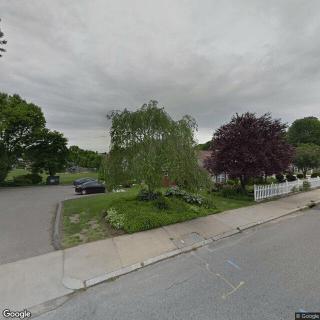
118 High Street, Westerly, RI 02891
For more information about senior living options: (866) 208-4318
Overall Review of Golden Years Assisted Living Community
Pros
 The staff are friendly and caring, going above and beyond to accommodate residents' requests.
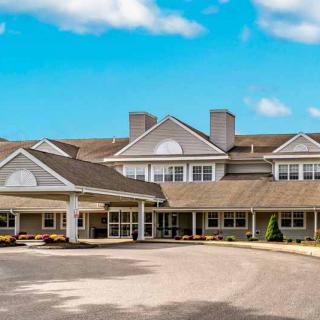
- The facility feels like a resort, with entertainment, a wonderful restaurant featuring local, fresh fish, and beautiful common spaces.
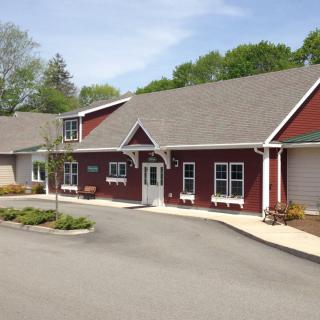
- The Carriage House provides comfortable, supportive care for residents who need more assistance.
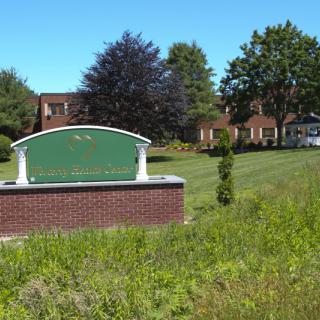
- The Elms is described as wonderful, with a long-standing reputation of excellence.
- Renovations have modernized the facility, and it now looks much better than before.
- The staff are consistently friendly and accommodating, and residents seem happy and well cared for.
Cons
 The Golden Years is an old facility.
- Most people there had low income.
- There was no air-conditioning, which made breathing difficult for residents with respiratory problems.
- They needed to address the lack of air-conditioning.
Review
Golden Years Assisted Living Community in Westerly is best suited for families seeking a lively, resident-centered environment where staff warmth and hospitality are the anchors, and where social programming, dining quality, and attractive common spaces drive daily life. The community appears to reward residents who value a hospitable atmosphere, on-site activity, and a sense of resort-like comfort. It also holds appeal for families planning for a future where more care can be added on-site, since transitions to higher levels of support (such as a specialized unit) are part of the overall model. In short, this setting is most convincing for active seniors who want companionship, dependable staff, and a gracefully managed living space that feels more like a hotel than a clinic.
Those weighing alternatives should consider whether budget constraints and climate comfort are decisive. Several voices in Westerly describe care environments with strong personal attention but note that older facilities can come with trade-offs, including higher reliance on housekeeping routines and heating/air management. For families facing tight budgets or seeking the most predictable monthly costs, other options may offer more transparent pricing structures or broader access to memory care, if needed. Additionally, residents who require advanced clinical oversight or highly specialized dementia programming may find that some options outside this market provide more explicit clinical pathways or dedicated memory care floors.
The strongest pros from these reviews, friendly, accommodating staff; a genuine sense that requests are heard; and a hospitality-forward ambiance, tend to offset several common concerns. Families repeatedly highlight staff who bend to meet individual needs, a well-considered layout that supports resident movement, and regular social and entertainment offerings that keep life engaging. The capacity to relocate a resident within the campus to a more supportive Carriage House setting signals a maturity of care that can provide continuity when needs evolve. When care pathways are visible and scalable, the practical fear of an unplanned move elsewhere is reduced, which is a meaningful offset to the inherent limitations of an older facility.
On the amenity side, the community’s appeal is reinforced by dining quality and social habitat. Across the feedback, residents enjoy on-site entertainment and a restaurant-style dining experience featuring fresh options. The presence of beautiful common areas and a sense that the environment is designed to be lived in, rather than endured, matters for daily mood and overall satisfaction. For families, these elements translate into fewer battles over daily routines, more consistent participation in activities, and evidence of intentional programming that helps sustain independence while still offering companionship and oversight as needed.
The most conspicuous trade-off centers on facility age and climate considerations. Several reviewers acknowledge that the Westerly market includes older buildings that may have historical warmth and character but come with practical caveats, such as the need for robust climate control. A parenthetical note in the feedback pointed to air-conditioning gaps in the past, paired with concerns about breathability and comfort during warmer months. While renovations and ongoing upkeep can mitigate these issues, prospective residents should request current performance data on heating, ventilation, and temperature consistency, especially if personal comfort or respiratory sensitivity is a priority. One uneven review also reminds that no community is without sharper edges; there can be outlier experiences that warrant thorough, in-person assessment.
The bottom line is clear: for families prioritizing a warm, service-oriented home that doubles as a social hub, with the option to scale care on-site, Golden Years offers a compelling platform. It rewards residents who engage with programming, appreciate attentive staff, and value a dining-and-docial-scene that feels more curated than conventional. Those who must tightly control cost, demand flawless climate reliability, or require comprehensive, highly specialized medical or memory-care protocols should scrutinize alternatives and verify exact offerings before committing. A disciplined evaluation, touring the community, inspecting kitchen and activity spaces, meeting care staff, and confirming current climate performance and pricing, will reveal whether Golden Years aligns with long-term needs or points toward a facility better suited to more intensive care trajectories.
 26 resident community capacity
 Studio apartments
 Assisted Living
 Skilled Nursing Facility
 Activities on-site
 Beauty salon
 Cable or satellite TV
 Devotional services off-site
 Dining room
 Fully furnished
 Garden
 Housekeeping services
 Indoor common areas
 Kitchenette
 Laundry
 Move-in coordination
 Outdoor space
 Respite or short term stays offered
 Telephone
 Wi-Fi/high-speed internet available
 Transportation & parking
 24-hour call system
 Ambulatory care
 Assistance with bathing
 Assistance with dressing
 Assistance with transfers
 Diabetes diet
 Diabetic care
 Meal preparation and service
 Medication management
 Mental wellness program
 Physical therapy
 Special dietary restrictions
 Transportation arrangement (medical)
 English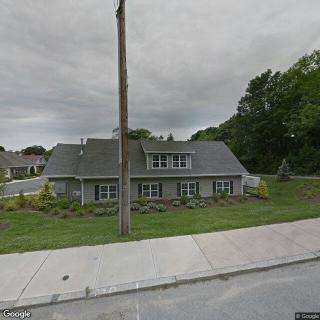



 Comprehensive Insights into Activities of Daily Living (ADLs) and Their Assessment
 Medicare Coverage for Assisted Living: An In-Depth Exploration
 Your Comprehensive Guide to Luxury Assisted Living: Elevated Facilities, Amenities, and Costs