
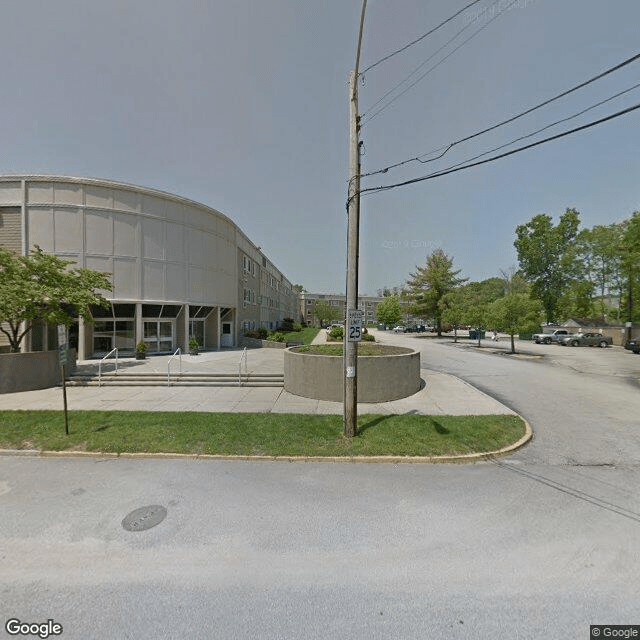
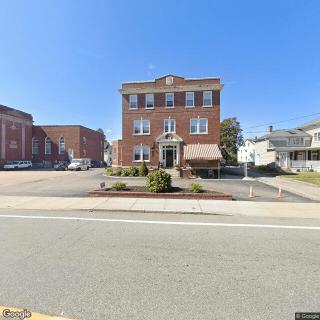
122 Cross St, Westerly, RI 02891
To contact a resident: (401) 596-7574
For more information about senior living options: (866) 208-4318
Overall Review of Babcock Village
Pros
 This is a nice retirement complex for those on a fixed/limited income.
- The common areas have been recently renovated, and the units are being renovated as turnover occurs.
- There are a number of groups that do community outreach there.
- The units are small enough to be easy to maintain, yet spacious enough to host small family gatherings without feeling cramped.
- The complex is very clean, and residents are friendly.
- It’s a nice place.
Cons
 The complex lacks sufficient amenities for elderly residents, such as a cafe or small store.
- There is a need for more programs and activities for the elderly, and for staff to check on older residents with more respect.
- Bingo and other activities should be brought back, with better oversight of the older residents.
- Smoking in the building is not well controlled, including both cigarette smoking and other forms.
- Hallways occasionally have cigarette smoke odor.
- Some residents are very nosy.
Review
Babcock Village in Westerly, RI is best suited for seniors on a fixed or limited income who want affordable, low-maintenance housing with a quiet, community-oriented feel. The recent updates to common areas and ongoing turnover work on apartments signal a commitment to improving living spaces without demanding an upscale price tag. The layout favors independence, with small-to-moderate unit sizes that are easy to manage and still allow for occasional family gatherings. For residents who value practical benefits, such as organized outreach and access to tangible perks like a monthly fresh-produce box, this community delivers a straightforward, wallet-conscious option.
That practical fit, however, comes with clear caveats that families should weigh against other choices. Those seeking a robust on-site activity calendar, reliable daily programming, or a bustling social hub will likely want alternatives. The reviews consistently flag a need for more elderly-oriented amenities, think a cafe or small on-site store, regular bingo, and routine check-ins, elements that would elevate daily life but are noticeably underdeveloped here. Also, the strongest ongoing concern centers on smoking in the building and hallways, which clouds the environment for residents who value a cleaner, odor-free atmosphere. If social density, diverse programming, or strict smoke controls matter, there are options that may fit better.
The positives at Babcock Village do offset some shortcomings, but not uniformly. Renovations to common areas and turnover-driven unit updates raise the baseline comfort level and show a forward-moving plan, while the small, easy-to-maintain apartments support a low-stress lifestyle. The existence of multiple community outreach groups adds tangible value beyond rent, neighbors connect through organized efforts, and the produce-box program demonstrates a real, accessible benefit for residents who could use extra support. Cleanliness and general friendliness across residents contribute to a respectful, neighborly atmosphere that is especially valuable for seniors who want to stay engaged without leaving a familiar street.
Nevertheless, the drawbacks are real enough to influence a decision. The ongoing issue with cigarette odor in hallways detracts from comfort and may pose a challenge for sensitive residents. The community’s own admission that more for the elderly is needed, programs, engagement opportunities, and a reliable sense that caregivers are attentive, creates a gap between the potential and the lived experience. Some residents’ comments about nosiness hint at a tightly knit, watchful environment that can feel intrusive for those seeking quieter, more private routines. Without stronger, consistent programming and clearer respect for elder residents, the upside of renovations and simplicity can feel uneven.
For families weighing options within the same price tier, Babcock Village will look more favorable to those prioritizing affordability, maintenance ease, and a cooperative, small-community vibe. It stands apart from higher-cost complexes that bundle more services with higher rents, and it provides a tangible sense of neighborly support through outreach and tangible benefits. Yet the community lacks the full spectrum of social programming and daily activity that many families expect from senior living, and the smoking issue undermines one of the most basic comfort factors. If the primary goal is a budget-friendly, straightforward home with occasional outreach and modest amenities, this is a fitting match; if the aim is a vibrant social life, complete anti-smoking controls, or extensive supervisory care, it may be prudent to look elsewhere.
In practical terms, prospective residents should schedule visits that probe both space and schedule: verify current activity offerings, ask for a concrete calendar of what is planned for the coming months, and request detailed explanations of smoking policies and any steps toward making hallways smoke-free. Inquire about existing staff presence, especially around evening hours, and how check-ins are handled for residents who may need more support. Consider the value of the produce box and other outreach benefits in everyday budgeting. Ultimately, Babcock Village offers a dependable, affordable option with real community ties and ongoing improvements, but it requires a tolerance for limited programming and a preference for a smoke-conscious environment. For the right buyer, budget-focused seniors who want a calm, neighborly setting, this is a solid, pragmatic choice worth pursuing with a clear checklist in hand.




 9 Stimulating Memory Activities for Seniors: Puzzles, Cards, and Much More
 Managing Nursing Home Expenses After Medicare Coverage Ends
 Is a Geriatric Care Manager the Right Choice for Your Family?