
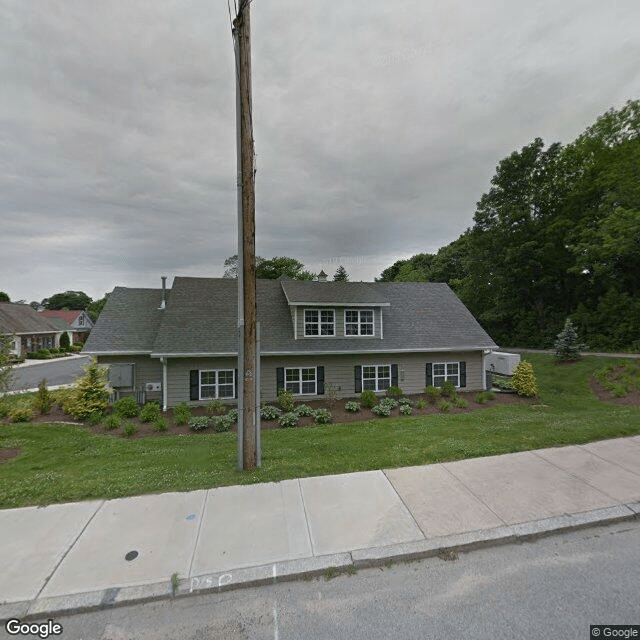
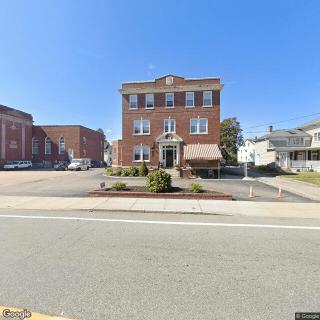
25 Chestnut Street, Westerly, RI 02891
To contact a resident: (401) 596-0134
For more information about senior living options: (866) 208-4318
Overall Review of Chestnut Cottage At The Elms
Pros
 The staff are very nice.
- The owner and the director are very informative.
- They are very engaged with the residents.
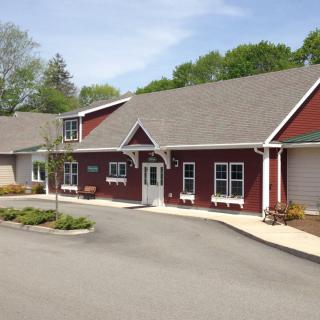
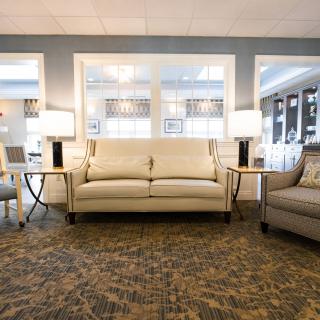
- The facility is cozy.
- They provide laundry service, daytime activities, meals, and snacks.
- They offer pet therapy and twice-weekly outings.
- The executive director is very knowledgeable and personable.
- The place is homey and very comfortable.
Cons
 There were very few private rooms available.
- Upfront fees, including a community fee and a security deposit, could require $15,000 to $20,000.
- The facility's age of about 12–13 years was noted as a drawback.
- The outdoor garden was very small.
- The sidewalks were narrow.
- Residents often needed a companion to accompany them outside.
- There was no neuropsychologist available at that time.
- Residents were required to bring their own furniture.
Review
Chestnut Cottage and Carriage House at The Elms in Westerly, RI is best suited for seniors who want a deliberately intimate, home-like setting where staff know residents by name, where visibility of residents is high, and where daily life centers on social engagement and familiar routines. This community works well for those who value easy access to administrators and frequent contact with caregivers, along with a cozy, nonclinical atmosphere. It is a good fit for families prioritizing pet therapy, regular outings, and structured activities in a compact footprint. It may not be the right fit for those who require guaranteed private rooms, a broad on-site medical team, or a facility with expansive grounds and many levels of care under one roof. For budget-conscious families, upfront entrance deposits are a real consideration and may steer choices elsewhere.
Pros are anchored in scale and warmth. The small footprint means residents are consistently visible, which fosters safety, reassurance, and a sense of belonging. The owner and executive director come across as knowledgeable and personable, and the staff are described as friendly and engaged, bingo sessions and other activities are part of everyday life, with residents actively participating. The offering includes laundry service, meals and snacks, daily activities, pet therapy, and regular outings, twice weekly visits and every other Saturday, creating a lively, predictable routine without the feel of a large, impersonal campus. Rooms are furnished in several arrangements, and the overall vibe remains homey, making visits feel like stepping into a familiar living space rather than a clinical setting.
On the flip side, the community carries meaningful constraints. Private rooms are scarce, so couples or individuals who prize their own space may face a semi-private arrangement or a wait for availability. Upfront costs are substantial: a community fee and a security deposit, which can total roughly $15,000 to $20,000, are nontrivial barriers for those with tighter budgets. Chestnut Cottage operates with other levels of care housed in the main house rather than within the cottage itself, adding a potential hurdle for transitions that require broader services. Outdoor spaces are modest, small garden areas and narrow sidewalks, so outdoor time requires companionship and careful navigation, not the free, solitary access touted by some larger campuses.
Care delivery and atmosphere help offset many of these drawbacks. The executive director’s hands-on, personable leadership translates into a trustworthy, resident-centered environment, reinforced by consistently pleasant and engaged staff. Activities are thoughtfully varied, including board games, arts and crafts, music, and field trips, allowing residents to express interests and maintain routines they enjoy. The absence of a on-site neuropsychologist is a notable gap for families seeking cognitive support, and the need to furnish rooms or select specific units can complicate moves. Still, the overall cleanliness and home-like ambiance keep the experience from feeling institutional, which matters for sustained quality of life.
From a practical standpoint, the decision hinges on alignment of expectations with budget and desired pace. The small, connected setting rewards families who can tolerate limited private space and higher upfront commitments, while seeking a highly individualized social calendar. Those requiring more immediate, extensive medical oversight, guaranteed private rooms, or on-site neuropsychological services may find the trade-offs too steep and should consider alternatives with broader clinical offerings or larger campuses. The age of the facility, 12 to 13 years, may also factor into expectations for maintenance and modernization over time.
Bottom line: Chestnut Cottage and Carriage House at The Elms serves a distinct niche within Westerly, the intimate, engaged community where residents are known, activities are steady, and staff provide hands-on care. It is a compelling option for seniors who prize familiarity, social connection, and a home-like environment, and who can tolerate some compromises on private space, upfront costs, and the current absence of on-site neuropsychological care. Families weighing alternatives should compare private-room availability, total upfront commitments, and the proximity of more expansive care services within the main house or other local facilities. When those considerations align with priorities and budget, Chestnut Cottage stands out as a practical, well-suited choice.
 21 resident community capacity
 Assisted Living
 Memory Care
 Skilled Nursing Facility
 Activities on-site
 Beautician on-site
 Cable or satellite TV
 Devotional services off-site
 Dining room
 Financing advice
 Fully furnished
 Garden
 Guest parking
 Housekeeping services
 Indoor common areas
 Kitchenette
 Laundry
 Move-in coordination
 Outdoor space
 Overnight guests
 Party space
 Restaurant-style dining
 Small library
 Telephone
 Wi-Fi/high-speed internet available
 Transportation & parking
 24-hour call system
 Ambulatory care
 Assistance with bathing
 Assistance with dressing
 Assistance with transfers
 Diabetes diet
 Hospice care
 Medication management
 Mental wellness program
 Physical therapy
 Psychiatric care
 Special dietary restrictions
 Arts and crafts
 Book club
 Cooking club
 Educational speakers / life long learning
 Fitness programs
 Games
Games Live musical performances
 Tai Chi
 Wii bowling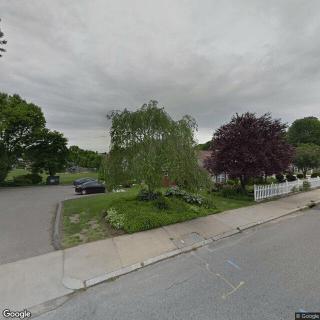



 22 Remarkable Caregiver Support Groups Available Online and In-Person
 Understanding Medicaid Coverage for Assisted Living: A Comprehensive Guide
 How and When Medicaid May Cover Assisted Living Costs