
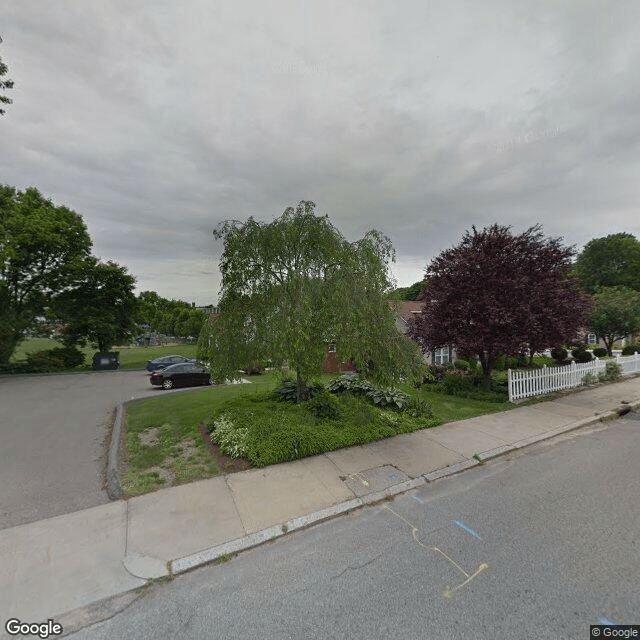
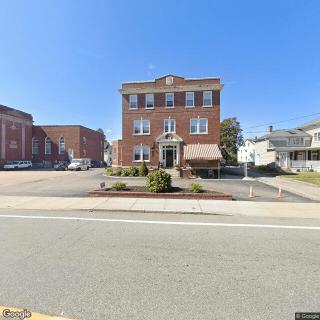
29 Chestnut St., Westerly, RI 02891
To contact a resident: (401) 596-8010
For more information about senior living options: (866) 208-4318
Overall Review of Carriage House at the Elms
Pros
 The staff are friendly and caring.
- They have bent over backwards to accommodate residents' requests.
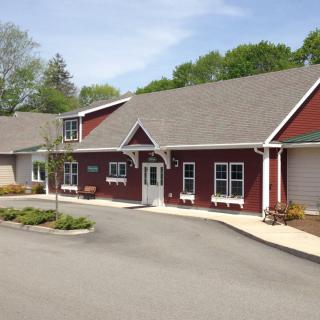
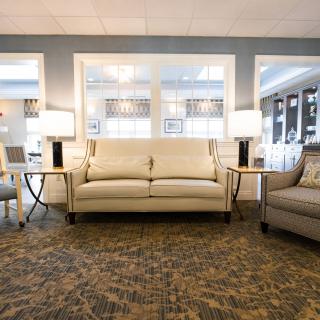
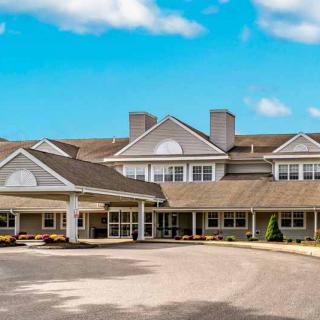
- The facility is well thought out and feels like a resort.
- There is entertainment, a wonderful restaurant with local, fresh fish, and beautiful common spaces.
- The Carriage House provides comfortable, supportive accommodations for residents who need more help.
- The Elms is wonderful.
- The Elms is superlative in every respect.
Review
This community in Westerly, RI, is best suited for seniors who want a vibrant, amenity-rich living environment where care can scale up without uprooting the resident. The Carriage House at the Elms delivers a resort-like feel that supports both daily enjoyment and dependable support when needed. Staff are consistently described as friendly and accommodating, willing to tailor services to individual preferences and requests. The design rewards social engagement with entertaining programming and a restaurant that emphasizes fresh, local offerings, plus beautifully curated common spaces. For a loved one who thrives on connection, tasteful surroundings, and a clear path to increased assistance on the same campus, this setting offers a compelling, well-considered fit.
Those weighing alternatives should consider budget-sensitive or more clinically focused options. The reviews lean heavily positive, but there is at least one lower rating that hints at potential gaps. For families prioritizing affordability, no-frills environments, or rehab-oriented configurations with a heavier medical emphasis, other communities may better align with expectations. In short, this is a choice that rewards investment in care and lifestyle on offer, but not every family will want, or can justify, the premium attached to the resort-style ambience and enhanced services.
The strongest advantages are concrete and highly relevant to decision-makers. The staff’s warmth and willingness to accommodate unusual requests translate into meaningful daily relief and assurance. The resort-like atmosphere, carefully designed common areas, lively programming, and a high-quality dining experience with fresh seafood, adds tangible quality of life that often justifies higher monthly costs for families seeking that extra layer of comfort. Lively social opportunities and accessible spaces reduce isolation and promote ongoing engagement, which is especially valuable for longer-term stays. The Carriage House’s extended level of care becomes a defined asset, allowing escalation of support without a move to a separate campus.
A standout feature is the transition pathway to the Carriage House. When a loved one requires more support, the move within the same campus is described as comfortable and reassuring, not disruptive. This continuity matters: families avoid the upheaval of a new environment, and residents retain familiar routines, staff, and nearby social networks. The ability to receive increased supervision and care while staying in a trusted setting addresses a core concern about aging in place, peace of mind for families and dignity for residents.
Lifestyle considerations are real, and some buyers will want a more straightforward cadence than a resort-like cadence. The upscale vibe can feel like a mismatch for those who favor a more plain or clinical environment, or for families that expect a tighter focus on rehabilitation services and medical management rather than social programming and dining experiences. Prospective residents should verify the scope of medical oversight, medication coordination, therapy availability, and the pace of nurse coverage. It’s equally important to confirm dietary accommodations, activity interests, and the practicality of the menu in relation to personal preferences and health needs.
Bottom line: Carriage House at the Elms excels for families seeking warmth, attentiveness, and a scalable care model within a community that emphasizes social vitality and quality dining. It delivers clear advantages in staff responsiveness, comfort, and continuity of care, with a compelling option to elevate support on-site rather than uproot to a different facility. Yet the reality remains that some families will chase a more economical or a more clinically oriented setting, so considering alternatives is prudent. The recommended next steps are straightforward: schedule a tour, probe the Carriage House level of care in detail, review inclusions and potential add-ons, and speak with current residents and families to confirm alignment with care expectations, lifestyle goals, and practical budgeting.
 21 resident community capacity
 Assisted Living
 Memory Care
 Beauty salon
 Cable or satellite TV
 Dining room
 Fully furnished
 Garden
 Housekeeping services
 Kitchenette
 Move-in coordination
 Outdoor space
 Telephone
 Wi-Fi/high-speed internet available
 24-hour call system
 Activities of daily living assistance
 Assistance with bathing
 Assistance with dressing
 Assistance with transfers
 Diabetes diet
 Meal preparation and service
 Medication management
 Mental wellness program
 Special dietary restrictions
 Transportation arrangement (medical)
 Transportation to doctors appointments



 Medications Associated with Dementia Risk: A Comprehensive Overview
 Guiding Your Journey: Understanding Power of Attorney for Elderly Parents
 22 Remarkable Caregiver Support Groups Available Online and In-Person