23 Clara Drive, Mystic, CT 06355
To contact a resident: (888) 502-8859
For more information about senior living options: (866) 208-4318
Masonicare at Mystic Costs & Pricing
Masonicare at Mystic offers competitive pricing for its residents, particularly when compared to the broader costs in New London County and the state of Connecticut. For instance, a studio apartment is priced at $2,100 per month, significantly more affordable than the county average of $12,712 and well below the state average of $5,919. Similarly, a one-bedroom unit costs $2,600, which remains lower than both New London County's average of $11,336 and Connecticut's average of $6,383. However, for those seeking more space, the two-bedroom option stands at $4,800 per month - higher than New London County's average of $3,779 but still within reach compared to Connecticut's statewide average of $5,070. Overall, Masonicare at Mystic provides appealing options that balance affordability with quality care in a desirable location.
| Floor plans | Masonicare at Mystic | New London County | Connecticut |
|---|---|---|---|
| Studio | $2,100 | $12,712 | $5,919 |
| 1 Bedroom | $2,600 | $11,336 | $6,383 |
| 2 Bedrooms | $4,800 | $3,779 | $5,070 |
Overall Review of Masonicare at Mystic
Pros
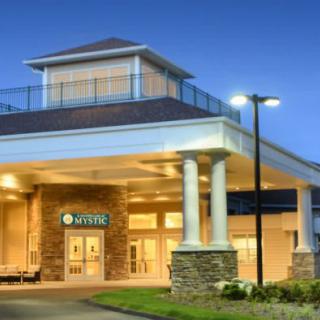
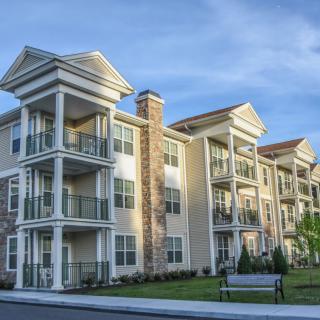
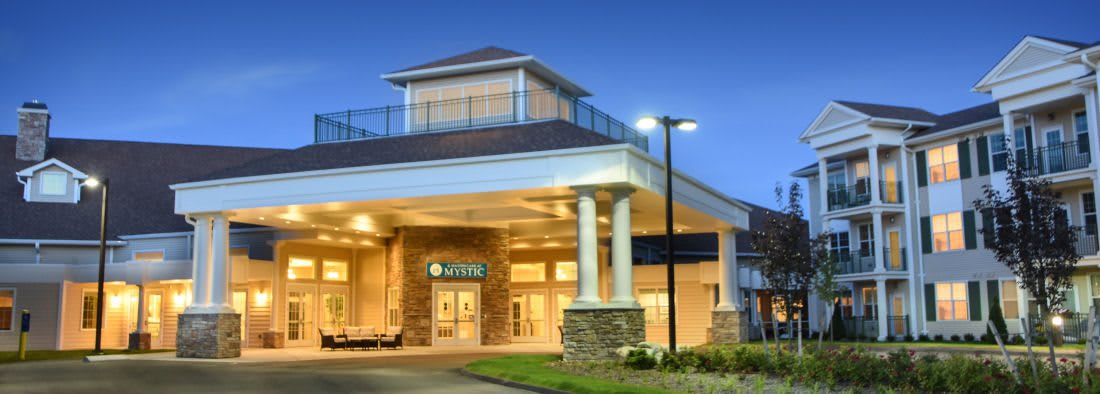
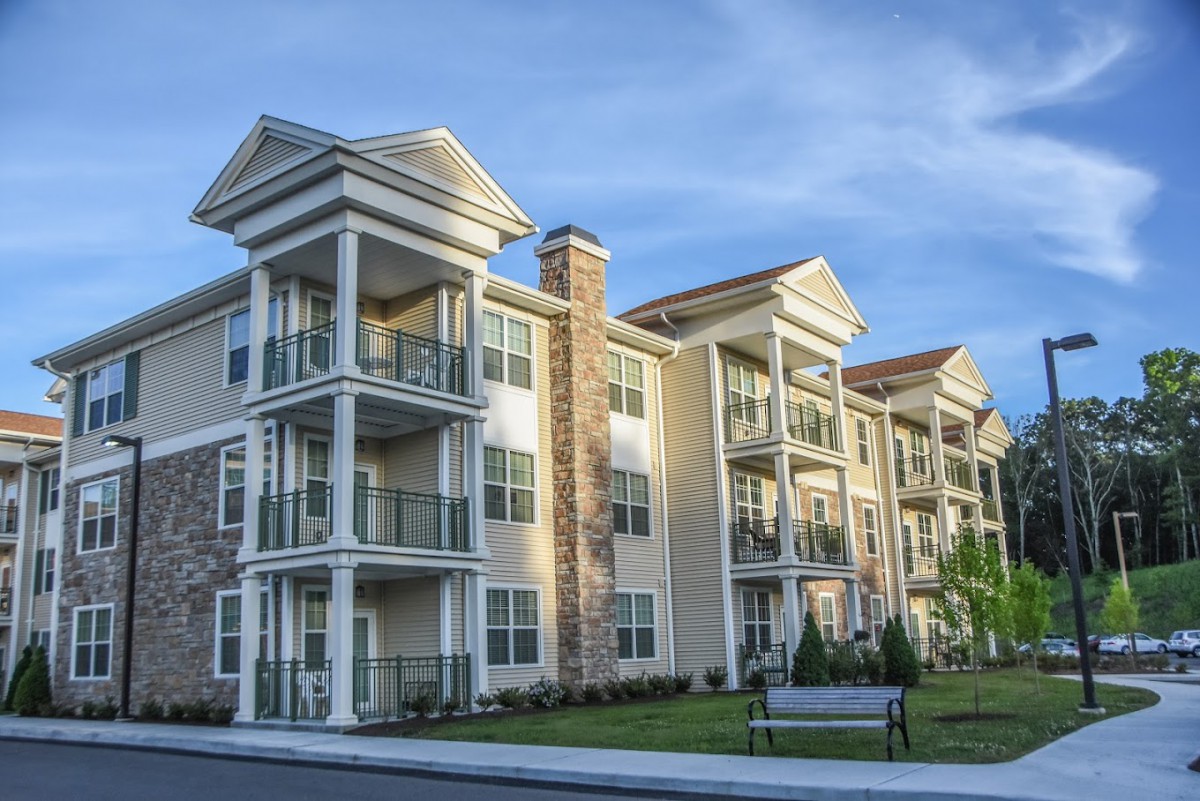
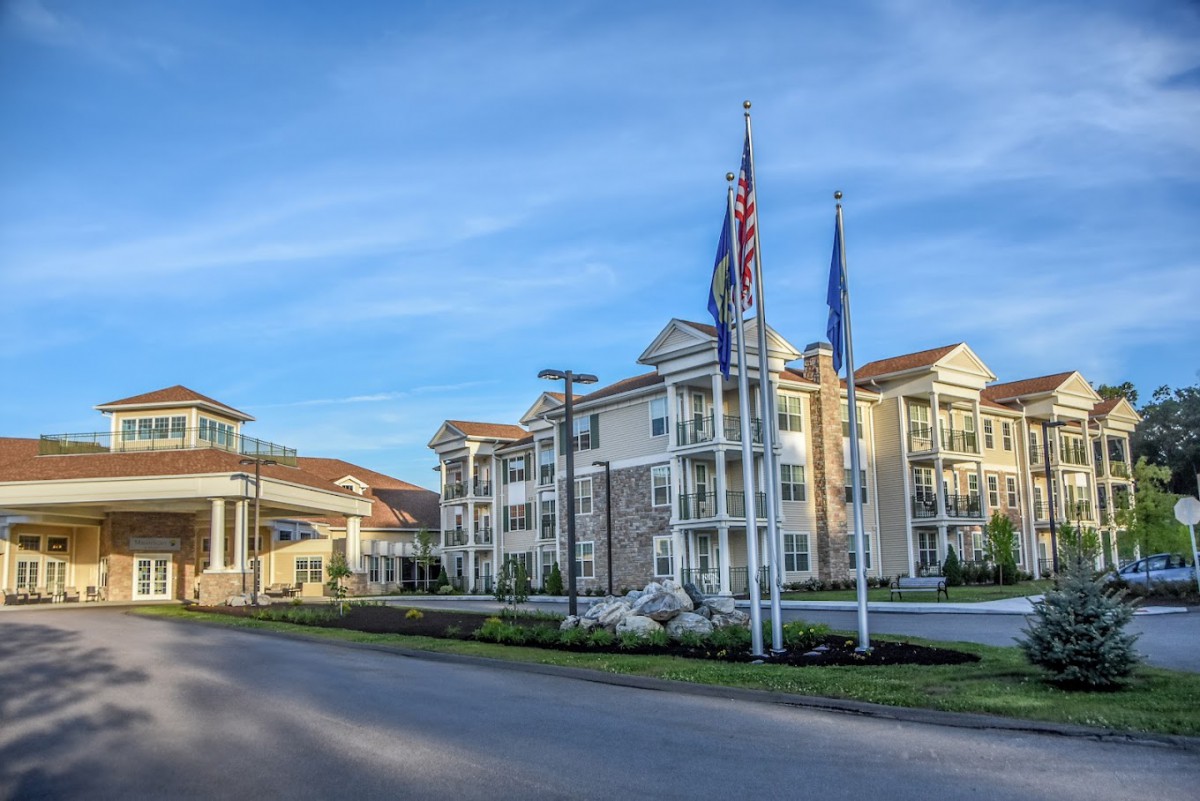
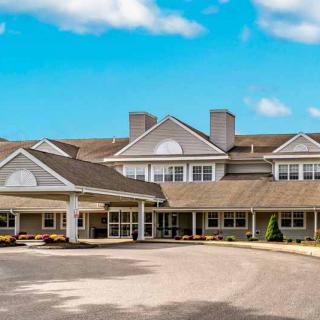
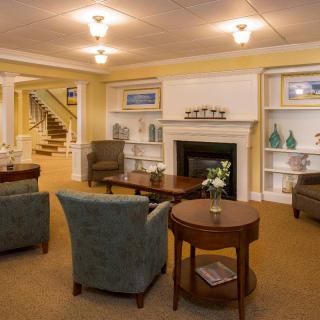
 Masonicare at Mystic is described as a very nice-sized facility with appealing decor.
- The receptionists, transportation team, and dining staff are very nice and helpful.
- The staff are kind, patient, and go above and beyond to care for residents.
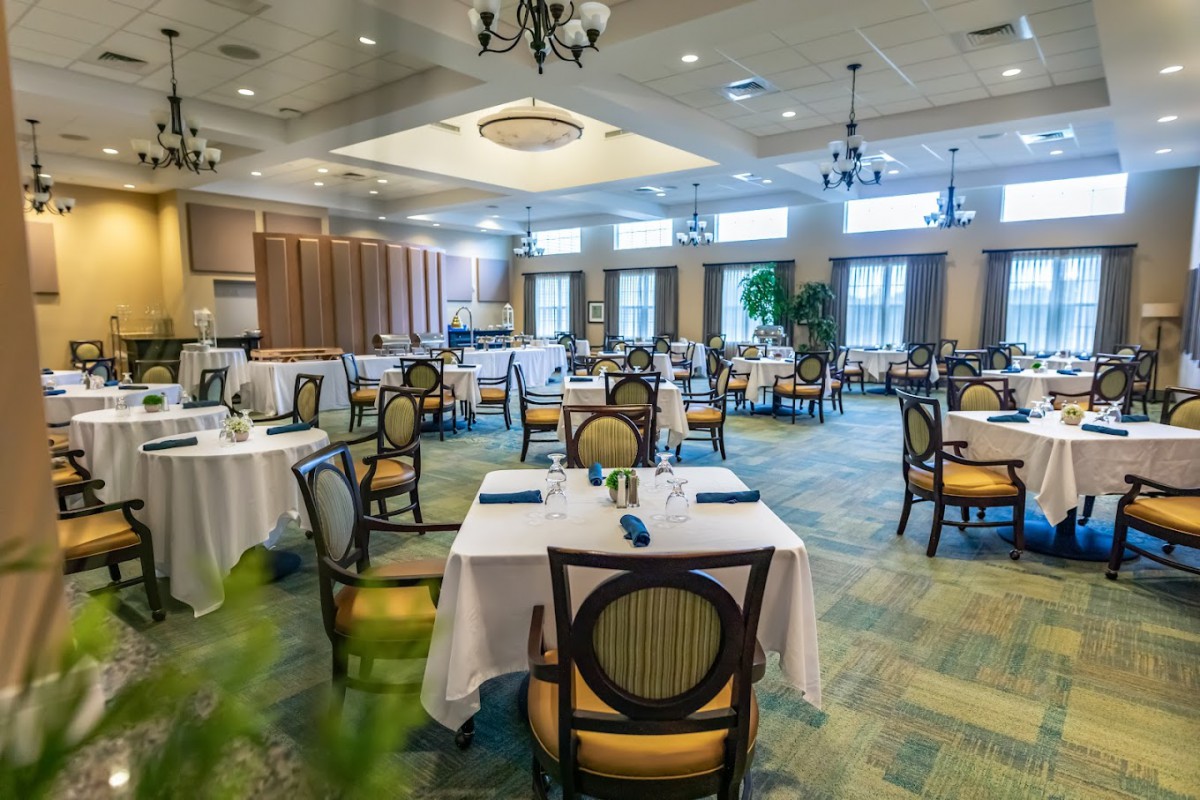
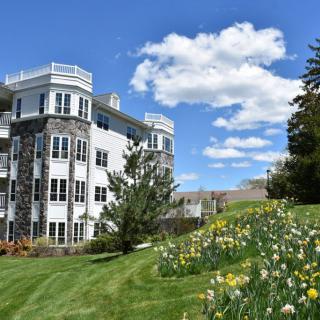
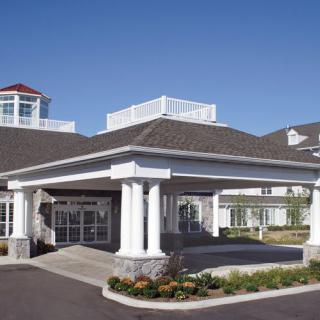
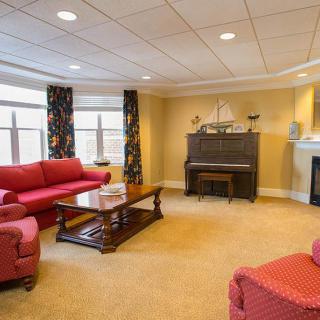
- The facilities are beautiful, clean, and well-maintained with spacious units and modern amenities.
- Families feel that residents are safe and well cared for at Masonicare.
- Reviewers describe Masonicare as a blessing and a Godsend for their loved ones.
- There are plenty of activities and a pleasant environment with well-kept grounds.
Cons
 The Executive Director is rude and a bully.
- The facility is short-staffed and experiences high staff turnover.
- The CNAs caring for the resident come and go, preventing consistent caregiving.
- The management team is awful at returning calls and emails, with multi-day delays.
- The Executive Director found the resident outside in a wheelchair, not responding to her name.
- Staff told family she was unresponsive for 20 minutes before the ER arrived, and they were told to wait.
- The resident was often found in a soiled bed, with 30-minute delays to be changed or to use the bathroom.
- Dining hall staff kissed clients on the head, which was described as unprofessional and unethical.
- The reviewer would not bring their parents there because the staff were inappropriate.
- The facility was not equipped to administer insulin shots to the resident.
- The facility engaged in false advertising, claiming Memory Care when it was not Memory Care.
Review
Masonicare at Mystic is best suited for families seeking an aesthetically pleasing, comfortable assisted-living environment where day-to-day routines and front-line care feel approachable and humane. The community shines for relatives who prize a well-maintained building, pleasant dining and transportation staff, and a sense of safety in a moderately sized campus. The decor, cleanliness, and common areas contribute to a smooth transition for a loved one moving from home or another senior setting. For residents whose primary need is companionship, predictable daily tasks, and moderate assistance, this campus can deliver reassurance and a decent quality of life. What it is not is a guaranteed fit for those requiring consistent, highly supervised care, rapid medical escalation, or a true memory-care program that supports advanced cognitive impairment.
Those weighing options should plainly consider where memory support and medical coordination fit into the plan. Several reviews flag memory-care capability as insufficient or misrepresented, which matters deeply for loved ones with dementia or Alzheimer’s. Insulin administration and other tightly supervised medical tasks reportedly fall outside on-site capabilities, and that gap can destabilize a resident who depends on precise, timely interventions. The most consequential red flag is inconsistent leadership communication paired with staffing churn, which translates into irregular caregiver assignments and delayed responses. Families prioritizing rigorous clinical oversight, reliable call-backs, and a clearly defined memory-care pathway should actively explore communities that provide dedicated memory-care units, nurse-led coordination, and transparent medical protocols.
On the positive side, the facility’s size and ambience support independence and comfortable transitions. The campus feels welcoming, with a layout that discourages the sense of confinement. Front-line teams, the receptionists, transportation crew, and dining staff, are repeatedly praised for kindness and attentiveness, creating meaningful moments of reassurance during visits. Cleanliness and upkeep are consistently noted, along with access to engaging activities and well-maintained outdoor areas. These strengths can translate into steadier days for residents who do not require specialized medical interventions, and for families who want to feel confident about daily operations and resident morale.
Yet the downsides are substantive and recurring enough to shape a prudent decision. Leadership issues surface as a persistent concern: allegations of an Executive Director who is rude or bullying, and a broader pattern of slow or unreliable communication from management. Short staffing and high turnover contribute to inconsistent CNAs, which undermines continuity of care and trust with a resident’s daily caregiver. There are explicit accounts of delayed assistance for basic needs, and a troubling incident involving a non-responsive resident that raises real safety concerns about how emergencies are recognized and acted upon. Separate complaints about professional boundaries in dining and a perception that memory-care promises do not align with the services offered further complicate the calculus for families with heightened expectations.
The tension between attractive amenities and shaky operational reliability means the pros only partially offset the cons for most potential residents. The pleasant environment and friendly front-line staff create a favorable first impression and can sustain resident morale on good days. However, stability in caregiving and prompt clinical response are foundational in assisted living, and those elements appear inconsistent here. Memory-care questions loom large: if cognitive impairment progresses, the absence of a verifiably robust memory-care program and trained dementia staff becomes a decisive limitation. Families must weigh whether the comfort of the physical setting and the warmth of some staff can compensate for the risk of uneven care, delayed emergency activation, and unclear accountability from leadership.
For families navigating a choice, the path forward should be methodical. Schedule a candid, content-focused tour with time to observe actual caregiving dynamics, not just common areas. Ask for the current caregiver-to-resident ratios on each shift and request introductions to several CNAs who routinely care for the same residents. Probe the memory-care claim directly: verify the presence of a certified memory-care program, the scope of services included, staff training, and how residents transition to higher levels of care if needed. Request recent incident logs and a transparent outline of escalation procedures, response times, and accountability. Compare with local peers that provide validated memory-support structures, stronger governance, and documented staffing stability. If the loved one mainly needs companionship and routine assistance, Masonicare at Mystic can work as a bridge, so long as these expectations are managed and oversight remains explicit; otherwise, prioritize a community with proven memory-care capacity and more consistent leadership.
 Assisted Living
 Independent Living
 Memory Care
 Activities on-site
 Devotional services off-site
 Indoor common areas
 Ambulatory care
 Diabetic care
 Meals provided



 Dementia Behaviors: In-Depth Understanding and Effective Coping Strategies
 5 Early Indicators of Dementia and What You Can Do
 8 Important Indicators That Memory Care May Be Necessary