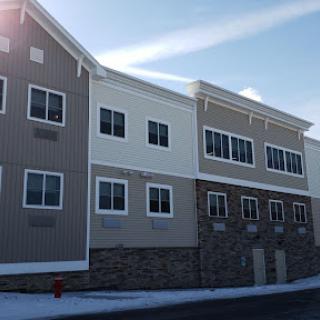
Overall Review of Linwood Nursing and Rehabilitation Center
common37 reviews mention this
Staff care and responsiveness stand out
Residents and families consistently describe staff who are attentive and compassionate.
Across the reviews, families repeatedly mention nurses, CNA/aides, therapists, and administrative staff as kind, caring, and responsive. Several reviewers also credit specific staff members with helpful updates and support during admissions, discharge, and day-to-day care. A smaller set of reviews is much more critical of care quality and staffing at times, but even those reviews still discuss staff presence and communication as a key part of the experience.
common9 reviews mention this
Clean facility is a frequent point
Many reviewers say the building is kept very clean.
Multiple reviews describe the facility as spotless, clean, and well maintained, including rooms and common areas. A few reviewers tie that cleanliness to how comfortable and safe they felt during rehab or longer stays. On the negative side, at least one reviewer raises concerns about odors and bathing needs, which stands out from the otherwise consistent cleanliness feedback.
differentiator15 reviews mention this
Therapy helps people regain function
Physical and occupational therapy reviews often point to real progress.
Many residents and family members describe strong rehab outcomes, like improving mobility, walking more, and getting back on their feet after falls or illnesses. A number of reviewers highlight that the therapy team encouraged them and helped them build strength during short-term rehab. There are also critical reviews that report therapy falling short in areas like shower access or the quality of PT/OT, so the experience is not universally described the same way.
common10 reviews mention this
Activities reduce isolation during rehab
Reviews frequently mention activities that keep residents engaged.
Several reviewers describe an activities program with scheduled daily events, music, visits from pets, and group engagement that helped residents feel less alone. Families also mention support for staying connected during restrictions, including video chats and coordinated outreach. A negative review set appears to focus more on medical and care issues than activities, but the most consistent “day-to-day” praise centers on engagement through activities.
caveat9 reviews mention this
Food quality is mixed
Food reviews are divided, with several complaints about temperature and quality.
Some reviewers praise meals and nutrition, describing food as good, timely, warm, and served in a dining room where it stays at a comfortable temperature. Others report serious problems, including food that is consistently cold and described as poor quality or unappetizing. Taken together, the feedback suggests dining quality may vary enough for residents and families to feel it clearly during their stay.
How we summarize
Counts show how many written reviews mention each theme; a review can touch several themes, and only frequently mentioned themes are displayed.
Features
Housing
21 resident community capacity
Types of Care
Skilled Nursing Facility
Amenities
Beauty salon
Cable or satellite TV
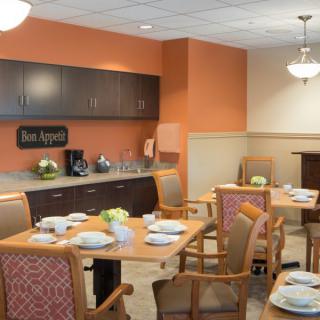
Dining room
Fully furnished
Garden
Housekeeping services
Kitchenette
Move-in coordination
Outdoor space
Respite or short term stays offered
Telephone
Wi-Fi/high-speed internet available
Transportation
Wilkes-Barre Scranton International (6 miles away)
Care Services
24-hour call system
24-hour supervision
Activities of daily living assistance
Assistance with bathing
Assistance with dressing
Assistance with transfers
Coordination with health care providers
Diabetes diet
Meal preparation and service
Medication management
Mental wellness program
Special dietary restrictions
Transportation arrangement (medical)
Transportation to doctors appointments
Dining
Diabetes diet
Special dietary restrictions
Activities
Community-sponsored activities
Scheduled daily activities
Nearby Places of Interest
Hospitals
Linwood Nursing Rehab Center (0.2 miles)
Geisinger Community Medical Center (0.6 miles)
Geisinger System Services (0.8 miles)
Moses Taylor Hospital (1.4 miles)
Regional Hospital of Scranton (1.6 miles)
Spirit of Mercy Skilled Nursing & Rehabilitation (1.6 miles)
Regional Hospital Surgery Center (1.6 miles)
Pharmacies
CVS Pharmacy (0.5 miles)
Omnicare Pharmacy (0.7 miles)
Rite Aid (1.6 miles)
Medicine Shoppe (1.8 miles)
CVS Pharmacy (1.8 miles)
Rite Aid (2 miles)
Rite Aid (2.4 miles)
Restaurants
Manning Farm Dairy (0.5 miles)
Trax (1.4 miles)
Osaka Restaurant (1.5 miles)
Bartari (1.5 miles)
Sharon's Place (1.6 miles)
Bar Pazzo (1.6 miles)
Cooper's Seafood House (1.7 miles)
Physicians
Mulberry Medical Center (0.9 miles)
Lackawanna Medical Group (1.4 miles)
Albert A. Hazzouri, Jr (1.5 miles)
Commonwealth Health Advanced Imaging Specialists (1.5 miles)
Sleep Disorder Center (1.5 miles)
Dr Cali (1.5 miles)
W David Fitzpatrick, MD, FACC (1.6 miles)
Cafes
Mansour's Grocery & Coffee (1.3 miles)
Carmen's At The Radisson Lackawanna Station (1.4 miles)
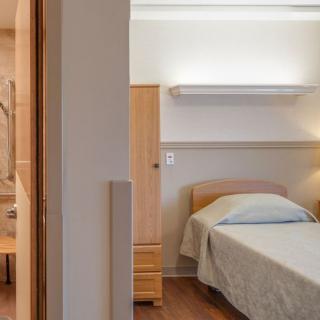
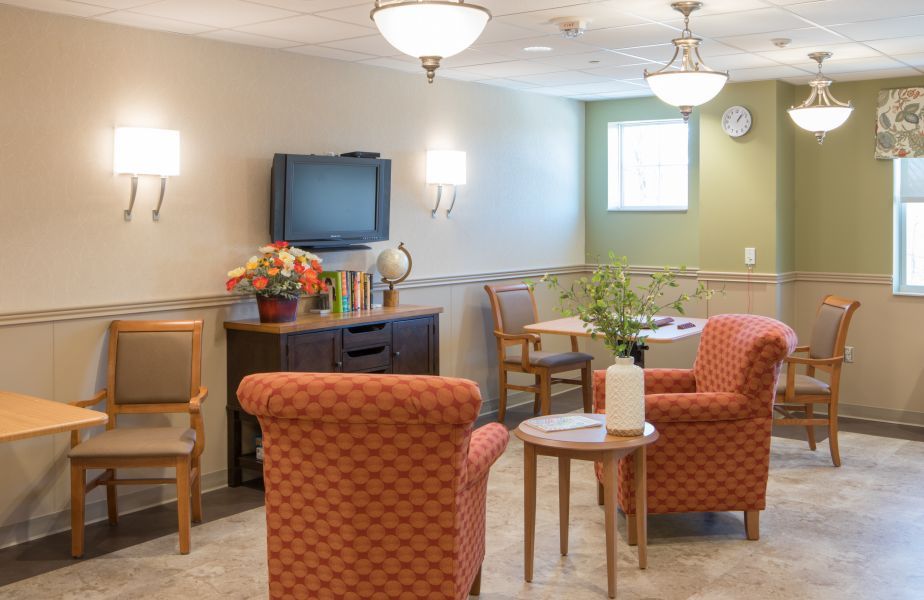
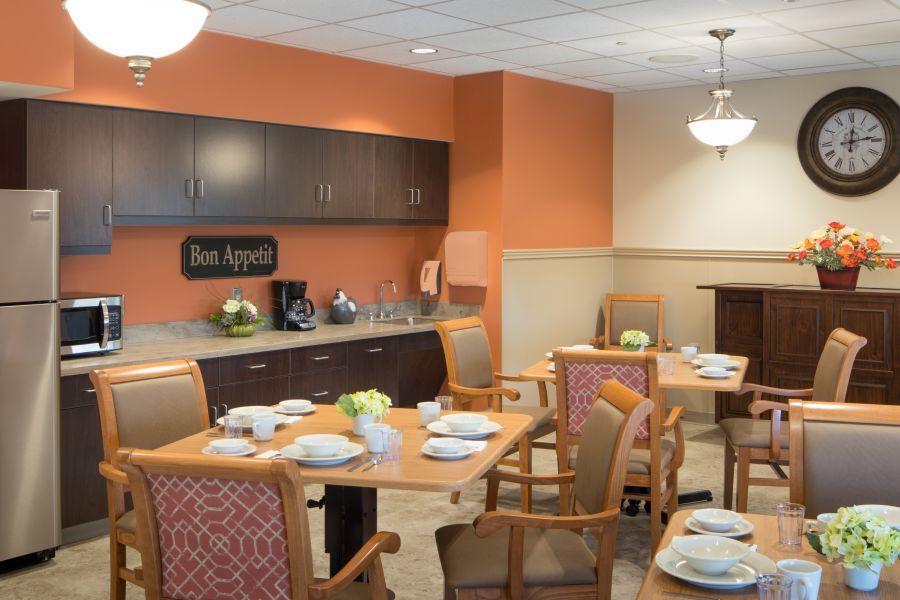
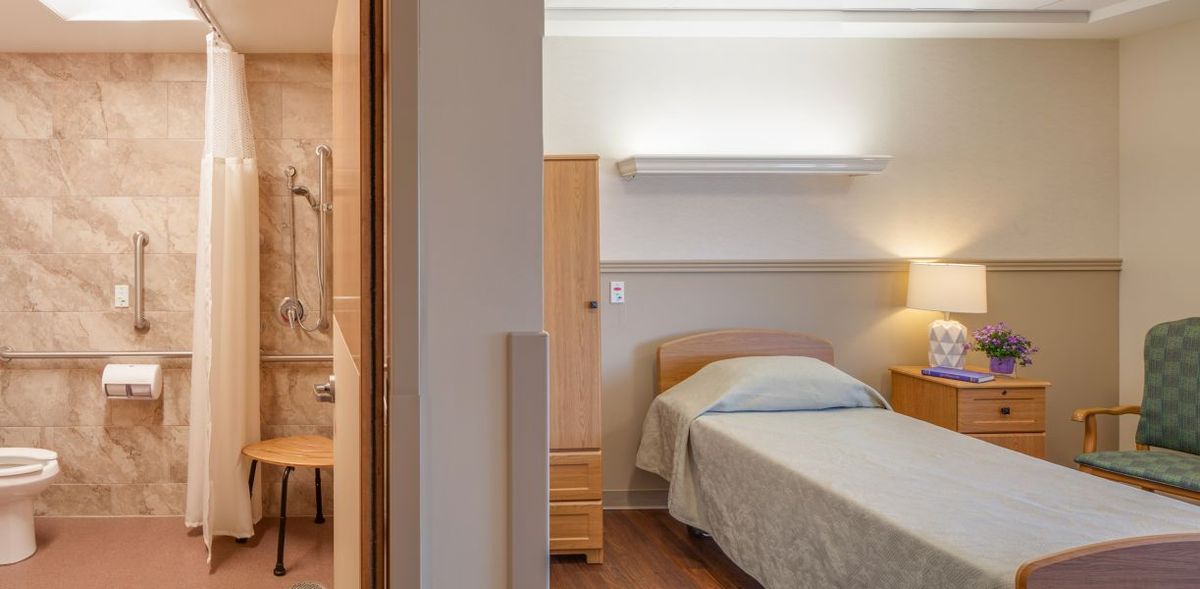
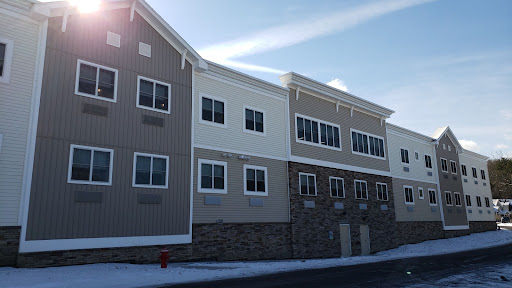
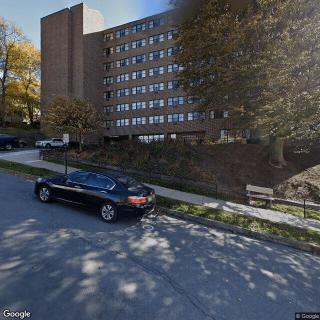
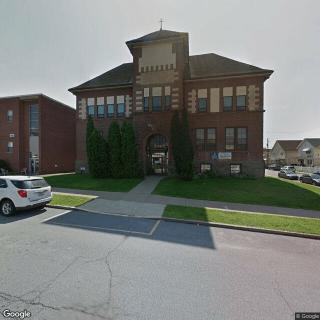
Linwood Nursing and Rehabilitation Center on seniors.fyi includes 4 photos including images showing interior, bedroom, building, architecture, exterior, living room, television, dining, and more.
Nearby Communities
Lutherwood
Scranton, PA
4.3 from 9 reviews
Excellent access to cafes, parks, pharmacies, physicians, and hospitals nearby.
Harrison House
Scranton, PA
2 from 3 reviews
Clean, well-kept facility with engaging activities and helpful staff.
Webster Towers
Scranton, PA
4.1 from 9 reviews
Comprehensive amenities and care options (assisted living, diabetic care, on-site activities).
Jewish Home Of Eastern Pennsylvania
Scranton, PA
4.4 from 22 reviews
Beautiful, home-like environment with compassionate staff and strong dementia care.
Goodwill Neighborhood Residences
Scranton, PA
5 from 1 review
$567 / month
Very affordable independent living with abundant nearby amenities.
Dunmore Health Care Center
Dunmore, PA
3.8 from 68 reviews
Caring, attentive staff in a clean, engaging setting.
Gardens At Scranton
Scranton, PA
3.4 from 45 reviews
$5,743 / month
Extensive on-site amenities and 24/7 care support.
Angel S Family Manor Personal Care Home
Scranton, PA
2 from 11 reviews
$4,200 / month
Private rooms and ample amenities support socialization and comfort.
Serenity Care Old Forge
Old Forge, PA
4.5 from 20 reviews
$2,450 to $3,150 / month
Friendly, attentive staff and quality dining in a warm, home-like setting.
Dogs can greatly improve the lives of older adults by offering emotional support and encouraging physical activity, with factors such as size, temperament, and grooming needs being crucial in selecting a suitable breed. Senior dogs often make ideal companions for this demographic, promoting social connections and requiring care routines that align with seniors' capabilities.
The guide on blood pressure charts for older adults stresses the importance of understanding normal and high blood pressure readings influenced by age, genetics, and lifestyle, while emphasizing regular monitoring and lifestyle modifications to prevent serious health issues. It provides insights into blood pressure categories, dietary recommendations, medication considerations, and the role of caregivers in supporting healthy habits.
The article explores the complexities of using Social Security to finance long-term nursing home care in the U.S., detailing eligibility requirements and misconceptions, while emphasizing that these benefits often do not cover full costs and highlighting the need for strategic financial planning and professional guidance.
Get PricingAsk A QuestionSchedule A TourContact Senior Advisor
By clicking submit, you agree to our Partner's Terms of Use. You
also consent to receive calls and texts, which may be autodialed, from our Partner. Your consent is not a condition to
using our Partner's service. Please visit our Partner's Privacy Policy for information about their privacy practices.

 21 resident community capacity
 Skilled Nursing Facility
 Beauty salon
 Cable or satellite TV
 Dining room
 Fully furnished
 Garden
 Housekeeping services
 Kitchenette
 Move-in coordination
 Outdoor space
 Respite or short term stays offered
 Telephone
 Wi-Fi/high-speed internet available
 Wilkes-Barre Scranton International (6 miles away)
 24-hour call system
 Activities of daily living assistance
 Assistance with bathing
 Assistance with dressing
 Assistance with transfers
 Diabetes diet
 Meal preparation and service
 Medication management
 Mental wellness program
 Special dietary restrictions
 Transportation arrangement (medical)
 Transportation to doctors appointments
 Excellent access to cafes, parks, pharmacies, physicians, and hospitals nearby.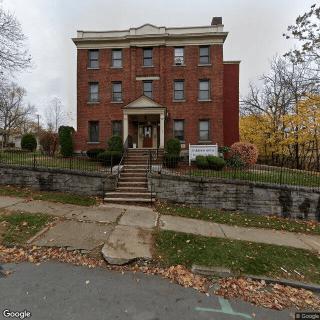





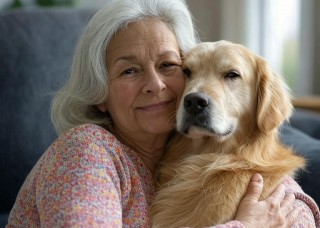 Top Canine Companions for Older Adults
 Comprehensive Guide to Blood Pressure Charts for Older Adults: Understanding Normal and High Readings by Age
 Financing Long-Term Nursing Home Care Through Social Security: A Thorough Exploration