For more information about senior living options: (866) 208-4318
3.8 from 68 reviews
5 stars
40
4 stars
9
3 stars
2
2 stars
2
1 stars
15
Overall Review of Dunmore Health Care Center
common10 reviews mention this
Clean, with few odor complaints
Residents and families repeatedly describe the building as very clean and well kept.
Multiple reviews highlight cleanliness right away, including comments about no foul odors and a “smelled clean” feel during visits. Several also mention ongoing cleaning throughout the day. Even some mixed reviews still describe the facility as clean, though a few critical comments raise concerns about dirt in specific rooms.
common22 reviews mention this
Staff care and responsiveness
Reviews consistently describe staff as kind, helpful, and attentive to residents’ needs.
A large share of reviews praise staff for respectful, caring interactions—especially nurses aides, nurses, therapists, and activities staff. Families also mention getting timely updates when they ask questions and being made to feel welcome as visitors. That said, a smaller number of reviews express frustration with staffing levels or business-office communication, including difficulty getting phone calls answered or concerns about billing.
common13 reviews mention this
Rehab therapy support
Many reviews credit physical and occupational therapy with steady progress during rehab stays.
Several residents and families describe strong rehab experiences, including therapists being careful, understanding, and pushing patients to do a bit more than they thought they could. Reviews also mention therapy helping people regain mobility after surgery or injury and improving the ability to return home. A few reviews are less positive about therapy follow-through or coordination, describing missed sessions or limited progress compared with expectations.
common10 reviews mention this
Activities keep residents engaged
Residents describe a busy activities calendar that helps pass the day.
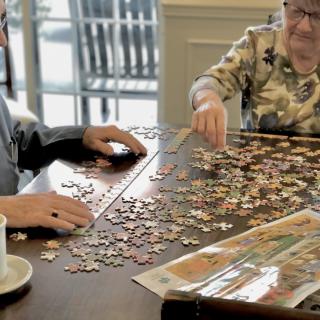
Reviews commonly mention residents being kept active, from bingo and crafts to gardening and planned day-to-day programming. Families also describe activities as a way the community supports routine and social engagement, with some residents looking forward to what they participate in. A small number of critical reviews still discuss care issues, but the overall pattern is that activities are a frequent bright spot.
common7 reviews mention this
Dining is generally well received
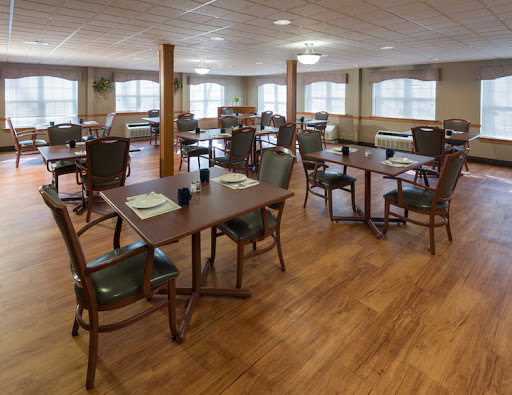
Meals and dining are frequently described as good, with some mentioning restaurant-style dining.
Several reviews call out food as delicious, good, or satisfying, and some mention having meals delivered and snacks included. A few also describe dining-room service and bread as part of their overall impression. While most comments are positive, one review specifically says the food menu wasn’t very good.
caveat5 reviews mention this
Billing and staffing concerns appear
Some reviewers raise concerns about staffing levels and business-office communication.
A handful of reviews mention understaffing, such as needing more aides, and describe delays in getting help after pressing call buttons. Other critical comments focus on business-office and social-services communication, including billing-related confusion and not being able to reach staff. These complaints stand out against the many positive care and cleanliness descriptions, so it’s worth asking how communication and coverage decisions are handled for your situation.
How we summarize
Counts show how many written reviews mention each theme; a review can touch several themes, and only frequently mentioned themes are displayed.
Features
Housing
92 resident community capacity
Types of Care
Skilled Nursing Facility
Amenities
Air-conditioning
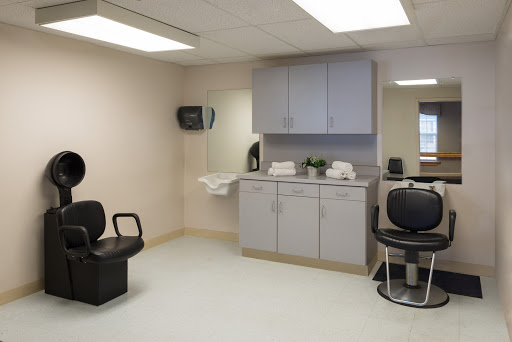
Beauty salon
Cable or satellite TV
Computer center
Dining room
Fitness room
Fully furnished
Gaming room
Garden
Housekeeping services
Kitchenette
Move-in coordination
Outdoor space
Private bathrooms
Restaurant-style dining
Small library
Telephone
Wellness center
Wi-Fi/high-speed internet available
Transportation
Wilkes-Barre Scranton International (7 miles away)
Community operated transportation
Transportation arrangement
Transportation arrangement (non-medical)
Transportation to doctors appointments
Care Services
12-16 hour nursing
24-hour call system
24-hour supervision
Activities of daily living assistance
Assistance with bathing
Assistance with dressing
Assistance with transfers
Diabetes diet
Meal preparation and service
Medication management
Mental wellness program
Special dietary restrictions
Dining
Diabetes diet
Special dietary restrictions
Activities
Community-sponsored activities
Concierge services
Fitness programs
Planned day trips
Resident-run activities
Scheduled daily activities
Nearby Places of Interest
Physicians
Commonwealth Health Advanced Imaging Specialists (0.2 miles)
Sleep Disorder Center (0.2 miles)
Dr Cali (0.2 miles)
Northeast Radiation Oncology (0.3 miles)
Professional Neurological (0.8 miles)
Hematology and Oncology Associates of NEPA (0.8 miles)
Mulberry Medical Center (1.2 miles)
Pharmacies
CVS Pharmacy (0.7 miles)
Rite Aid (0.8 miles)
CVS Pharmacy (1.4 miles)
Omnicare Pharmacy (1.7 miles)
Rite Aid (1.9 miles)
CVS Pharmacy (2.3 miles)
Rite Aid (2.5 miles)
Cafes
Mansour's Grocery & Coffee (0.7 miles)
Zummo's Cafe (1.6 miles)
Carmen's At The Radisson Lackawanna Station (1.8 miles)
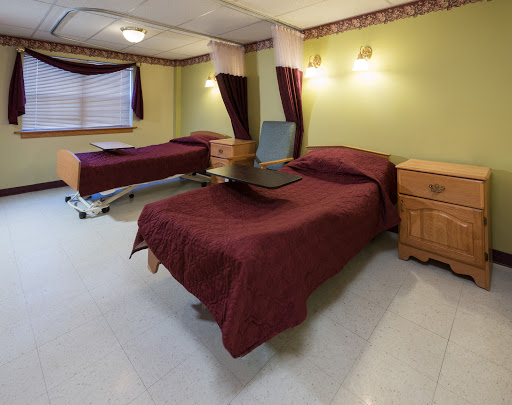
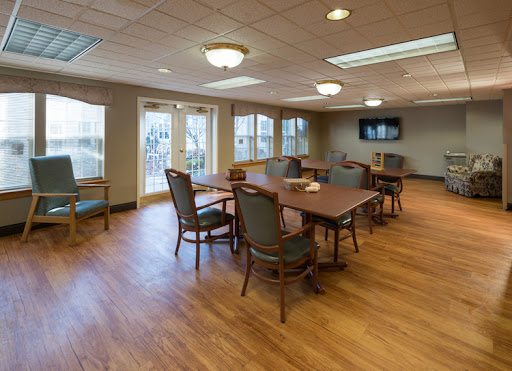
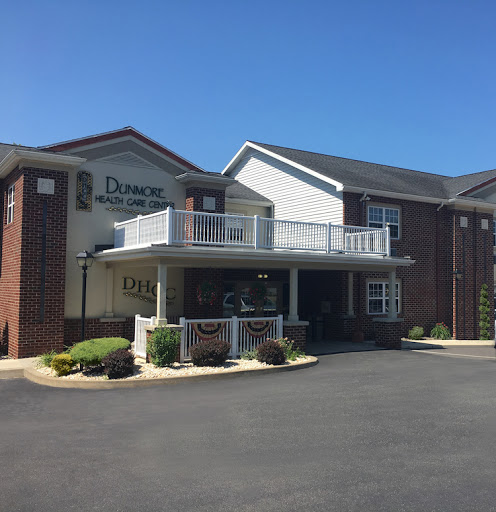
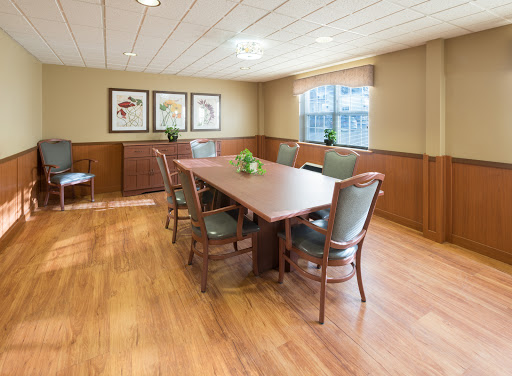
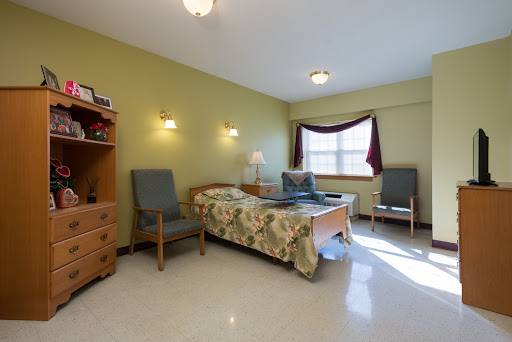
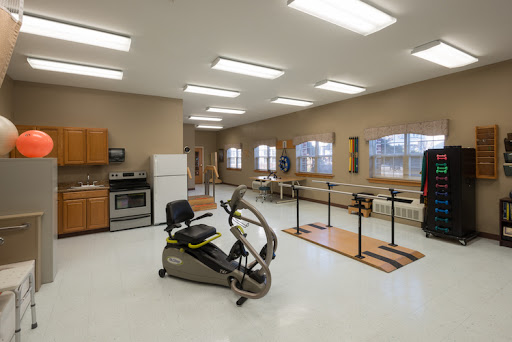
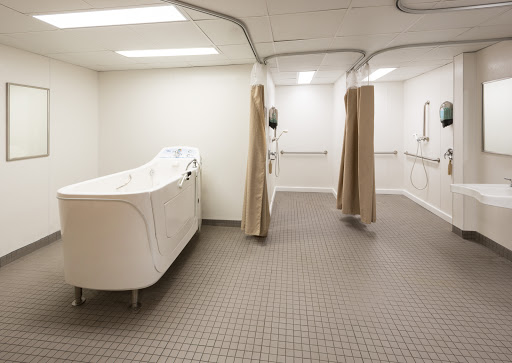
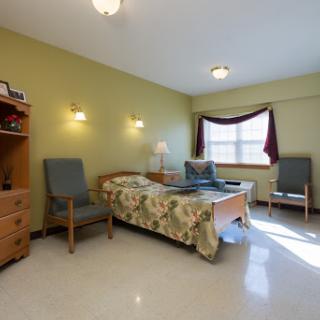
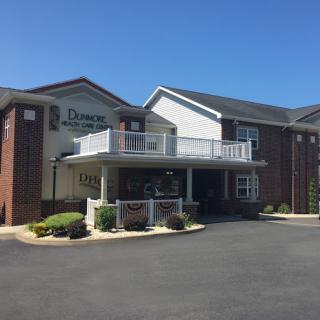
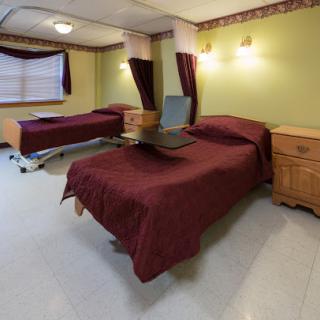
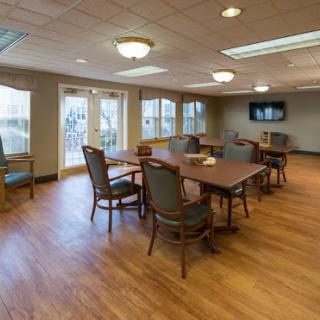
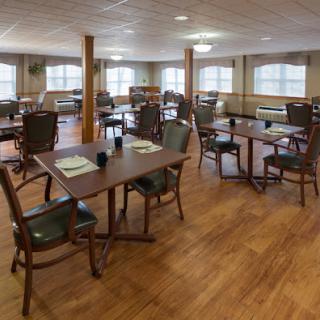
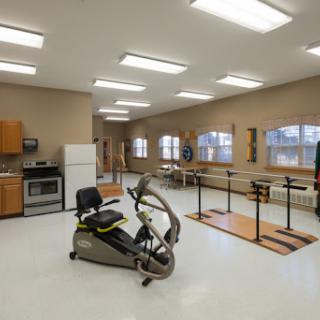
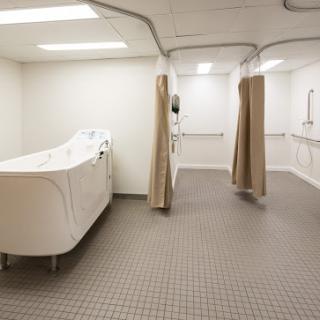
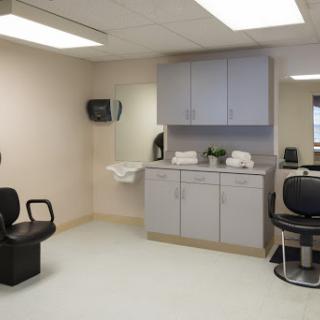
Dunmore Health Care Center on seniors.fyi includes 10 photos including images showing interior, dining, bedroom, lighting, windows, healthcare, bright lighting, office, and more.
Nearby Communities
Dunmore Healthcare Center
Dunmore, PA
3.6 from 52 reviews
Convenient location with abundant nearby amenities.
Lutherwood
Scranton, PA
4.3 from 9 reviews
Excellent access to cafes, parks, pharmacies, physicians, and hospitals nearby.
Harrison House
Scranton, PA
2 from 3 reviews
Clean, well-kept facility with engaging activities and helpful staff.
Webster Towers
Scranton, PA
4.1 from 9 reviews
Comprehensive amenities and care options (assisted living, diabetic care, on-site activities).
Jewish Home Of Eastern Pennsylvania
Scranton, PA
4.4 from 22 reviews
Beautiful, home-like environment with compassionate staff and strong dementia care.
Serenity Care Scranton
Scranton, PA
4.5 from 20 reviews
$2,450 to $3,150 / month
Caring staff and a welcoming, engaged community.
Gardens At Scranton
Scranton, PA
3.4 from 45 reviews
$5,743 / month
Extensive on-site amenities and 24/7 care support.
Angel S Family Manor Personal Care Home
Scranton, PA
2 from 11 reviews
$4,200 / month
Private rooms and ample amenities support socialization and comfort.
Caregiver burnout is a common issue resulting from the intense physical, emotional, and mental demands of caregiving, leading to symptoms like fatigue and social withdrawal. To prevent burnout, caregivers should recognize early warning signs and implement self-care strategies, seek support, and prioritize their own well-being alongside that of those they care for.
Caregiver exhaustion, or burnout, stems from the relentless demands of caregiving, leading to emotional and physical depletion characterized by stress, frustration, and neglect of personal needs. Addressing this burden is essential to prevent long-term consequences, with early recognition and support being crucial for caregivers to maintain balance and implement self-care.
Hospice care at home provides specialized end-of-life support that focuses on comfort and dignity for individuals with life-limiting illnesses, offering a range of services including medical management, emotional and spiritual support, and logistical assistance tailored to the family's needs. It involves collaboration to create individualized care plans and extends to bereavement support after a loved one's passing.
Natural Light, Conference Room, Table And Chairs, Meeting Space, and Wooden Flooring
Healthcare
Office
Bright Lighting
Get PricingAsk A QuestionSchedule A TourContact Senior Advisor
By clicking submit, you agree to our Partner's Terms of Use. You
also consent to receive calls and texts, which may be autodialed, from our Partner. Your consent is not a condition to
using our Partner's service. Please visit our Partner's Privacy Policy for information about their privacy practices.


 92 resident community capacity
 Skilled Nursing Facility
 Air-conditioning
 Beauty salon
 Cable or satellite TV
 Computer center
 Dining room
 Fitness room
 Fully furnished
 Gaming room
 Garden
 Housekeeping services
 Kitchenette
 Move-in coordination
 Outdoor space
 Private bathrooms
 Restaurant-style dining
 Small library
 Telephone
 Wellness center
 Wi-Fi/high-speed internet available
 Wilkes-Barre Scranton International (7 miles away)
 Community operated transportation
 12-16 hour nursing
 24-hour call system
 Activities of daily living assistance
 Assistance with bathing
 Assistance with dressing
 Assistance with transfers
 Diabetes diet
 Medication management
 Mental wellness program
 Special dietary restrictions
 Concierge services
 Planned day trips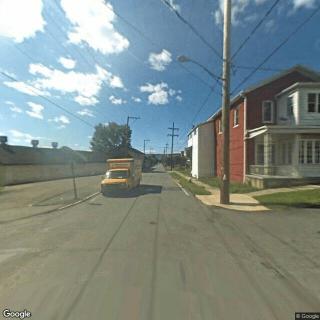
 Convenient location with abundant nearby amenities.




 Caring for Those Who Care: Recognizing, Understanding, and Overcoming Caregiver Burnout
 Caregiver Exhaustion: Recognizing the Signs and Restoring Your Well-Being
 Understanding Hospice Care at Home: Comprehensive Services, Key Benefits, and Eligibility