Strongsville Healthcare And Rehabilitation Costs & Pricing
Strongsville Healthcare and Rehabilitation offers a private room at a monthly cost of $5,367, which notably exceeds both the average for Cuyahoga County at $4,004 and the statewide average in Ohio of $4,771. This price point reflects a premium service offering that may include enhanced amenities or specialized care programs tailored to individual needs. While it might represent a higher investment compared to local and state averages, it is important for prospective residents and their families to consider the quality of services provided, as well as the overall experience within the facility. As always, evaluating such costs alongside available services can help ensure that residents receive appropriate value for their financial commitment.
Floor plans
Strongsville Healthcare And Rehabilitation
Cuyahoga County
Ohio
Private
$5,367
$4,004
$4,771
Skilled Nursing Facilities with a similar price nearby
Overall Review of Strongsville Healthcare And Rehabilitation
common28 reviews mention this
Staff care and responsiveness stand out
Residents and families consistently describe staff who are kind and attentive.
Many reviewers focus on staff members showing care during skilled rehab and day-to-day visits, including nursing, aides, therapy staff, and administration. A number of reviews mention feeling comfortable asking questions because staff were reachable and followed through. Some reviewers also singled out specific staff members in admissions, rehab, transportation, and nursing for being professional and supportive throughout the stay.
differentiator24 reviews mention this
Facility cleanliness and odor control
Cleanliness and the absence of strong nursing-home odors are frequently mentioned.
A recurring theme is that the building is very clean and well maintained, with reviewers describing it as modern and not smelling like a typical nursing home. Several comments also mention a welcoming, polished environment, including spotless rooms and stocked linens. That said, a smaller set of negative reviews complained of bad smells or cleanliness concerns, including residents who felt basic care was not reliably handled.
differentiator7 reviews mention this
Skilled rehab and therapy help
Physical and occupational therapy receive strong praise from families.
Residents and visitors describe therapy teams as hardworking and focused on getting people moving, with multiple mentions of physical and occupational therapy. Several reviews also connect therapy to progress and a better recovery experience, including motivation and overall improvement during a rehab stay. One review specifically contrasted the best experience with having been treated elsewhere before, while others emphasized the rehab staff as a key reason they trusted the facility.
common4 reviews mention this
Activities keep residents engaged
Residents are described as having engaging daily activities.
Multiple reviewers mention scheduled activities that keep residents involved and offer something fresh and interesting. One review called out the activities director and daily programming as a positive part of the experience. Another described resident engagement events as part of the overall environment the family saw during visits.
common5 reviews mention this
Food is a common positive
Dining stands out, with several mentions of tasty meals and meal support.
Several reviewers describe the food as delicious and well prepared, with families also mentioning that meals were handled attentively. A few reviews reference help during meals for residents who needed assistance, suggesting more than just offering food. At the same time, dietary needs come up in reviews alongside structured diabetes and special-restriction support offered by the community for meal planning.
caveat7 reviews mention this
Staffing and care reliability concerns
Some reviewers report staffing issues that affected care and responsiveness.
While many reviews highlight caring staff, a set of negative reviews describe understaffing and delays, including concerns about reliability for help with meals, showers, and basic needs. These same reviewers raise issues such as inadequate response times, cleanliness problems tied to care, and concerns about medical follow-through. A separate negative theme also included allegations of neglect or abuse, which reviewers presented as serious reasons they would not recommend the facility.
How we summarize
Counts show how many written reviews mention each theme; a review can touch several themes, and only frequently mentioned themes are displayed.
Features
Housing
22 resident community capacity
Types of Care
Skilled Nursing Facility
Amenities
Beauty salon
Cable or satellite TV
Dining room
Fully furnished
Garden
Housekeeping services
Kitchenette
Move-in coordination
Outdoor space
Telephone
Wi-Fi/high-speed internet available
Transportation
Cleveland-Hopkins International (9 miles away)
Care Services
24-hour call system
24-hour supervision
Activities of daily living assistance
Assistance with bathing
Assistance with dressing
Assistance with transfers
Diabetes diet
Meal preparation and service
Medication management
Mental wellness program
Special dietary restrictions
Dining
Diabetes diet
Special dietary restrictions
Activities
Community-sponsored activities
Resident-run activities
Scheduled daily activities
Nearby Places of Interest
Pharmacies
Marc's Stores (1.1 miles)
CVS Pharmacy (2.2 miles)
Discount Drug Mart (2.4 miles)
CVS Pharmacy (2.5 miles)
Walgreens (2.8 miles)
CVS Pharmacy (2.8 miles)
Marc's Stores (3.4 miles)
Physicians
Allergy Diagnostic (1.2 miles)
Digestive Disease Consultants (3.7 miles)
Southwest Family Physicians (6.2 miles)
Ent Allergy Health (6.2 miles)
Cuyahoga County Board of Health (9.4 miles)
Crystal Clinic Orthopaedic Center (9.8 miles)
Brio Neurobehavioral Consultants (10 miles)
Restaurants
Cozumel Mexican Restaurant (1.6 miles)
Chipotle Mexican Grill (2.2 miles)
The Rail (2.2 miles)
TGI Friday's (2.3 miles)
Condado Tacos (2.3 miles)
Mitchell's Ice Cream (2.3 miles)
Rosewood Grill (2.5 miles)
Theaters
Cinemark 383 Strongsville (2.1 miles)
Places of Worship
St Ambrose Endowment Foundation (2.2 miles)
St Francis Xavier Catholic Church (10 miles)
Parks
Strongsville Wildlife Area (3 miles)
Surrarrer Park (4.6 miles)
Metroparks Mill Stream Run Reserve North (4.8 miles)
James Day Park (6.8 miles)
Hinkley Reservation (7.7 miles)
Rocky River Reservation (9 miles)
Cleveland Metroparks - Big Creek Reservation (9.4 miles)
Hospitals
Benchmark Imaging Group (3.1 miles)
Medina General Hospital (3.3 miles)
The Children's Center of Medina County (9.3 miles)
Medina Medical Office Building (10 miles)
Cafes
Panera Bread (3.4 miles)
Starbucks (4.7 miles)
Cool Beans Cafe (9.9 miles)
Transportation
Concourse C (8.7 miles)
TSA Checkpoint C (8.9 miles)
United Airlines Ticket Counter (8.9 miles)
Cleveland-Hopkins International Airport (CLE) (8.9 miles)
Strongsville Healthcare and Rehabilitation offers a private room at a monthly cost of $5,367, which notably exceeds both the average for Cuyahoga County at $4,004 and the statewide average in Ohio of $4,771. This price point reflects a premium service offering that may include enhanced amenities or specialized care programs tailored to individual needs. While it might represent a higher investment compared to local and state averages, it is important for prospective residents and their families to consider the quality of services provided, as well as the overall experience within the facility. As always, evaluating such costs alongside available services can help ensure that residents receive appropriate value for their financial commitment.
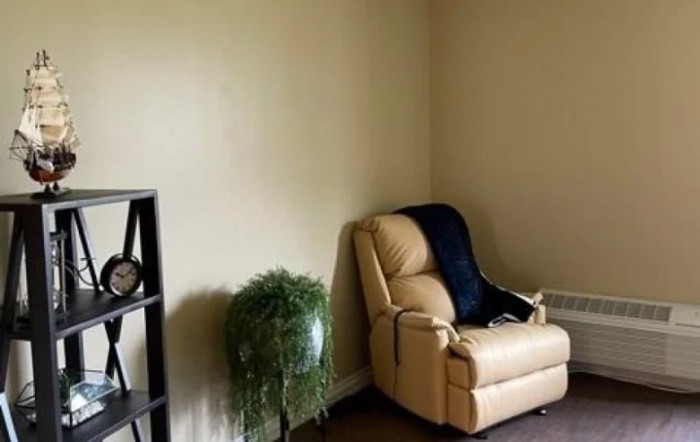
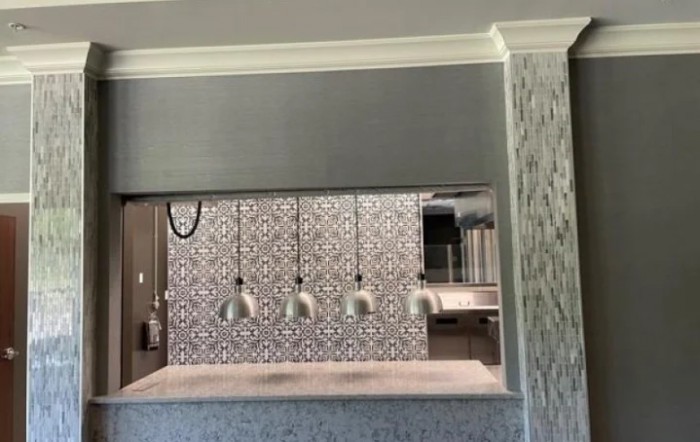
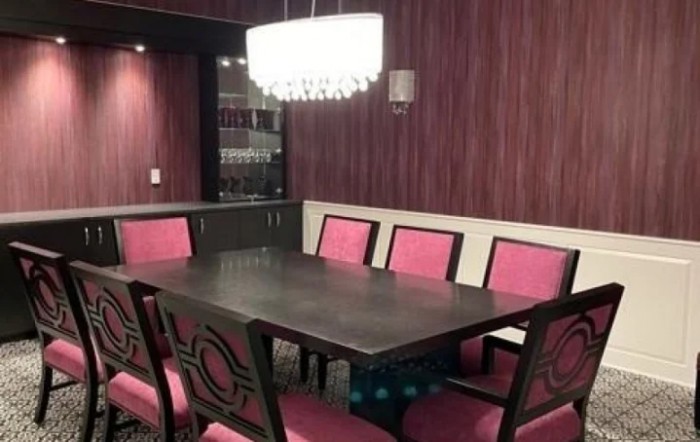
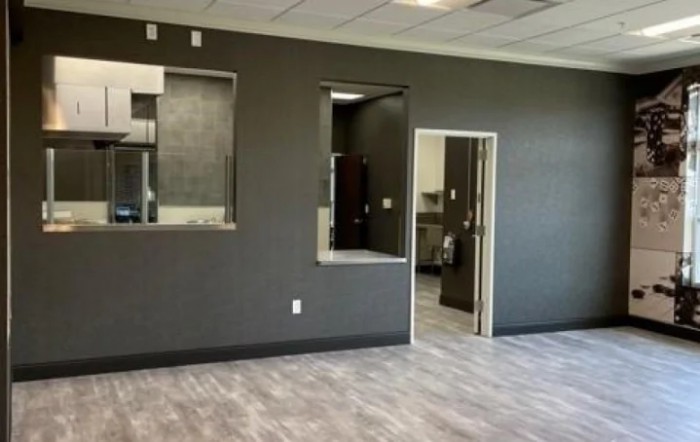
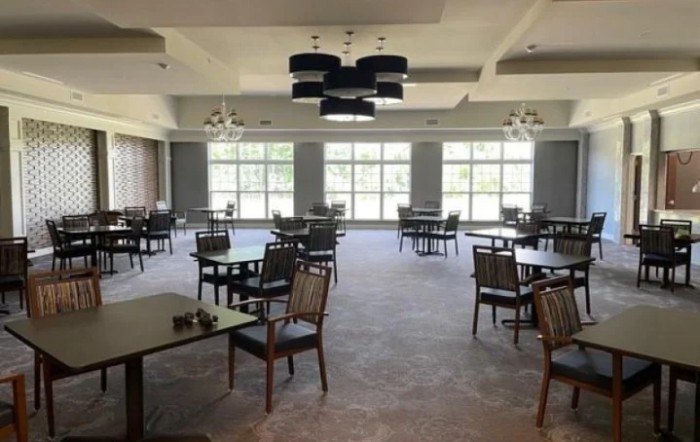
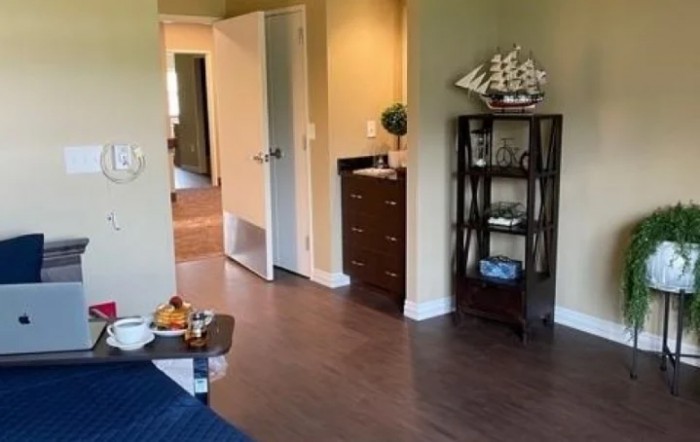
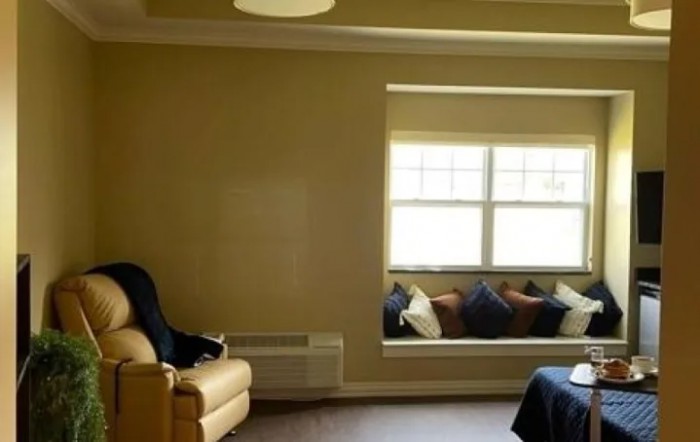
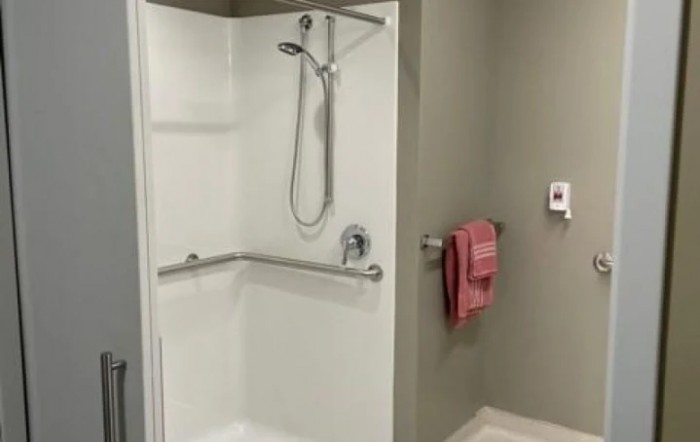
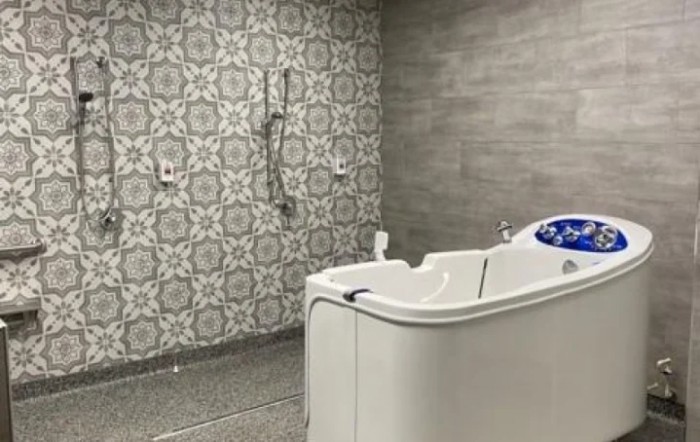
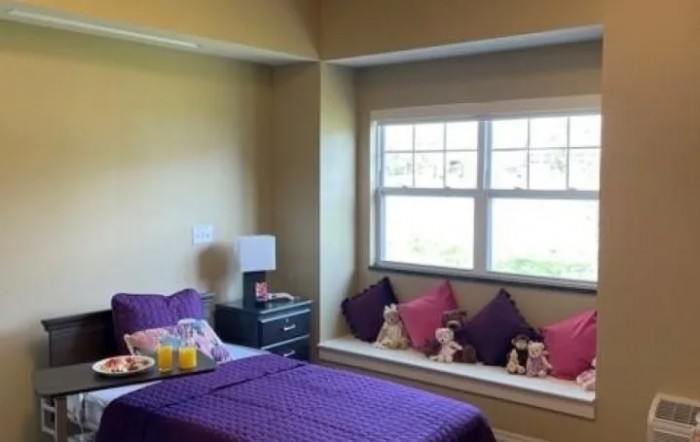
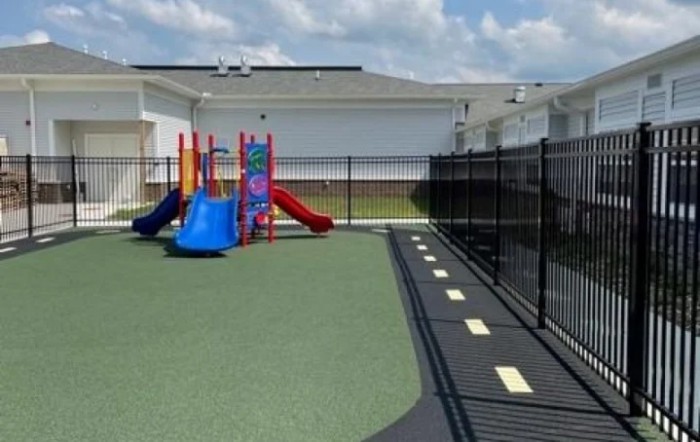
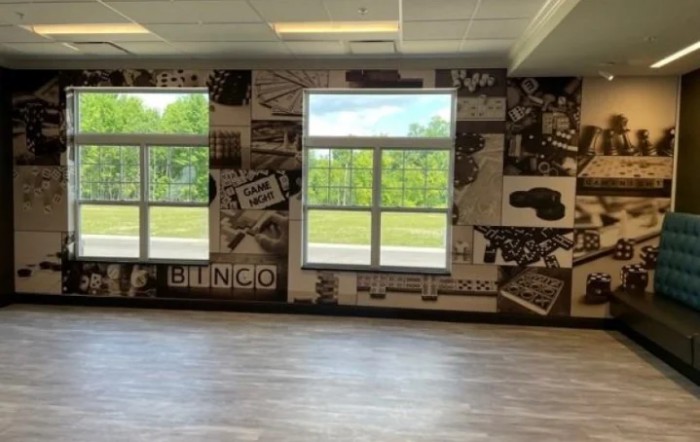
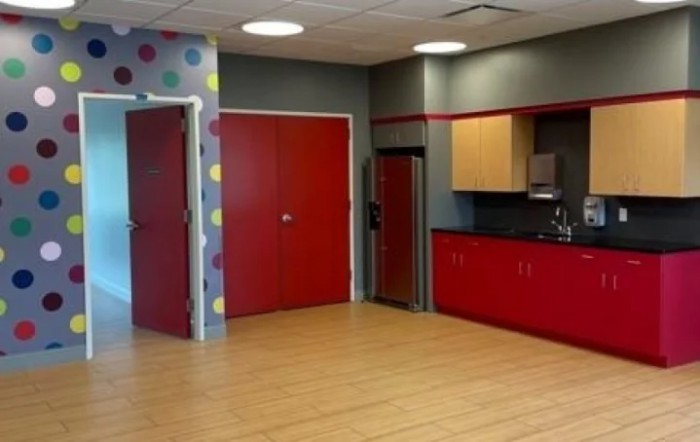
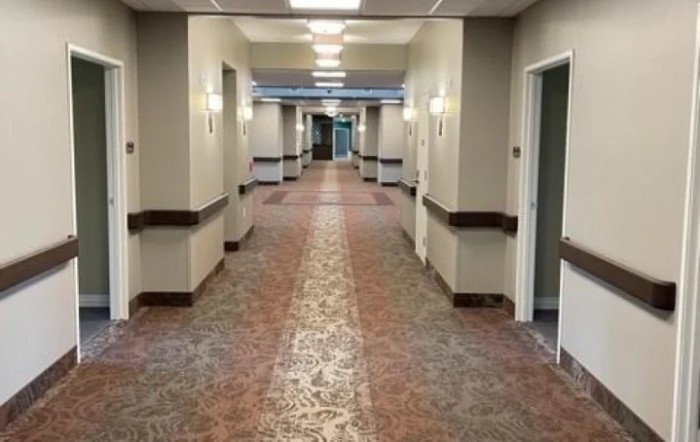
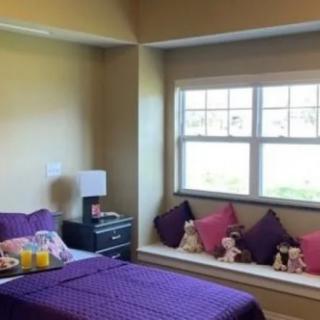
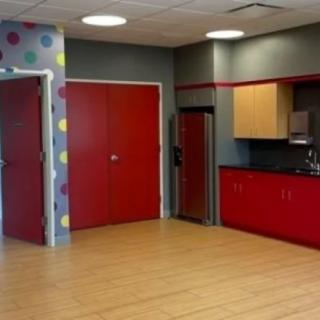
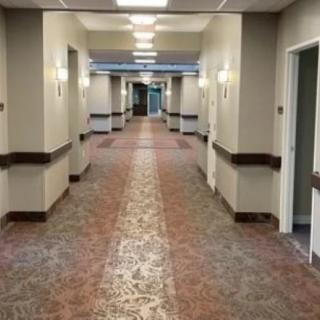
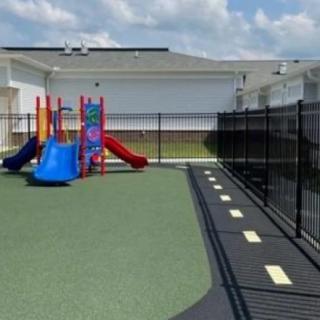
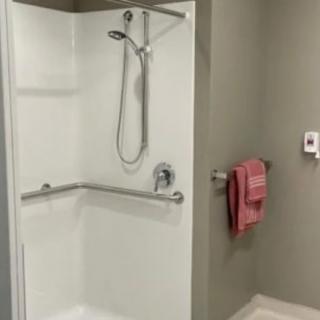
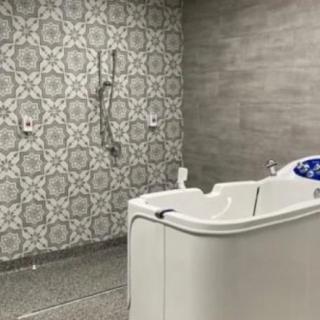
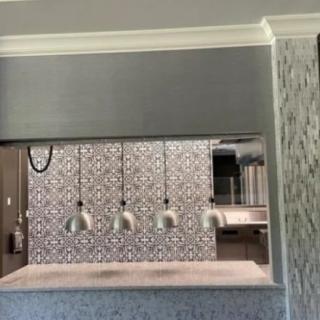
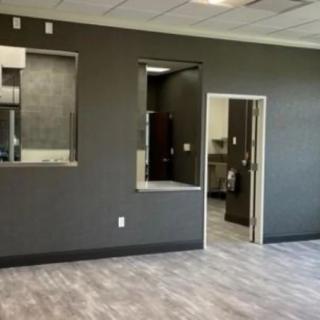
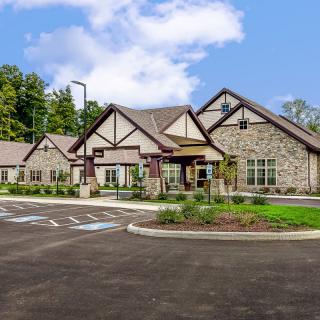
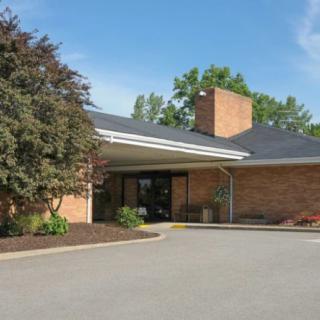
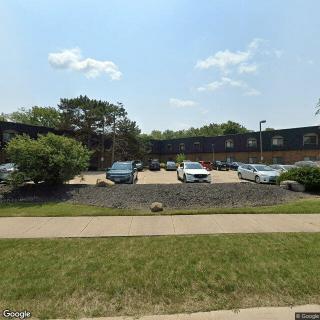
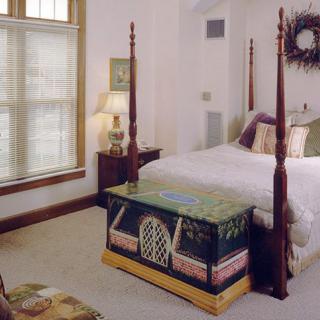
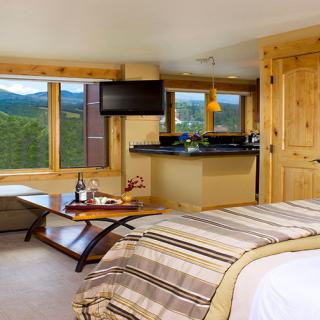
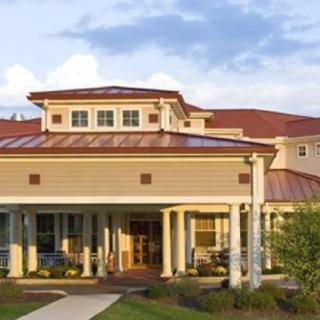
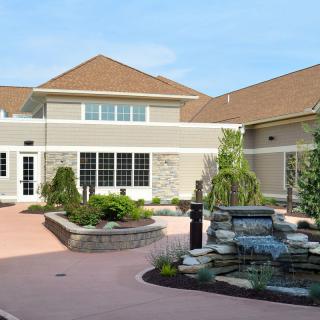
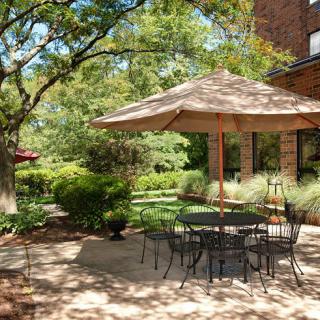
Strongsville Healthcare And Rehabilitation on seniors.fyi includes 14 photos including images showing interior, dining, bathroom, shower, bedroom, windows, chandelier, kitchen, and more.
Nearby Communities
Holiday Pearl Crossing
Strongsville, OH
4.4 from 124 reviews
$1,919 to $3,509 / month
Friendly staff, strong dining program, and an active social atmosphere in a clean, well-kept community.
Southwest Commons by New Perspective
Strongsville, OH
4.4 from 53 reviews
$4,465 to $5,050 / month
Friendly, attentive staff with engaging activities in a clean, home-like environment and open communication.
SouthWest Commons
Strongsville, OH
4.4 from 31 reviews
Extensive amenities and robust assisted living services in a welcoming setting.
Cardinal Court Memory Care & Transitional Assisted Living
Strongsville, OH
4.3 from 36 reviews
Specialized memory care with 24/7 supervision and engaging activities.
Cardinal Court Transitional Assisted Living and Memory Care
Strongsville, OH
4.4 from 92 reviews
$1,805 to $6,000 / month
Caring staff with active programs in a clean, home-like setting.
A Place to Call Home
Strongsville, OH
4.7 from 12 reviews
$4,000 to $4,500 / month
Caring, attentive staff in a clean, home-like setting.
Shurmer Place at Altenheim
Strongsville, OH
4.1 from 68 reviews
$2,965 to $4,426 / month
Caring staff in a clean, welcoming setting with engaging activities and on-site care options.
Westwood Place
Strongsville, OH
4 from 20 reviews
$1,135 / month
Professional, friendly staff in a warm, home-like community with engaging activities.
Generations Senior Living of Strongsville
Strongsville, OH
4.6 from 44 reviews
$2,700 / month
Friendly staff, clean facilities, good amenities, and affordable pricing.
Adult day care programs offer essential support and activities for older adults, yet many hesitate to participate due to concerns about independence and stigma. To alleviate these apprehensions, families should facilitate open discussions, explore financial resources, suggest trial visits, and collaborate with healthcare providers to highlight the benefits of such services for both the participants and their caregivers.
Living wills and advance directives are crucial legal documents that outline an individual's healthcare preferences when they cannot make decisions themselves, enhancing patient autonomy and alleviating family stress during medical crises. The article emphasizes the need for these documents to be personalized, legally valid, and regularly updated, while also encouraging communication about end-of-life wishes among family members and healthcare providers.
The article examines living wills and advance directives, highlighting their significance in expressing healthcare preferences for those unable to communicate due to illness or incapacity. It discusses their historical development, legal components, limitations, practical drafting advice, and the importance of clear communication among families and healthcare professionals regarding end-of-life decisions.
Get PricingAsk A QuestionSchedule A TourContact Senior Advisor
By clicking submit, you agree to our Partner's Terms of Use. You
also consent to receive calls and texts, which may be autodialed, from our Partner. Your consent is not a condition to
using our Partner's service. Please visit our Partner's Privacy Policy for information about their privacy practices.



 22 resident community capacity
 Skilled Nursing Facility
 Beauty salon
 Cable or satellite TV
 Dining room
 Fully furnished
 Garden
 Housekeeping services
 Kitchenette
 Move-in coordination
 Outdoor space
 Telephone
 Wi-Fi/high-speed internet available
 Cleveland-Hopkins International (9 miles away)
 24-hour call system
 Activities of daily living assistance
 Assistance with bathing
 Assistance with dressing
 Assistance with transfers
 Diabetes diet
 Meal preparation and service
 Medication management
 Mental wellness program
 Special dietary restrictions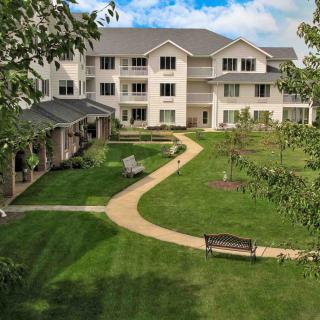
 Friendly staff, strong dining program, and an active social atmosphere in a clean, well-kept community.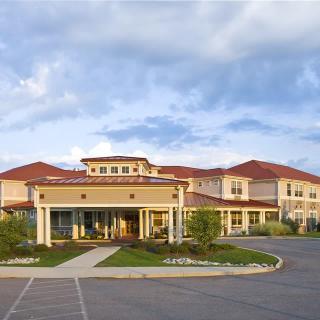

 Encouraging Participation in Adult Day Care: A Guide to Supporting a Hesitant Parent
 Comprehensive Exploration of Living Wills and Other Advance Directives
 A Detailed Exploration of Living Wills and Advance Directives