Southwest Commons by New Perspective Costs & Pricing
At Southwest Commons by New Perspective, the monthly costs for housing reflect a premium experience compared to the broader market in Cuyahoga County and the state of Ohio. For a studio apartment, residents can expect to pay $4,465, which is significantly higher than both the county average of $3,632 and the state average of $3,727. Similarly, the one-bedroom option is priced at $5,050, well above the county's average of $3,410 and Ohio's state average of $3,712. These elevated rates suggest that Southwest Commons offers enhanced amenities and services that cater to those seeking a higher standard of living in an engaging community setting.
Floor plans
Southwest Commons by New Perspective
Cuyahoga County
Ohio
Studio
$4,465
$3,632
$3,727
1 Bedroom
$5,050
$3,410
$3,712
Memory care communities with a similar price nearby
Overall Review of Southwest Commons by New Perspective
common36 reviews mention this
Staff care and responsiveness stand out
Residents and families consistently describe attentive, caring staff.
Across many reviews, residents and families say the staff is friendly, kind, and easy to communicate with, with concerns handled quickly or addressed directly. Several also credit staff for keeping loved ones engaged and informed, including updates from leadership and follow-through on care needs. A few critical reviews describe the opposite experience, pointing to lapses in oversight and care consistency rather than friendliness.
common13 reviews mention this
Dining quality is a frequent plus
Food is frequently described as tasty and satisfying.
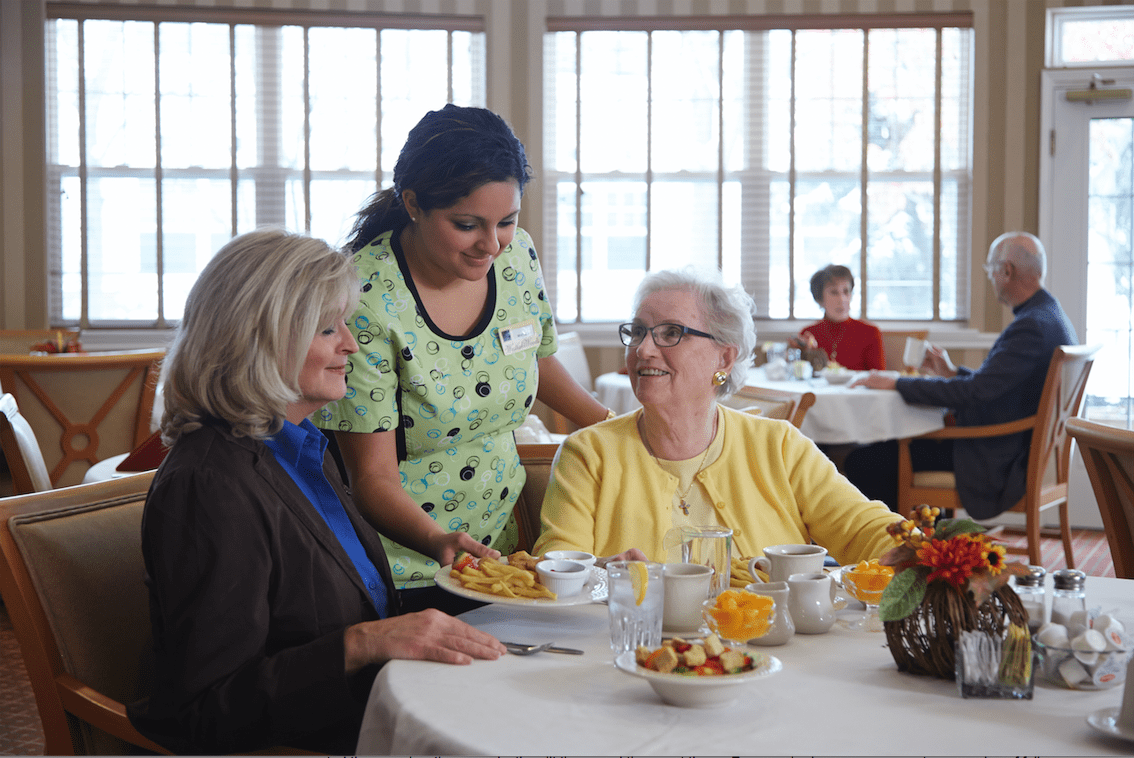
Multiple reviews praise the meals, describing food as delicious, excellent, tasty, and nutritious, with residents enjoying mealtimes. Some reviews also mention the community’s dining approach in connection with day-to-day enjoyment. A minority of reviews go the other way, calling the food poor or unhealthy and criticizing the dining setting.
common10 reviews mention this
Activities help residents stay engaged
Activities and outings are a regular part of life.
Reviews commonly describe residents participating in activities, from group games to outings, performances, and themed events. Several families mention their loved ones staying engaged during the day and enjoying the activity calendar. One negative review also contrasts an expectation of assistance with daily activity support, suggesting engagement may not have matched what was needed at the time.
common10 reviews mention this
Clean, well-kept spaces come up often
Many reviews highlight a clean, well-maintained environment.
A number of reviewers describe the community as clean and immaculate, with apartments and common areas kept tidy and maintained. Some also mention cleanliness as a deciding factor after touring. Two low-rated reviews raise serious cleanliness concerns, including reports of dirty rooms, odors, and unclean dining areas.
caveat2 reviews mention this
Some care and cleanliness concerns
A small share of reviews report serious care and hygiene problems.
A couple of reviews describe major breakdowns, including concerns about how care was handled and what was observed during visits. One focuses on falls, alleged staffing and oversight gaps, and bed-related issues, while the other focuses on unsanitary conditions and hygiene problems. These criticisms appear alongside otherwise positive reports of attentive care and cleanliness, so experiences may vary by situation and timeframe.
caveat3 reviews mention this
Pricing can feel high or rising
Some reviews mention pricing concerns or a cost increase.
Families describe discussing pricing during the move-in process, and some say it helped them understand what they could afford. One low-rated review specifically mentions a price increase without improvements, framing cost changes as a downside. With rates described in the listing as above county and state benchmarks, pricing is a recurring topic to review closely before committing.
How we summarize
Counts show how many written reviews mention each theme; a review can touch several themes, and only frequently mentioned themes are displayed.
Features
Types of Care
Assisted Living
Memory Care
Pets
Cats allowed
Dogs allowed
Amenities
Activities off-site
Activities on-site
Air-conditioning
Beautician on-site
Cable or satellite TV
Devotional services off-site
Full kitchen
Handicap accessible
Indoor common areas
Kitchenette
Outdoor common areas
Respite or short term stays offered
Wi-Fi/high-speed internet available
Transportation
Cleveland-Hopkins International (9 miles away)
Care Services
Diabetic care
Incontinence care
Medication management
Dining
Guest meals
International cuisine
Low / no sodium
Meals provided
No Sugar
Professional chef
Restaurant style dining
Room service
Special dining programs
Activities
Art classes
Cooking classes
Day trips and outings
Devotional activities offsite
Educational speakers / life long learning
Happy hour
Karaoke
Live dance or theater performances
Live musical performances
Stretching classes
Tai Chi
Wine tasting
Yoga / chair yoga
Nearby Places of Interest
Located in Strongsville, Ohio, this area offers a convenient and diverse range of amenities for seniors looking to settle down. With several pharmacies nearby, including Marc's Stores and CVS Pharmacy, accessing medication and healthcare services is easy. There are also a variety of restaurants such as Chipotle Mexican Grill and The Rail for dining options. For leisure activities, residents can enjoy theaters like Cinemark 383 Strongsville or explore nature at parks like Strongsville Wildlife Area and Metroparks Mill Stream Run Reserve North. In terms of healthcare, Benchmark Imaging Group and Medina General Hospital provide medical services within close proximity. Additionally, transportation options are easily accessible with Cleveland-Hopkins International Airport just 8.6 miles away. Overall, this part of Strongsville offers a well-rounded community with amenities suited for senior living.
Pharmacies
Marc's Stores (0.8 miles)
CVS Pharmacy (1.8 miles)
Discount Drug Mart (2.1 miles)
Walgreens (2.7 miles)
CVS Pharmacy (2.8 miles)
CVS Pharmacy (2.9 miles)
Marc's Stores (3.6 miles)
Physicians
Allergy Diagnostic (0.8 miles)
Digestive Disease Consultants (3.9 miles)
Southwest Family Physicians (5.8 miles)
Ent Allergy Health (5.8 miles)
Cuyahoga County Board of Health (9 miles)
Crystal Clinic Orthopaedic Center (10.2 miles)
Theaters
Cinemark 383 Strongsville (1.8 miles)
Restaurants
Chipotle Mexican Grill (1.8 miles)
The Rail (1.8 miles)
Condado Tacos (1.9 miles)
TGI Friday's (1.9 miles)
Mitchell's Ice Cream (2 miles)
Cozumel Mexican Restaurant (2 miles)
Rosewood Grill (2.1 miles)
Places of Worship
St Ambrose Endowment Foundation (2.6 miles)
St Matthew's Episcopal Church (10.3 miles)
Parks
Strongsville Wildlife Area (2.7 miles)
Surrarrer Park (4.3 miles)
Metroparks Mill Stream Run Reserve North (4.5 miles)
James Day Park (6.4 miles)
Hinkley Reservation (7.8 miles)
Rocky River Reservation (8.7 miles)
Cleveland Metroparks - Big Creek Reservation (9 miles)
Hospitals
Benchmark Imaging Group (2.7 miles)
Medina General Hospital (3.6 miles)
The Children's Center of Medina County (9.7 miles)
Medina Medical Office Building (10.3 miles)
Cafes
Panera Bread (3.7 miles)
Starbucks (4.3 miles)
Starbucks (10 miles)
Cool Beans Cafe (10.3 miles)
Transportation
Concourse C (8.4 miles)
TSA Checkpoint C (8.5 miles)
United Airlines Ticket Counter (8.5 miles)
Cleveland-Hopkins International Airport (CLE) (8.6 miles)
At Southwest Commons by New Perspective, the monthly costs for housing reflect a premium experience compared to the broader market in Cuyahoga County and the state of Ohio. For a studio apartment, residents can expect to pay $4,465, which is significantly higher than both the county average of $3,632 and the state average of $3,727. Similarly, the one-bedroom option is priced at $5,050, well above the county's average of $3,410 and Ohio's state average of $3,712. These elevated rates suggest that Southwest Commons offers enhanced amenities and services that cater to those seeking a higher standard of living in an engaging community setting.
Medication management at Southwest Commons is designed to ensure that residents receive their prescribed medications accurately and on time, which is crucial for managing the symptoms of dementia and Alzheimer's disease. This structured approach minimizes the risk of missed doses or medication interactions, helping to stabilize residents' health and enhance their quality of life. Incontinence care is another essential feature that fosters dignity and comfort for individuals in various stages of cognitive decline. By providing compassionate support and maintaining hygiene, staff can effectively address potential distress associated with incontinence, allowing residents to focus on their daily activities without undue anxiety or discomfort. Together, these services create a nurturing environment that addresses both physical and emotional needs for those living with memory-related conditions.
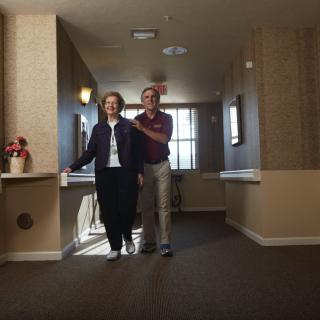
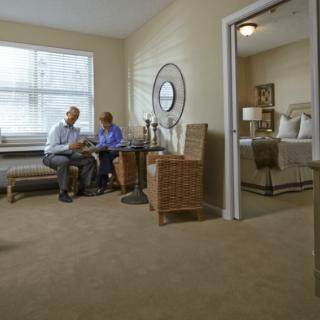
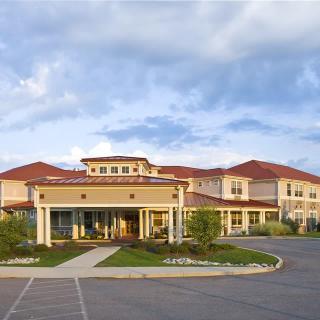
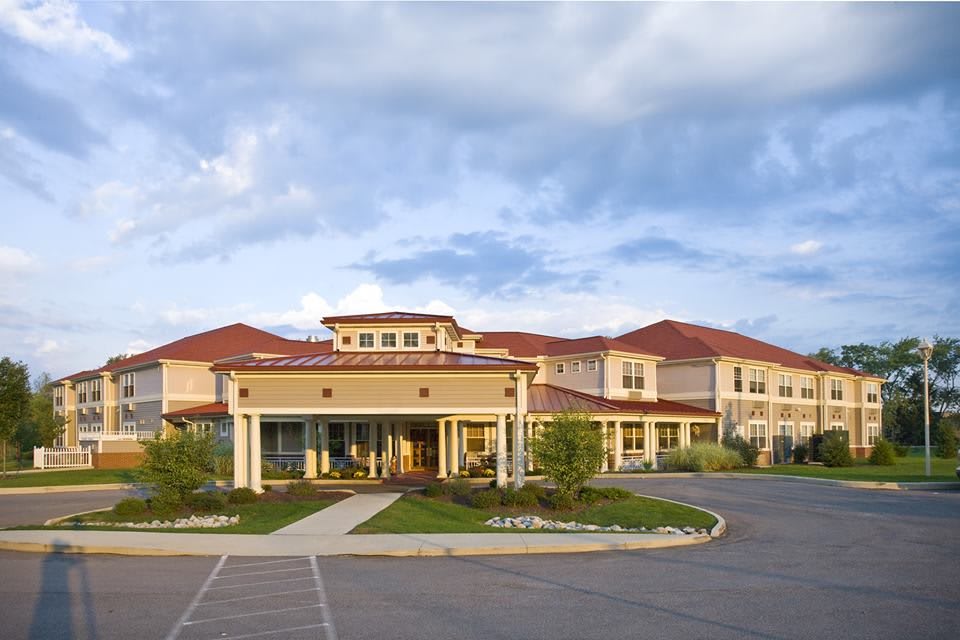
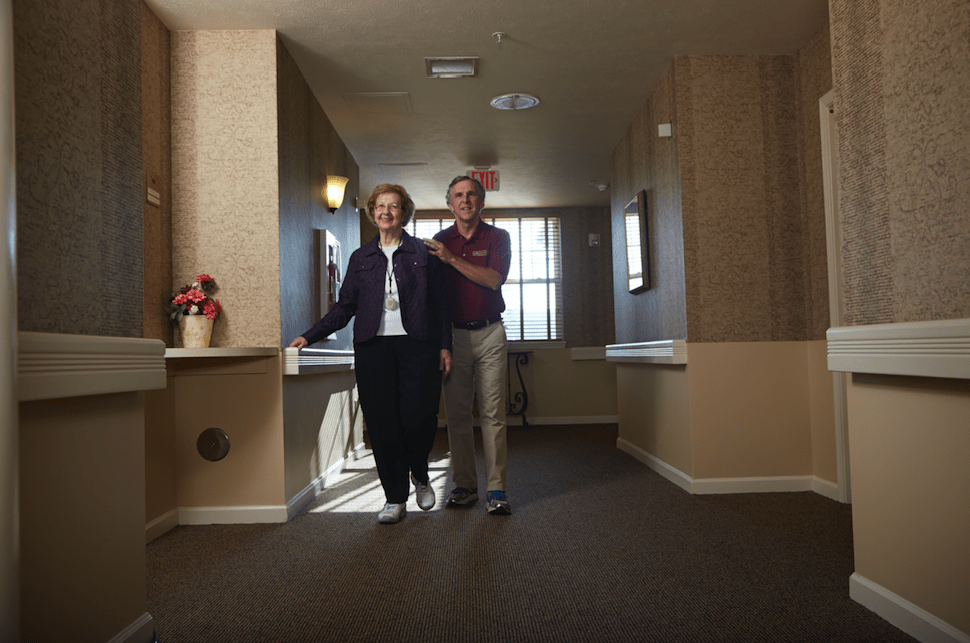
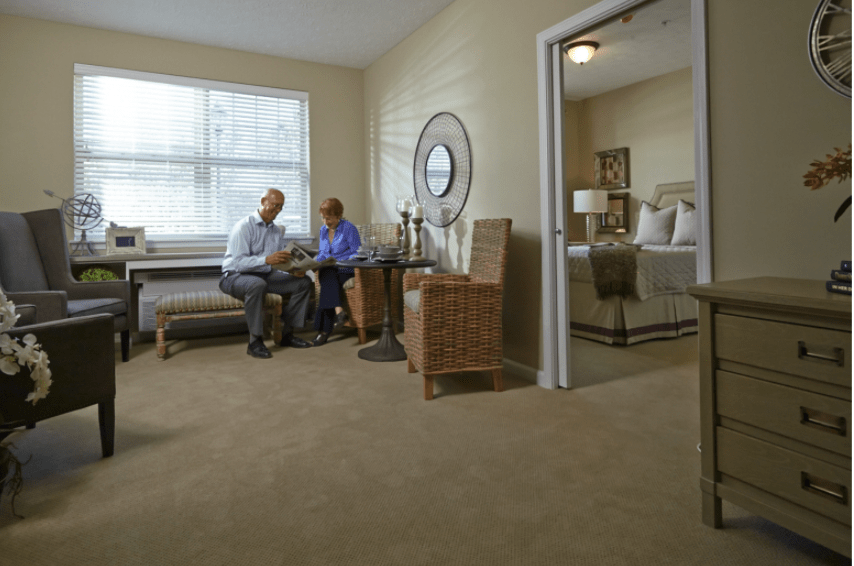
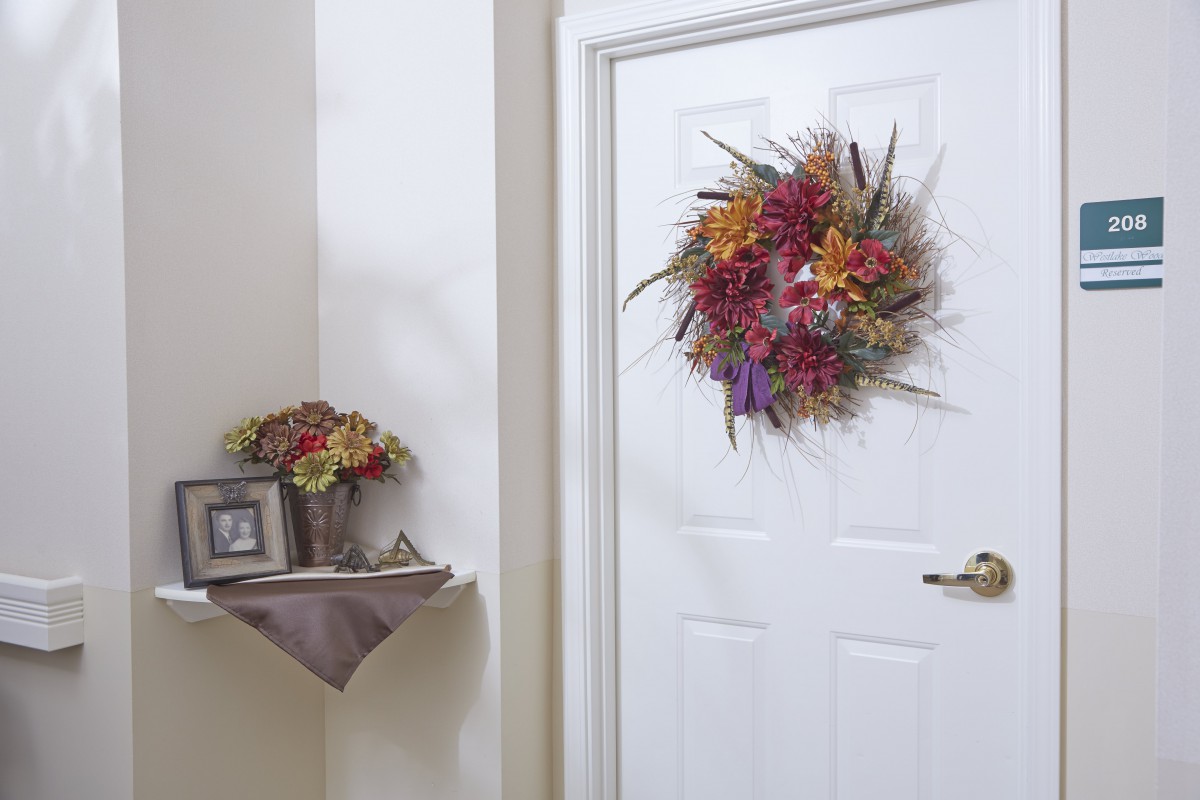
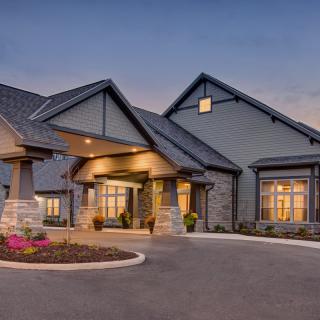
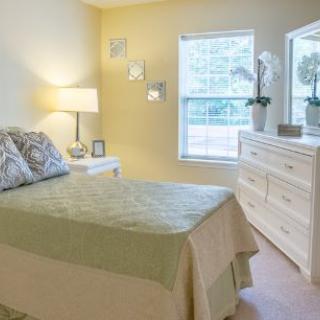
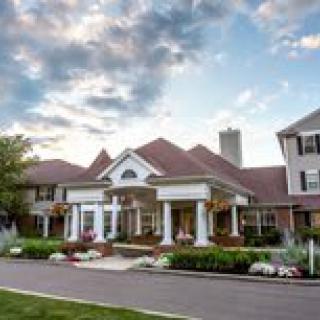
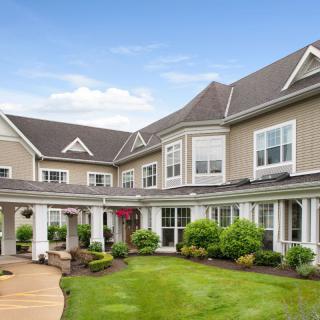
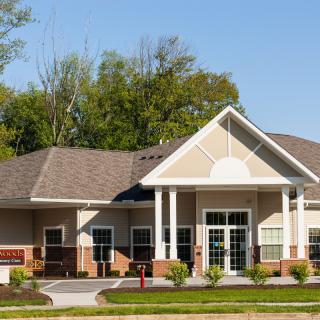
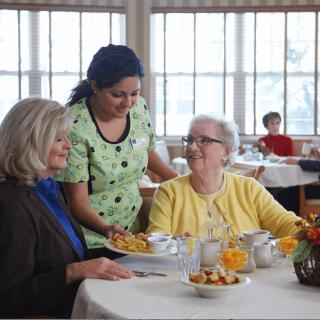
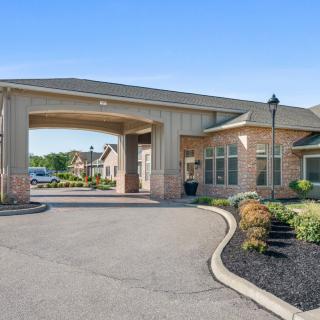
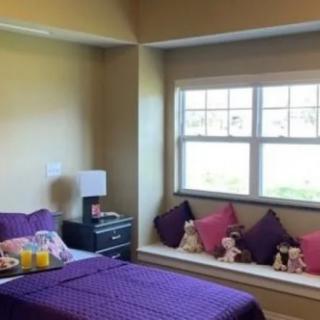
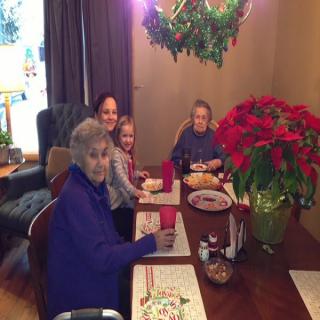
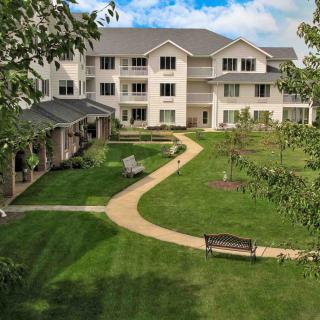
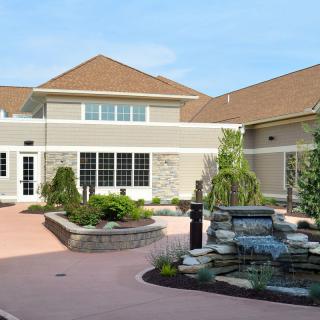
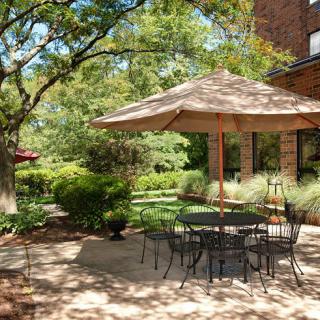
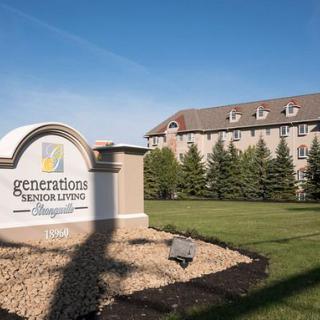
Southwest Commons by New Perspective on seniors.fyi includes 5 photos including images showing home interior, dining, hallway, interior, living room, windows, building, entrance, and more.
Nearby Communities
SouthWest Commons
Strongsville, OH
4.4 from 31 reviews
Extensive amenities and robust assisted living services in a welcoming setting.
Cardinal Court Memory Care & Transitional Assisted Living
Strongsville, OH
4.3 from 36 reviews
Specialized memory care with 24/7 supervision and engaging activities.
Cardinal Court Transitional Assisted Living and Memory Care
Strongsville, OH
4.4 from 92 reviews
$1,805 to $6,000 / month
Caring staff with active programs in a clean, home-like setting.
Strongsville Healthcare And Rehabilitation
Strongsville, OH
4.5 from 113 reviews
$5,367 / month
Fully furnished living spaces with 24/7 supervision, medication management, and engaging activities.
A Place to Call Home
Strongsville, OH
4.7 from 12 reviews
$4,000 to $4,500 / month
Caring, attentive staff in a clean, home-like setting.
Holiday Pearl Crossing
Strongsville, OH
4.4 from 124 reviews
$1,919 to $3,509 / month
Friendly staff, strong dining program, and an active social atmosphere in a clean, well-kept community.
Shurmer Place at Altenheim
Strongsville, OH
4.1 from 68 reviews
$2,965 to $4,426 / month
Caring staff in a clean, welcoming setting with engaging activities and on-site care options.
Westwood Place
Strongsville, OH
4 from 20 reviews
$1,135 / month
Professional, friendly staff in a warm, home-like community with engaging activities.
Generations Senior Living of Strongsville
Strongsville, OH
4.6 from 44 reviews
$2,700 / month
Friendly staff, clean facilities, good amenities, and affordable pricing.
Sundown syndrome, or sundowning, is a phenomenon in dementia patients characterized by increased confusion and agitation during late afternoon and evening, influenced by factors like disrupted circadian rhythms and fatigue. Effective caregiver strategies include establishing routines and managing environmental light while addressing caregiver stress through support services.
Delirium is a rapidly onset, reversible cognitive disturbance often caused by acute medical issues, while dementia is a gradual and irreversible decline due to chronic neurodegenerative diseases. Accurate differentiation between the two is essential for appropriate treatment and management in older adults.
Dementia, including Alzheimer’s disease, is often mischaracterized in terms of lethality as it leads to complications that can be fatal rather than being a direct cause of death; it causes a progressive decline in cognitive and physical health, making patients vulnerable to infections and other health crises. Effective management of nutrition, hydration, and communication is crucial in patient care, with palliative care becoming vital in advanced stages to enhance comfort and quality of life while caregivers play a key role amidst the challenges posed by the disease.
Landscaping, Building, Architecture, Entrance, Clouds, and Facility
Home Interior
Get PricingAsk A QuestionSchedule A TourContact Senior Advisor
By clicking submit, you agree to our Partner's Terms of Use. You
also consent to receive calls and texts, which may be autodialed, from our Partner. Your consent is not a condition to
using our Partner's service. Please visit our Partner's Privacy Policy for information about their privacy practices.

 Assisted Living
 Memory Care
 Cats allowed
 Dogs allowed
 Activities off-site
 Air-conditioning
 Beautician on-site
 Cable or satellite TV
 Devotional services off-site
 Full kitchen
 Handicap accessible
 Indoor common areas
 Outdoor common areas
 Respite or short term stays offered
 Wi-Fi/high-speed internet available
 Cleveland-Hopkins International (9 miles away)
 Diabetic care
 Incontinence care
 Medication management
 Guest meals
 Art classes
 Cooking classes
 Day trips and outings
 Educational speakers / life long learning
 Happy hour
 Karaoke
 Live dance or theater performances
 Live musical performances
 Stretching classes
 Wine tasting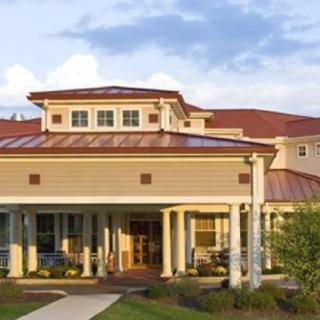
 Extensive amenities and robust assisted living services in a welcoming setting.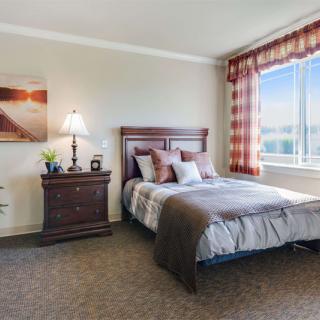
 Comprehending Evening Confusion in Dementia: Causes, Manifestations, and Support
 Delirium and Dementia: Unraveling the Key Differences
 Are Dementia and Alzheimer's Disease Lethal? A Comprehensive Exploration