Cardinal Court Transitional Assisted Living and Memory Care Costs & Pricing
At Cardinal Court Transitional Assisted Living and Memory Care, the monthly costs for various room types reflect a unique pricing structure compared to both Cuyahoga County and the broader Ohio market. For studio apartments, residents can expect to pay between $1,805 and $6,000, offering significant flexibility based on specific needs and preferences. In contrast, the average cost for a studio in Cuyahoga County is approximately $3,632, while throughout Ohio it's slightly higher at around $3,727. For those seeking more space, a one-bedroom unit at Cardinal Court is priced at $2,365 - more affordable than the county's average of $3,410 and approaching state averages of $3,712. Two-bedroom accommodations are available for $2,985, which remains competitive against the county's rate of $3,458 and lower than Ohio's average of $3,501. Lastly, semi-private rooms at Cardinal Court are listed at $4,200; this figure exceeds both the county's average of $3,582 and Ohio's general rate of about $3,965. Overall, Cardinal Court provides a diverse range of options with varied pricing that could cater well to different financial situations within the community context.
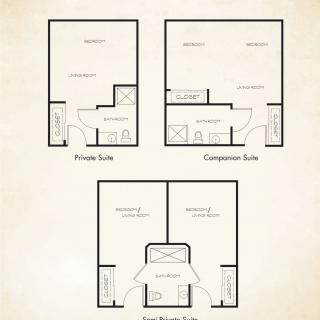
Floor plans
Cardinal Court Transitional Assisted Living and Memory Care
Cuyahoga County
Ohio
Studio
$1,805 to $6,000
$3,632
$3,727
1 Bedroom
$2,365
$3,410
$3,712
2 Bedrooms
$2,985
$3,458
$3,501
Semi-Private
$4,200
$3,582
$3,965
Skilled Nursing Facilities with a similar price nearby
Overall Review of Cardinal Court Transitional Assisted Living and Memory Care
common32 reviews mention this
Caregivers are consistently described
Staff are repeatedly described as caring, patient, and attentive to residents.
Many reviewers describe staff who take time to get to know residents, answer questions, and respond with patience during difficult transitions. Several families also mention the staff’s compassion during memory-care moments, including calming approaches and respectful interactions. A few negative reviews dispute this overall picture, citing staffing and care concerns, while most of the other accounts emphasize trust and responsiveness.
differentiator18 reviews mention this
Memory care support is central
Residents and families describe memory-care support as a core strength.
Reviewers frequently connect their decision to memory care and describe feeling that the team understood dementia needs. Some mention staff redirecting residents calmly and treating them with dignity, while others highlight communication and guidance as conditions change. Several reviewers also point to safety features and structured routines that help residents stay engaged at their level.
common14 reviews mention this
Activities keep residents engaged
Activities are a regular part of life, not an occasional event.
Multiple reviews describe daily or frequent activities, including arts and crafts, music or games, and outings. Families also mention how the activity team involves residents and, in some cases, includes families in celebrations. One caveat in the reviews is that the number or variety of activities can feel uneven at times, and a couple of accounts describe limited engagement during specific periods.
common8 reviews mention this
Dining gets frequent positive mentions
Dining experiences are often described as pleasant and thoughtfully handled.
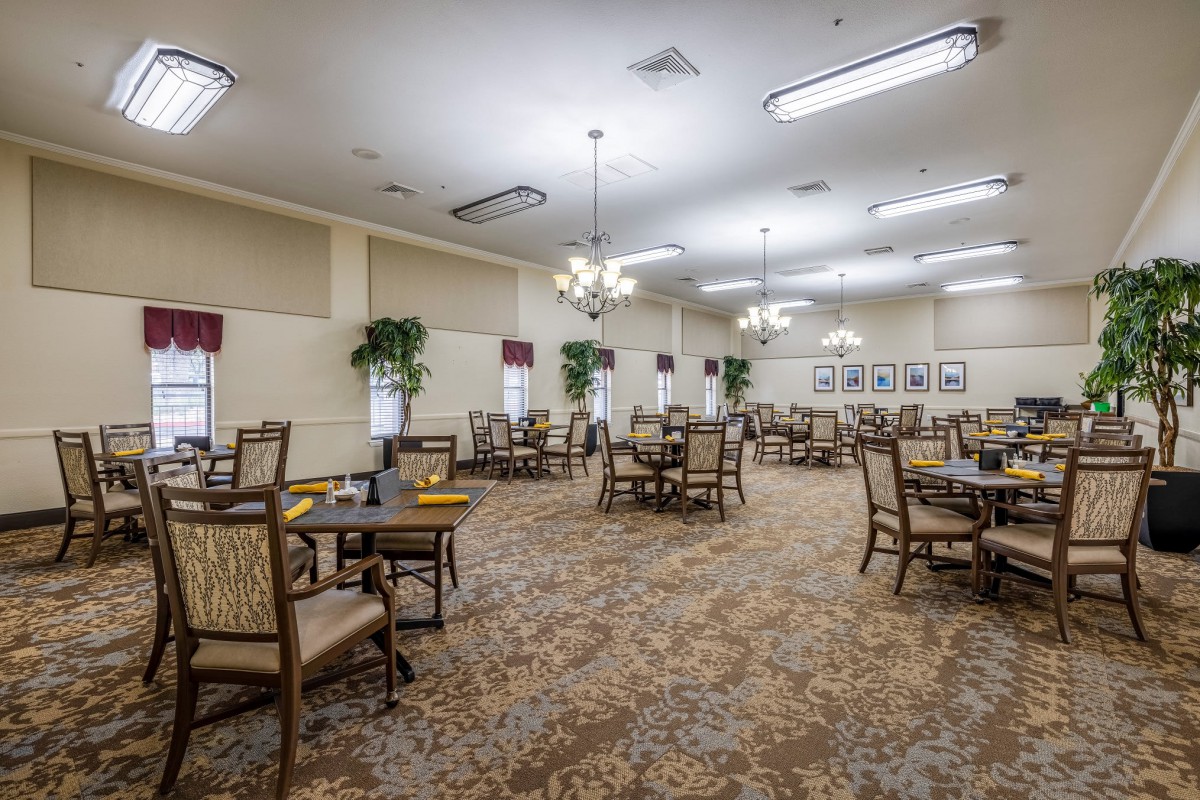
Several reviewers mention good food quality and staff involvement in making sure residents are comfortable during meals. Others describe individualized attention around food preferences and daily meals being served regularly. The dining section of the community’s offerings also points to multiple dietary options and room service-style convenience, which aligns with the way residents’ needs are discussed in reviews.
common10 reviews mention this
Home-like layout and cleanliness
The facility is frequently described as clean, well maintained, and home-like.
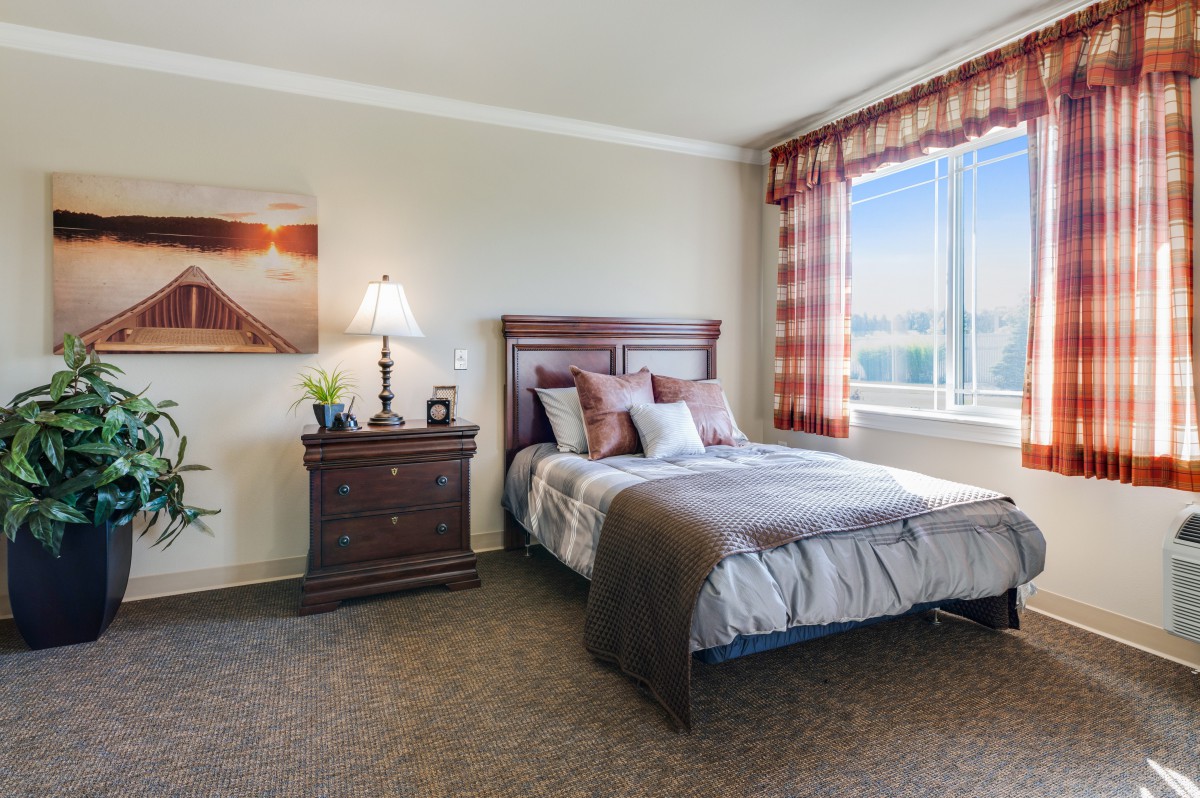
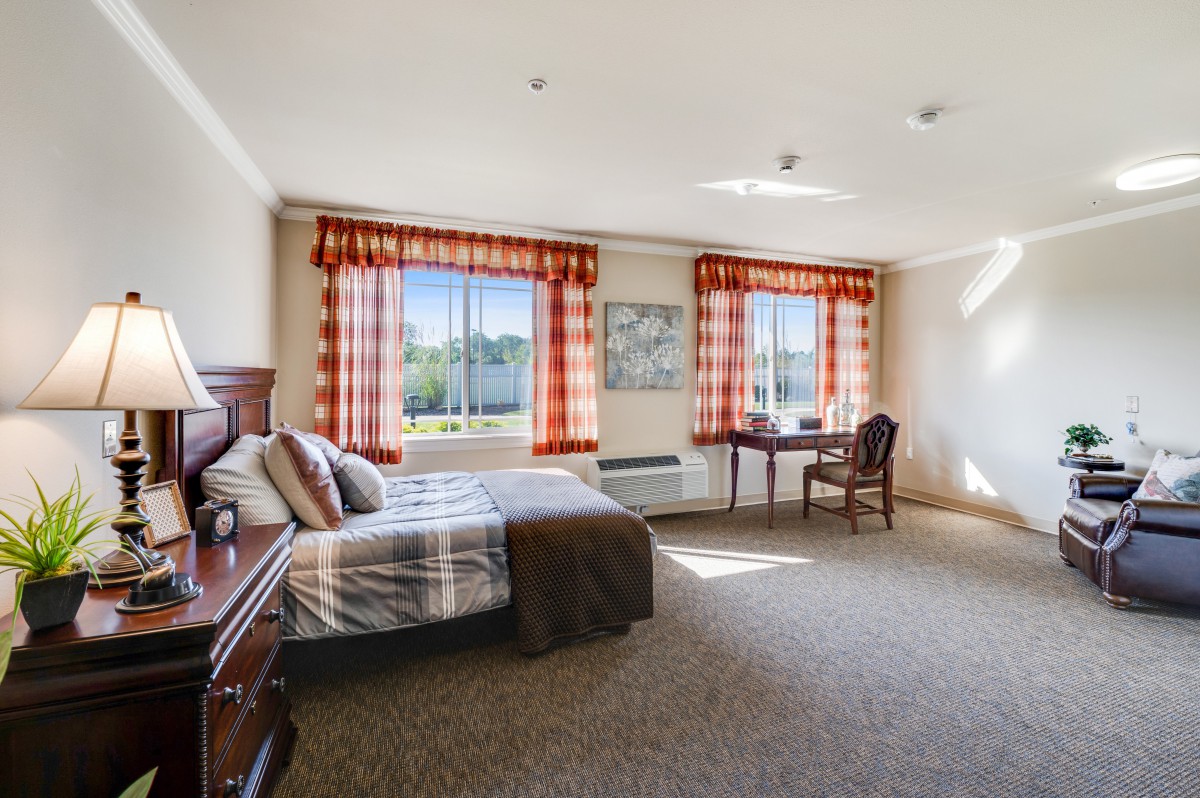
Many reviewers describe the building and rooms as well kept, spacious, and bright, with multiple outdoor spaces and courtyards referenced. Families also mention weekly cleaning routines and that the community feels less institutional. A couple of reviews contrast that positive first impression by raising concerns about staffing presence, but the majority of accounts focus on cleanliness and comfort.
differentiator2 reviews mention this
Cost is positioned as a value
Pricing is described as a strong value compared with alternatives families toured.
At least one reviewer explicitly points to value for the money when deciding between communities. The pricing snapshot also shows the community’s listed price range sits below county and state reference points across unit types, which supports why some families felt it was affordable for the care described.
How we summarize
Counts show how many written reviews mention each theme; a review can touch several themes, and only frequently mentioned themes are displayed.
Features
Housing
1-bedroom apartments
2-bedroom apartments
Studio apartments
Types of Care
Assisted Living
Memory Care
Skilled Nursing Facility
Amenities
Activities off-site
Activities on-site
Air-conditioning
Bath tubs
Beautician on-site
Cafe
Computer center
Devotional services on-site
Dining room
Financing advice
Garden
Garden view
Ground floor units
Guasts at mealtime
Guest parking
Handicap accessible
Home sale assistance
Housekeeping services
Indoor common areas
Outdoor common areas
Party space
Private bathrooms
Respite or short term stays offered
Security gate
Spa
TV room
VA Benefits Consultation
Wheelchair accessible showers
Wi-Fi/high-speed internet available
Transportation
Cleveland-Hopkins International (8 miles away)
Care Services
Companion care
Diabetic care
High acuity care
Incontinence care
Medication management
Personal care assistants
Dining
Anytime dining
Diabetes diet
Guest meals
Kosher
Low / no sodium
Low fat
Meals provided
No Sugar
Professional chef
Renal
Room service
Special dietary restrictions
Special dining programs
Vegetarian
Activities
Activities off-site
Art classes
Arts and crafts
Book club
Catholic services
Cooking classes
Cooking club
Day trips and outings
Devotional activities on-site
Educational speakers / life long learning
Fitness programs
Games
Gardening club
Happy hour
Karaoke
Live musical performances
Live well programs
Other religious services
Protestant services
Religious services
Stories
Tai Chi
Visiting chaplain or priest
Wii bowling
Yoga / chair yoga
Nearby Places of Interest
This part of Strongsville, Ohio offers a convenient and vibrant community for senior living. With several pharmacies nearby such as Marc's Stores and CVS Pharmacy, medical needs can be easily met. There are also reputable physicians in the area including Allergy Diagnostic and Southwest Family Physicians. For leisure activities, residents can enjoy theaters like Cinemark 383 Strongsville, dine at popular restaurants like Chipotle Mexican Grill and The Rail, or relax at beautiful parks such as Strongsville Wildlife Area and Metroparks Mill Stream Run Reserve North. In case of emergencies, Benchmark Imaging Group and Medina General Hospital provide quality healthcare services. Additionally, there are places of worship such as St Ambrose Endowment Foundation for spiritual support. Transportation options including Cleveland-Hopkins International Airport are also conveniently accessible for travel needs. Overall, this part of Strongsville offers a well-rounded and supportive environment for seniors looking to live comfortably and actively in the community.
Pharmacies
Marc's Stores (0.6 miles)
CVS Pharmacy (1.6 miles)
Discount Drug Mart (2 miles)
Walgreens (2.7 miles)
CVS Pharmacy (2.8 miles)
CVS Pharmacy (3.1 miles)
Discount Drug Mart (3.8 miles)
Physicians
Allergy Diagnostic (0.6 miles)
Digestive Disease Consultants (4 miles)
Southwest Family Physicians (5.6 miles)
Ent Allergy Health (5.6 miles)
Cuyahoga County Board of Health (8.8 miles)
Crystal Clinic Orthopaedic Center (10.4 miles)
Theaters
Cinemark 383 Strongsville (1.5 miles)
Restaurants
Chipotle Mexican Grill (1.5 miles)
The Rail (1.6 miles)
Condado Tacos (1.7 miles)
TGI Friday's (1.7 miles)
Mitchell's Ice Cream (1.7 miles)
Rosewood Grill (1.9 miles)
Chick-Fil-A (1.9 miles)
Parks
Strongsville Wildlife Area (2.4 miles)
Surrarrer Park (4 miles)
Metroparks Mill Stream Run Reserve North (4.3 miles)
James Day Park (6.2 miles)
Hinkley Reservation (7.9 miles)
Rocky River Reservation (8.5 miles)
Cleveland Metroparks - Big Creek Reservation (8.8 miles)
Hospitals
Benchmark Imaging Group (2.5 miles)
Medina General Hospital (3.7 miles)
The Children's Center of Medina County (9.9 miles)
Places of Worship
St Ambrose Endowment Foundation (2.8 miles)
St Matthew's Episcopal Church (10.1 miles)
Cafes
Panera Bread (3.8 miles)
Starbucks (4.1 miles)
Starbucks (9.9 miles)
Transportation
Concourse C (8.1 miles)
TSA Checkpoint C (8.3 miles)
United Airlines Ticket Counter (8.3 miles)
Cleveland-Hopkins International Airport (CLE) (8.3 miles)
At Cardinal Court Transitional Assisted Living and Memory Care, the monthly costs for various room types reflect a unique pricing structure compared to both Cuyahoga County and the broader Ohio market. For studio apartments, residents can expect to pay between $1,805 and $6,000, offering significant flexibility based on specific needs and preferences. In contrast, the average cost for a studio in Cuyahoga County is approximately $3,632, while throughout Ohio it's slightly higher at around $3,727. For those seeking more space, a one-bedroom unit at Cardinal Court is priced at $2,365 - more affordable than the county's average of $3,410 and approaching state averages of $3,712. Two-bedroom accommodations are available for $2,985, which remains competitive against the county's rate of $3,458 and lower than Ohio's average of $3,501. Lastly, semi-private rooms at Cardinal Court are listed at $4,200; this figure exceeds both the county's average of $3,582 and Ohio's general rate of about $3,965. Overall, Cardinal Court provides a diverse range of options with varied pricing that could cater well to different financial situations within the community context.
Incontinence care is crucial in memory care as it addresses the dignity and comfort of residents, helping to alleviate stress and anxiety that can arise from such challenges. By providing tailored support for personal hygiene, caregivers ensure that individuals maintain their sense of self and well-being, allowing them to focus on more engaging activities rather than potential embarrassment. Similarly, medication management is vital for residents with dementia or Alzheimer's disease, as these conditions often complicate adherence to prescribed treatments. A structured approach to medication administration not only helps in managing symptoms effectively but also minimizes the risks associated with missed doses or improper usage, thereby supporting overall health and enhancing cognitive function. Together, these features create a nurturing environment where residents feel secure and cared for, fostering an atmosphere conducive to their well-being and quality of life.
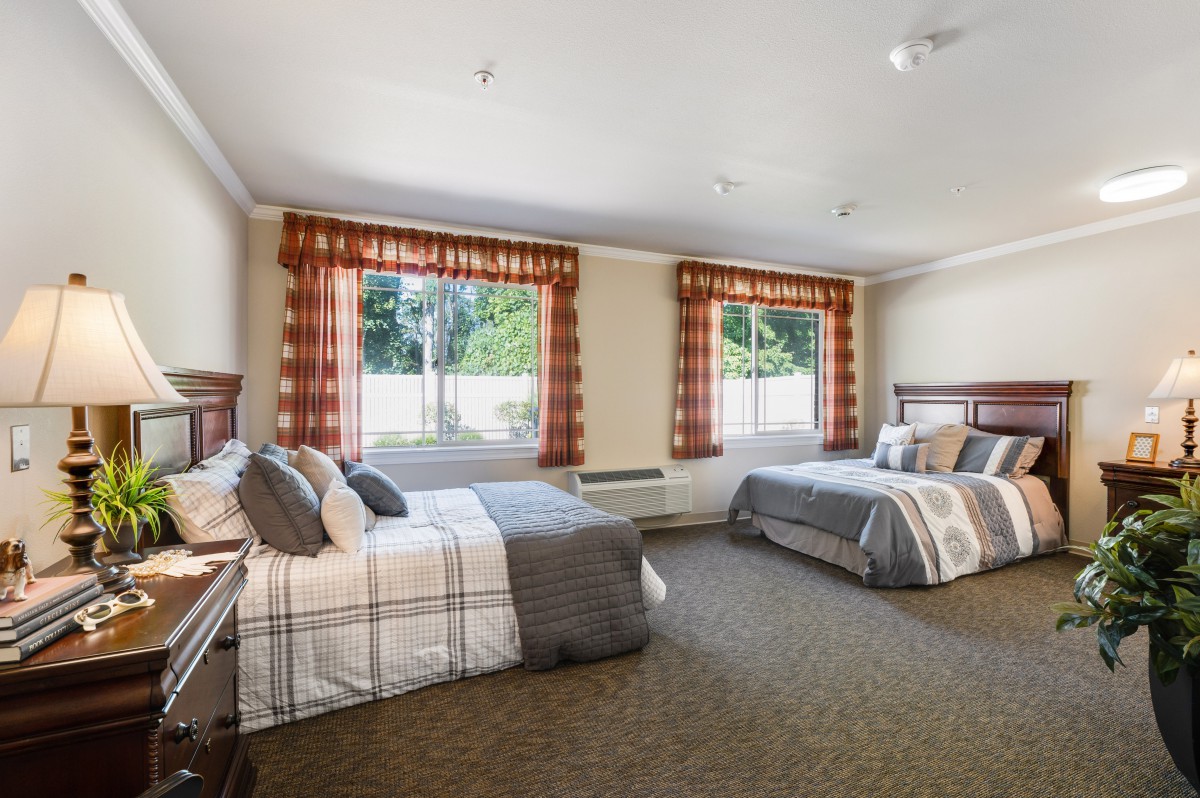
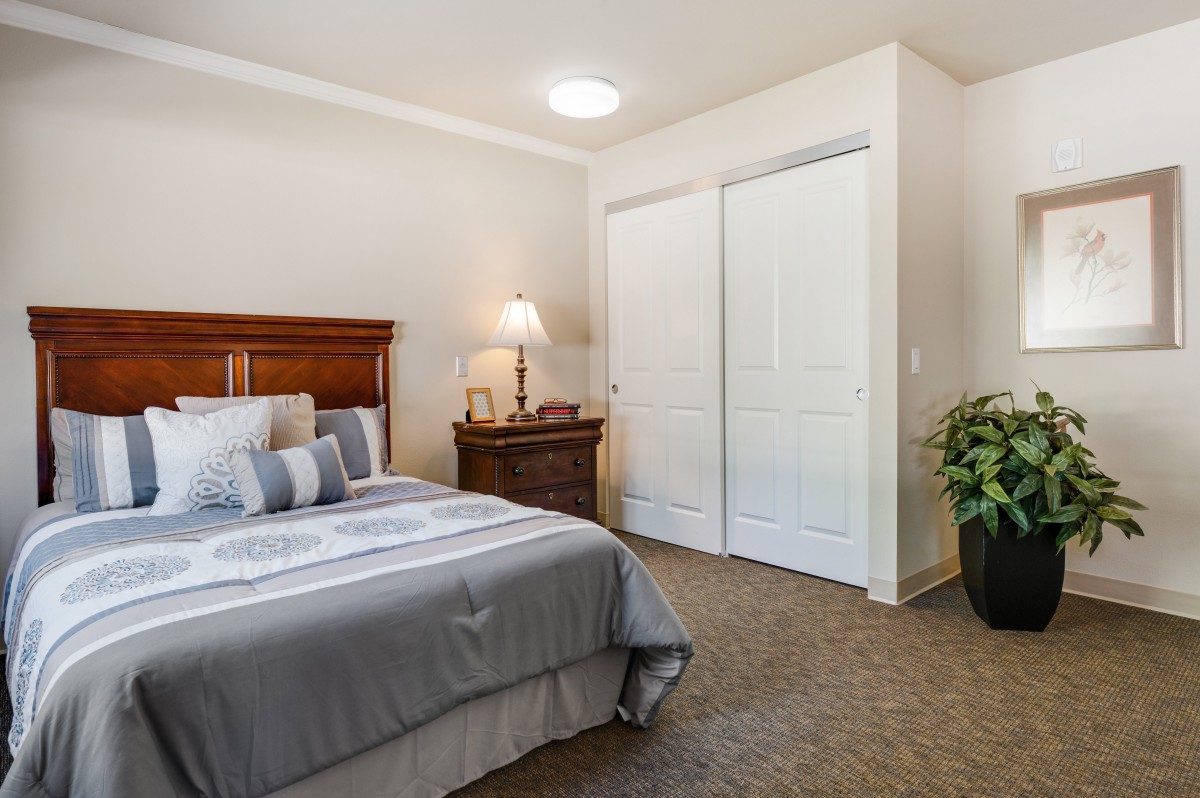
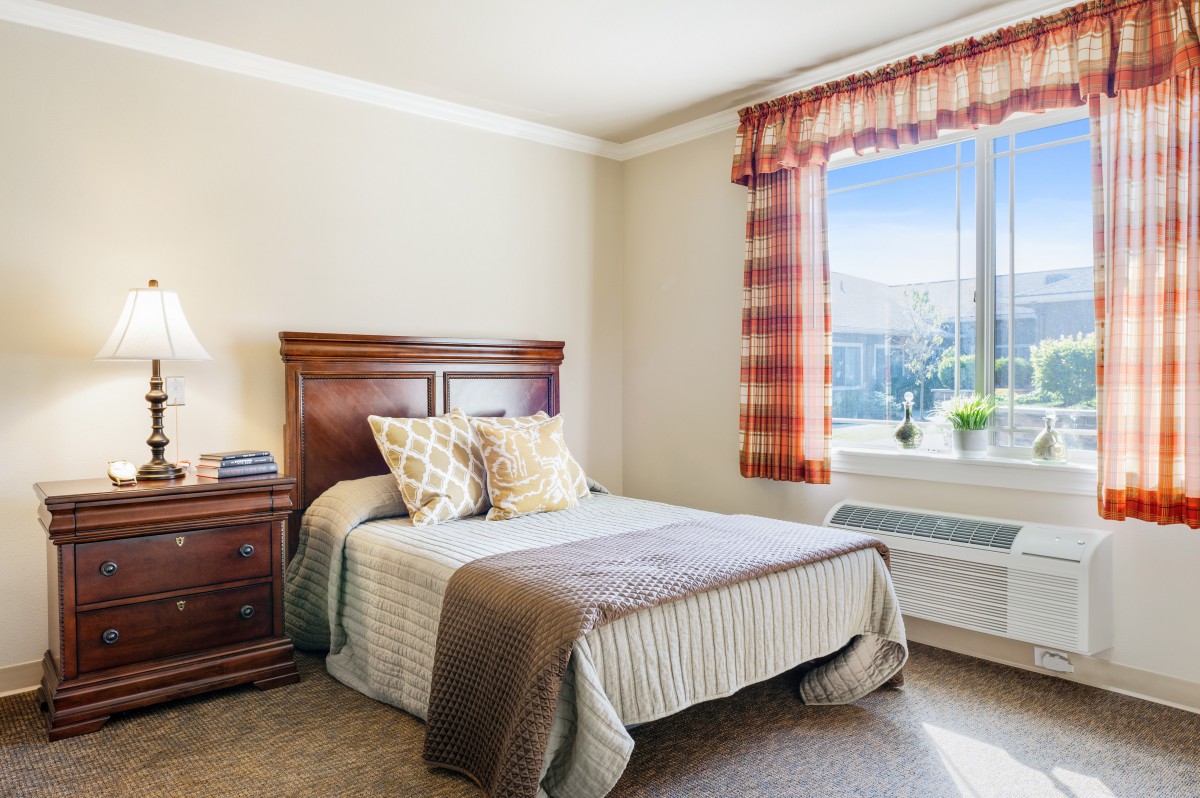
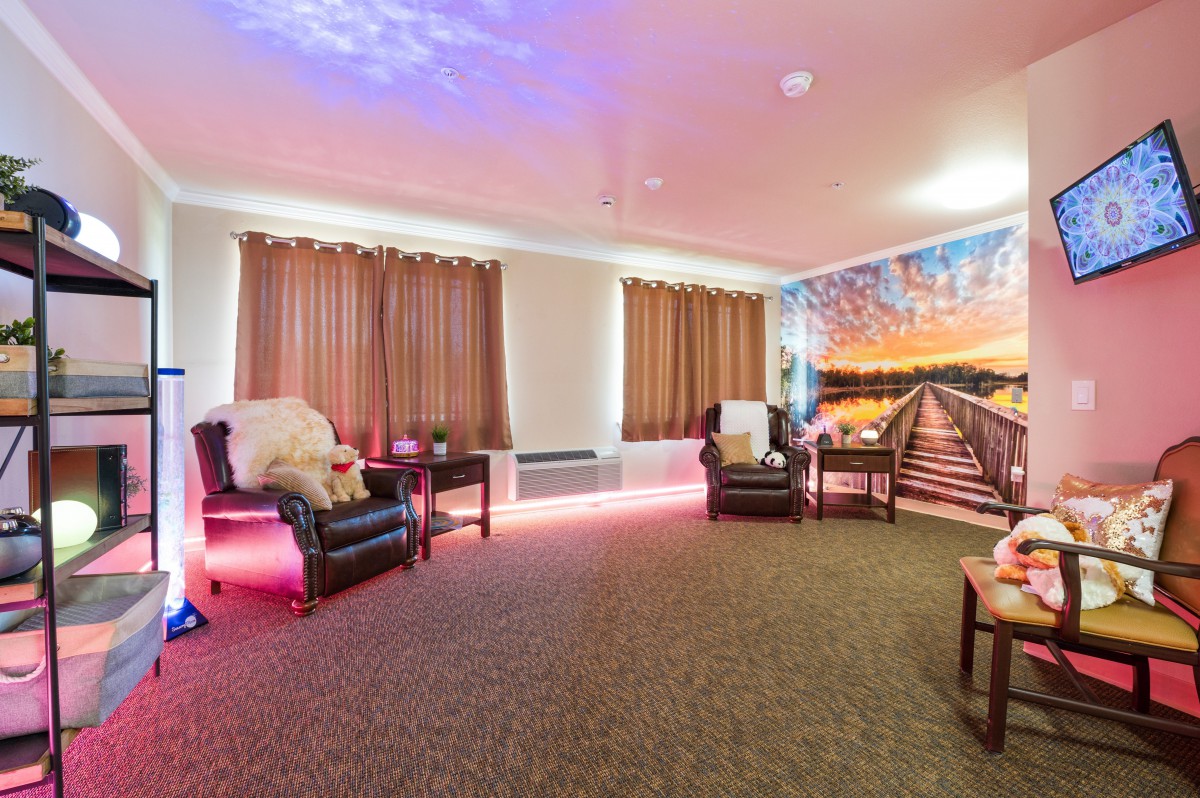
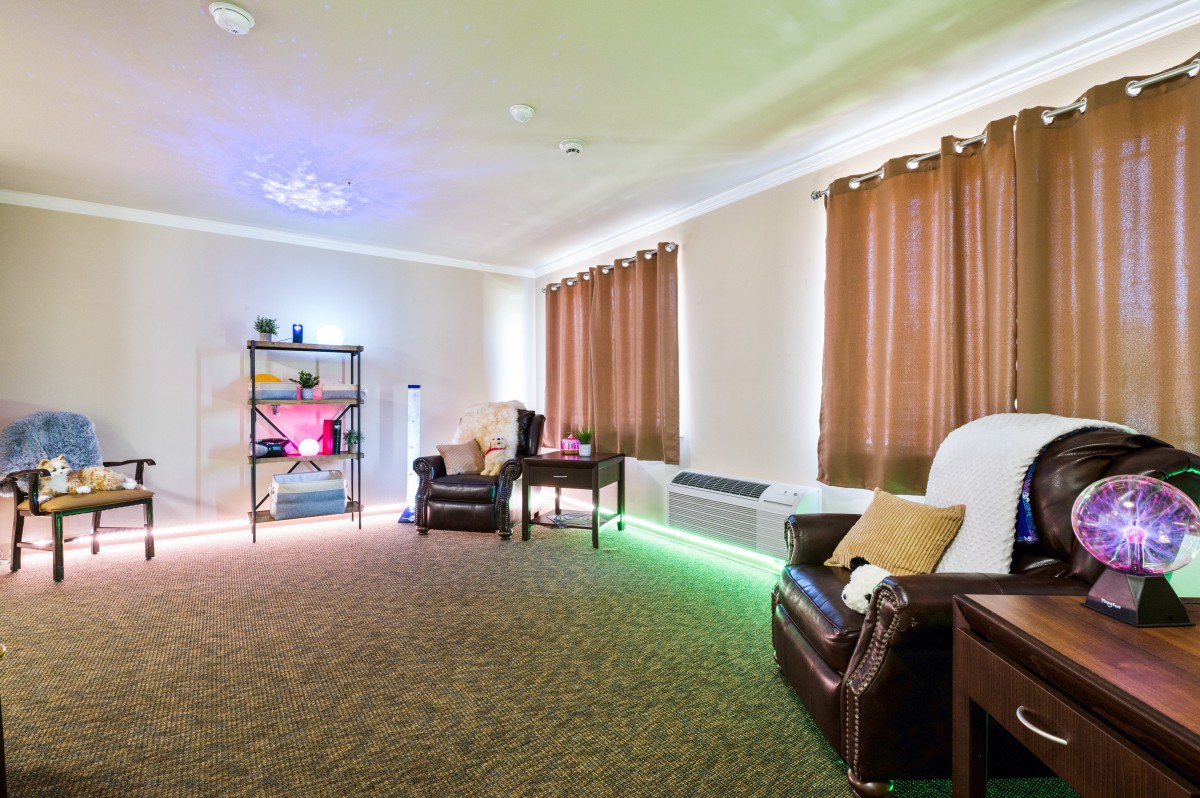
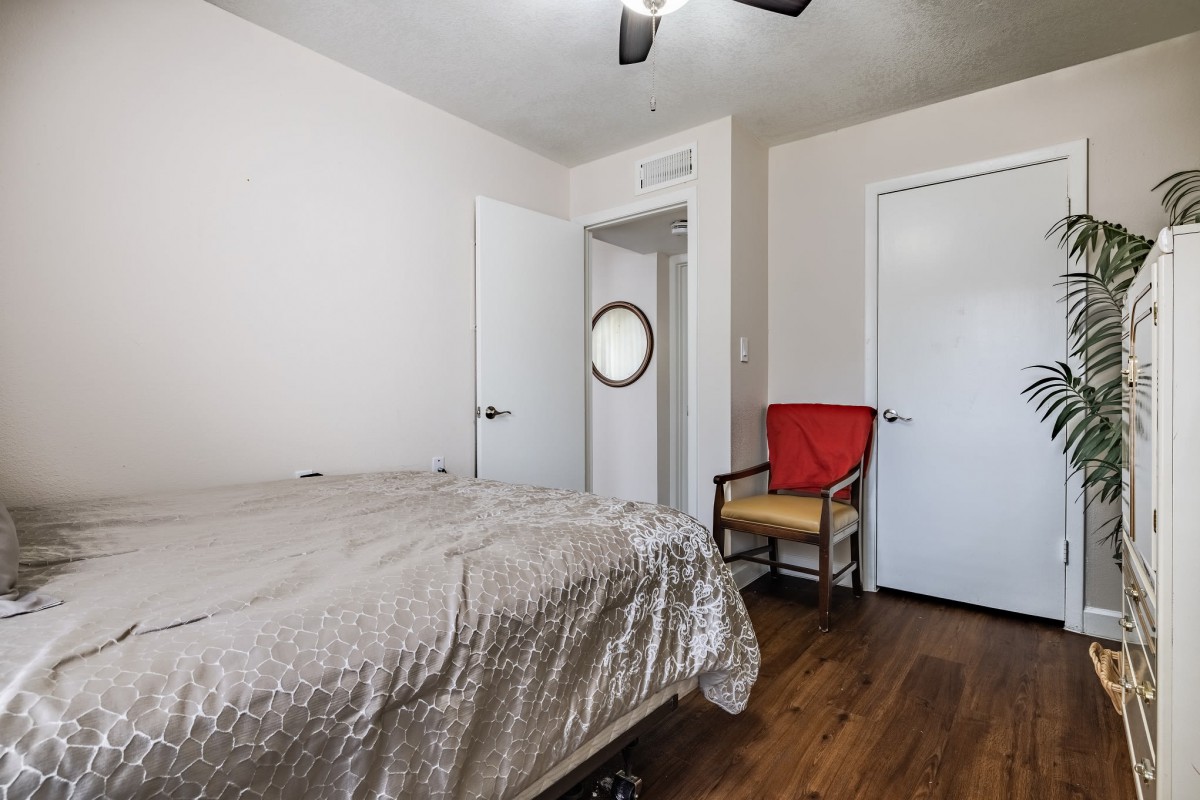
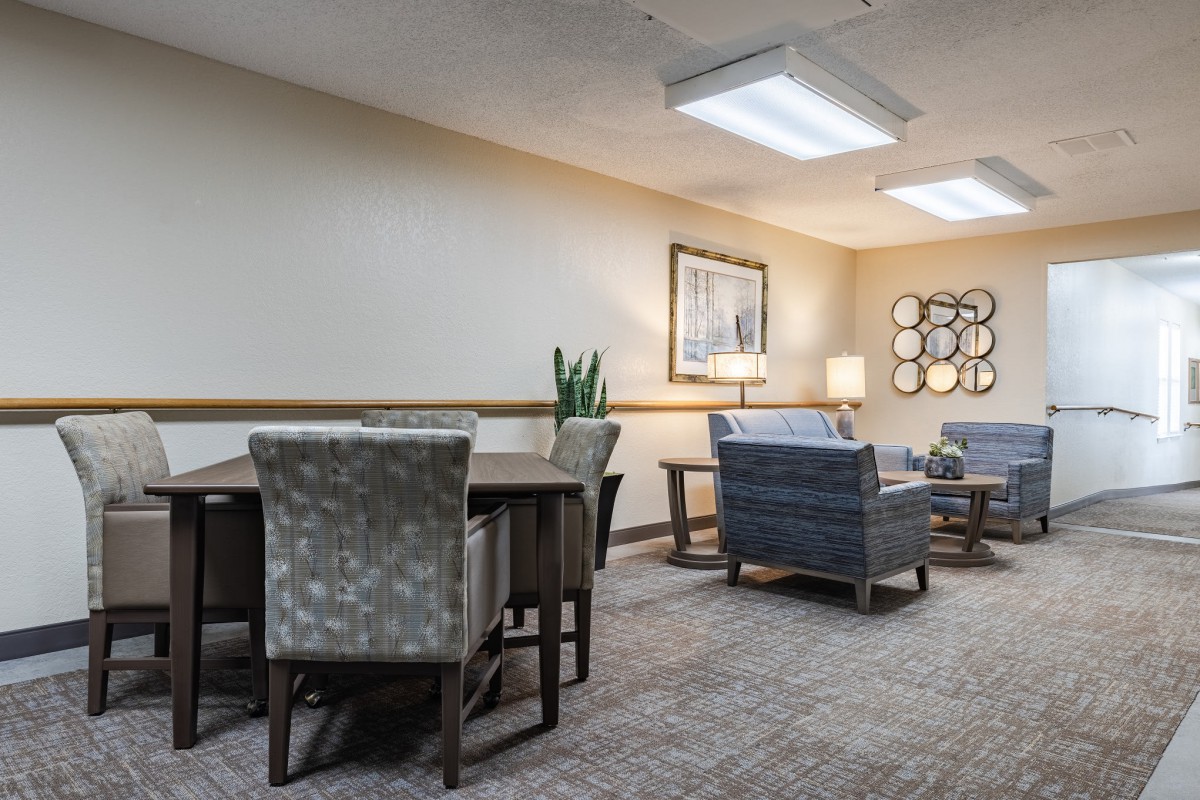
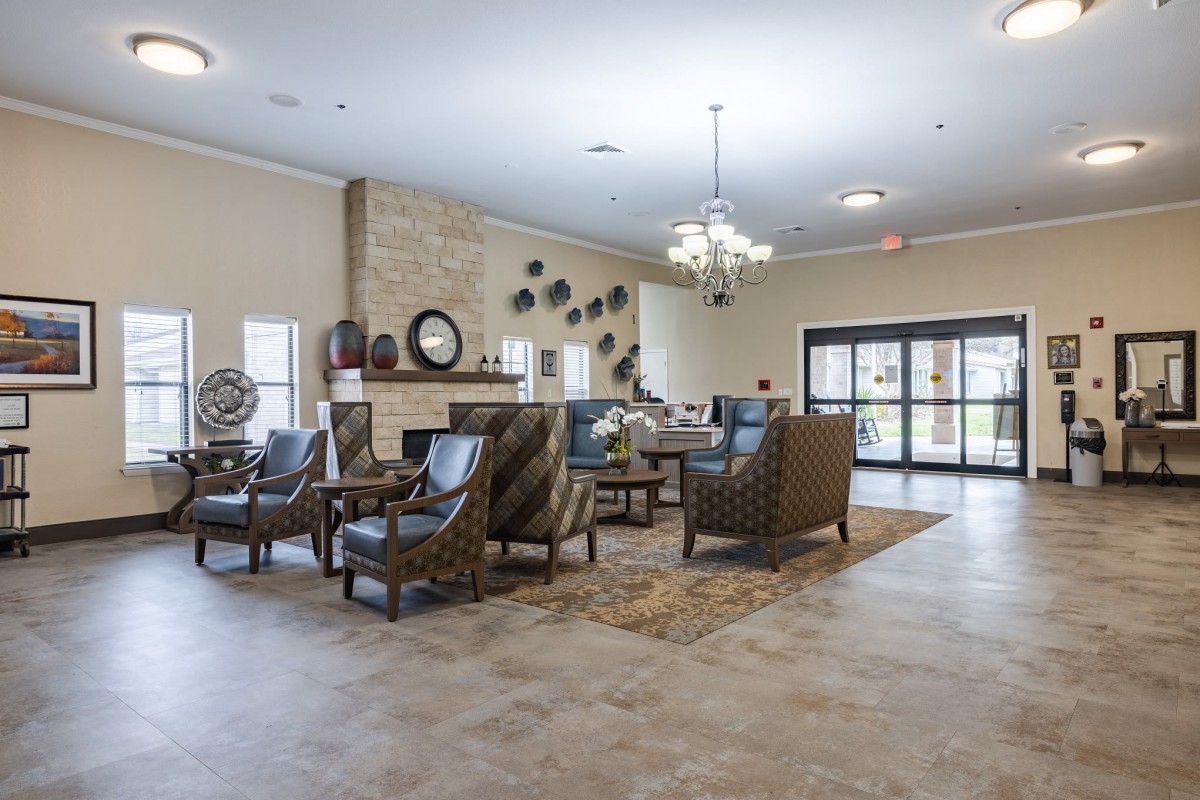
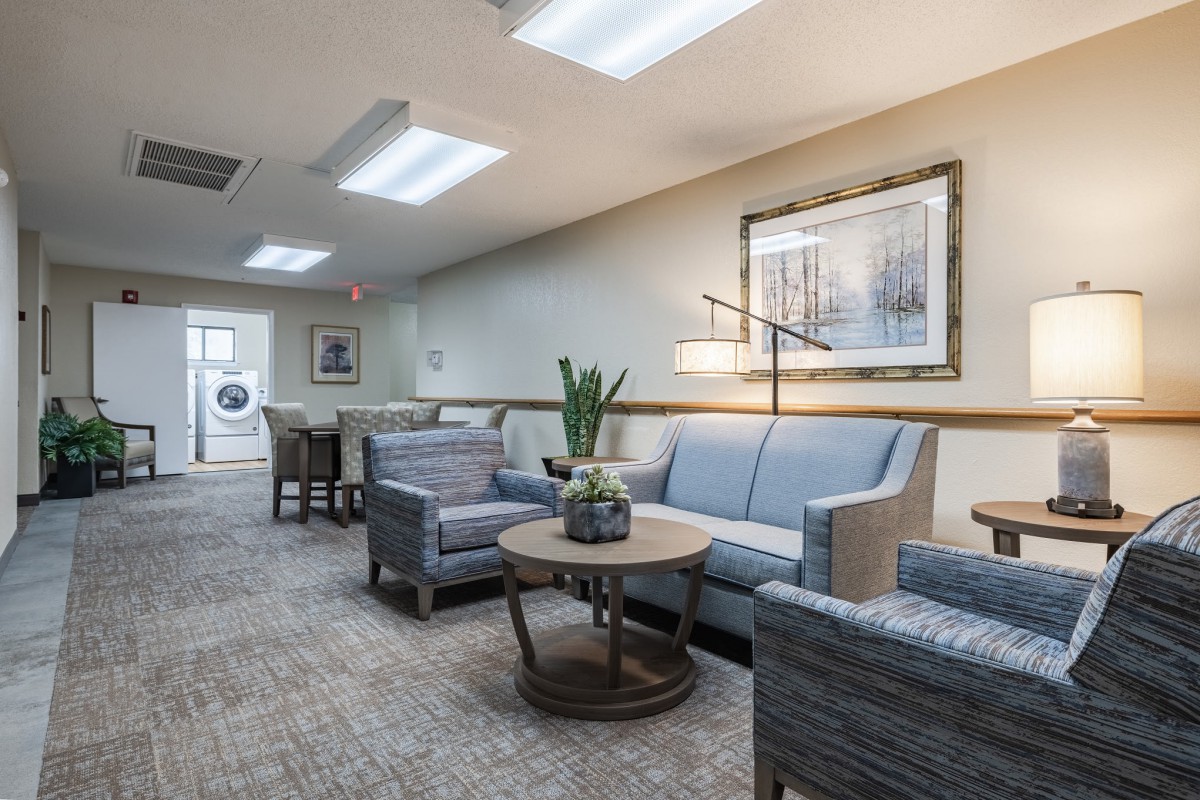
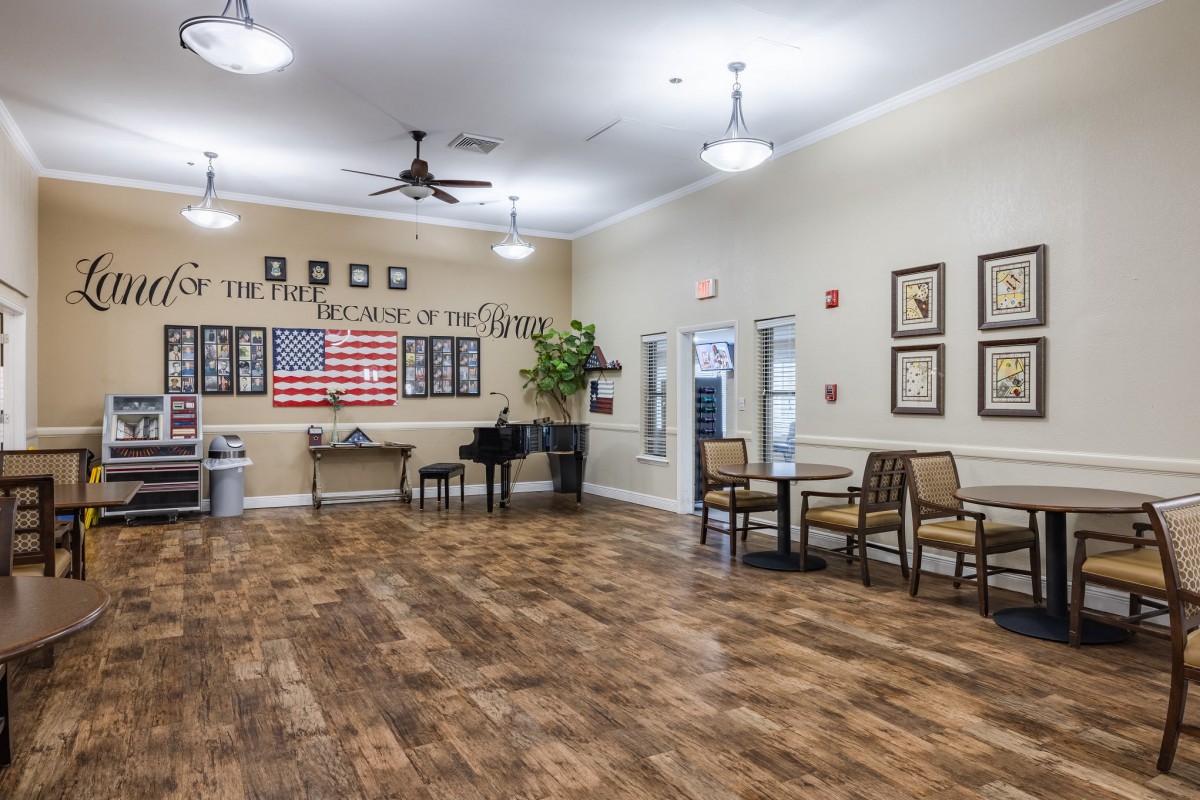
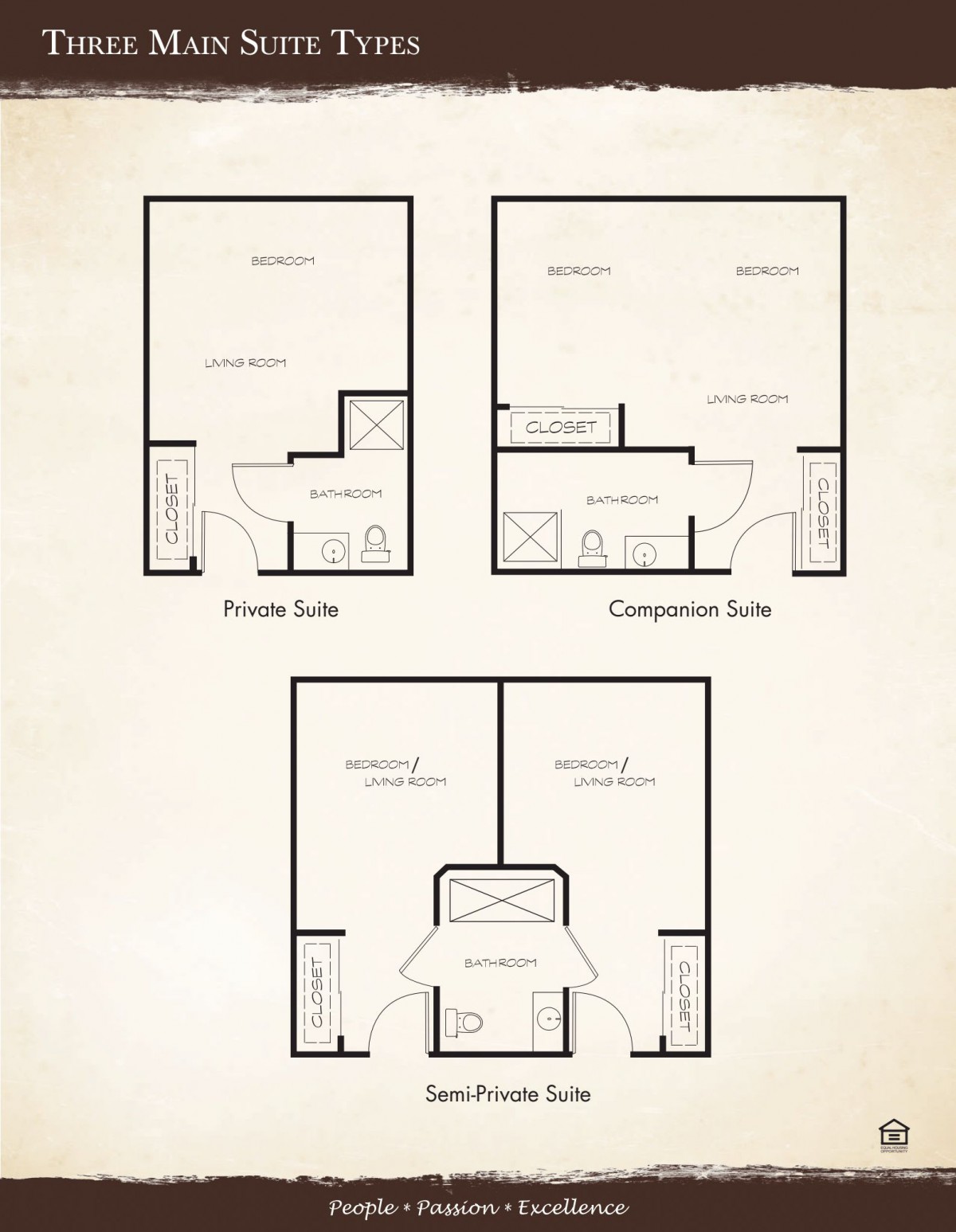
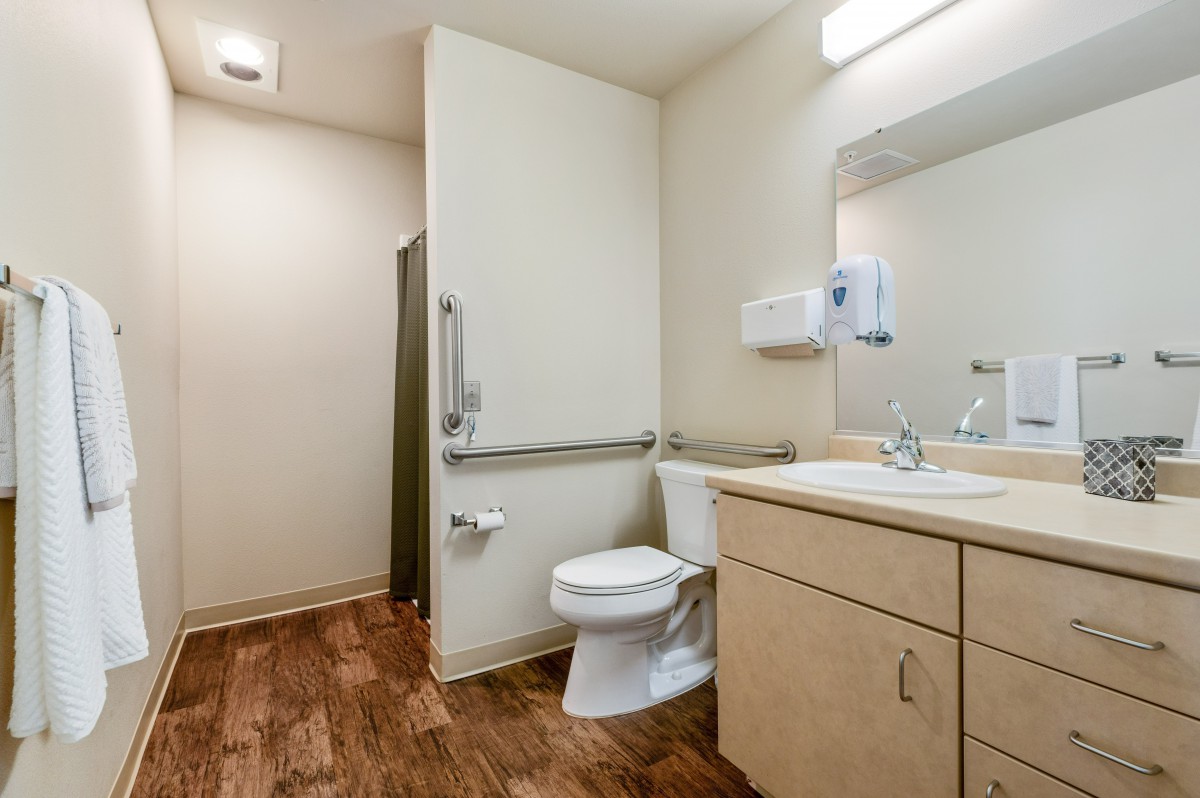
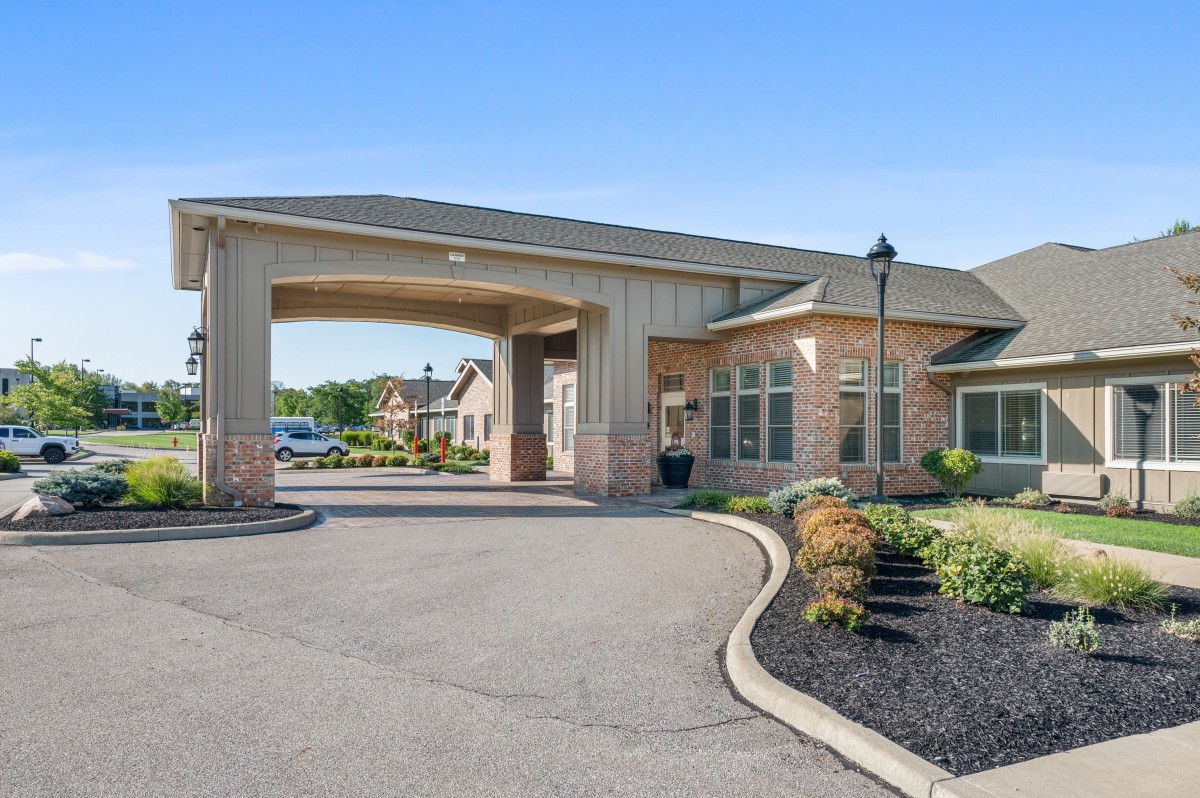
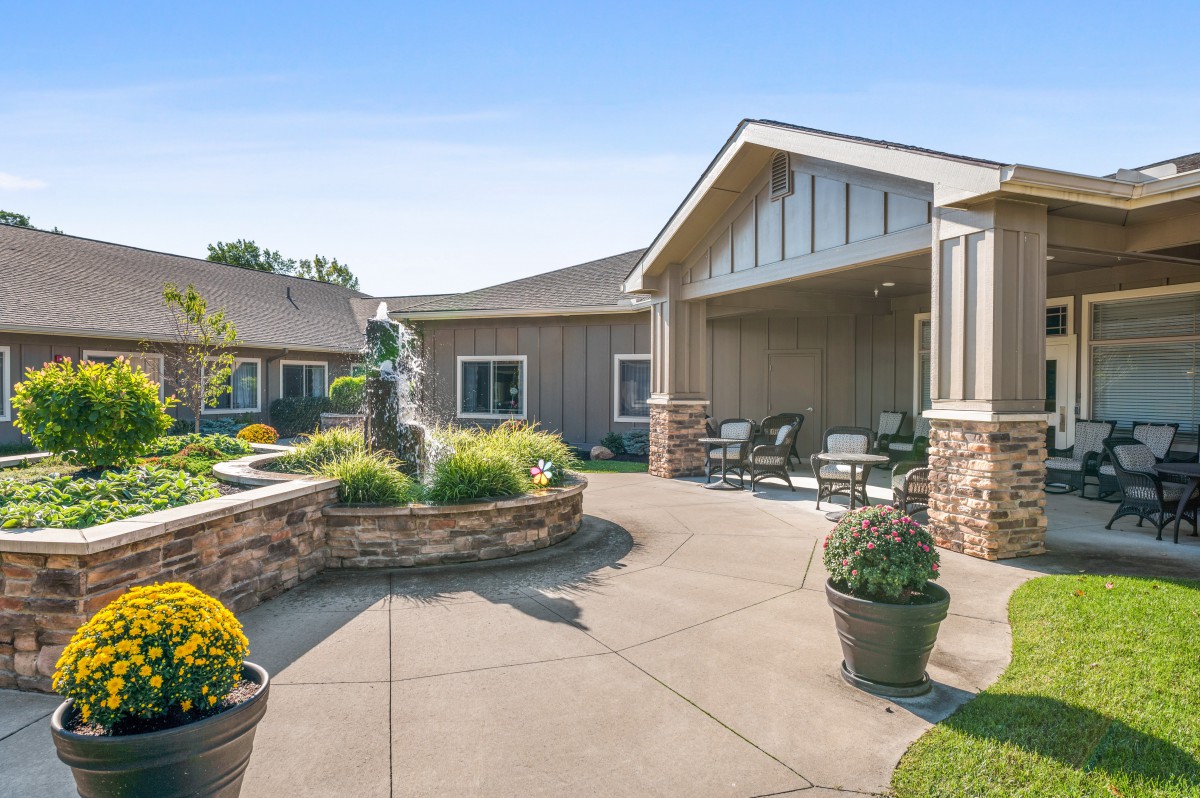
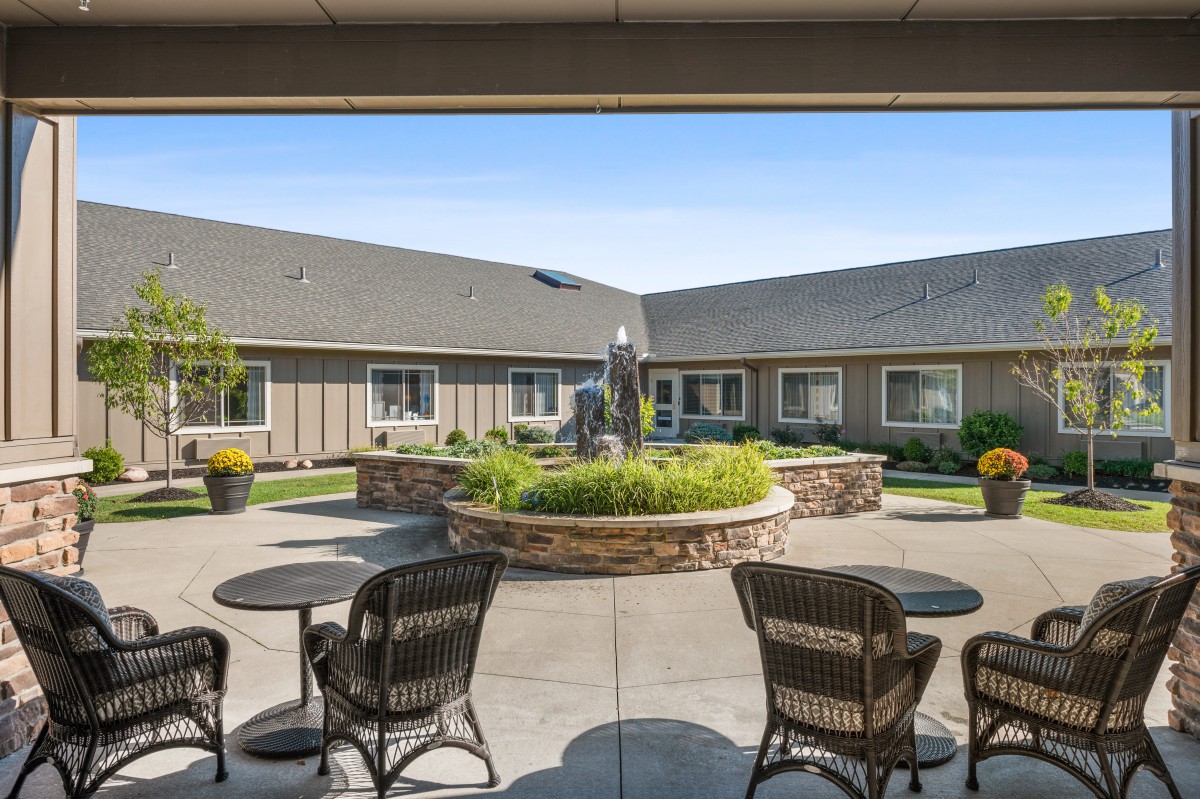
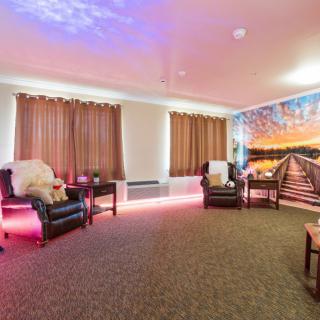
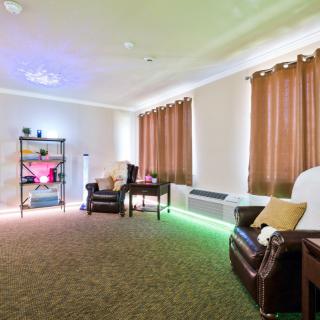
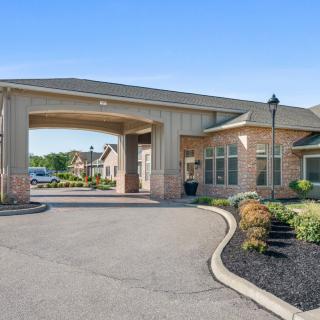
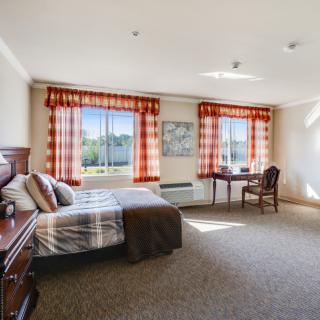
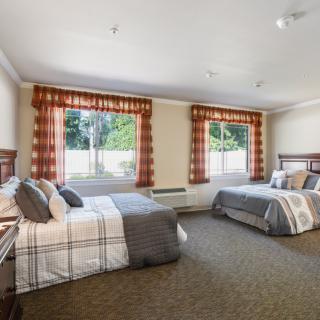
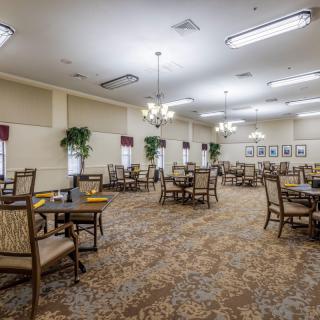
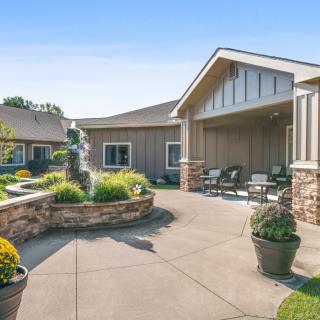
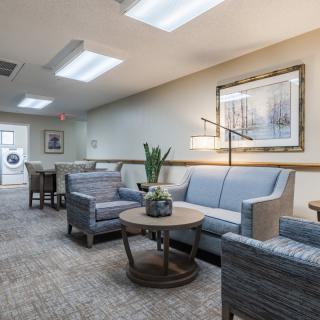
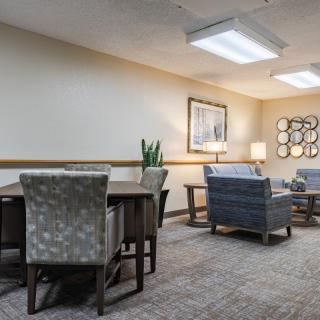
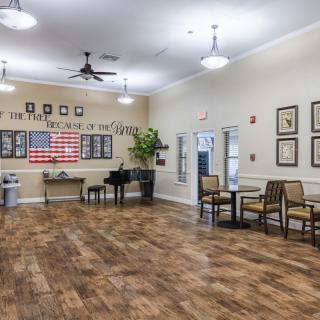
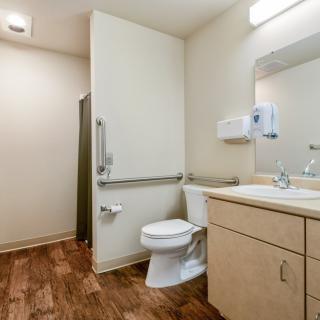
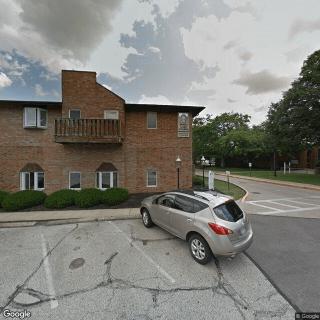
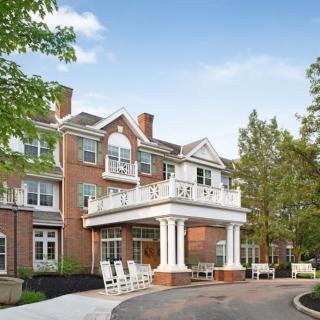
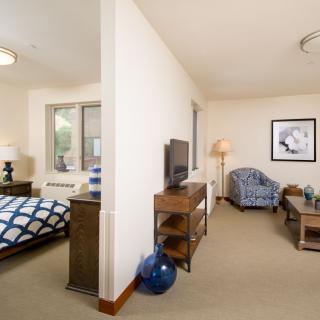
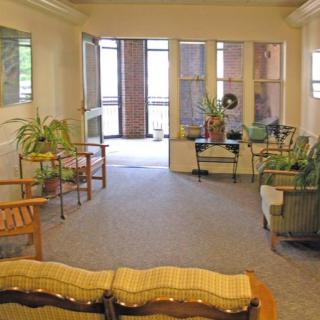
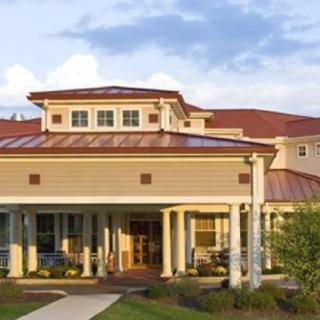
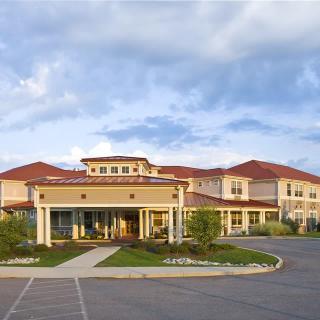
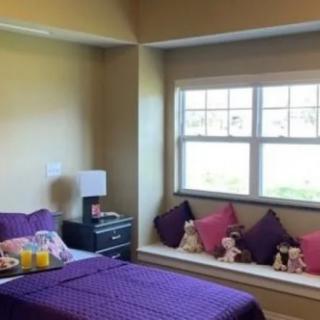
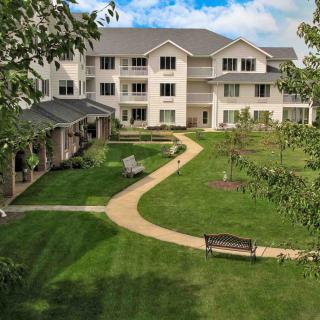
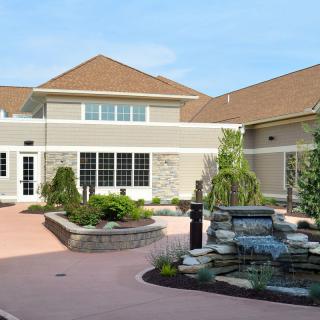
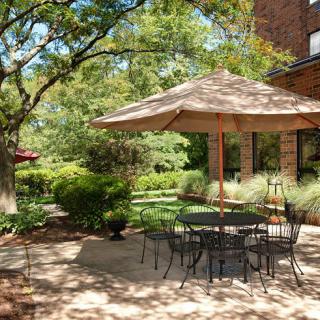
Cardinal Court Transitional Assisted Living and Memory Care on seniors.fyi includes 18 photos including images showing interior, bedroom, decor, windows, landscaping, living room, lighting, bathroom, and more.
Nearby Communities
Cardinal Court Memory Care & Transitional Assisted Living
Strongsville, OH
4.3 from 36 reviews
Specialized memory care with 24/7 supervision and engaging activities.
A Place to Call Home
Strongsville, OH
4.7 from 12 reviews
$4,000 to $4,500 / month
Caring, attentive staff in a clean, home-like setting.
SouthWest Commons
Strongsville, OH
4.4 from 31 reviews
Extensive amenities and robust assisted living services in a welcoming setting.
Southwest Commons by New Perspective
Strongsville, OH
4.4 from 53 reviews
$4,465 to $5,050 / month
Friendly, attentive staff with engaging activities in a clean, home-like environment and open communication.
Strongsville Healthcare And Rehabilitation
Strongsville, OH
4.5 from 113 reviews
$5,367 / month
Fully furnished living spaces with 24/7 supervision, medication management, and engaging activities.
Holiday Pearl Crossing
Strongsville, OH
4.4 from 124 reviews
$1,919 to $3,509 / month
Friendly staff, strong dining program, and an active social atmosphere in a clean, well-kept community.
Shurmer Place at Altenheim
Strongsville, OH
4.1 from 68 reviews
$2,965 to $4,426 / month
Caring staff in a clean, welcoming setting with engaging activities and on-site care options.
Westwood Place
Strongsville, OH
4 from 20 reviews
$1,135 / month
Professional, friendly staff in a warm, home-like community with engaging activities.
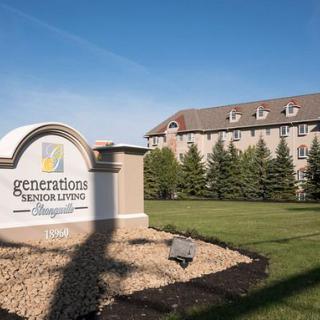
Generations Senior Living of Strongsville
Strongsville, OH
4.6 from 44 reviews
$2,700 / month
Friendly staff, clean facilities, good amenities, and affordable pricing.
Transitioning from assisted living to memory care is driven by an individual's cognitive decline and specific needs, requiring careful evaluation of indicators like increased confusion and wandering. The process involves consulting medical professionals, researching suitable communities, considering financial and legal aspects, and ensuring effective communication for personalized care plans.
The article differentiates between assisted living and memory care, explaining that assisted living supports seniors with daily activities while promoting independence, whereas memory care provides specialized services for individuals with dementia, focusing on secure environments and cognitive support. It also addresses staff training, safety considerations, costs, family involvement, and transition strategies for families navigating these care options.
The article outlines effective communication strategies for interacting with loved ones with dementia, highlighting the need for empathy, patience, and understanding while emphasizing supportive approaches like using simple language, minimizing distractions, and focusing on feelings over facts to maintain dignity and foster connection. It also suggests seeking professional guidance when needed as communication challenges evolve.
Cardinal Court Transitional Assisted Living and Memory Care photos
×
Interior
Outdoors
Decor
Living Room
Building
Bedroom
Windows
Dining
Landscaping
Lighting
Artwork
Seating Area
Floor Plan
Bathroom
Interior
Decor
Bedroom
Dining
Living Room
Landscaping
Windows
Floor Plan and Room Design
Building, Architecture, and Entrance
Bathroom, Accessible, and Handrail
Lighting
Garden and Outdoor Seating
Artwork
Chandelier
Seating Area
Patio and Fountain
Outdoors and Courtyard
Lobby
Flag, Wall Art, Piano, and Hardwood Floor
Painting
Plant and Closet
Get PricingAsk A QuestionSchedule A TourContact Senior Advisor
By clicking submit, you agree to our Partner's Terms of Use. You
also consent to receive calls and texts, which may be autodialed, from our Partner. Your consent is not a condition to
using our Partner's service. Please visit our Partner's Privacy Policy for information about their privacy practices.

 1-bedroom apartments
 Assisted Living
 Memory Care
 Skilled Nursing Facility
 Activities off-site
 Air-conditioning
 Bath tubs
 Beautician on-site
 Cafe
Cafe Computer center
 Devotional services on-site
 Dining room
 Financing advice
 Garden
 Ground floor units
 Guest parking
 Handicap accessible
 Housekeeping services
 Indoor common areas
 Outdoor common areas
 Party space
 Private bathrooms
 Respite or short term stays offered
 Security gate
 Spa
Spa TV room
 Wheelchair accessible showers
 Wi-Fi/high-speed internet available
 Cleveland-Hopkins International (8 miles away)
 Companion care
 Diabetic care
 High acuity care
 Incontinence care
 Medication management
 Anytime dining
 Diabetes diet
 Special dietary restrictions
 Art classes
 Book club
 Catholic services
 Cooking classes
 Day trips and outings
 Educational speakers / life long learning
 Fitness programs
 Games
Games Happy hour
 Karaoke
 Live musical performances
 Wii bowling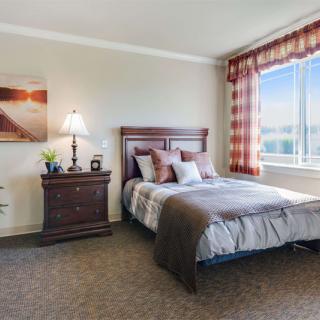
 Specialized memory care with 24/7 supervision and engaging activities.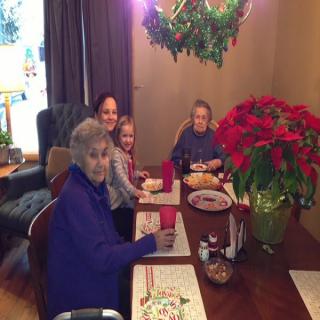
 When to Transition from Assisted Living to Memory Care: Key Indicators, Steps, and Finding the Right Community
 Understanding the Distinctions: Assisted Living and Memory Care Explained
 How to Communicate with a Loved One Living with Dementia: 10 Supportive Strategies