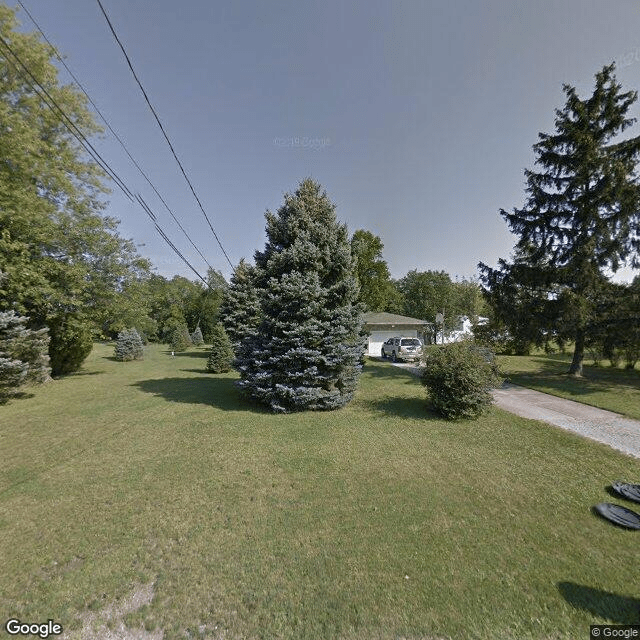
19194 Bowman Drive, Strongsville, OH 44149
To contact a resident: (440) 268-6467
For more information about senior living options: (866) 208-4318
A Place to Call Home Costs & Pricing
A Place to Call Home offers competitive pricing for its accommodations compared to the broader market in Cuyahoga County and the state of Ohio. For a semi-private room, their monthly fee stands at $4,000, which is slightly above the county average of $3,582 and just under the state average of $3,965. Similarly, both one-bedroom and private rooms are priced at $4,500; this is higher than Cuyahoga County's average of $3,410 for one-bedroom units but aligns closely with Ohio's overall rate of $3,712. For private rooms, A Place to Call Home's rate is consistent with that of Cuyahoga County at $4,500 yet exceeds the state average of $4,771. These figures suggest that while A Place to Call Home positions itself on the premium side when compared with local standards, it also maintains a commitment to offering high-quality living arrangements tailored to individual needs.
| Floor plans | A Place to Call Home | Cuyahoga County | Ohio |
|---|---|---|---|
| Semi-Private | $4,000 | $3,582 | $3,965 |
| 1 Bedroom | $4,500 | $3,410 | $3,712 |
| Private | $4,500 | $4,004 | $4,771 |
Memory care communities with a similar price nearby
-
from +$200 / mo
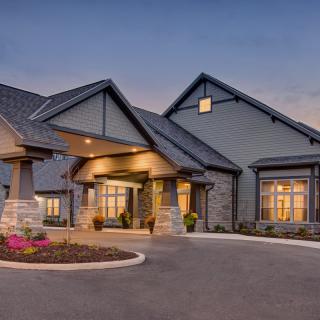
Maplewood At Cuyahoga Falls
$4,200 to $5,500 / month19.0 miles away -
About the same
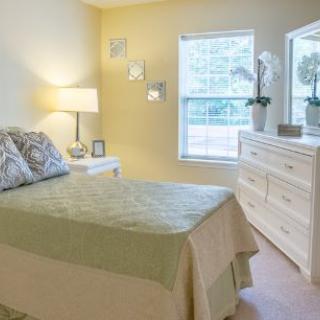
Independence Village Of Avon Lake
$3,994 to $5,080 / month16.1 miles away -
About the same
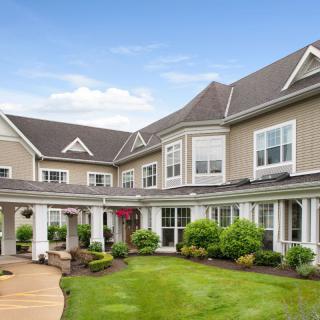
Sunrise of Cuyahoga Falls
$4,080 to $5,610 / month20.6 miles away -
from -$335 / mo
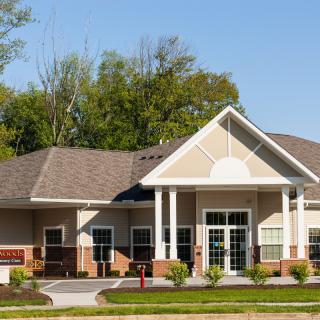
Cuyahoga Falls Danbury Woods
$3,665 / month22.9 miles away -
from -$407 / mo
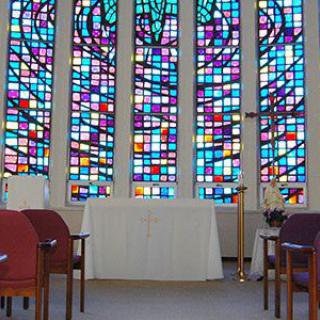
Light of Hearts Villa
$3,593 to $4,343 / month17.4 miles away
Overall Review of A Place to Call Home
Pros
 A Place Called Home Elderly Care in Strongsville is described as one of the most caring places for a loved one.
- Families rave about the care their loved ones receive there.
- The owner is said to have one of the biggest hearts, caring for each resident like family.
- The facility is a perfect, affordable place for Mom, with a small, intimate setting and staff who feel like family.
- The staff are kind, considerate, and truly like family, providing excellent care.
- The home is very clean and beautiful, giving families peace of mind.
- Caregivers are caring, patient, and loving, and the staff meet the needs of every resident.
Cons
 They charged the family for 15 days of care when only 5 days were provided and would not reimburse.
- Their actions caused the rapid decline of the mother.
- They did not know how to handle dementia patients.
- They were very unprofessional.
- The reviewer is unhappy about having placed their mother in that facility.
- There are much better places out there for about the same amount of money.
Review
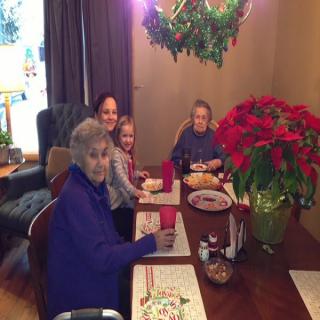
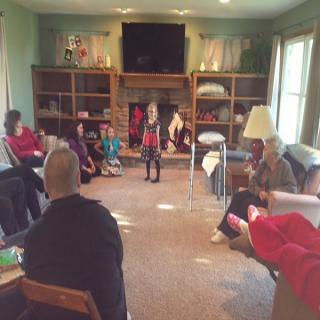
A Place to Call Home Elderly Care in Strongsville is best suited for families that prioritize a very intimate, home-like setting where a loved one receives highly personalized attention. It fits seniors who thrive on flexible routines, direct caregiver interaction, and a sense of family rather than institutional care. With a maximum of six residents, the home-style atmosphere minimizes the detachment many experience in larger facilities. The owner’s daily involvement signals reliability and open lines of communication, which is a strong reassurance for relatives who want to feel truly connected to daily care decisions.
The strongest advantages are the warmth and consistency of the caregiving team. Reviews consistently describe staff as kind, patient, and genuinely caring, with caregivers who are seen as extensions of family. Residents benefit from top-notch, attentive care in a setting where staff can anticipate needs rather than react to crises. The ability to tailor daily life, what to eat, when to sleep, what activities to pursue, helps preserve dignity and autonomy. Clean, well-kept spaces reinforce a calm, homey environment, while the smaller scale supports meaningful relationships between residents and caregivers that larger facilities struggle to replicate.
Another clear upside is the continuum of care offered on-site. The home reports care levels from independent living through dementia-focused support and hospice, allowing a resident to transition within a single, familiar setting as needs evolve. Families repeatedly note the owner’s accessibility and the team’s willingness to accommodate individual preferences and routines, which reduces the stress of moving a loved one to a new environment as care needs change. The moral of the consensus is that this is less about paging through a rigid schedule and more about curating a daily life that respects history, preferences, and identity.
However, one review raises red flags that cannot be dismissed. The reviewer alleges a five-day stay with billing for fifteen days, a disputed refund, rapid decline after transfers, and concerns about dementia handling, professionalism, and HIPAA compliance. While this represents a minority viewpoint in a predominantly positive set of experiences, it signals the need for careful due diligence. Potential families should insist on full transparency: detailed itemized bills, a clear refund policy, documented dementia care protocols, and proof of staff training on privacy and patient rights. This case underscores that no home, even one celebrated for its warmth, should be assumed perfect.
Those concerns don’t erase the compelling positives, but they tilt the decision toward a clear threshold: the pros of a tight-knit, caregiver-forward culture versus the risks some families fear when care complexity or billing questions surface. For a loved one whose needs align with personalized attention, flexible routines, and a homelike daily rhythm, the advantages often outweigh the drawbacks. The small size magnifies relationships, and the on-site ownership structure often translates to faster problem-solving and accountability. Yet for families confronting significant medical complexity, rigorous memory-care demands, or a demand for highly regulated billing practices, alternatives with larger staff pools, formal dementia programs, and more standardized processes may be wiser.
In practical terms, prospective residents should plan a decisive visit: meet the owner, request to walk through several resident rooms at various times of day, observe mealtime dynamics, and speak with direct caregivers about how they handle transitions, pain management, and daily schedules. Bring questions about memory care capabilities, staff training, emergency protocols, and how billing is itemized and reconciled. Ask to review a current care plan for a hypothetical resident, then compare that plan to costs and included services. If warmth, adaptability, and a true home environment top the list, A Place to Call Home offers a compelling, low-key home-away-from-home option worth pursuing, with eyes wide open about the need for transparent billing and robust dementia-specific practices.
 Board and Care Home
 Memory Care
 Activities on-site
 Bath tubs
 Beautician on-site
 Devotional services on-site
 Indoor common areas
 Outdoor common areas
 Private
 Private bathrooms
 Respite or short term stays offered
 Wheelchair accessible showers
 Cleveland-Hopkins International (8 miles away)
 Ambulatory care
 Diabetic care
 High acuity care
 Medication management
 Meals provided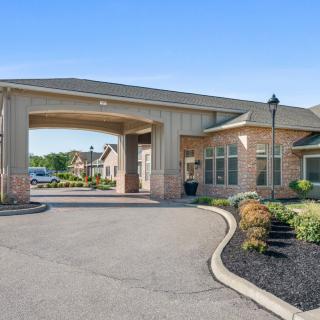
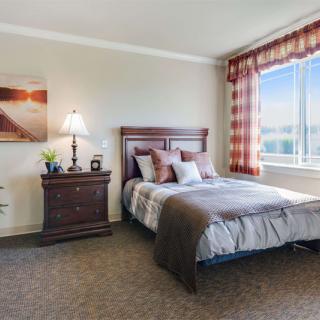
 Understanding the Distinctions: Assisted Living and Memory Care Explained
 How to Communicate with a Loved One Living with Dementia: 10 Supportive Strategies
 Comprehensive Guide to VA Nursing Homes: A Crucial Long-Term Care Resource for Veterans