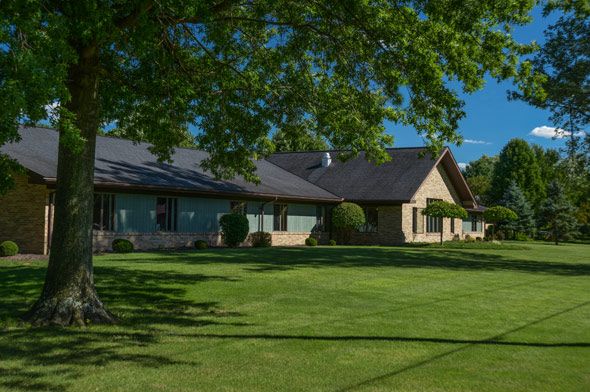
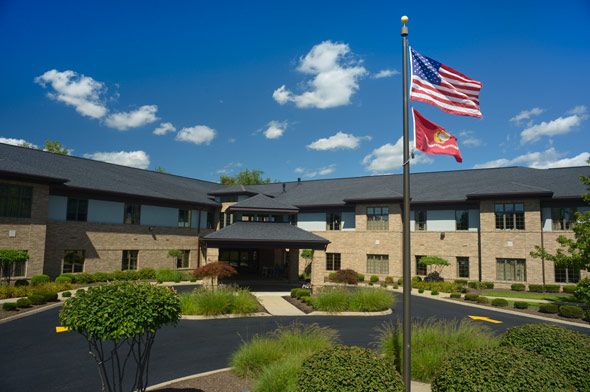


1529 North Crater Avenue, Dover, OH 44622
For more information about senior living options: (866) 208-4318
Overall Review of Park Village Health Care
Pros
 The assisted living has been wonderful to her mother.
- It is a wonderful facility with caring staff.
- The staff are wonderful, and the care provided is appreciated.
- She is happy there.
- The reviewer had a great experience with her mother's care and notes the staff are wonderful.
Cons
 The buildings reek of urine.
- Residents are neglected.
- The staff are rude and unbothered.
- They only care about their favorites.
- The hall smells terribly of urine and feces.
- It took over four hours to obtain Tylenol for a resident.
- The facility is always short-staffed because the rich owners want more money.
- The incentive is to push hospice care, with meds discontinued and residents pumped full of narcotics when they press the call button.
Review
Park Village Health Care in Dover, OH is best suited for families that can tolerate a highly variable care environment and are prepared to be vigilant advocates for their loved ones. It is not a default choice for residents with substantial medical or personal-care needs, nor for anyone who places a premium on consistently clean surroundings, respectful treatment, and reliably prompt care. In short, this community may work for those willing to monitor daily care closely and to move quickly if fundamental issues persist.
Those who may want to consider alternatives include families seeking dependable, evidence-based nursing oversight, consistently clean facilities, and a culture of dignity in every interaction. If a loved one requires steady, respectful administration of medications, timely assistance on call buttons, and a consistently clean, odor-free environment, this community should be approached with caution. Additionally, families who prioritize strong sanitation standards, transparent management practices, and stable staffing should plan to compare with competitors before deciding.
On the upside, there are notes of genuine care from some staff and occasional positive experiences. Several reviews describe wonderful facilities and caring individuals, with family members reporting good interactions when the staff are engaged. A few residents and visitors have found value in the social atmosphere and the basic companionship that can come with a residential setting. Those positive threads suggest that when staffing is sufficient and leadership is attentive, residents can receive meaningful, if not flawless, daily support.
However, the most consequential reviews paint a troubling picture that outweighs the upbeat moments. Repeated odor and sanitation complaints, perceived neglect, and reports of rude or indifferent staff strength the case against the community’s reliability. Disturbing anecdotes about long delays for medications, and a few claims of inappropriate or unsafe practices, raise serious questions about daily oversight and supervision. When conversations about dignity and privacy surface, such as residents being moved through hallways in vulnerable states, the impact on trust and safety becomes central to any decision.
The pros and cons do not balance neatly. The occasional kindness and a few well-run shifts prove that the underlying care framework can work under the right conditions. Yet those positives fail to offset the broad, persistent concerns raised about cleanliness, responsiveness, and staff consistency. For families evaluating this option, the pattern matters more than isolated good days: the risk of neglect, odor problems, and management gaps can undermine comfort and safety, especially for residents with higher care needs or those who cannot advocate fiercely on their own behalf.
Practical next steps are essential. Schedule extended, multi-time visits to observe staff interactions, response times, and kitchen and housekeeping routines. Request current staffing ratios, turnover rates, and a tour that includes back-of-house areas as well as resident rooms. Ask for a transparent discussion of medication management, hospice considerations, and discharge planning if conditions decline. Check recent state inspections and speak with local ombudsman resources. Have a clear plan B in hand and involve other care options in parallel to avoid disruption if the environment proves unstable.
 68 resident community capacity
 Continuing Care Retirement Community (CCRC)
 Skilled Nursing Facility
 Air-conditioning
 Beauty salon
 Cable or satellite TV
 Computer center
 Dining room
 Fitness room
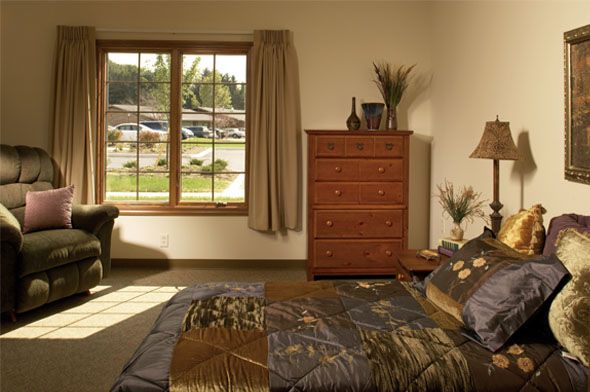
 Fully furnished
 Gaming room
 Garden
 Housekeeping services
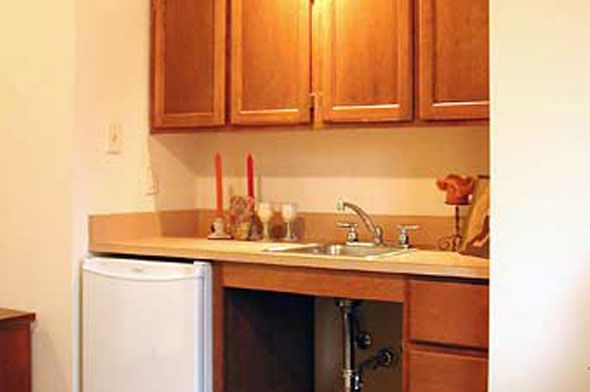
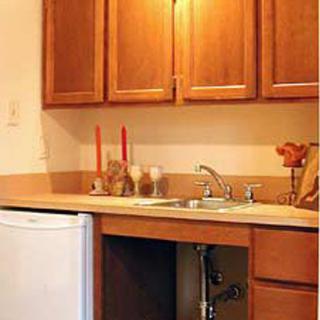
 Kitchenette
 Move-in coordination
 Outdoor patio
 Outdoor space
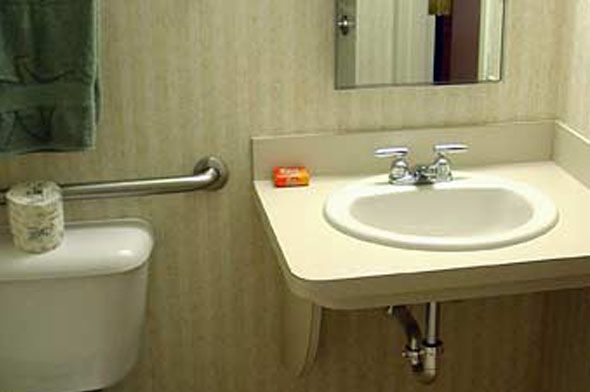
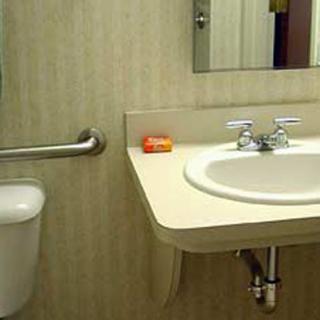
 Private bathrooms
 Restaurant-style dining
 Small library
 Telephone
 Wellness center
 Wi-Fi/high-speed internet available
 Community operated transportation
 24-hour call system
 Activities of daily living assistance
 Assistance with bathing
 Assistance with dressing
 Assistance with transfers
 Diabetes diet
 Medication management
 Special dietary restrictions
 Concierge services
 Planned day trips



 Navigating the Tax Landscape of Caregiving: Credits, Deductions, and Beyond
 Highly Beneficial Low-Impact Exercises for Senior Living Residents
 Is In-Home Healthcare Tax Deductible? Your Comprehensive Guide