The Inn At Northwood Village offers competitive pricing for its residents, particularly when compared to both Tuscarawas County and the broader state of Ohio. The monthly cost for a studio at The Inn is $2,580, which is notably lower than the county average of $3,015 and significantly more affordable than the state average of $3,727. For those seeking a one-bedroom unit, The Inn's price of $4,050 is slightly below the county's cost of $4,245 and remains on par with Ohio's average of $3,712. This positioning reflects The Inn's commitment to providing quality living accommodations at a value that benefits its residents while still ensuring access to comprehensive amenities and services tailored to their needs.
Floor plans
The Inn At Northwood Village
Tuscarawas County
Ohio
Studio
$2,580
$3,015
$3,727
1 Bedroom
$4,050
$4,245
$3,712
Memory care communities with a similar price nearby
Residents and families frequently describe staff as genuinely caring and attentive.
Across many reviews, families say the staff treats residents with patience, kindness, and respect, often describing a welcoming, family-like atmosphere. Several reviewers also praise nursing and aide support for meeting medical needs and keeping families informed. A smaller set of reviews goes the other direction, describing situations where care felt inconsistent or staff did not respond as expected.
common14 reviews mention this
Dining quality stands out
Meals are a frequent highlight in residents’ and families’ feedback.
Multiple reviews call out the food as fresh, delicious, and well prepared, with some describing desserts and meal times as favorites. Others mention that dietary needs are considered through special diets, and that kitchen and dining staff go above and beyond during events. In the mixed feedback, a couple of reviewers contrast stronger dining in assisted living with less satisfying meals after moving into memory care.
common14 reviews mention this
Activities help residents stay social
Planned activities and social events are a consistent reason people enjoy life here.
Many reviews describe a full calendar of activities, including events that families can join, such as bingo and other themed gatherings. Several residents are described as making friends and staying engaged because of daily programming and outings. A few reviews also note differences after switching to memory care, where they felt activities did not match the assisted living experience.
common18 reviews mention this
Facility cleanliness is often mentioned
Reviews frequently mention a clean, well-kept environment.
Many families say the community is clean and welcoming, with rooms and common areas kept up and laundry handled. That said, several critical reviews describe hygiene problems, including issues like unpleasant odors and soiled linens or beds, which directly contradict the cleanliness praise. Those negative accounts point to breakdowns in day-to-day personal care rather than the building itself.
caveat6 reviews mention this
Some reviews describe care responsiveness gaps
A subset of reviews raises concerns about staffing availability and timely help.
Some reviewers report that when a call light is used, help is not available promptly, and that they had to provide care themselves during visits. Other critical reviews describe staff as unresponsive to concerns and note missed or overlooked hygiene needs. These complaints are separate from the many positive stories about attentive staff, but they show up often enough to matter for families weighing day-to-day support.
caveat6 reviews mention this
Memory care is where feedback splits
Memory care experiences are the most consistently disputed part of the reviews.
Several reviews specifically mention dementia or Alzheimer’s care, with concerns about whether staff can engage residents appropriately. A few families also describe hygiene and changing/bathing being missed in memory care, while others say the overall level of service—including food and activities—falls short compared with assisted living. Even among more positive accounts, the sharpest criticism clusters around the memory care experience.
How we summarize
Counts show how many written reviews mention each theme; a review can touch several themes, and only frequently mentioned themes are displayed.
Features
Housing
124 resident community capacity
Types of Care
Assisted Living
Memory Care
Pets
Cats allowed
Dogs allowed
Amenities
Activities off-site
Activities on-site
Air-conditioning
Bath tubs
Beautician on-site
Beauty salon
Cable or satellite TV
Computer center
Devotional services off-site
Devotional services on-site
Dining room
Fitness room
Fully furnished
Gaming room
Garden
Ground floor units
Handicap accessible
Housekeeping services
Indoor common areas
Kitchenette
Move-in coordination
Outdoor common areas
Outdoor space
Private bathrooms
Respite or short term stays offered
Restaurant-style dining
Small library
Telephone
Wellness center
Wheelchair accessible showers
Wi-Fi/high-speed internet available
Transportation
Akron-Canton Regional (24 miles away)
Community operated transportation
Transportation arrangement
Transportation arrangement (non-medical)
Transportation to doctors appointments
Care Services
12-16 hour nursing
24-hour call system
24-hour supervision
Activities of daily living assistance
Ambulatory care
Assistance with bathing
Assistance with dressing
Assistance with transfers
Diabetes diet
Diabetic care
Incontinence care
Meal preparation and service
Medication management
Mental wellness program
Special dietary restrictions
Dining
Diabetes diet
Guest meals
Low / no sodium
Meals provided
No Sugar
Restaurant style dining
Special dietary restrictions
Vegetarian
Activities
Art classes
Catholic services
Community-sponsored activities
Concierge services
Cooking classes
Day trips and outings
Devotional activities offsite
Devotional activities on-site
Educational speakers / life long learning
Fitness programs
Karaoke
Other religious services
Planned day trips
Protestant services
Resident-run activities
Scheduled daily activities
Visiting chaplain or priest
Nearby Places of Interest
This area of Dover, Ohio offers a variety of amenities and services that cater to senior living. With a range of restaurants, cafes, pharmacies, physicians offices, and a hospital nearby, residents have access to convenient healthcare options and dining choices. The presence of places of worship provides opportunities for spiritual fulfillment. Additionally, the proximity to parks allows for recreational activities and outdoor enjoyment. The availability of transportation options such as a bus stop ensures ease of travel within the area. Overall, this neighborhood presents a well-rounded environment suitable for seniors looking for a community with essential services within reach.
The Inn At Northwood Village offers competitive pricing for its residents, particularly when compared to both Tuscarawas County and the broader state of Ohio. The monthly cost for a studio at The Inn is $2,580, which is notably lower than the county average of $3,015 and significantly more affordable than the state average of $3,727. For those seeking a one-bedroom unit, The Inn's price of $4,050 is slightly below the county's cost of $4,245 and remains on par with Ohio's average of $3,712. This positioning reflects The Inn's commitment to providing quality living accommodations at a value that benefits its residents while still ensuring access to comprehensive amenities and services tailored to their needs.
The Inn At Northwood Village offers a comprehensive range of features designed to support residents with dementia or Alzheimer's disease, ensuring their safety and comfort at all stages of their condition. With 24-hour supervision, staff are always available to monitor and assist residents, providing peace of mind for both residents and families. Assistance with activities of daily living, including bathing, dressing, and transfers, helps maintain dignity while promoting independence as much as possible. Incontinence care is provided discreetly to prevent discomfort and maintain hygiene. Meal preparation and service cater to nutritional needs while also offering familiar flavors that may resonate positively with residents. Medication management is critical in this context, ensuring that prescriptions are taken correctly and on schedule, thus enhancing overall wellness. Lastly, the mental wellness program engages residents cognitively through tailored activities that stimulate memory recall and foster social interaction, ultimately contributing to a more fulfilling life in a supportive environment.
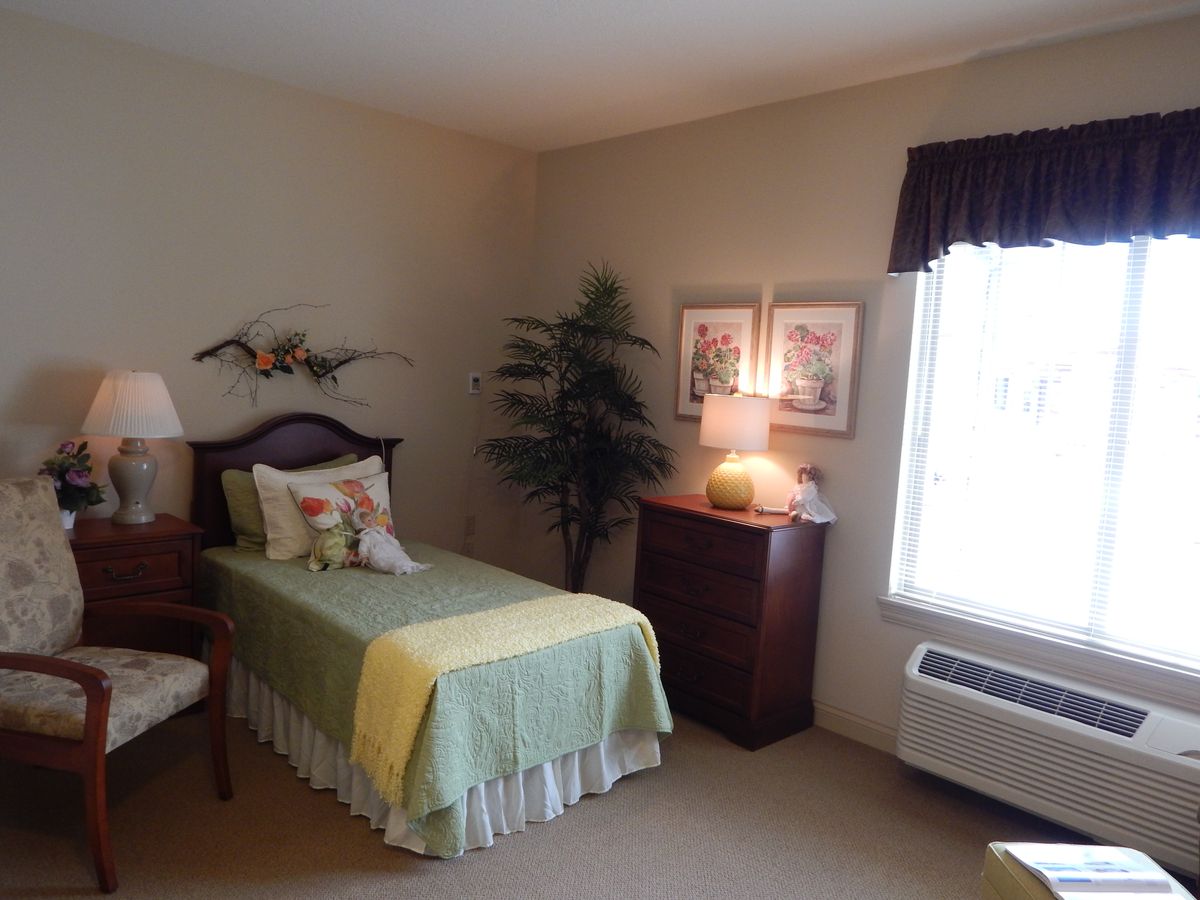
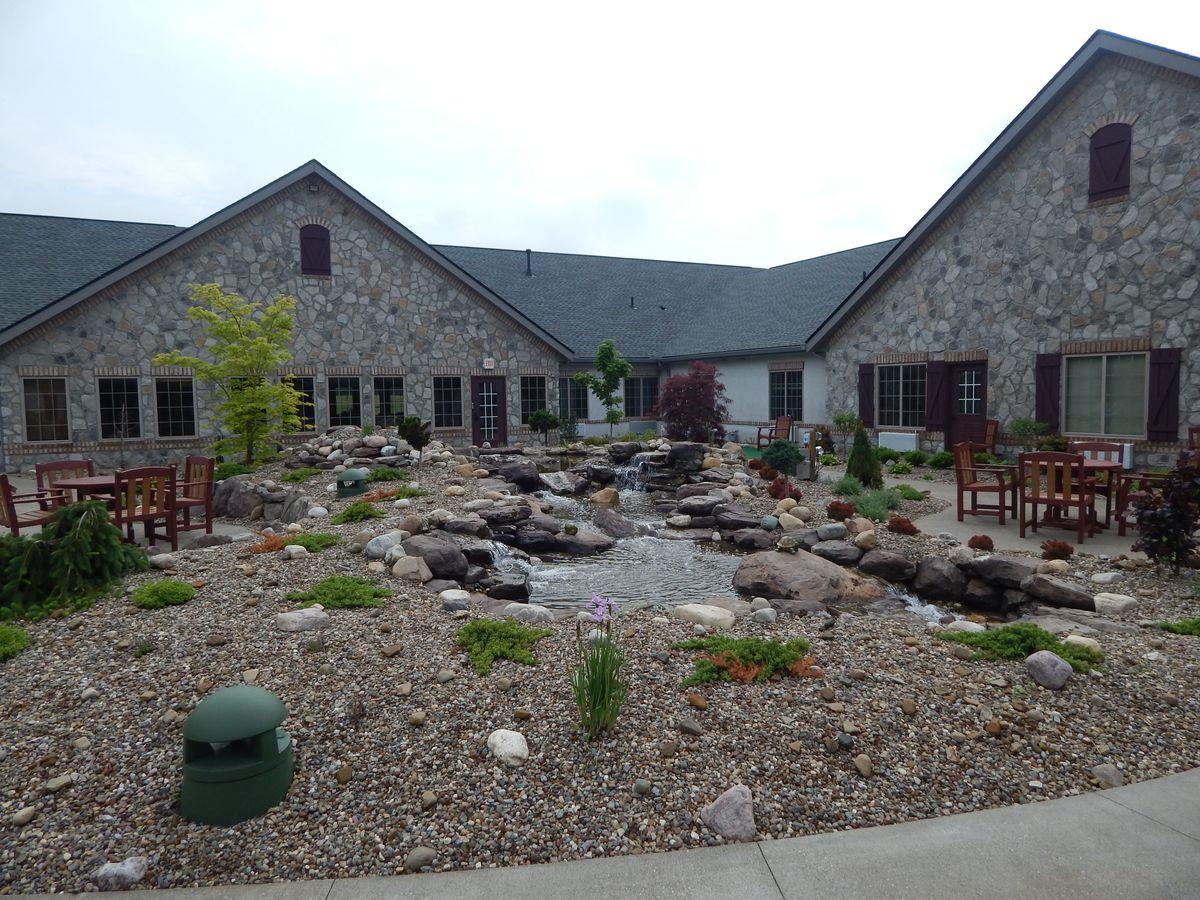
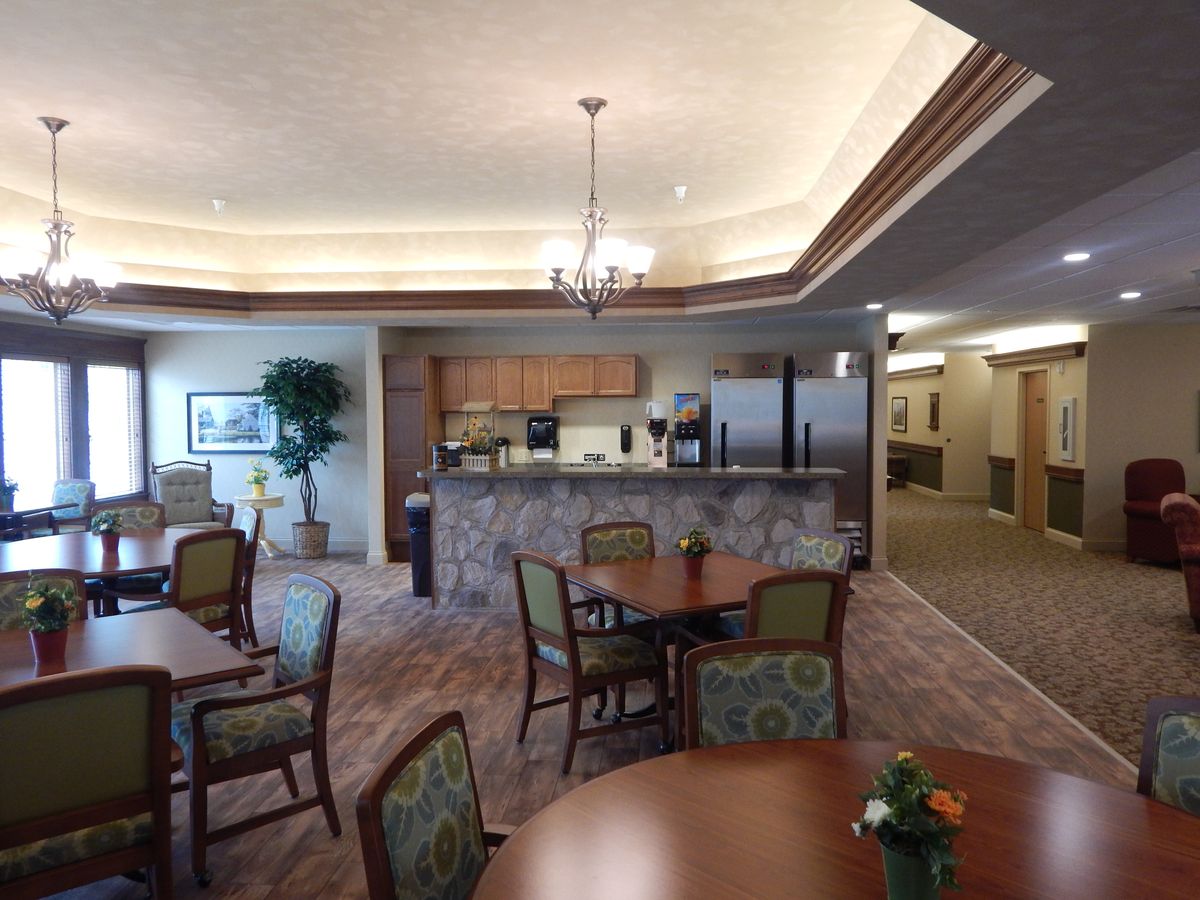
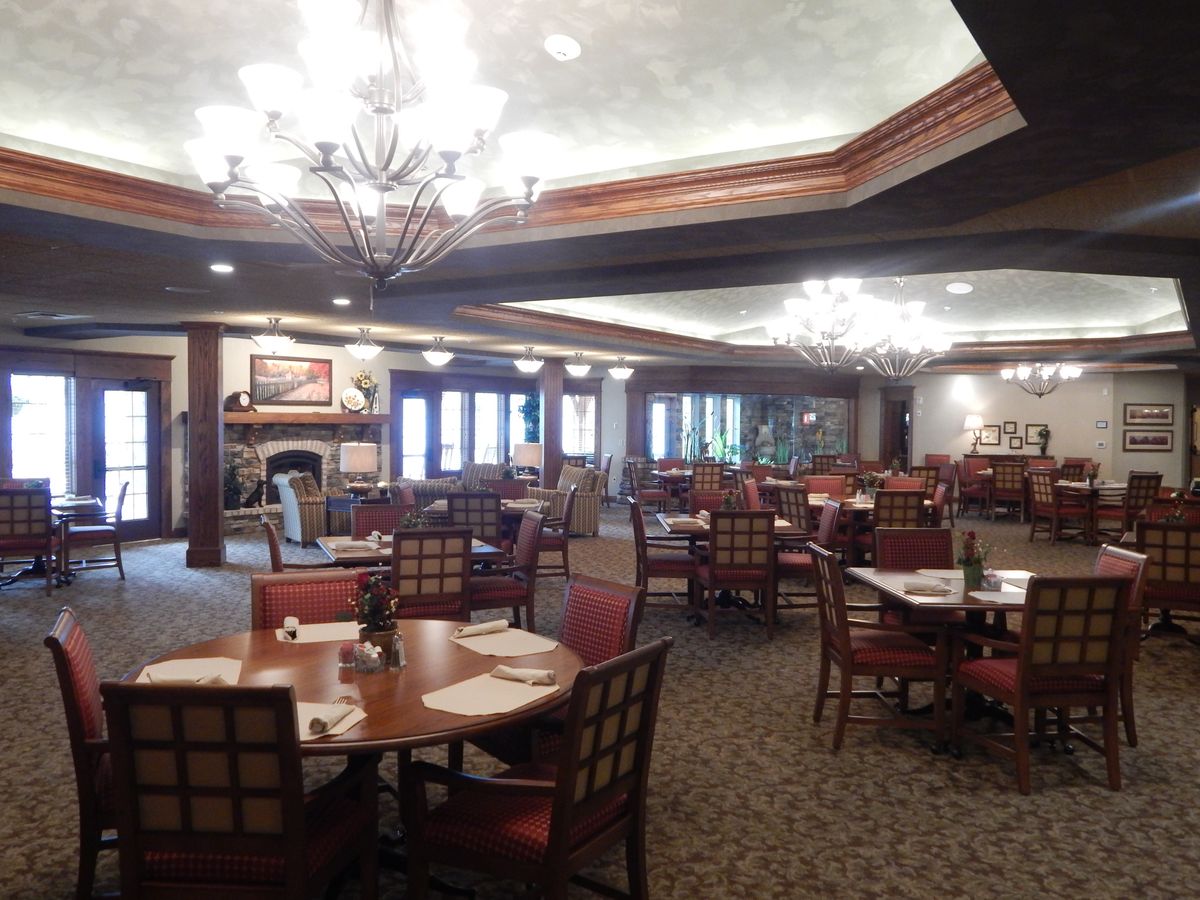
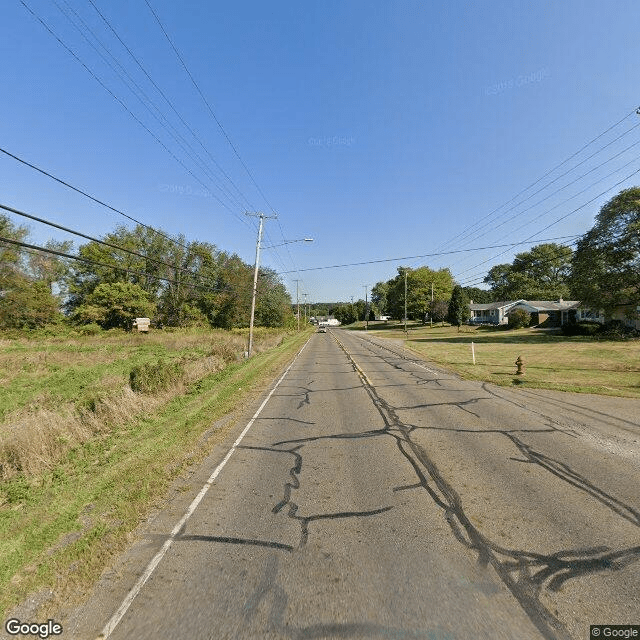
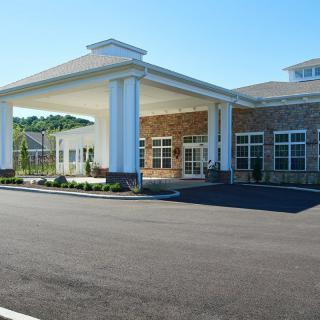
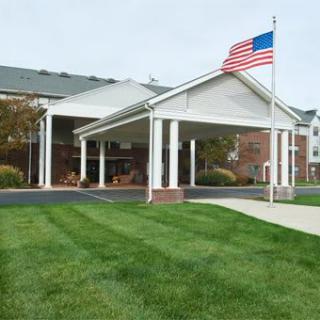
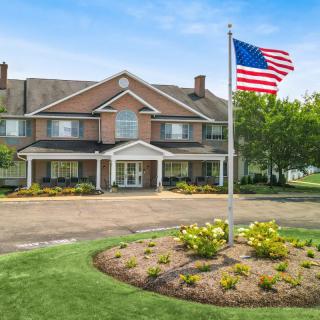
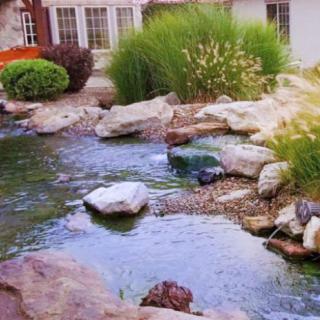
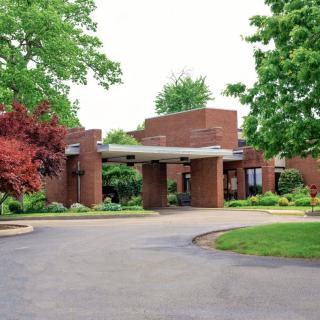
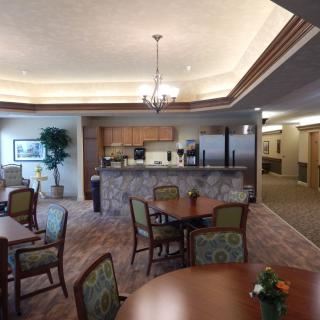
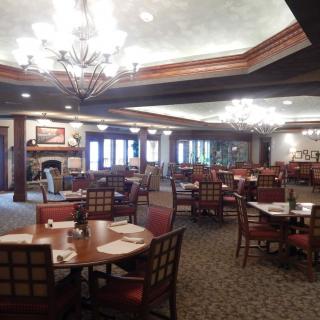
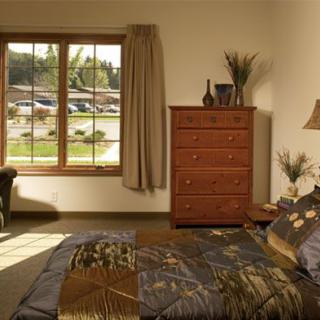
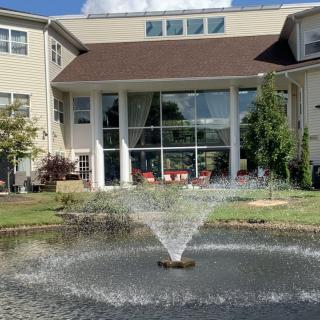
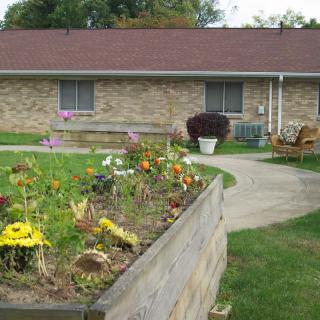
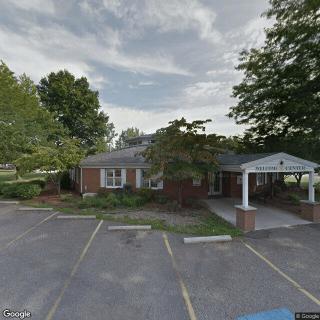
The Inn At Northwood Village on seniors.fyi includes 5 photos including images showing interior, dining, chandelier, building, garden, landscaping, courtyard, kitchen, and more.
Nearby Communities
Hennis Care Centre Of Dover
Dover, OH
3.6 from 26 reviews
Caring, attentive staff with quality dining.
Hennis Care & Assisted Living
Dover, OH
3.5 from 21 reviews
Specialized diabetic care with indoor social spaces and off-site devotional activities.
Park Village Health Care Center
Dover, OH
3.7 from 24 reviews
Caring, attentive staff in a clean, inviting community with engaging activities.
Park Village Health Care at Dover
Dover, OH
2.9 from 10 reviews
Broad care options and abundant amenities, including transportation and wellness programs.
Park Village Health Care
Dover, OH
2.9 from 12 reviews
Comprehensive skilled nursing with on-site amenities and active programs.
Horizons Inc
Dover, OH
2.9 from 21 reviews
Strong access to dining, healthcare, and outdoor activities nearby.
Country Club Retirement Center at Dover
Dover, OH
3.8 from 78 reviews
$3,450 to $4,860 / month
Beautiful campus with friendly staff and restaurant-quality meals.
Altercare of Navarre
Navarre, OH
4 from 102 reviews
Compassionate staff (notably Susan) and clean, pleasant rooms with engaging activities.
Brewster Parke
Brewster, OH
4.3 from 22 reviews
$541 to $964 / month
Friendly, caring staff and a clean, comfortable community with engaging activities.
Dementia affects memory and cognitive function in older adults, presenting challenges for caregivers due to behavioral changes such as confusion and mood swings. Compassionate, person-centered care that considers individual history and preferences, along with effective communication and environmental modifications, is essential for supporting both patients and their caregivers.
Dementia leads to cognitive impairment and can cause emotional and behavioral changes, including aggression that arises from frustration, confusion, or fear. Effective coping strategies for caregivers include understanding dementia's nature, recognizing triggers, using empathetic communication, and employing non-pharmacological interventions like music and art therapy.
Dementia causes cognitive decline and challenging behaviors that caregivers must manage, necessitating an understanding of the neurological basis of these issues. Effective strategies and self-care for caregivers can enhance support for those with dementia and improve their daily lives.
Get PricingAsk A QuestionSchedule A TourContact Senior Advisor
By clicking submit, you agree to our Partner's Terms of Use. You
also consent to receive calls and texts, which may be autodialed, from our Partner. Your consent is not a condition to
using our Partner's service. Please visit our Partner's Privacy Policy for information about their privacy practices.

 124 resident community capacity
 Assisted Living
 Memory Care
 Cats allowed
 Dogs allowed
 Activities off-site
 Air-conditioning
 Bath tubs
 Beautician on-site
 Cable or satellite TV
 Computer center
 Devotional services off-site
 Dining room
 Fitness room
 Fully furnished
 Gaming room
 Garden
 Ground floor units
 Handicap accessible
 Housekeeping services
 Indoor common areas
 Kitchenette
 Move-in coordination
 Outdoor common areas
 Private bathrooms
 Respite or short term stays offered
 Restaurant-style dining
 Small library
 Telephone
 Wellness center
 Wheelchair accessible showers
 Wi-Fi/high-speed internet available
 Akron-Canton Regional (24 miles away)
 Community operated transportation
 12-16 hour nursing
 24-hour call system
 Ambulatory care
 Assistance with bathing
 Assistance with dressing
 Assistance with transfers
 Diabetes diet
 Diabetic care
 Incontinence care
 Medication management
 Mental wellness program
 Special dietary restrictions
 Art classes
 Catholic services
 Concierge services
 Cooking classes
 Day trips and outings
 Educational speakers / life long learning
 Karaoke
 Caring, attentive staff with quality dining.


 Understanding Dementia Behaviors: Practical Insights and Strategies for Caregivers
 When Dementia Sparks Anger and Aggression: Understanding the Connection and Ways to Cope
 Dementia Behaviors: In-Depth Understanding and Effective Coping Strategies