For more information about senior living options: (866) 208-4318
2.9 from 58 reviews
5 stars
22
4 stars
4
3 stars
2
2 stars
8
1 stars
22
Overall Review of Springbrook Nursing & Rehabilitation Center
common18 reviews mention this
Staff care is frequently praised
Many residents and families describe staff as caring, responsive, and professional.
Across many reviews, families say the nursing, therapy, and administration teams were friendly and quick to respond to needs. Several also describe daily interactions—help with hygiene, support with mobility, and encouragement during rehab—as making a difficult stay feel more manageable. Some reviewers highlight specific strengths like PT and OT teams pushing progress, along with nurses and aides working to keep patients clean and comfortable. A smaller number of commenters also add that issues sometimes depend on when you can reach staff, which is a different concern than overall friendliness.
caveat17 reviews mention this
Understaffing drives delays and missed needs
A recurring complaint is that staffing shortages lead to slow response and inconsistent care.
Multiple reviews mention understaffing and long waits for help, including delayed call bell response and times when patients are left waiting in chairs or in need of changing. Several reviewers describe medication or basic care issues, such as slow attention after requests, problems getting items set up, or concerns about incomplete services during a stay. A few comments also connect staffing strain to harder-to-manage medical situations, where families felt equipment needs and daily support were not handled promptly. Even reviewers who like the facility sometimes still mention staffing as a downside, especially around weekends or peak coverage times.
common12 reviews mention this
The facility is often described as clean
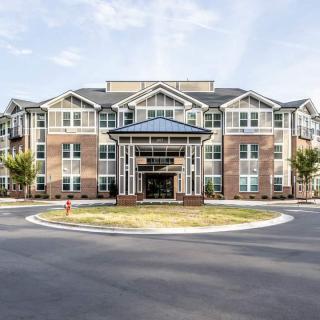
Many reviewers describe Springbrook as clean, well-kept, and newer-looking.
Several reviews focus on cleanliness and appearance, describing it as very clean with a modern or newer-feeling setting. Some families say rooms and shared areas were maintained well, and at least a few mention that cleanliness helped them feel more confident about care. There are also contrasting negative reviews that describe dirty rooms, issues with housekeeping, or cleanliness concerns that made the stay feel disappointing. Overall, cleanliness comes up often—either as a clear positive or a clear problem—depending on the reviewer’s experience.
differentiator14 reviews mention this
PT and OT support is a key draw
Rehab therapy is a major part of residents’ experiences, especially PT and OT.
Many reviews describe physical, occupational, and other therapy as part of the daily routine, often with an emphasis on helping residents regain mobility and function. Several families say therapists were encouraging and that patients were getting scheduled therapy during their rehab stay. At the same time, some reviewers report that therapy frequency or follow-through didn’t match expectations, including limited sessions, delayed therapy, or therapy sessions ending without adequate pain management. One recurring theme is that the therapy experience can depend on staffing and consistency, even when the facility otherwise feels supportive.
caveat10 reviews mention this
Food quality is mixed
Food reviews range from “delicious” to “substandard.”
Dining comes up repeatedly with mixed opinions: some reviewers call the food good, nutritious, or even delicious, and others describe the dining area as not feeling like a cafeteria. Other families report problems with food quality and presentation, including claims that meals were not fit for residents’ needs. A few comments also mention dietary issues, such as not receiving the right diet or dissatisfaction with what was served compared with what was expected. Even among positive reviews, there are some caveats, while negative reviews often link food concerns to broader frustrations with care consistency.
How we summarize
Counts show how many written reviews mention each theme; a review can touch several themes, and only frequently mentioned themes are displayed.
Features
Housing
100 resident community capacity
Types of Care
Skilled Nursing Facility
Amenities
Air-conditioning
Beauty salon
Cable or satellite TV
Computer center
Dining room
Fitness room
Fully furnished
Gaming room
Garden
Housekeeping services
Kitchenette
Move-in coordination
Outdoor space
Private bathrooms
Restaurant-style dining
Small library
Telephone
Wellness center
Wi-Fi/high-speed internet available
Transportation
Raleigh-Durham International (23 miles away)
Community operated transportation
Transportation arrangement
Transportation arrangement (non-medical)
Transportation to doctors appointments
Care Services
12-16 hour nursing
24-hour call system
24-hour supervision
Activities of daily living assistance
Assistance with bathing
Assistance with dressing
Assistance with transfers
Diabetes diet
Meal preparation and service
Medication management
Mental wellness program
Special dietary restrictions
Dining
Diabetes diet
Special dietary restrictions
Activities
Community-sponsored activities
Concierge services
Fitness programs
Planned day trips
Resident-run activities
Scheduled daily activities
Nearby Places of Interest
Hospitals
JMH Clayton (0.3 miles)
Wakemed Garner Healthplex (6.9 miles)
WakeMed Health & Hospitals (11.6 miles)
WakeMed Heart Center (11.7 miles)
Physicians
EmergeOrtho-Clayton (0.3 miles)
Horizon Family Medicine (1.4 miles)
High Point Audiologica (1.7 miles)
Meehan Medical (2 miles)
Mann Ear Nose & Throat (2.6 miles)
Clayton Pediatrics Center (2.6 miles)
Pulmonology Bronchology PC (4.5 miles)
Pharmacies
CVS Pharmacy (2.5 miles)
Walgreens (2.6 miles)
Allcare Pharmacy Services (3.3 miles)
Walgreens (4 miles)
Novo Nordisk Pharmaceutical Industries (5.5 miles)
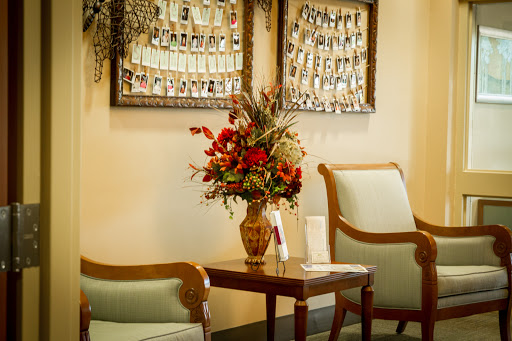
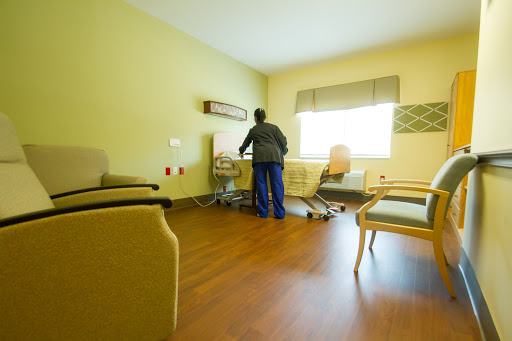
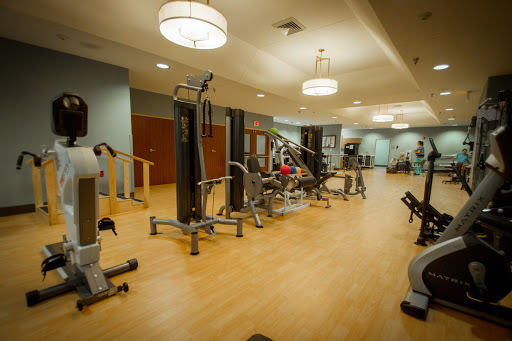
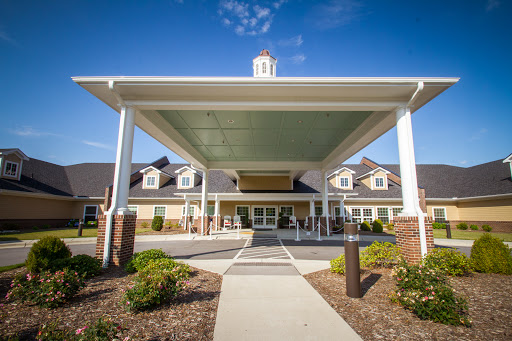
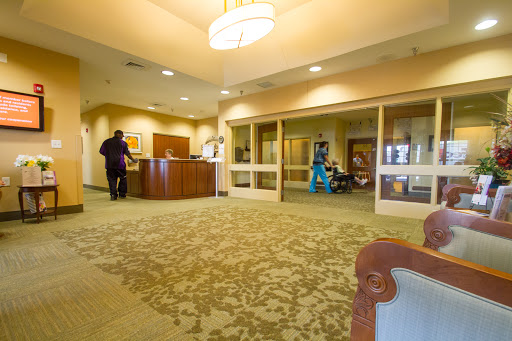
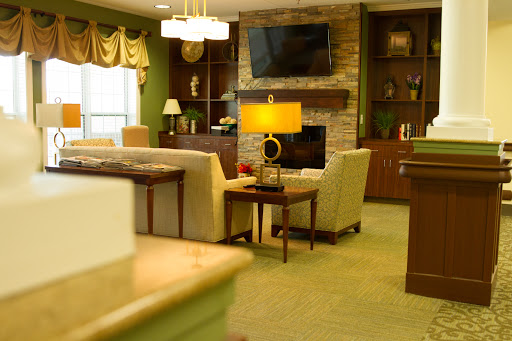
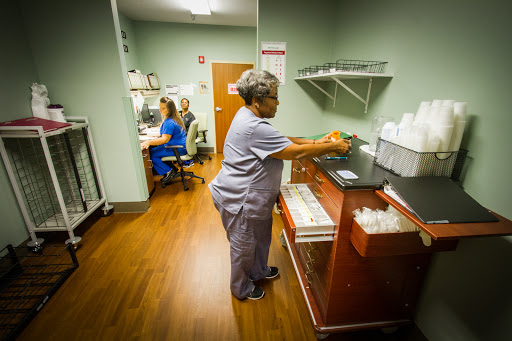
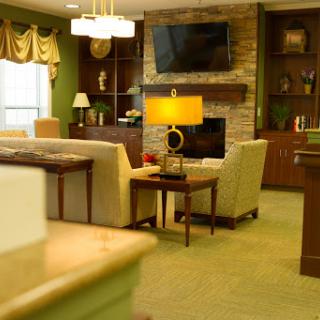
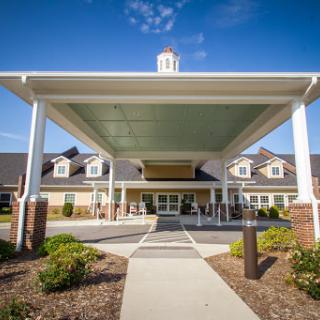
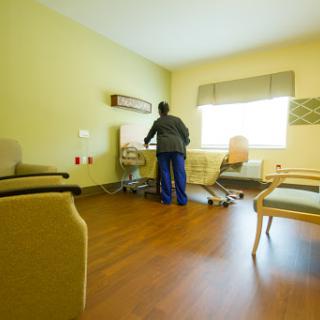
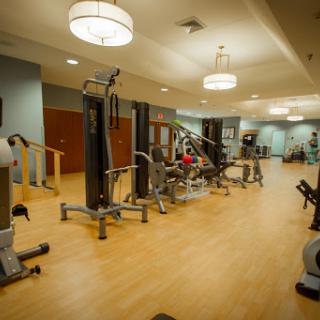
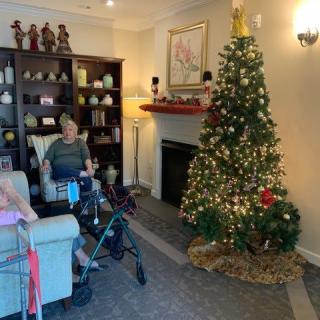
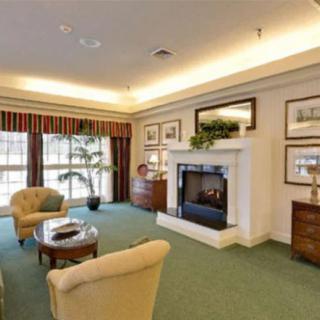
Springbrook Nursing & Rehabilitation Center on seniors.fyi includes 9 photos including images showing interior, decor, waiting area, living room, exercise equipment, healthcare, nurse, building, and more.
Nearby Communities
Gabriel Manor Assisted Living Center
Clayton, NC
3.6 from 72 reviews
$4,414 to $5,500 / month
Friendly, attentive staff in a clean, well-maintained environment with engaging activities.
Avendelle at Garner
Garner, NC
4.3 from 15 reviews
$4,500 to $5,000 / month
Small, home-style setting with attentive staff, good meals, and engaging activities.
The Haven At Garner
Garner, NC
4.7 from 116 reviews
Small, homelike board-and-care with personalized care and comprehensive daily living support.
Brian Center Health & Retirement
Clayton, NC
3.7 from 82 reviews
24/7 supervision with medication management and on-site amenities (dining, activities, transportation).
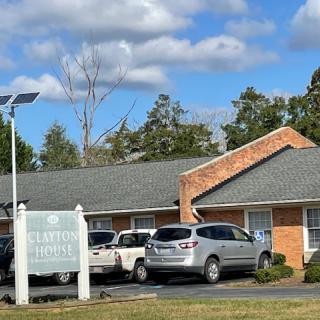
Clayton House
Clayton, NC
3.5 from 17 reviews
Caring nursing staff in a small, welcoming community with good dining and activities.
Hillcrest Family Care Home II
Clayton, NC
5 from 6 reviews
$2,500 / month
Affordable private room ($2,500/mo) with convenient access to nearby pharmacies, physicians, restaurants, and a hospital.
Cadence Garner
Garner, NC
4.5 from 53 reviews
$4,740 to $7,100 / month
Beautiful, well-maintained facility with warm staff and engaging activities.
Foundation Senior Living
Garner, NC
3.7 from 17 reviews
$4,990 to $5,490 / month
Friendly staff, clean and well-maintained facilities with modern amenities and on-site dining.
Caregiving for an aging parent entails emotional and financial responsibilities accompanied by significant tax implications, including potential benefits from claiming them as dependents and deductions for medical expenses and caregiving costs. Caregivers must understand eligibility requirements, maintain thorough documentation, and consider consulting a tax professional to navigate these complexities effectively.
Low-impact exercises are vital for seniors as they promote health, independence, and social interaction while reducing joint strain. These adaptable activities, guided by healthcare professionals, enhance strength, flexibility, and emotional well-being.
The guide details the tax deductibility of in-home healthcare expenses according to IRS guidelines, differentiating between medically necessary services and non-medical assistance, while emphasizing the need for proper documentation and itemization requirements. It also highlights state-level variations, the importance of record-keeping, and encourages seeking professional tax help to understand evolving regulations.
Springbrook Nursing & Rehabilitation Center photos
×
Interior
Decor
Living Room
Building
Windows
Exercise Equipment
Waiting Area
Healthcare
Indoor Plants
Interior
Decor
Living Room
Landscaping, Building, Architecture, Entrance, and Exterior
Windows
Lighting and Stone Wall
Television, Fireplace, and Cozy Atmosphere
Lobby and Reception
Exercise Equipment, Gym, Bright Lighting, Open Space, and Fitness Center
Healthcare and Nurse
Waiting Area
Indoor Plants
Get PricingAsk A QuestionSchedule A TourContact Senior Advisor
By clicking submit, you agree to our Partner's Terms of Use. You
also consent to receive calls and texts, which may be autodialed, from our Partner. Your consent is not a condition to
using our Partner's service. Please visit our Partner's Privacy Policy for information about their privacy practices.





 100 resident community capacity
 Skilled Nursing Facility
 Air-conditioning
 Beauty salon
 Cable or satellite TV
 Computer center
 Dining room
 Fitness room
 Fully furnished
 Gaming room
 Garden
 Housekeeping services
 Kitchenette
 Move-in coordination
 Outdoor space
 Private bathrooms
 Restaurant-style dining
 Small library
 Telephone
 Wellness center
 Wi-Fi/high-speed internet available
 Raleigh-Durham International (23 miles away)
 Community operated transportation
 12-16 hour nursing
 24-hour call system
 Activities of daily living assistance
 Assistance with bathing
 Assistance with dressing
 Assistance with transfers
 Diabetes diet
 Medication management
 Mental wellness program
 Special dietary restrictions
 Concierge services
 Planned day trips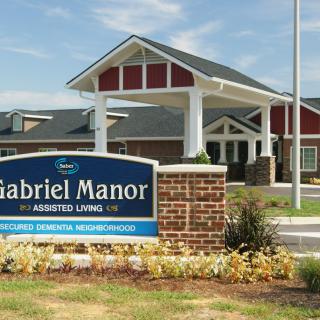
 Friendly, attentive staff in a clean, well-maintained environment with engaging activities.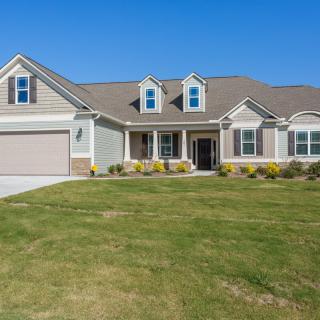


 Navigating the Tax Landscape of Caregiving: Credits, Deductions, and Beyond
 Highly Beneficial Low-Impact Exercises for Senior Living Residents
 Is In-Home Healthcare Tax Deductible? Your Comprehensive Guide