Overall Review of Brian Center Health & Retirement
differentiator12 reviews mention this
Rehab and therapy get strong marks
Residents and families frequently highlight rehab therapy teams as a standout part of the experience.
Multiple reviews describe therapy as a key reason people felt their loved ones were progressing, including positive comments about PT and OT, plus speech therapy in some cases. Several families specifically call out rehab staff going above and beyond, while others say the physical therapy portion of care was good even when other parts fell short. A few residents also mention being well cared for through therapy schedules and having follow-ups on evaluations and goals.
common24 reviews mention this
Staff compassion is a mixed theme
Many reviewers describe staff as kind, caring, and responsive to residents and families.
A consistent thread across many reviews is that caregivers can be friendly, attentive, and professional, with residents described as well cared for and families saying they felt supported. Several mentions also connect good communication—answering questions, keeping family informed, or proactively reaching out—with the caregiving experience. At the same time, other reviews complain about staff shortages, delayed help, and instances where call buttons were not answered quickly.
common14 reviews mention this
Cleanliness is praised and criticized
Reviews go both ways on cleanliness, with some calling it spotless and others reporting dirty conditions.
Some residents and visitors say the building smelled fresh, looked neat and orderly, and felt clean during their visits. Others describe cleanliness problems like dirty rooms or the need for repairs, and there are also mentions of issues like unclean equipment or neglect of basic care routines. Even among negative reviews, complaints often extend beyond cleanliness into whether daily care needs were met.
caveat9 reviews mention this
Call bell response is a recurring problem
Some reviewers report long waits for help, including delayed call bell responses.
A recurring concern is that help was slow to arrive when residents used the call button, with multiple reviewers describing waits measured in minutes. Some comments also connect slow response with other missed needs, like assistance with bathing, feeding, medication handling, or changing. A few reviews also say staff attitudes worsened during these moments, reinforcing the overall complaint about responsiveness.
caveat10 reviews mention this
Food quality draws conflicting reactions
Dining reviews are mixed, ranging from good meals to concerns about timing and taste.
Some reviewers say meals were good, mention balanced nutritional options, or describe alternatives if a meal wasn’t preferred. Others report food arriving late, being hard to eat, or not being edible at times, and a few tie dining problems to broader care concerns. Even positive reviews often keep expectations realistic, noting that preferences can vary while still appreciating responsiveness in certain situations.
common8 reviews mention this
Activities and social connection matter
Residents frequently mention activities as part of daily life and social engagement.
Several reviews describe regular activities and engagement, including staff-led or resident-friendly group time that helps people socialize. A few families call out specific activity examples like games or community events, and some residents say they enjoy participating and hanging out with friends. While opinions overall vary on care consistency, activities and engagement come up as one area that supports day-to-day experience.
How we summarize
Counts show how many written reviews mention each theme; a review can touch several themes, and only frequently mentioned themes are displayed.
Features
Housing
90 resident community capacity
Types of Care
Skilled Nursing Facility
Amenities
Air-conditioning
Beauty salon
Cable or satellite TV
Computer center
Dining room
Fitness room
Fully furnished
Gaming room
Garden
Housekeeping services
Kitchenette
Move-in coordination
Outdoor space
Private bathrooms
Restaurant-style dining
Small library
Telephone
Wellness center
Wi-Fi/high-speed internet available
Transportation
Raleigh-Durham International (24 miles away)
Community operated transportation
Transportation arrangement
Transportation arrangement (non-medical)
Transportation to doctors appointments
Care Services
12-16 hour nursing
24-hour call system
24-hour supervision
Activities of daily living assistance
Assistance with bathing
Assistance with dressing
Assistance with transfers
Diabetes diet
Meal preparation and service
Medication management
Mental wellness program
Special dietary restrictions
Dining
Diabetes diet
Special dietary restrictions
Activities
Community-sponsored activities
Concierge services
Fitness programs
Planned day trips
Resident-run activities
Scheduled daily activities
Nearby Places of Interest
Physicians
High Point Audiologica (0.6 miles)
Horizon Family Medicine (0.8 miles)
Meehan Medical (1.3 miles)
Clayton Pediatrics Center (1.4 miles)
EmergeOrtho-Clayton (1.8 miles)
Mann Ear Nose & Throat (2 miles)
Pulmonology Bronchology PC (2.5 miles)
Pharmacies
Walgreens (1 miles)
CVS Pharmacy (1.5 miles)
Novo Nordisk Pharmaceutical Industries (3.6 miles)
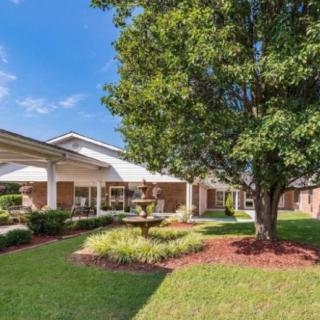
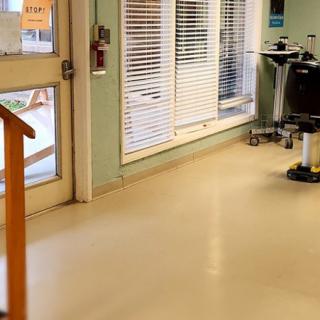
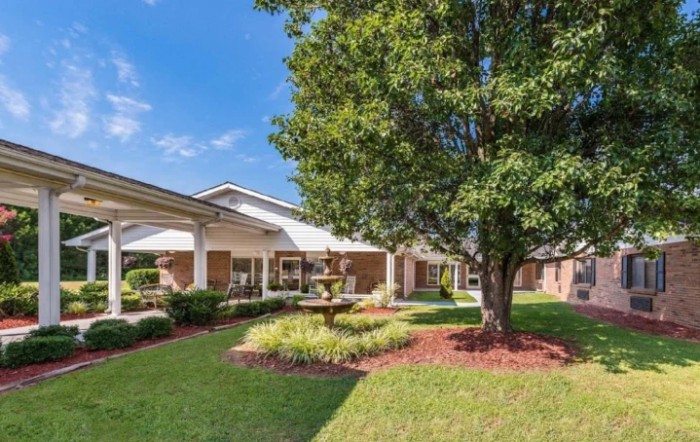
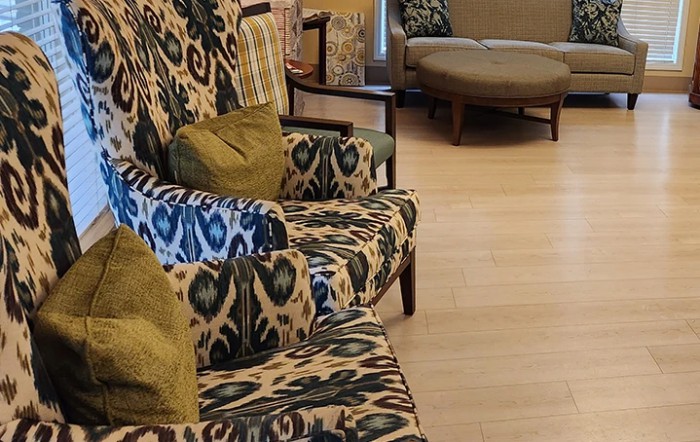
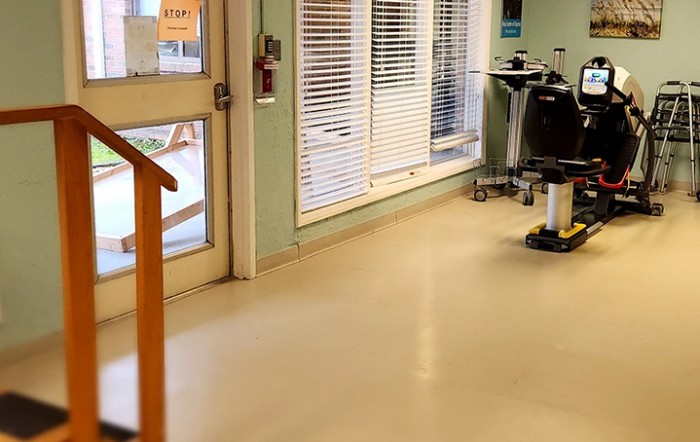
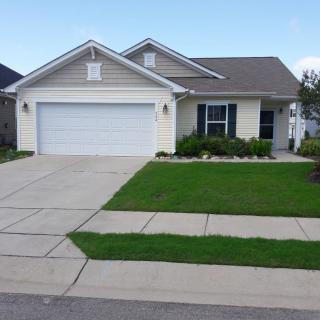
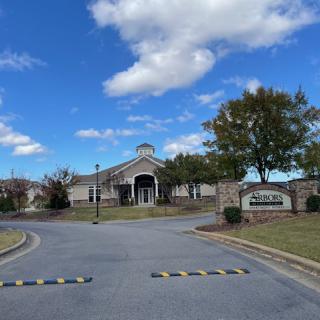
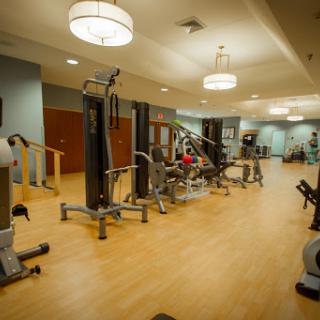
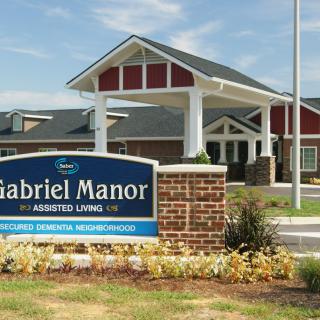
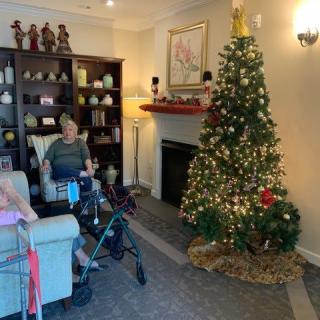
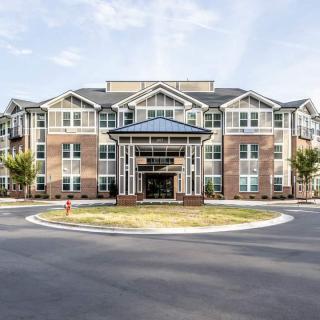
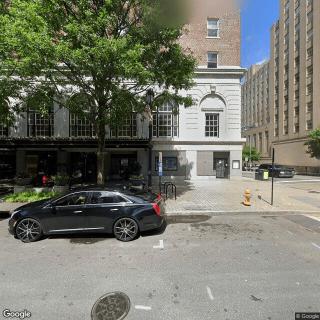
Brian Center Health & Retirement on seniors.fyi includes 5 photos including images showing landscaping, interior, garden, tree, fountain, architecture, living room, interior decor, and more.
Nearby Communities
Clayton House
Clayton, NC
3.5 from 17 reviews
Caring nursing staff in a small, welcoming community with good dining and activities.
Pandora Family Care Home
Clayton, NC
4.2 from 5 reviews
Fully furnished assisted living with personalized care and on-site activities.
Bethesda Family Care Home
Clayton, NC
4.2 from 5 reviews
Warm, homelike setting with personalized care and robust memory care programming, plus extensive on-site amenities.
The Walk at East Village
Clayton, NC
4.4 from 78 reviews
Small, intimate community enabling personalized care with in-house meals and medication management.
Springbrook Nursing & Rehabilitation Center
Clayton, NC
2.9 from 58 reviews
Caring staff, clean and well-maintained facility with effective rehab services and spacious rooms.
Gabriel Manor Assisted Living Center
Clayton, NC
3.6 from 72 reviews
$4,414 to $5,500 / month
Friendly, attentive staff in a clean, well-maintained environment with engaging activities.
Cadence Garner
Garner, NC
4.5 from 53 reviews
$4,740 to $7,100 / month
Beautiful, well-maintained facility with warm staff and engaging activities.
Foundation Senior Living
Garner, NC
3.7 from 17 reviews
$4,990 to $5,490 / month
Friendly staff, clean and well-maintained facilities with modern amenities and on-site dining.
Sir Walter Apartments
Raleigh, NC
4 from 44 reviews
$4,518 to $5,873 / month
Vibrant Raleigh location with excellent access to healthcare, dining, parks, and cultural amenities.
The article clarifies common misconceptions about Powers of Attorney (POA), highlighting the necessity of the principal's consent, the limitations on an agent's authority, and the importance of mental capacity when signing. It also distinguishes between various types of POAs, addresses concerns about potential abuse, and emphasizes the need for legal consultation to ensure valid and up-to-date documents.
Senior move management provides specialized support for older adults relocating by assisting with logistics, emotional challenges, and downsizing decisions to ensure a smooth transition to new living environments. These services address the unique needs of seniors and have become increasingly important as baby boomers retire and seek to downsize.
Weight training is vital for seniors to maintain muscle mass, bone density, and overall health, combating age-related declines through customized resistance exercises that enhance balance and well-being. Safe routines should start with realistic goals and proper form, while emphasizing gradual progress and consultations with healthcare providers to ensure safety and effectiveness.
Landscaping, Building, Architecture, Garden, Tree, and Fountain
Windows
Interior Decor
Get PricingAsk A QuestionSchedule A TourContact Senior Advisor
By clicking submit, you agree to our Partner's Terms of Use. You
also consent to receive calls and texts, which may be autodialed, from our Partner. Your consent is not a condition to
using our Partner's service. Please visit our Partner's Privacy Policy for information about their privacy practices.




 90 resident community capacity
 Skilled Nursing Facility
 Air-conditioning
 Beauty salon
 Cable or satellite TV
 Computer center
 Dining room
 Fitness room
 Fully furnished
 Gaming room
 Garden
 Housekeeping services
 Kitchenette
 Move-in coordination
 Outdoor space
 Private bathrooms
 Restaurant-style dining
 Small library
 Telephone
 Wellness center
 Wi-Fi/high-speed internet available
 Raleigh-Durham International (24 miles away)
 Community operated transportation
 12-16 hour nursing
 24-hour call system
 Activities of daily living assistance
 Assistance with bathing
 Assistance with dressing
 Assistance with transfers
 Diabetes diet
 Medication management
 Mental wellness program
 Special dietary restrictions
 Concierge services
 Planned day trips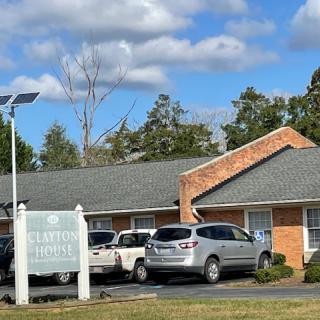
 Caring nursing staff in a small, welcoming community with good dining and activities.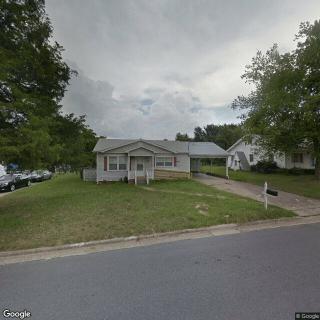
 A Comprehensive Exploration of Common Misunderstandings about Powers of Attorney
 Senior Move Management: Understanding the Role, Value, and Associated Costs
 Weight Training for Seniors: Building Strength and Vitality