Gabriel Manor Assisted Living Center Costs & Pricing
At Gabriel Manor Assisted Living Center, the monthly costs reflect a commitment to quality care and comfortable living. For a semi-private room, residents can expect to pay $4,414, which is slightly above the average for Wake County at $4,391 but notably higher than the state average of $3,584 for North Carolina as a whole. In contrast, those opting for a studio room will see a higher rate of $5,500 at Gabriel Manor, compared to $4,757 in Wake County and $4,020 across North Carolina. These figures suggest that while Gabriel Manor may be on the higher end of the pricing spectrum within its locality and state averages, it likely offers enhanced amenities or services that justify this premium.
Floor plans
Gabriel Manor Assisted Living Center
Wake County
North Carolina
Semi-Private
$4,414
$4,391
$3,584
Studio
$5,500
$4,757
$4,020
Memory care communities with a similar price nearby
Overall Review of Gabriel Manor Assisted Living Center
common26 reviews mention this
Staff kindness shows up repeatedly
Residents and families frequently describe the staff as friendly, kind, and attentive.
A large share of reviewers highlight a welcoming, respectful staff—people greet them warmly, communicate with families, and help with day-to-day needs. Several specifically mention care in memory care, describing residents as feeling safe and content, with staff managing care well. Reviewers also describe support around major transitions, like move-in and coordinating services such as hospice. At the same time, a smaller group of reviews calls out serious breakdowns in care and responsiveness, so results appear mixed depending on the experience.
common7 reviews mention this
Activities and social programs
Many reviewers say there are regular activities and a social calendar.
Reviewers mention a calendar with activities and programs that help residents stay engaged, especially in memory care. Some describe variety that includes day trips and scheduled programming, while others say their loved ones were participating in activities soon after moving in. This lines up with the community offering an extensive set of activity options and community-sponsored events, plus planned outings. Even so, at least one reviewer says more programs would help for a loved one who remained fairly active.
common8 reviews mention this
Dining and food quality
Dining is a frequent point of praise, with meals described as appealing.
Several reviews call out the quality of meals and describe the dining experience as better than a cafeteria setting. Others note that residents get choices at meals, and some say the food is good even for families who were unable to try it themselves during a visit. This matches the way the community lists restaurant-style dining and meals provided, along with special dietary options. A few reviewers mention concerns about food or meal-related issues, which is one reason experiences can vary.
caveat5 reviews mention this
Pricing feels high for many families
Many families feel the pricing is expensive for what they received.
Multiple reviewers specifically mention that the community is very expensive and that the cost can be difficult to afford. Others describe that costs may include additional fees beyond a simple base rate, which left them reassessing value compared with alternatives. The community does offer a range of housing types, and the review feedback suggests that totals can add up quickly. On the pricing side, the listed monthly range for Studio and Semi-Private units comes in around the county and above the state comparison in the provided deltas.
caveat11 reviews mention this
Serious care, safety, and discharge concerns
A recurring set of reviews raises concerns about safety and care follow-through.
Some reviewers describe major negative experiences, including missing personal belongings, medication problems, and falls with outcomes they felt were mishandled. Others report discharge or removal without sufficient notice, or concerns that the facility did not communicate adequately during serious events. A few reviews also point to staffing and oversight issues, describing frequent turnover or situations where they felt residents were not being cared for appropriately. These concerns stand alongside more positive reports about care and responsiveness, making it a clear area to investigate further before deciding.
How we summarize
Counts show how many written reviews mention each theme; a review can touch several themes, and only frequently mentioned themes are displayed.
Features
Housing
77 resident community capacity
1-bedroom apartments
Studio apartments
Types of Care
Assisted Living
Memory Care
Amenities
Activities off-site
Activities on-site
Air-conditioning
Bath tubs
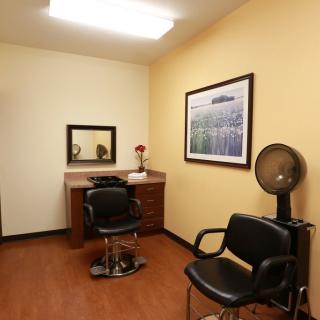
Beautician on-site
Beauty salon
Cable or satellite TV
Computer center
Devotional services on-site
Dining room
Fitness room
Fully furnished
Gaming room
Garden
Ground floor units
Guasts at mealtime
Guest parking
Housekeeping services
Indoor common areas
Kitchenette
Laundry
Move-in coordination
Outdoor common areas
Outdoor space
Party space
Private bathrooms
Private cleaning services
Respite or short term stays offered
Restaurant-style dining
Small library
Spa
TV room
Telephone
VA Benefits Consultation
Wellness center
Wheelchair accessible showers
Wi-Fi/high-speed internet available
Transportation
Raleigh-Durham International (23 miles away)
Community operated transportation
Transportation & parking
Transportation arrangement
Transportation arrangement (non-medical)
Transportation to doctors appointments
Care Services
12-16 hour nursing
24-hour call system
24-hour supervision
Activities of daily living assistance
Ambulatory care
Assistance with bathing
Assistance with dressing
Assistance with transfers
Diabetes diet
Diabetic care
Incontinence care
Meal preparation and service
Medication management
Mental wellness program
Physical therapy
Special dietary restrictions
Dining
Diabetes diet
Guest meals
Low / no sodium
Meals provided
No Sugar
Restaurant style dining
Room service
Special dietary restrictions
Special dining programs
Vegetarian
Activities
Activities off-site
Art classes
Arts and crafts
Community-sponsored activities
Concierge services
Cooking classes
Cooking club
Day trips and outings
Devotional activities on-site
Educational speakers / life long learning
Fitness programs
Games
Live dance or theater performances
Live musical performances
Live well programs
Other religious services
Planned day trips
Religious services
Resident-run activities
Scheduled daily activities
Stories
Visiting chaplain or priest
Wii bowling
Yoga / chair yoga
Nearby Places of Interest
This part of Clayton, North Carolina, offers a variety of convenient amenities for seniors seeking a peaceful and comfortable living environment. With multiple hospitals and medical facilities nearby, residents can easily access healthcare services. There are also several pharmacies in the area for medication needs. In terms of dining options, a range of restaurants offering diverse cuisines are available within a short distance. For those looking for spiritual fulfillment, various places of worship are located nearby. Additionally, the presence of parks and recreational facilities provides opportunities for outdoor activities and social engagement. Overall, this neighborhood in Clayton presents a well-rounded community with essential services and opportunities for a fulfilling senior living experience.
Hospitals
JMH Clayton (0.3 miles)
Wakemed Garner Healthplex (7 miles)
WakeMed Health & Hospitals (11.7 miles)
WakeMed Heart Center (11.8 miles)
Physicians
EmergeOrtho-Clayton (0.3 miles)
Horizon Family Medicine (1.4 miles)
High Point Audiologica (1.7 miles)
Meehan Medical (2.1 miles)
Mann Ear Nose & Throat (2.7 miles)
Clayton Pediatrics Center (2.7 miles)
Pulmonology Bronchology PC (4.5 miles)
Pharmacies
CVS Pharmacy (2.6 miles)
Walgreens (2.7 miles)
Allcare Pharmacy Services (3.3 miles)
Walgreens (3.9 miles)
Novo Nordisk Pharmaceutical Industries (5.5 miles)
At Gabriel Manor Assisted Living Center, the monthly costs reflect a commitment to quality care and comfortable living. For a semi-private room, residents can expect to pay $4,414, which is slightly above the average for Wake County at $4,391 but notably higher than the state average of $3,584 for North Carolina as a whole. In contrast, those opting for a studio room will see a higher rate of $5,500 at Gabriel Manor, compared to $4,757 in Wake County and $4,020 across North Carolina. These figures suggest that while Gabriel Manor may be on the higher end of the pricing spectrum within its locality and state averages, it likely offers enhanced amenities or services that justify this premium.
The features of Gabriel Manor Assisted Living Center are strategically designed to create a supportive environment for residents with dementia or Alzheimer's disease. With 24-hour supervision, residents are ensured safety and immediate assistance as needed, fostering a sense of security. Activities of daily living assistance, including bathing and dressing support, promote dignity and autonomy while helping to maintain routine amidst cognitive challenges. The provision for transfers and incontinence care further enhances comfort and mobility. Meal preparation and service tailored to individual dietary needs not only nourish but also offer familiar routines that can be calming. Medication management ensures adherence to treatment protocols while minimizing confusion regarding complex medication schedules. Additionally, the mental wellness program encourages cognitive engagement through tailored activities, while physical therapy enhances overall mobility and health, addressing both physical and mental well-being comprehensively. Together, these services create a holistic approach aimed at improving the quality of life for residents facing memory-related challenges.
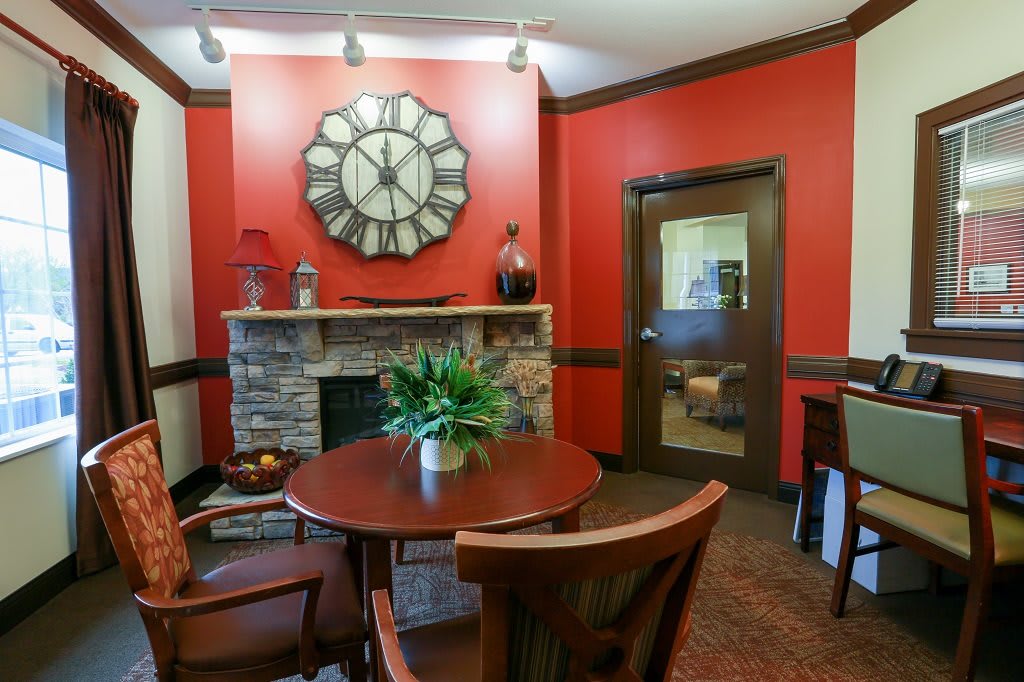
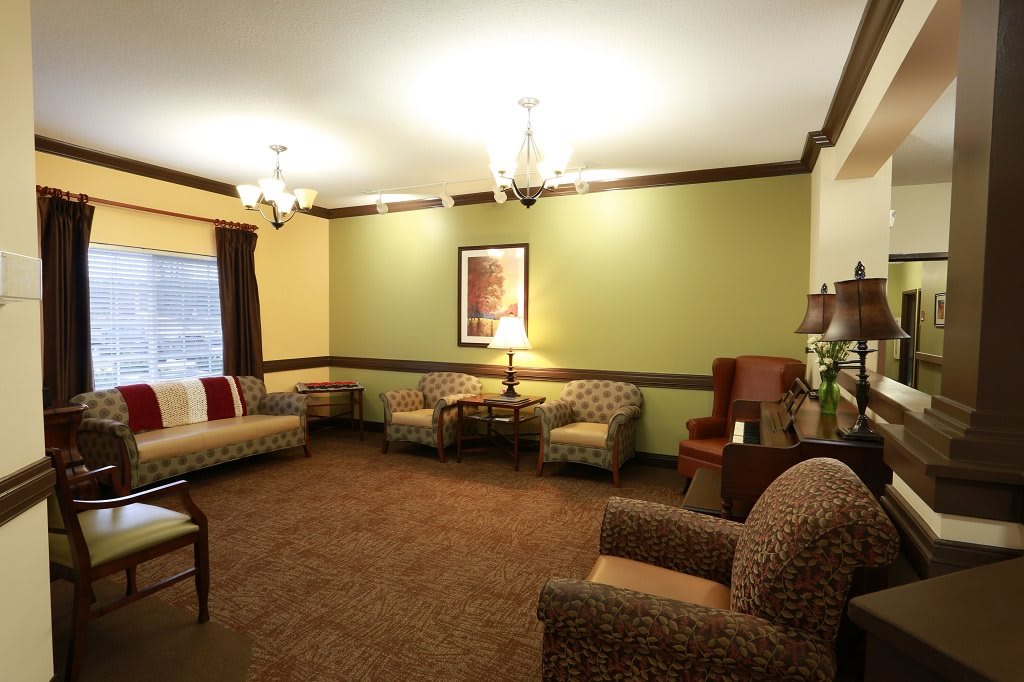
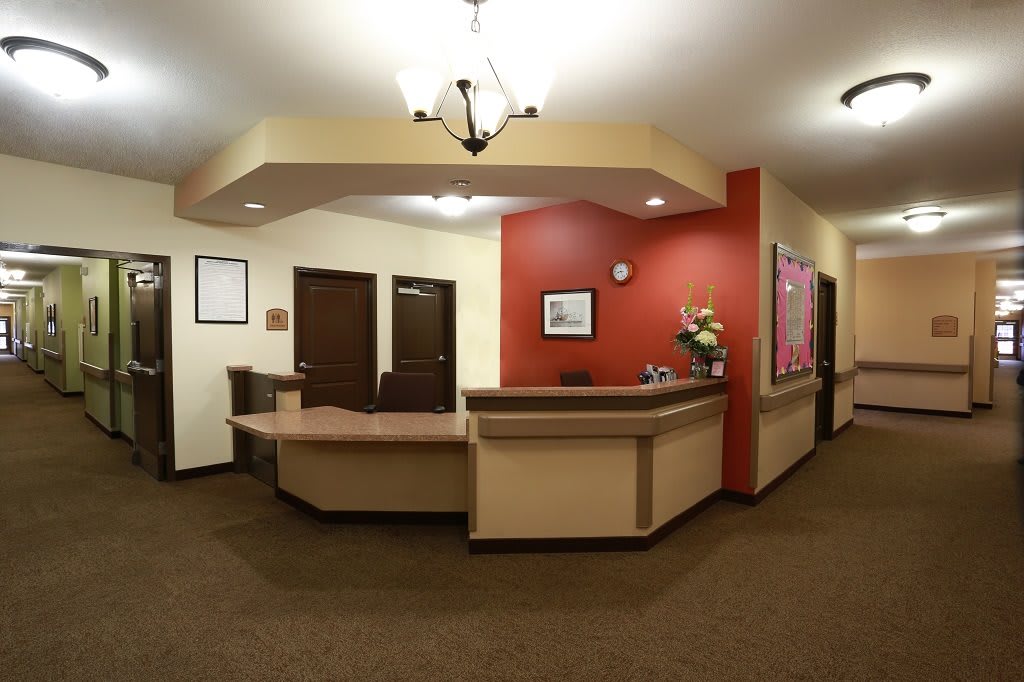
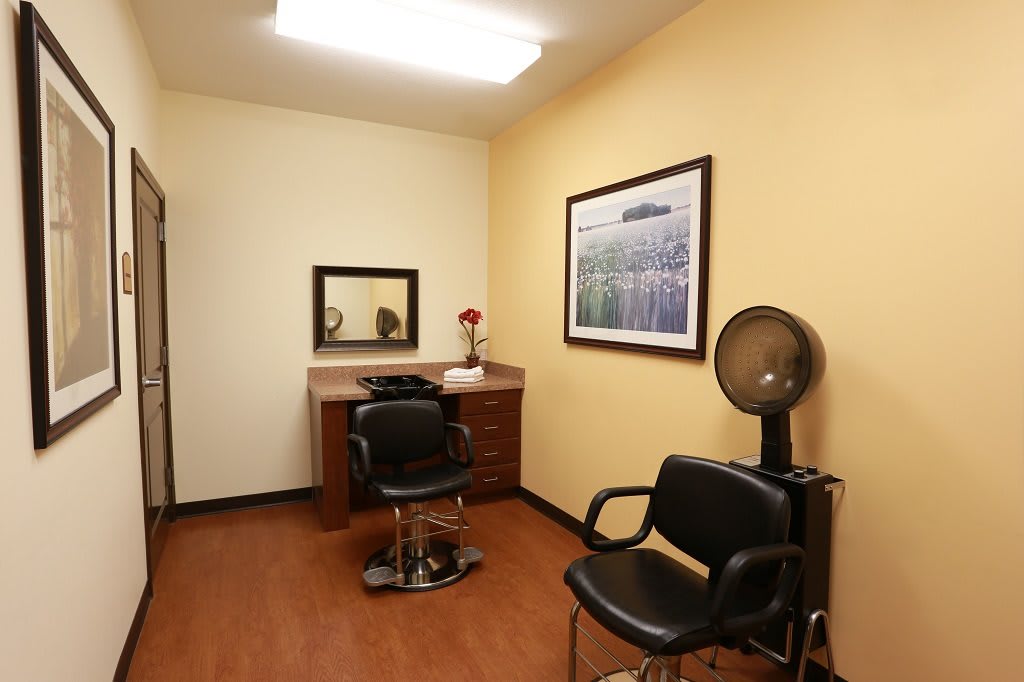
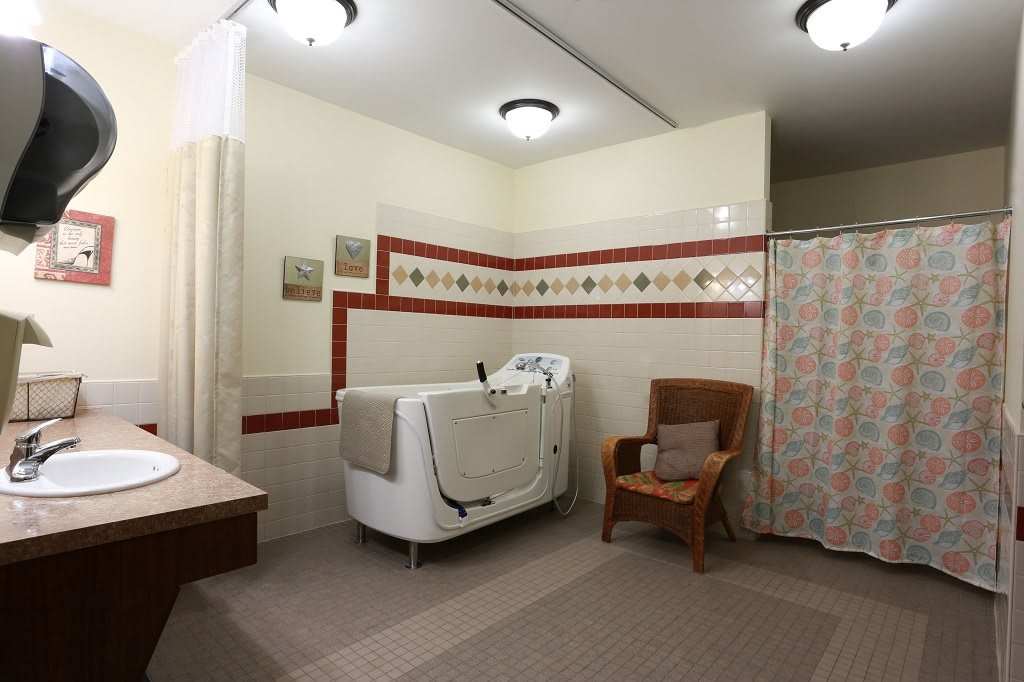
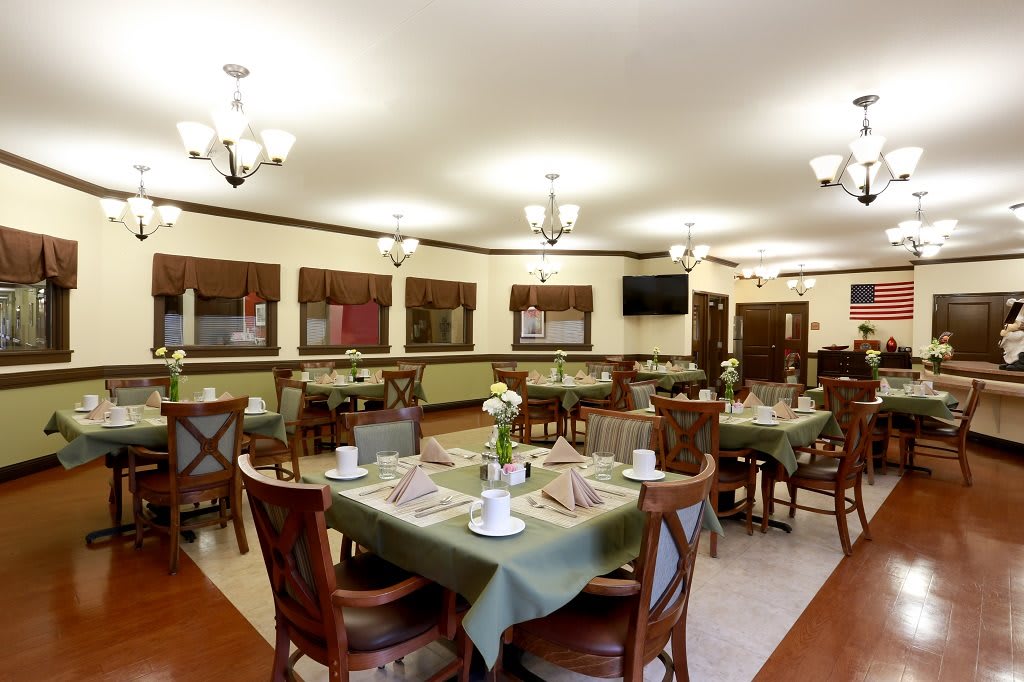
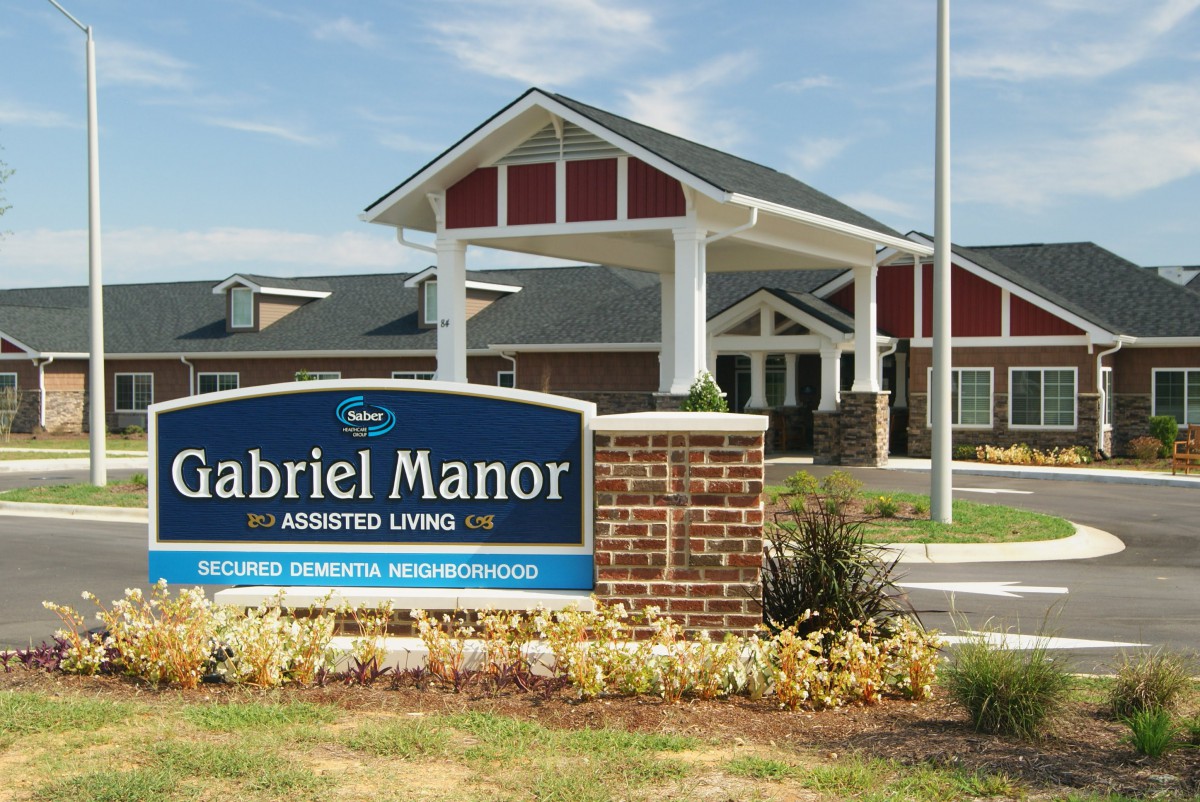
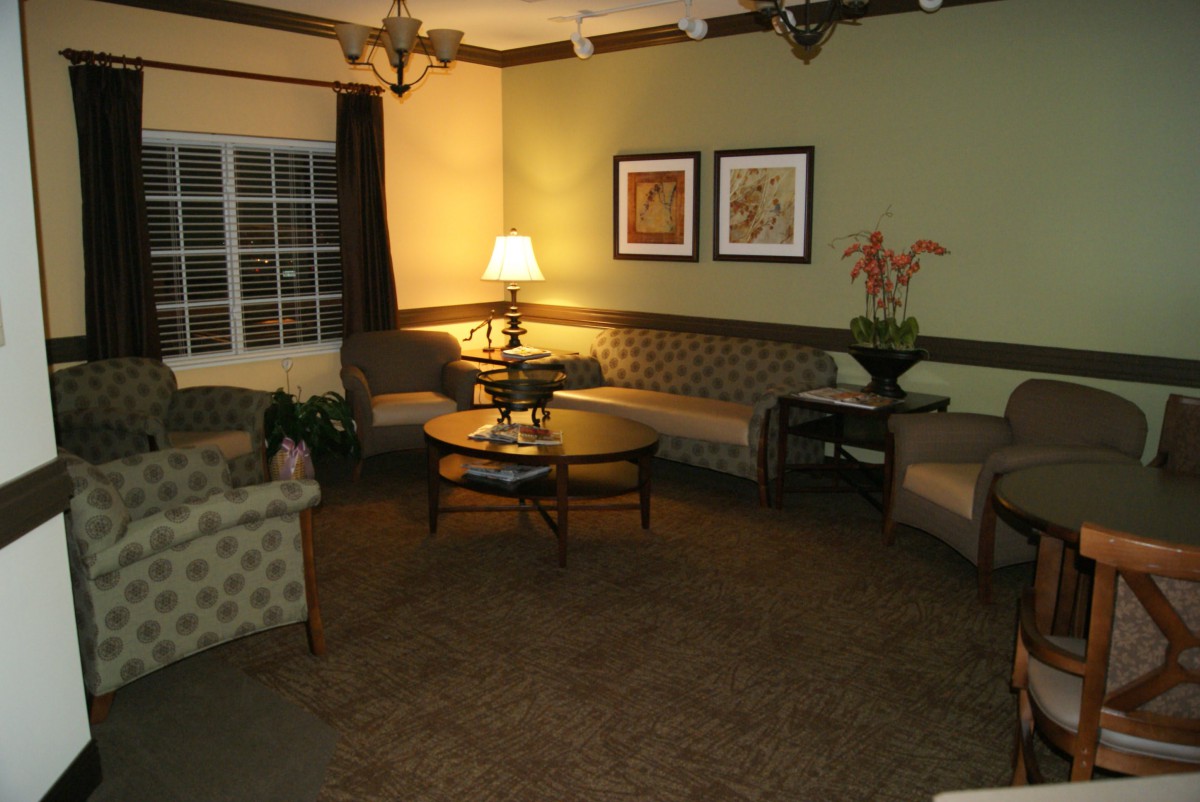
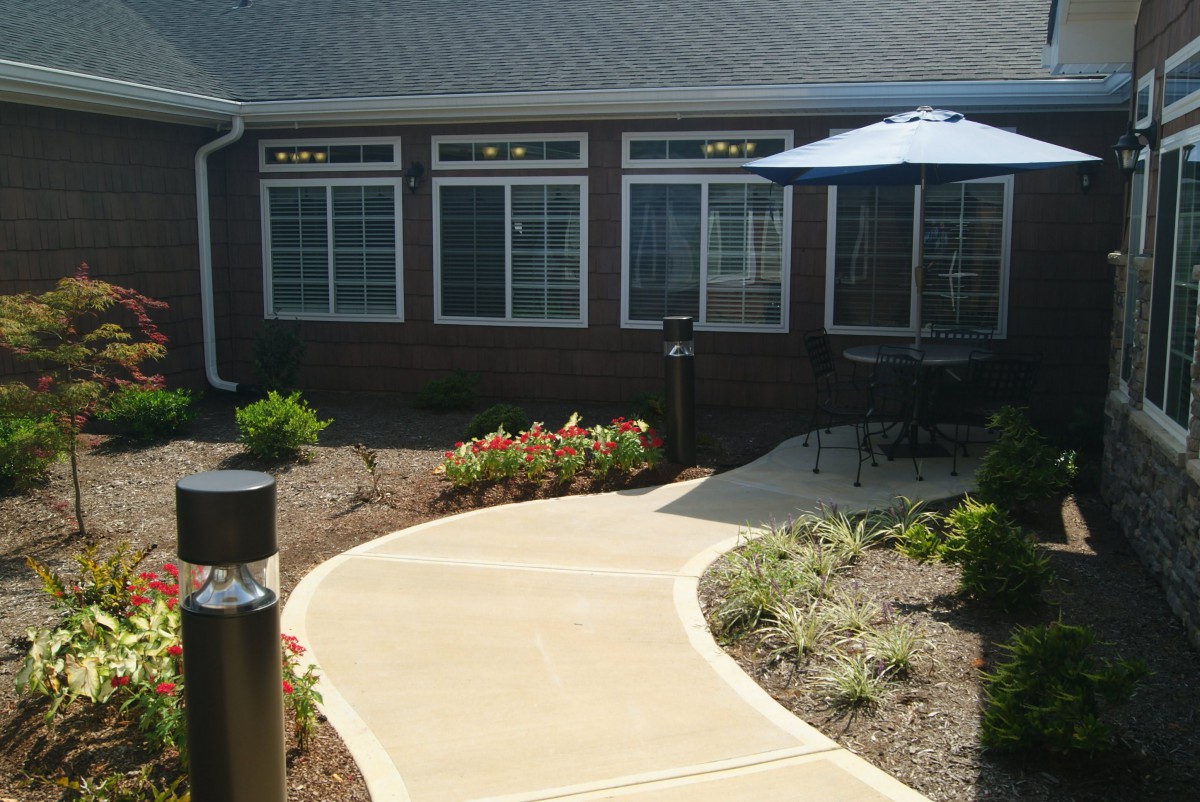
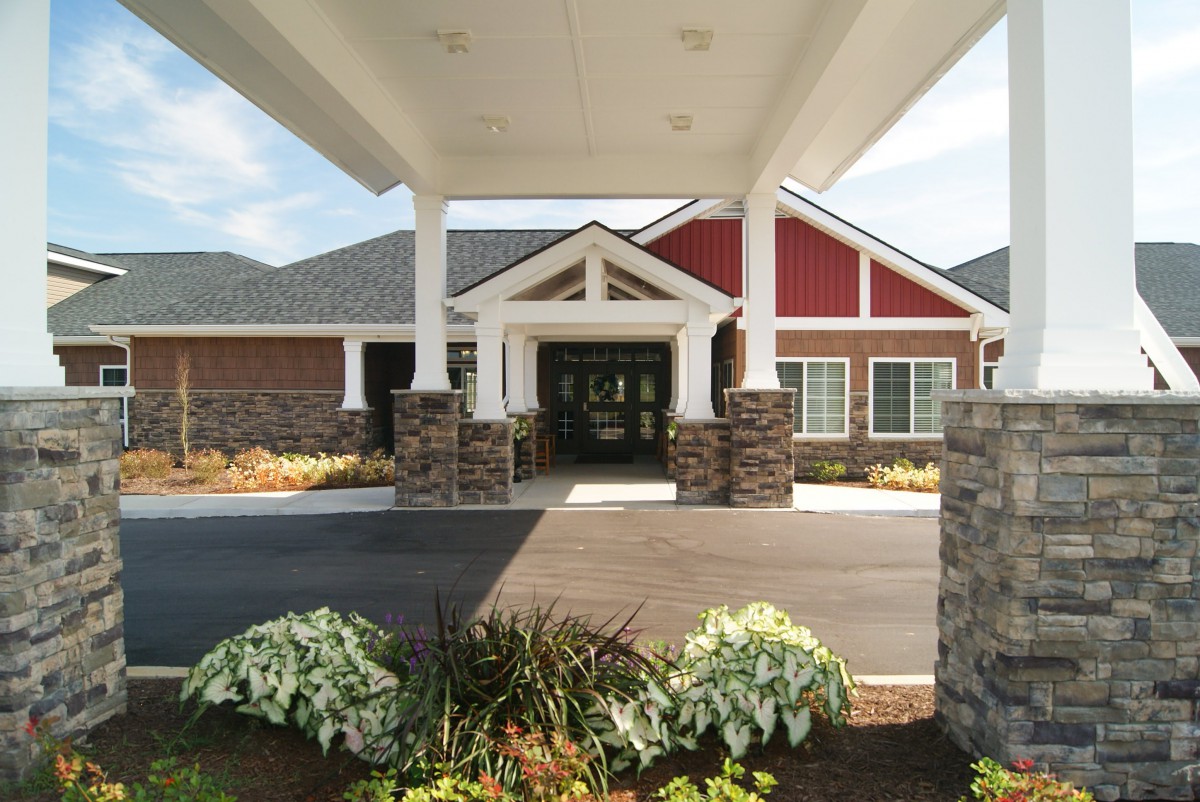
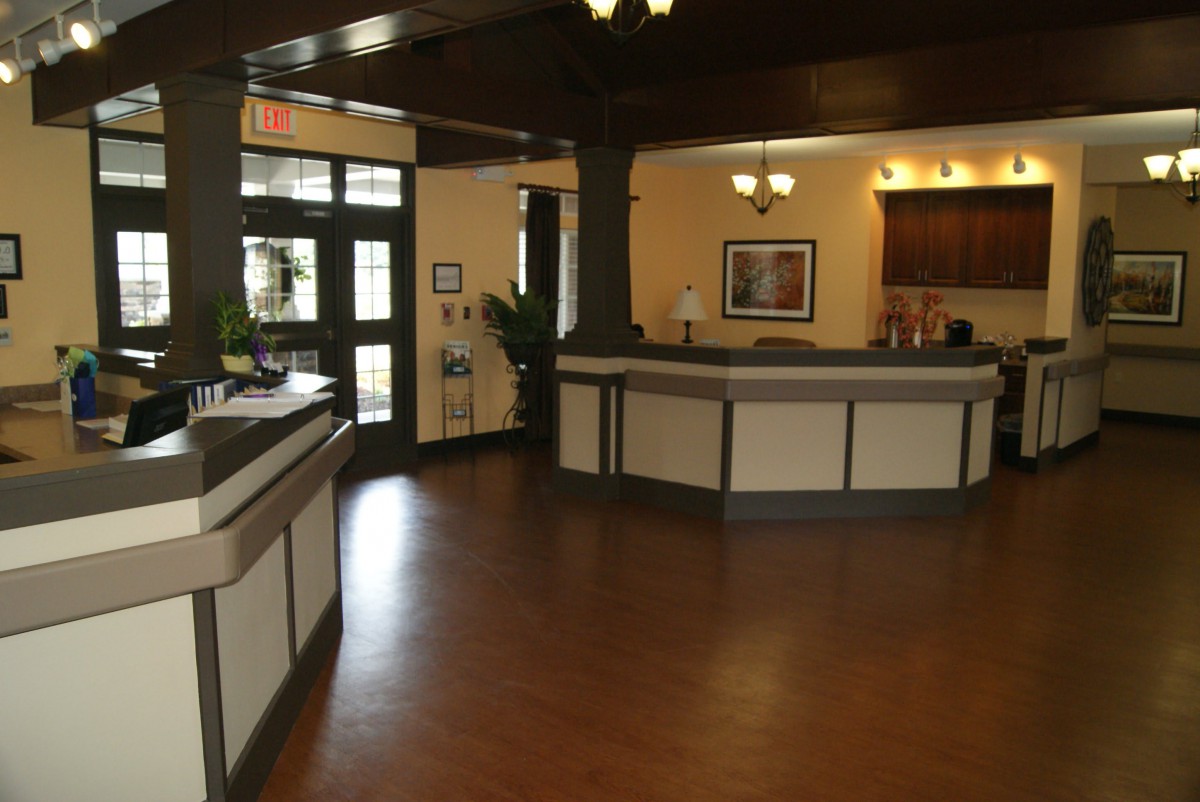
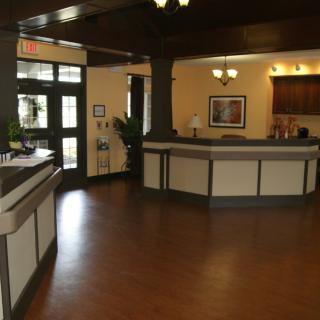
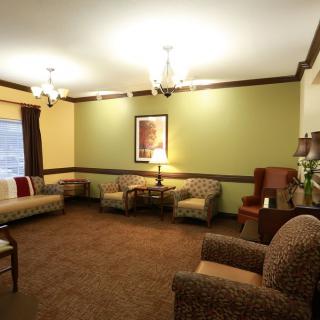
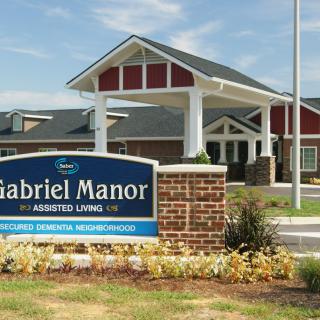
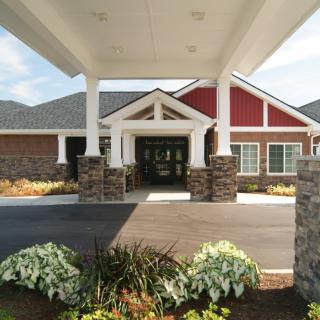
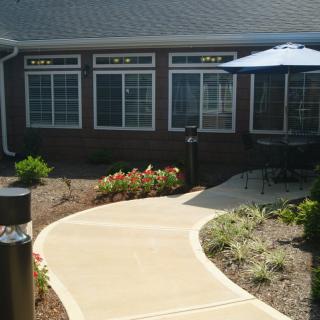
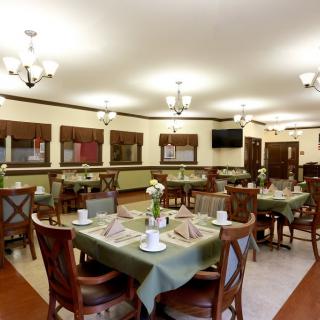
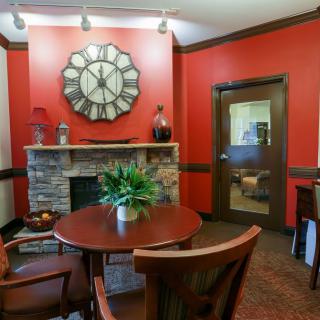
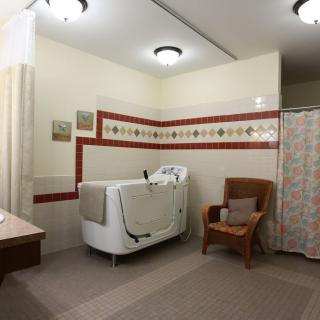
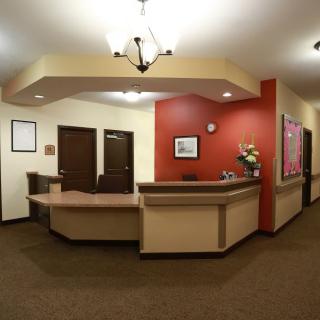
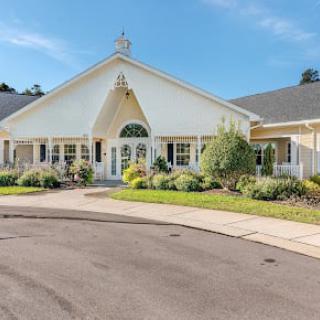
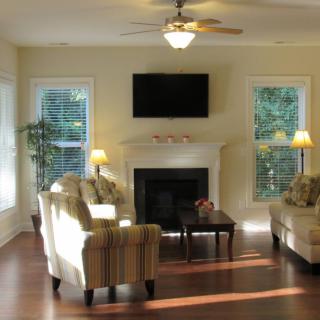
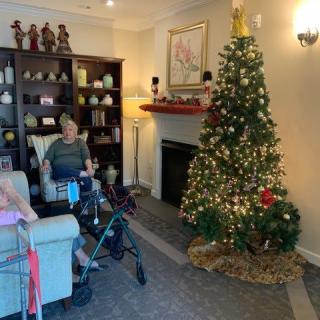
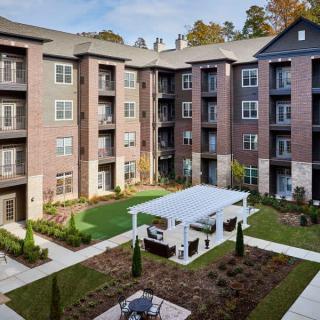
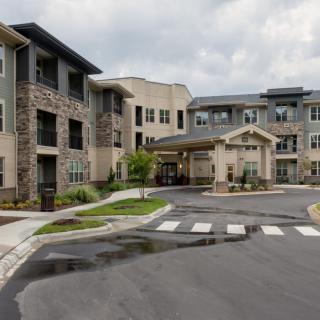
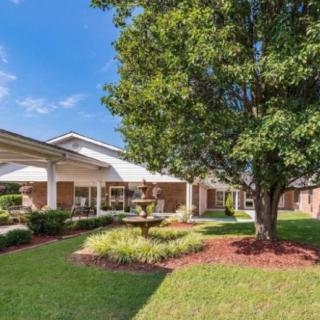
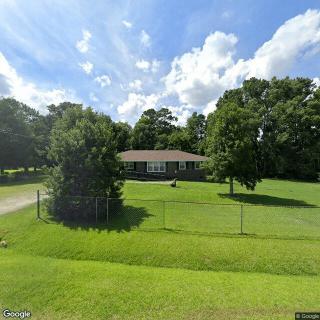
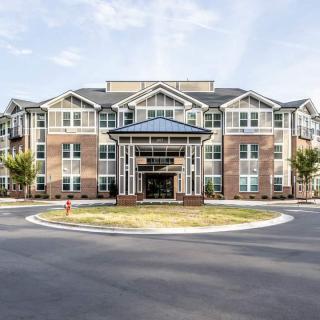
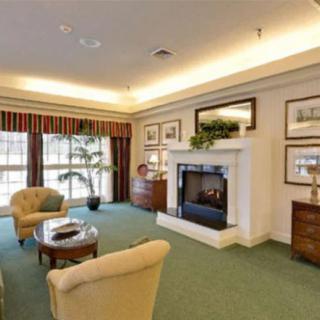
Gabriel Manor Assisted Living Center on seniors.fyi includes 12 photos including images showing interior, landscaping, building, living room, salon, decor, bathroom, dining, and more.
Nearby Communities
Springbrook Nursing & Rehabilitation Center
Clayton, NC
2.9 from 58 reviews
Caring staff, clean and well-maintained facility with effective rehab services and spacious rooms.
Avendelle at Garner
Garner, NC
4.3 from 15 reviews
$4,500 to $5,000 / month
Small, home-style setting with attentive staff, good meals, and engaging activities.
The Haven At Garner
Garner, NC
4.7 from 116 reviews
Small, homelike board-and-care with personalized care and comprehensive daily living support.
Brian Center Health & Retirement
Clayton, NC
3.7 from 82 reviews
24/7 supervision with medication management and on-site amenities (dining, activities, transportation).
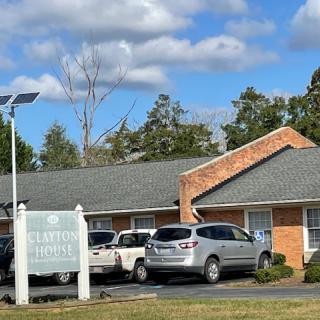
Clayton House
Clayton, NC
3.5 from 17 reviews
Caring nursing staff in a small, welcoming community with good dining and activities.
Hillcrest Family Care Home II
Clayton, NC
5 from 6 reviews
$2,500 / month
Affordable private room ($2,500/mo) with convenient access to nearby pharmacies, physicians, restaurants, and a hospital.
Cadence Garner
Garner, NC
4.5 from 53 reviews
$4,740 to $7,100 / month
Beautiful, well-maintained facility with warm staff and engaging activities.
Foundation Senior Living
Garner, NC
3.7 from 17 reviews
$4,990 to $5,490 / month
Friendly staff, clean and well-maintained facilities with modern amenities and on-site dining.
Dementia encompasses progressive neurological disorders that impair cognitive functions and can lead to paranoia due to cognitive decline and emotional changes. The article discusses the triggers of paranoia in dementia, caregiver strategies for managing it, and the importance of distinguishing between dementia-related paranoia and other psychiatric conditions.
Memory care activities are essential for improving the quality of life of seniors with cognitive impairments, as they stimulate cognitive function, promote well-being, and encourage social interaction through tailored strategies. These activities combine structured exercises with spontaneous tasks, sensory engagement, physical workouts, creative pursuits, and intergenerational interactions to enhance emotional connection and a sense of purpose.
Transitioning from assisted living to memory care is driven by an individual's cognitive decline and specific needs, requiring careful evaluation of indicators like increased confusion and wandering. The process involves consulting medical professionals, researching suitable communities, considering financial and legal aspects, and ensuring effective communication for personalized care plans.
Get PricingAsk A QuestionSchedule A TourContact Senior Advisor
By clicking submit, you agree to our Partner's Terms of Use. You
also consent to receive calls and texts, which may be autodialed, from our Partner. Your consent is not a condition to
using our Partner's service. Please visit our Partner's Privacy Policy for information about their privacy practices.

 77 resident community capacity
 1-bedroom apartments
 Assisted Living
 Memory Care
 Activities off-site
 Air-conditioning
 Bath tubs
 Beautician on-site
 Cable or satellite TV
 Computer center
 Devotional services on-site
 Dining room
 Fitness room
 Fully furnished
 Gaming room
 Garden
 Ground floor units
 Guest parking
 Housekeeping services
 Indoor common areas
 Kitchenette
 Laundry
 Move-in coordination
 Outdoor common areas
 Party space
 Private bathrooms
 Respite or short term stays offered
 Restaurant-style dining
 Small library
 Spa
Spa Telephone
 VA Benefits Consultation
 Wheelchair accessible showers
 Wi-Fi/high-speed internet available
 Raleigh-Durham International (23 miles away)
 Community operated transportation
 12-16 hour nursing
 24-hour call system
 Ambulatory care
 Assistance with bathing
 Assistance with dressing
 Assistance with transfers
 Diabetes diet
 Diabetic care
 Incontinence care
 Medication management
 Mental wellness program
 Physical therapy
 Special dietary restrictions
 Art classes
 Concierge services
 Cooking classes
 Day trips and outings
 Educational speakers / life long learning
 Games
Games Live dance or theater performances
 Live musical performances
 Stories
 Visiting chaplain or priest
 Wii bowling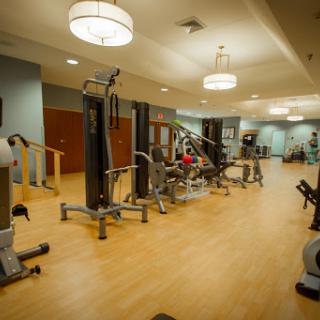
 Caring staff, clean and well-maintained facility with effective rehab services and spacious rooms.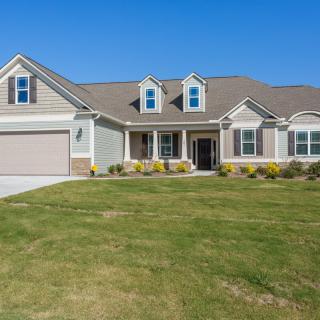

 Dementia, Paranoia, and Caregiver Guidance: Understanding the Connection
 Engaging Memory Care Activities That Enhance Quality of Life
 When to Transition from Assisted Living to Memory Care: Key Indicators, Steps, and Finding the Right Community