
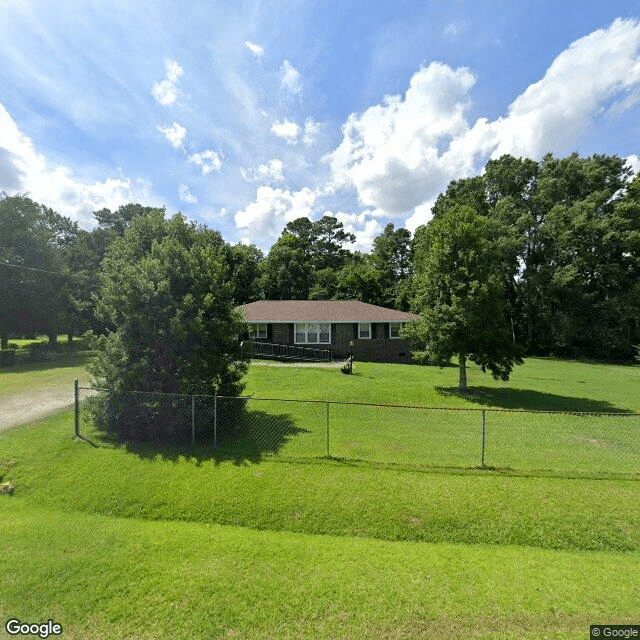
144 Big Pine Rd., Clayton, NC 27520
To contact a resident: (919) 231-6776
For more information about senior living options: (866) 208-4318
Hillcrest Family Care Home II Costs & Pricing
Hillcrest Family Care Home II offers competitive pricing for its services, with a monthly cost of $2,500 for a private room. This figure is significantly lower than the average costs in Wake County, which stand at $4,658, and also below the state average of $4,425 for similar accommodations. This affordability makes Hillcrest an attractive option for families seeking quality care without the financial burden typically associated with assisted living facilities in the region.
| Floor plans | Hillcrest Family Care Home II | Wake County | North Carolina |
|---|---|---|---|
| Private | $2,500 | $4,658 | $4,425 |
Senior living communities with a similar price nearby
-
About the same
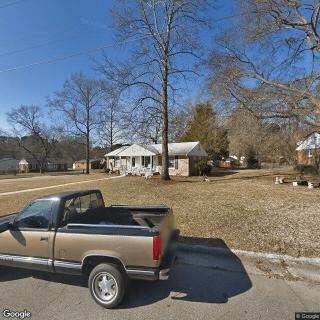
Ann's Family Care Home
$2,500 / month12.9 miles away -
About the same

Ann's Family Care Home III
$2,500 / month15.9 miles away -
from +$300 / mo
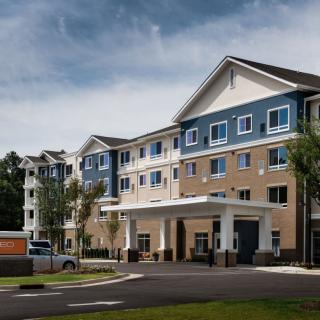
Treeo Senior Living Raleigh
$2,800 to $4,360 / month19.1 miles away -
from -$150 / mo

The Right Hands Healthcare, LLC
$2,350 to $3,235 / month10.2 miles away -
from -$150 / mo
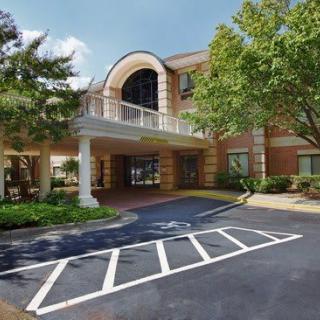
Independence Village of Olde Raleigh
$2,350 to $3,400 / month20.1 miles away
Overall Review of Hillcrest Family Care Home II
Pros
 Hillcrest Home Health is highly professional and unbelievably caring.
- The Hillcrest team goes above and beyond to meet clients' needs.
- The caregivers quickly become part of the family and provide outstanding care.
- Hillcrest makes the caregiving process easy for families.
- Administrators are exceptionally caring and responsive.
- Most of the home care helpers are excellent, with concerns addressed to satisfaction.
Review
Hillcrest Family Care Home II in Clayton, NC is best suited for families seeking reliable, compassionate, home-based support that allows a loved one to stay in a familiar setting while receiving hands-on care. The cohort of reviews makes a clear case: a skilled home-health team that feels more like family, with caregivers who are professional, attentive, and genuinely caring. When extra help was needed, the team moved quickly, often taking over the night shift and ensuring seamless coverage. The story across accounts is consistency: staff members who build trust, become familiar faces, and stay aligned with a precise care plan, which reduces the chaos that comes with caregiving transitions.
That said, Hillcrest is not the solution for every situation. Families facing complex, round-the-clock medical supervision, high-acuity needs, or a desire for extensive on-site programming may want alternatives such as larger assisted living facilities or skilled-nursing residences. If the priority is continuous nursing oversight or highly structured social activities, a facility-based option might be a better fit. Cost dynamics and the preference for more robust social engagement can also push families toward other models. Hillcrest shines when the aim is rapid deployment, flexible scheduling, and a warm, family-like care environment that can relieve demanding family caretaking roles.
On the upside, the core strengths are substantial. Caregivers are described as wonderful and highly capable, with professional competence paired with genuine empathy. Administrators earn praise for responsiveness and alignment with family expectations, and concerns typically get addressed to the family’s satisfaction. The ability to begin services quickly, sometimes the same day, speaks to operational readiness that reduces gaps in care. Continuity matters here: when a trusted caregiver becomes part of the routine, the loved one experiences steadier daily rhythms and fewer disruptive handoffs. The main limitation remains inherent in home-based care: medical resources are not as centralized as in a dedicated facility.
Families evaluating Hillcrest should go in with clear questions to ensure the match. Confirm exactly which tasks the team can perform at home, medication administration, wound care, catheter management, and testing, as well as whether a clinician is available for urgent questions outside business hours. Ask how care plans are built, who updates them, and how families receive updates. Inquire about backup coverage during holidays or caregiver absences and establish a definitive escalation path for concerns. Finally, verify communication expectations: how often updates come, who their point of contact is, and how proactively the team coordinates with external providers.
Practical risk management means picturing how needs might evolve. Hillcrest seems to excel at fast deployment and a compassionate, consistent staff, which can lower hospital readmission risk and reduce family burnout. However, if a loved one’s condition requires intensive nursing procedures, complex therapies, or 24/7 on-site supervision, combining Hillcrest with another setting or service may be necessary. It is prudent to review caregiver turnover risk, ensure robust background checks, and map out a long-term plan for shifts, vacations, and emergencies. Clarify pricing, eligibility, and how care levels can be scaled as needs shift over time.
Overall, Hillcrest Family Care Home II presents a compelling option for families who value speed, warmth, and a home-like approach to caregiving in Clayton. The reviews collectively point to a reliable team that delivers not just support but a sense of security that families can lean on during difficult days. The decisive caveat is medical acuity: the model excels when home care suffices for daily living, while more intensive medical oversight or richer social programming may require exploring alternatives. For families seeking a practical, experienced path that buys time and preserves independence at home, Hillcrest earns serious consideration, provided expectations are aligned and a clear plan is in place.
 Board and Care Home
 Private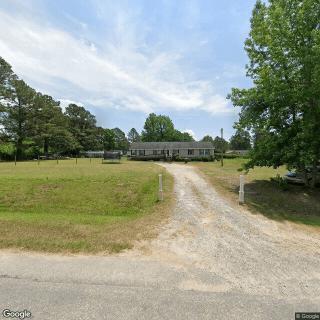


 Compassionate Conversations: How to Comfort Someone Who Is Grieving
 Home Health Care Aides: Understanding Their Role and Supporting Your Family
 Urinary Tract Infections in Older Adults: Comprehensive Insights on Symptoms, Treatment, and Prevention