Avendelle at Garner

Save

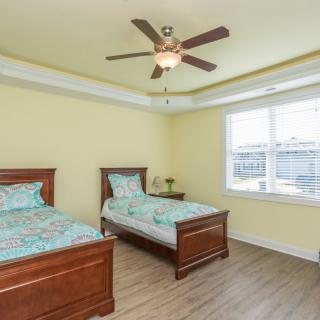
  • Interior

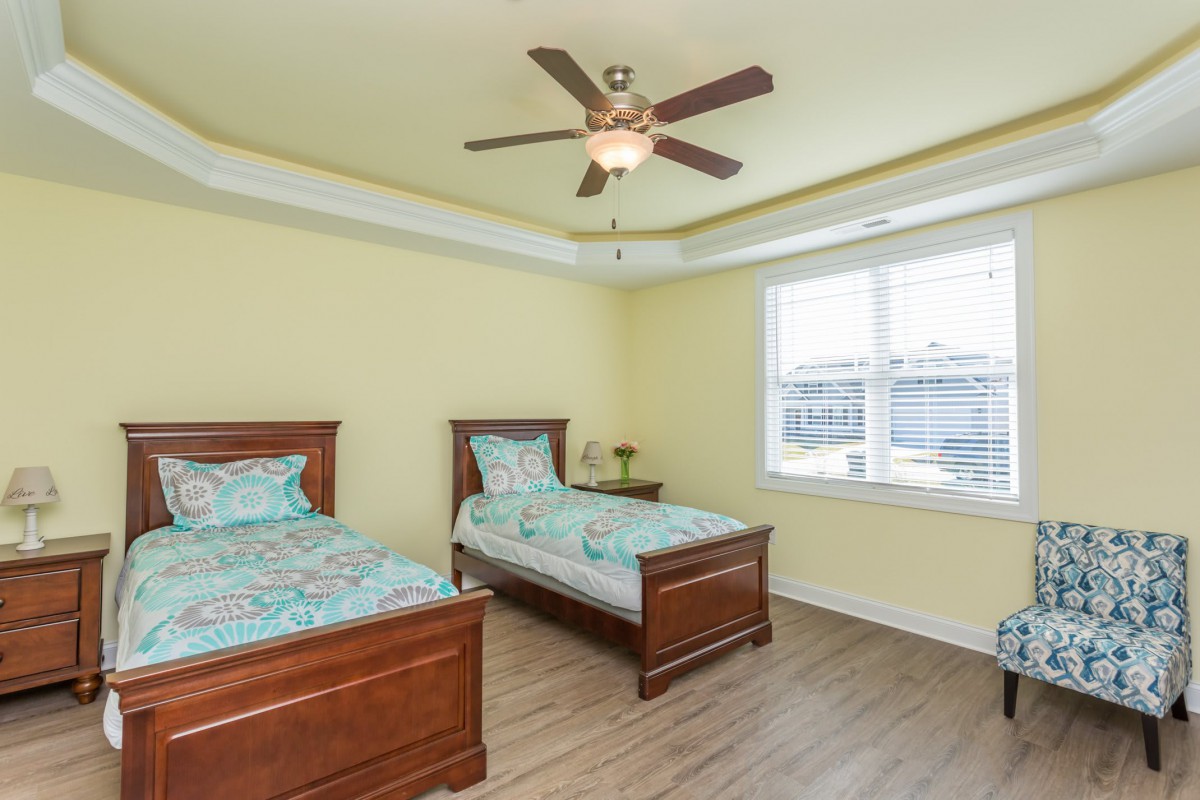
    A bright bedroom with two twin beds, a ceiling fan, and a large window.
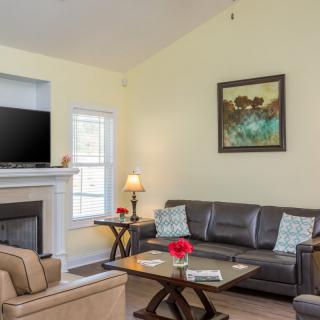
  • Living Room

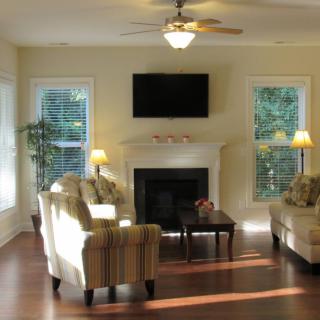
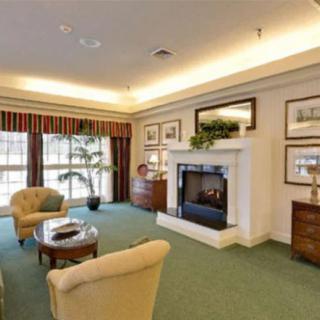
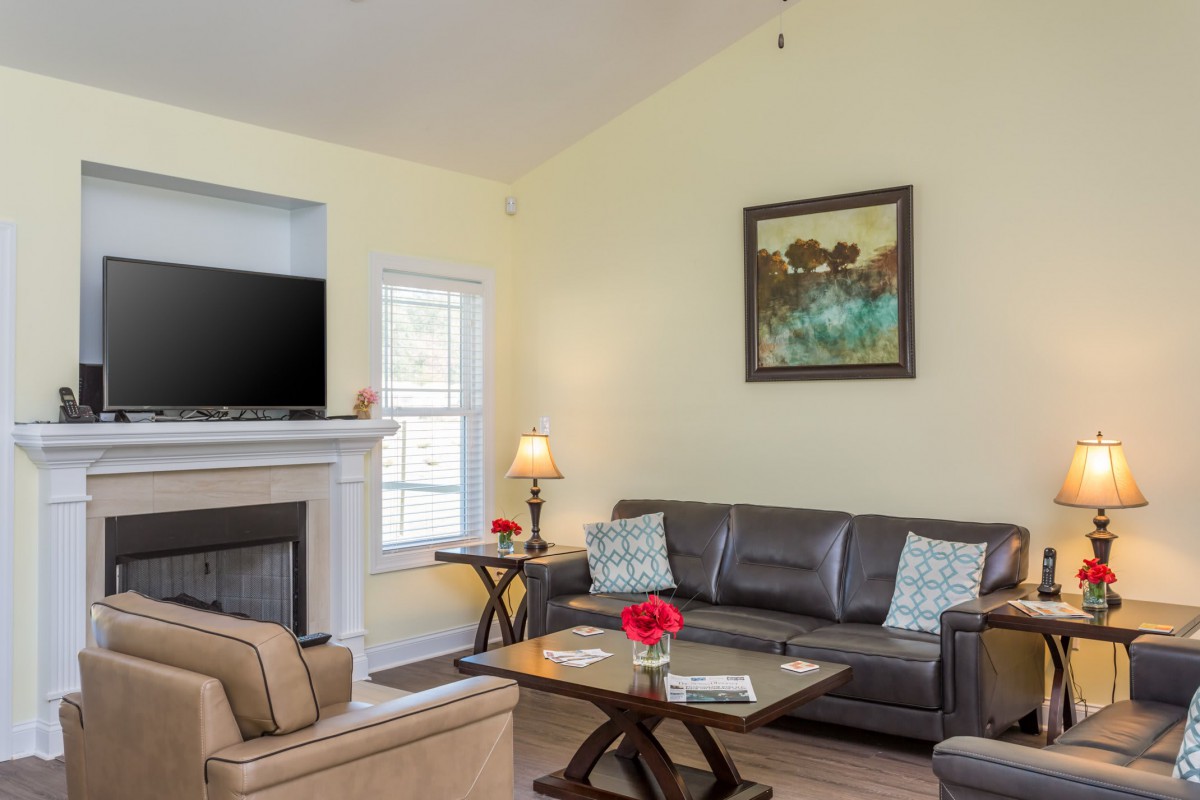
    A cozy living room featuring a sofa, coffee table, fireplace, and a mounted TV.
  • Architecture

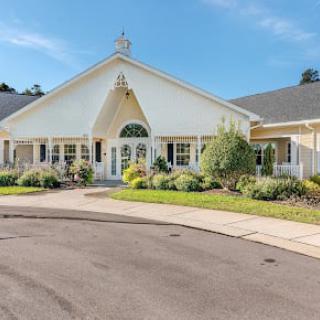
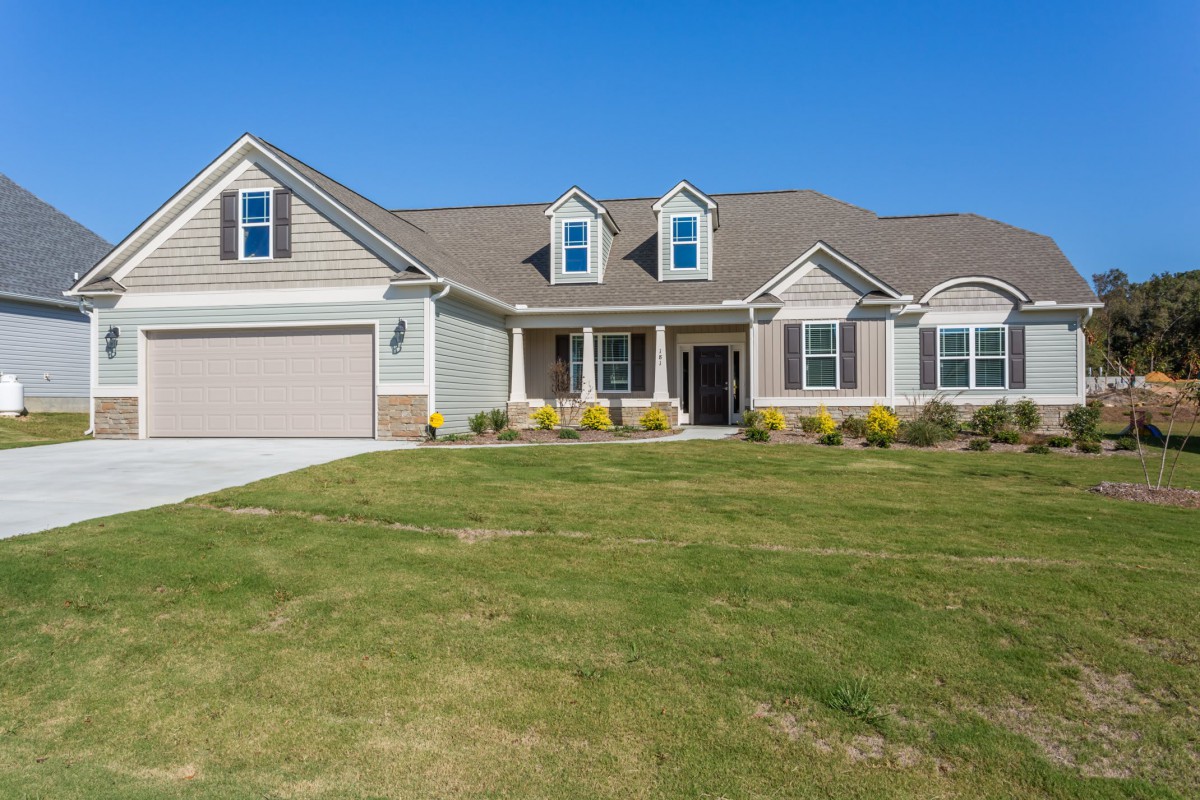
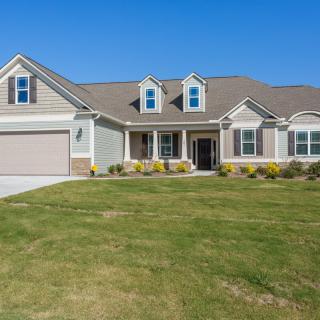
    A modern suburban house with a spacious lawn and driveway.
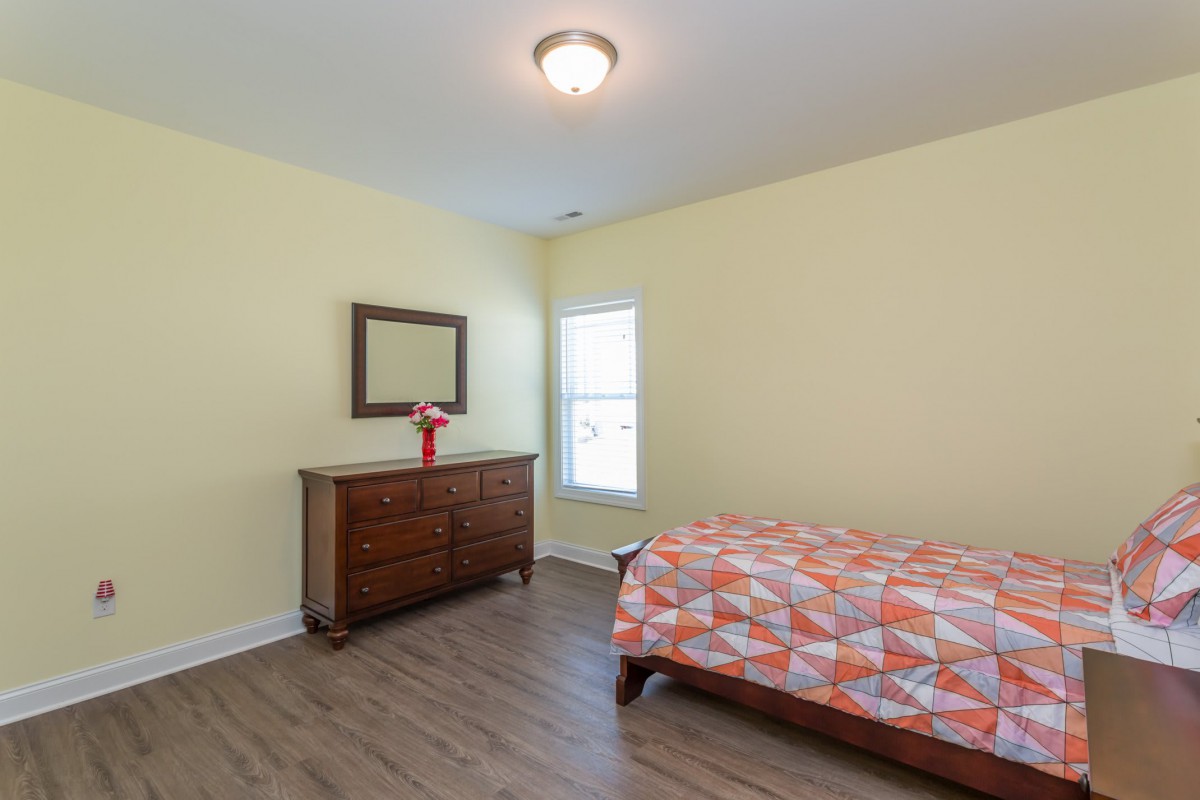
  • Bedroom

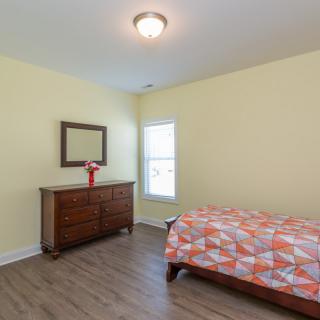
    A minimalist bedroom with a wooden dresser, mirror, and single bed featuring a colorful bedspread.
  • Windows

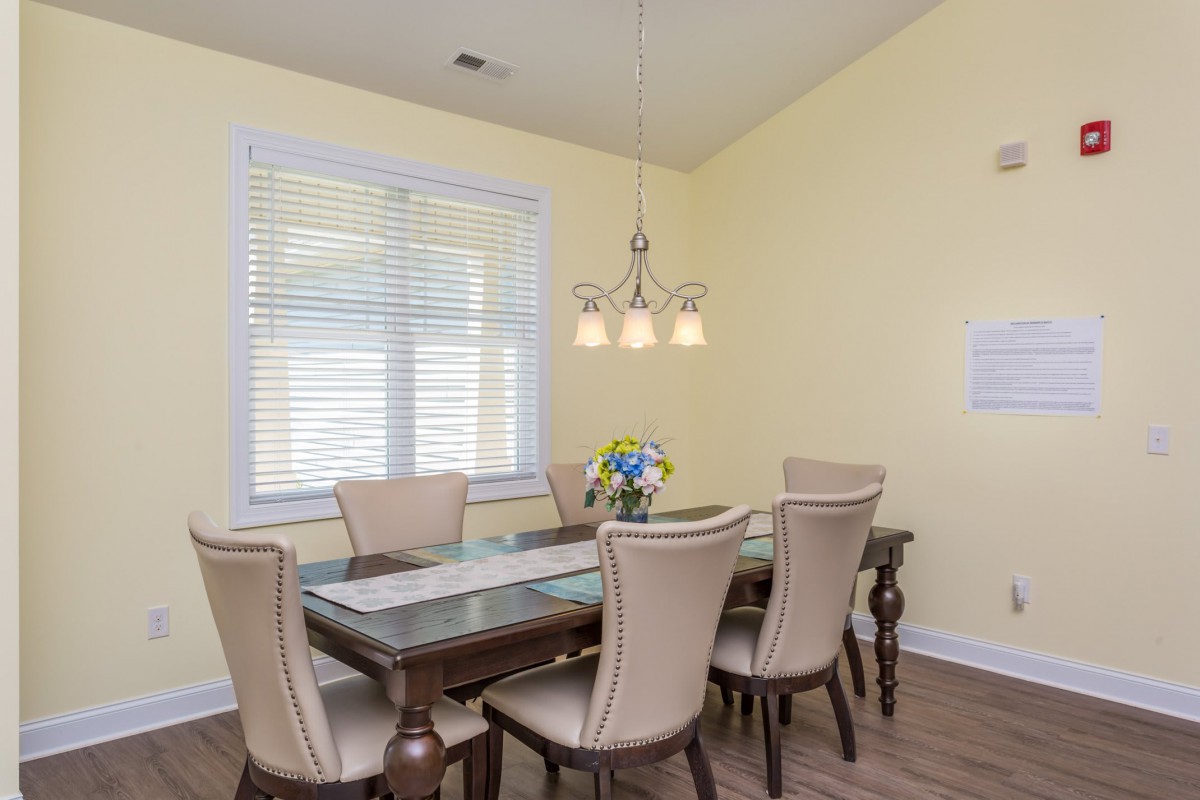
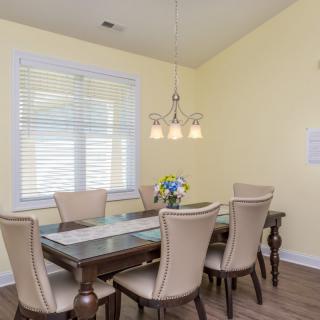
    A bright dining room with a glass-top table and six upholstered chairs, under a decorative light fixture.
  • Landscaping

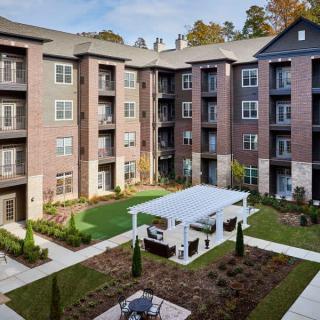
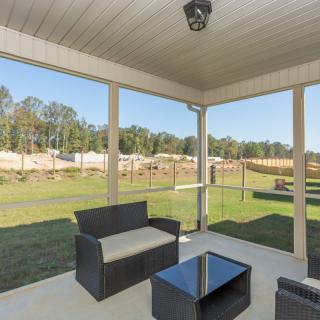
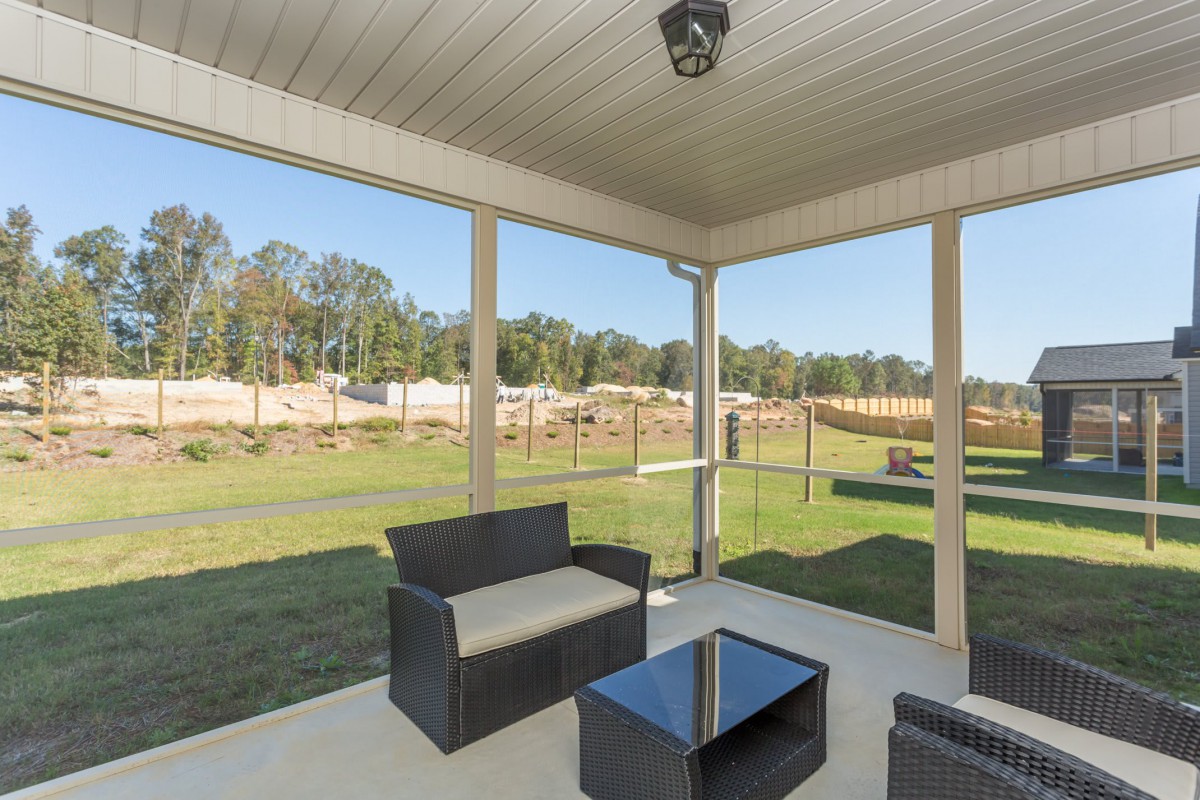
    A cozy patio with modern outdoor furniture overlooking a spacious backyard.
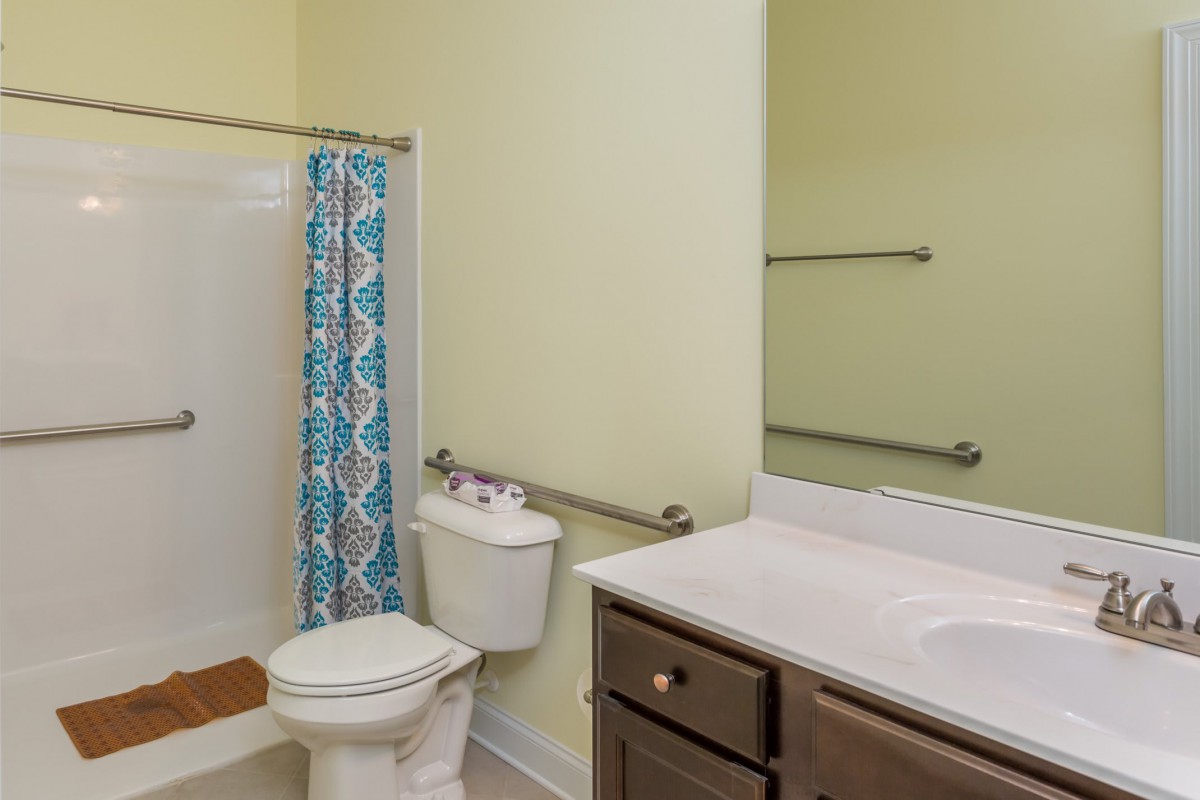
  • Bathroom

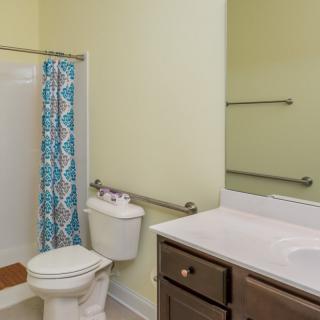
    A small bathroom with a toilet, sink, and shower area featuring a colorful shower curtain.

Avendelle at Garner

Information last verified:

181 Kaspurr Dr, Garner, NC 27529

For more information about senior living options: (844) 490-3973

4.3 from 14 reviews
5 stars
11
4 stars
0
3 stars
1
2 stars
0
1 stars
2

Avendelle at Garner Costs & Pricing

At Avendelle at Garner, the monthly costs reflect a commitment to quality care and comfortable living environments. For a semi-private room, residents can expect to pay $4,500, which is slightly above the Wake County average of $4,391 but remains competitive when compared to the broader North Carolina benchmark of $3,584. Private rooms are offered at $5,000, surpassing both the local county rate of $4,658 and the statewide average of $4,425. Similarly, studio apartments are priced at $5,000 - again higher than Wake County's average of $4,757 and North Carolina's overall figure of $4,020. These costs underscore Avendelle's dedication to delivering exceptional services and amenities that prioritize resident well-being while remaining mindful of regional economic standards.

Floor plansAvendelle at GarnerWake CountyNorth Carolina
Semi-Private$4,500$4,391$3,584
Private$5,000$4,658$4,425
Studio$5,000$4,757$4,020

Overall Review of Avendelle at Garner

Pros

  • pro The staff at Miss Bell's Assisted Living are professional, capable, attentive, patient, and respectful toward all residents, and they work well together.
  • pro The administrators are commended for hiring and maintaining quality staff, and the staff show kindness to residents and their families.
  • pro Avendelle of Garner provides care that is noticeably better and more individualized than care at larger facilities, thanks to a close staff-to-resident ratio.
  • pro The staff become like family and consistently go out of their way to meet residents' needs.
  • pro The home atmosphere at Avendelle Garner enhances residents' emotional well-being.
  • pro The nurse at Garner is top-rate, contributing to high-quality care.
  • pro Families describe Avendelle Garner as a wonderful facility with wonderful administration and staff.
  • pro Residents enjoy delicious meals and a variety of activities in a welcoming, home-like setting.
  • pro Avendelle is a residential care home with a convenient location and accessible setup for handicapped residents.

Cons

  • pro Avendelle of Garner does not meet residents' needs after the ownership change.
  • pro Care reportedly went downhill after the ownership change.
  • pro Staff allegedly barely assist residents who cannot feed themselves.
  • pro There was outdated thickener stored in cabinets and items like clothes would go missing.
  • pro A staff member was seen taking a test in a resident's room while the resident wasn’t present.
  • pro The owner was described as very unprofessional.
  • pro The reviewer would not recommend the facility.
  • pro The facility is not suitable for around-the-clock care.
  • pro A relative was injured there, with concerns about how the staff treated residents and about medicating them to keep disturbances down.
  • pro The cost was too high, leading the reviewer not to choose Avendelle.

Review

Avendelle at Garner is best suited for families seeking a truly home-like, intimate setting where staff know residents well and can tailor care to individual routines. This community excels for older adults who benefit from a small-house model, where caregivers build genuine relationships and can respond quickly to daily needs without the impersonality of a large campus. It is particularly appealing to families managing dementia or mobility challenges who do not require hospital-level nursing around the clock but do want attentive oversight, predictable meals, and meaningful daily activities. The strongest endorsements come from families that prize a warm, family-style atmosphere, where caregivers are perceived as partners in care and daily life feels like home. In short, Avendelle Garner rewards those who value personalized attention, accessible staff, and a homelike rhythm over institutional distance.

Those who should consider alternatives are precisely the families prioritizing constant, highly regulated supervision or a robust continuum of care. If round-the-clock skilled nursing is non-negotiable, or if a resident requires very high-frequency monitoring and rapid response to emergencies, a larger facility with formal staffing schedules may be more reassuring. Cost considerations also push families toward alternatives, especially when budget constraints collide with the premium that a smaller, residential care home commands. Another caveat is the facility’s recent history of ownership changes, which some families associate with fluctuations in care quality. For families who want a consistently stable leadership structure and a stronger assurance of uninterrupted oversight, it’s prudent to compare with other options that emphasize a steady governance model and broader clinical resources.

The strongest positives at Avendelle Garner, namely the intimate staff-resident ratios, the friendly, respectful demeanor of caregivers, and the home atmosphere, often counterbalance the downsides when a stable, engaged team is in place. Families repeatedly note that care feels individualized, with staff who know residents’ histories, preferences, and routines, and with a nurse presence described as capable and responsive. Meals are frequently praised as delicious, and many residents participate in a varied array of activities that reinforce social connection and emotional well-being. This is a setting where family members feel welcomed to stay engaged, participate in daily routines, and observe care in a way that is far less common in larger facilities. In this light, the pros become meaningful compensations for the inherent trade-offs of a smaller operation.

Still, the record reflects some credible concerns that cannot be ignored. Several reviews point to a noticeable decline in care quality after a change in ownership, accompanied by reports of inconsistent supervision and occasional lapses in professionalism. Instances shared by families suggest that when staff must juggle breaks and required tasks, coverage gaps can appear, and basic needs, such as assistance with feeding for residents who cannot feed themselves, may be unevenly met. There are troubling anecdotes about safety and accountability, including incidents that families interpret as insufficient oversight when family presence is not constant. Taken together, these red flags underscore a fundamental truth: the quality at Avendelle Garner hinges on steady leadership, well-supported daily routines, and a consistently staffed environment.

On the practical side, cost and program breadth matter. Several reviewers note that while the home-like setting and individualized care are compelling, the price tag can be a barrier, especially for families seeking a more value-oriented option with a broader activity calendar and more predictable, formal programming. Those who can align finances with the favorable aspects, home-like comfort, open family communication, real-time responsiveness of a capable nurse, and social engagement, will find compelling reasons to commit. For others, particularly if budget is tight or if there is a need for highly predictable, highly supervised programming, it makes sense to compare Avendelle Garner with other small residential options or larger facilities that guarantee more structured staffing and a more expansive activity roster.

Ultimately, the decision should hinge on a candid risk-reward calculus. Avendelle Garner delivers an environment where care feels personal, staff are approachable, and the emotional climate can be profoundly positive for residents who thrive on routine and companionship. The deliberation should emphasize two core questions: Can the family rely on steady leadership and consistent staffing to maintain the high-touch care described by many residents’ families? And does the resident’s care plan align with a small, home-like model that may require ongoing active family involvement and vigilant oversight? If the answer is yes, Avendelle Garner stands out as a strong, practical choice. If the answer is no, or if the need for around-the-clock supervision and comprehensive clinical support is non-negotiable, exploring alternatives with deeper clinical depth and more formal governance will be the prudent path.

Features

Types of Care

  • Board and Care Home Board and Care HomeBoard and care homes provide a smaller, more intimate setting for seniors who require assistance with daily tasks but do not need the level of care offered by a nursing home. They offer personalized care, meals, and social activities in a homelike environment, ensuring that seniors receive individualized attention and support in their golden years.
  • Memory Care Memory CareMemory care is crucial for seniors as it provides specialized support and services for individuals with dementia or Alzheimer's disease. These programs offer a safe and secure environment where residents receive personalized care, cognitive stimulation, and help with daily activities. Memory care helps seniors maintain their independence, quality of life, and dignity while also providing peace of mind for their families.

Amenities

  • Activities off-site Activities off-siteEngaging in off-site activities is crucial for seniors to maintain social connections, stay active, and stimulate their minds. It promotes overall well-being and helps combat feelings of isolation and loneliness.
  • Activities on-site Activities on-siteActivities on-site are important for seniors because they provide opportunities for socialization, mental stimulation, physical activity, and overall well-being. Engaging in activities can help seniors stay active, maintain their independence, and improve their quality of life.
  • Air-conditioning Air-conditioningAir conditioning is important for seniors as they are more vulnerable to heat-related illnesses and may have underlying health conditions that make it difficult for them to regulate their body temperature. It helps to keep them comfortable, safe, and healthy in hot weather.
  • Beautician on-site Beautician on-siteHaving a beautician on-site at a senior living community is important for seniors as it allows them to easily access grooming and personal care services, boosting their self-esteem and overall well-being. It also provides convenience and helps seniors maintain their sense of independence and personal style.
  • Cable or satellite TV Cable or satellite TVCable or satellite TV is important for seniors because it provides entertainment, news, and companionship, helping to combat loneliness and boredom. It also offers a wide range of programming options tailored to different interests and preferences.
  • Devotional services off-site Devotional services off-siteDevotional services off-site are important for seniors as they provide spiritual nourishment, social engagement, and a sense of community outside of the senior living facility. This can enhance overall well-being and help combat feelings of isolation and loneliness often experienced by older adults.
  • Full kitchen Full kitchenHaving a full kitchen in a senior living facility is important for seniors because it allows them to maintain their independence and prepare their own meals. This promotes healthy eating habits, saves money on dining out, and provides a sense of familiarity and comfort for residents.
  • Indoor common areas Indoor common areasIndoor common areas are crucial for seniors as they provide a space for socialization, recreation, and community engagement, promoting overall well-being and reducing feelings of isolation and loneliness.
  • Outdoor common areas Outdoor common areasOutdoor common areas are important for seniors as they provide a space for socialization, physical activity, and relaxation. Being outside in nature can improve mood and overall well-being, while also encouraging movement and engagement with others. These spaces can help combat feelings of isolation and promote a sense of community among residents.
  • Private PrivatePrivacy is important for seniors as it allows them to maintain their independence, dignity, and sense of control over their own lives. It also gives them the space and freedom to relax, reflect, and engage in activities that bring them joy and fulfillment. Creating private spaces within senior living facilities is crucial for promoting overall well-being and quality of life.
  • Wheelchair accessible showers Wheelchair accessible showersWheelchair accessible showers are crucial for seniors as they provide a safe and independent bathing option for those with mobility challenges. These showers help prevent falls and allow seniors to maintain their dignity and autonomy while ensuring they can bathe comfortably.
  • Wi-Fi/high-speed internet available Wi-Fi/high-speed internet availableWi-Fi/high-speed internet is important for seniors to stay connected with loved ones, access online resources, and participate in virtual activities to combat feelings of loneliness and isolation. It also allows them to easily manage healthcare needs, access entertainment, and engage in lifelong learning opportunities.

Transportation

  • Raleigh-Durham International (23 miles away) Raleigh-Durham International (23 miles away)

Care Services

  • Diabetic care Diabetic careDiabetic care is crucial for seniors as they are more susceptible to developing diabetes due to aging and other health conditions. Proper management of diabetes can help prevent complications such as heart disease, vision loss, and nerve damage, improving the overall quality of life for seniors in senior living communities.
  • High acuity care High acuity careHigh acuity care is important for seniors because it provides specialized medical attention and support for individuals with complex medical needs. This level of care ensures that seniors receive the appropriate treatment and assistance to maintain their health and quality of life as they age.
  • Incontinence care Incontinence careIncontinence care is essential for seniors to maintain their dignity, hygiene, and overall quality of life. By addressing incontinence issues promptly and effectively, seniors can enjoy a sense of independence and comfort in their daily activities.
  • Medication management Medication managementMedication management is crucial for seniors to ensure they are taking the right medications at the correct dosages and times. This helps prevent adverse drug interactions, reduces the risk of medication errors, and promotes overall health and well-being. Proactive management also allows for adjustments as needed based on changing health conditions or new prescriptions.

Dining

  • Low / no sodium Low / no sodiumLow/no sodium options are important for seniors because excessive sodium intake can lead to high blood pressure, heart disease, and other health issues commonly experienced by older adults. By choosing low/no sodium foods, seniors can better manage their health and reduce their risk of developing these conditions.
  • Meals provided Meals provided"Meals provided" are crucial for seniors in assisted living communities as it ensures they have access to nutritious, balanced meals without the stress of meal planning and preparation. This can help promote overall health and well-being for seniors who may have limited mobility or cognitive abilities.
  • No Sugar No SugarNo sugar diets are important for seniors because they can help prevent or manage chronic conditions such as diabetes, heart disease, and obesity. Sugar can also contribute to cognitive decline and inflammation in the body, so reducing sugar intake can lead to overall improved health and well-being in older adults.
  • Vegetarian VegetarianA vegetarian diet is important for seniors because it can help lower the risk of chronic diseases, maintain a healthy weight, and provide essential nutrients needed for aging bodies. Additionally, plant-based diets are often easier on digestive systems and can contribute to overall well-being in older adults.

Activities

  • Activities off-site Activities off-siteEngaging in off-site activities is crucial for seniors to maintain social connections, stay active, and stimulate their minds. It promotes overall well-being and helps combat feelings of isolation and loneliness.
  • Activities on-site Activities on-siteActivities on-site are important for seniors because they provide opportunities for socialization, mental stimulation, physical activity, and overall well-being. Engaging in activities can help seniors stay active, maintain their independence, and improve their quality of life.
  • BBQs or picnics BBQs or picnicsBBQs or picnics provide seniors with social interaction, enjoyment of the outdoors, and a sense of community, contributing to their overall well-being and quality of life.
  • Birthday parties Birthday partiesBirthday parties are important for seniors as they provide an opportunity for celebration, socialization, and joy. They allow seniors to feel special and appreciated, boosting their mood and overall well-being. Additionally, birthday parties can help combat feelings of isolation and loneliness by fostering connections with friends, family, and community members.
  • Day trips and outings Day trips and outingsDay trips and outings are important for seniors as they provide opportunities for socialization, mental stimulation, physical activity, and a break from daily routines. These experiences can enhance overall well-being and quality of life for older adults living in senior communities.
  • Devotional activities offsite Devotional activities offsiteDevotional activities offsite are important for seniors because they provide social engagement, spiritual growth, and a sense of community outside of their living environment. This can improve overall well-being, mental health, and combat feelings of isolation or loneliness.
  • Gardening club Gardening clubGardening clubs are important for seniors because they provide a sense of community, promote physical activity and mental well-being, and offer opportunities for socialization and connection with nature. Gardening can also improve cognitive function and overall quality of life for seniors.
  • Holiday parties Holiday partiesHoliday parties are important for seniors because they provide opportunities for socialization, community involvement, and mental stimulation. These festive events offer a sense of belonging and connection during a time that can be lonely for many older adults. Additionally, participating in holiday celebrations can boost mood and overall well-being for seniors living in senior living communities.
  • Trivia games Trivia gamesTrivia games are important for seniors because they provide mental stimulation, social interaction, and a fun way to keep the mind sharp. They can help improve memory, cognitive function, and overall well-being in older adults.
  • Yoga / chair yoga Yoga / chair yogaYoga and chair yoga are important for seniors as they promote flexibility, balance, strength, and overall wellbeing. These practices can help improve mobility, reduce stress, and enhance mental clarity, ultimately leading to a higher quality of life in their senior years.

Description

Avendelle at Garner in Garner, NC is a memory care community that provides exceptional care and a comfortable living environment for seniors with memory impairments. Our community offers a range of amenities to ensure the well-being and enjoyment of our residents. With activities on-site, residents can engage in stimulating and social activities without leaving the comfort of their home.

Our spacious rooms are fully air-conditioned, ensuring a cool and comfortable environment for our residents. A beautician is available on-site to provide hair styling and grooming services, allowing residents to look and feel their best.

Residents can enjoy their favorite TV shows or movies with cable or satellite TV in their rooms. Devotional services off-site cater to the spiritual needs of our residents, providing an opportunity for reflection and connection to their faith.

The full kitchen allows us to cater to specific dietary needs, including vegetarian and no sugar options. Our indoor common areas provide spaces for residents to relax, socialize, and participate in group activities. The outdoor common areas offer beautiful surroundings where residents can take walks or sit quietly enjoying nature.

Our community is designed to be wheelchair accessible, with showers specifically designed for easy access and safety. Wi-Fi/high-speed internet connection is available throughout our community, allowing residents to stay connected with family and friends online.

We provide high acuity care for those who require more specialized attention, along with incontinence care services. Our team carefully manages medications for all residents, ensuring they receive the correct dosages at the right times.

Meals are provided in our dining area, where nutritious options are served daily. We understand dietary restrictions and offer vegetarian meals as well as options without added sugar.

At Avendelle at Garner, we believe that staying active is important for physical and mental well-being. That's why we offer a variety of activities on-site such as BBQs or picnics, birthday parties, day trips and outings, devotional activities offsite, gardening club, holiday parties, trivia games, and yoga / chair yoga.

We are conveniently located near several pharmacies, physicians, restaurants, and hospitals, making it easy for residents to access the services they may need.

At Avendelle at Garner, we strive to provide a warm and inviting environment for seniors with memory impairments. Our dedicated staff is committed to providing compassionate care and ensuring that our residents live in comfort and enjoy a fulfilling lifestyle.

Nearby Places of Interest

The Garner, North Carolina area offers a variety of amenities and services that cater to senior living. With multiple hospitals in close proximity, such as JMH Clayton and WakeMed Health & Hospitals, medical care is easily accessible. Additionally, there are several physicians' offices nearby, including EmergeOrtho-Clayton and Horizon Family Medicine, ensuring that seniors have convenient access to healthcare providers. Pharmacies like Walgreens and CVS Pharmacy are also conveniently located for medication needs. In terms of recreation, parks like Biltmore Hills Park and Chavis Park provide opportunities for outdoor activities, while theaters like Alamo Drafthouse Raleigh offer entertainment options. With places of worship like Beacon Baptist Church and St Eugene's Catholic Church nearby, seniors can find spiritual support in the community. Overall, this part of Garner provides a well-rounded environment for seniors looking to live comfortably with access to essential services and recreational opportunities.

Hospitals

  • JMH Clayton (1.6 miles)
  • Wakemed Garner Healthplex (6.2 miles)
  • WakeMed Health & Hospitals (11.3 miles)
  • WakeMed Heart Center (11.4 miles)

Physicians

  • EmergeOrtho-Clayton (1.6 miles)
  • Horizon Family Medicine (2.7 miles)
  • High Point Audiologica (3 miles)
  • Meehan Medical (3.2 miles)
  • Mann Ear Nose & Throat (3.5 miles)
  • Clayton Pediatrics Center (3.8 miles)
  • Strategic Behavioral Center - Scott D Segal MD (3.9 miles)

Pharmacies

  • Allcare Pharmacy Services (2.1 miles)
  • Walgreens (2.7 miles)
  • CVS Pharmacy (3.6 miles)
  • Walgreens (3.9 miles)
  • CVS Pharmacy (6.3 miles)
  • Walgreens (6.4 miles)
  • Novo Nordisk Pharmaceutical Industries (6.8 miles)

Restaurants

  • McDonald's (2.4 miles)
  • Carolina Ale House (3.5 miles)
  • Rockin' Comet Diner (3.7 miles)
  • Biscuitville (3.7 miles)
  • La Cocina Mexican (3.7 miles)
  • Veneros Pizzeria (4.9 miles)
  • Wendy's (5.1 miles)

Cafes

  • Starbucks (5.7 miles)
  • Starbucks (12 miles)
  • Starbucks (13.5 miles)
  • 41 North (14.1 miles)

Places of Worship

  • Short Journey Retreat Center (8.9 miles)
  • Amplify Church (9.4 miles)
  • Pleasant Grove Baptist Church (11.1 miles)
  • Beacon Baptist Church (12.8 miles)
  • St Eugene's Catholic Church (14.1 miles)

Parks

  • Biltmore Hills Park (10 miles)
  • Chavis Park (11.3 miles)
  • Carolina Pines Dog Park (11.4 miles)
  • Dorothea Dix Park (12.4 miles)
  • Wendell Community Center (13.6 miles)
  • Marsh Creek Park (13.7 miles)

Theaters

  • Alamo Drafthouse Raleigh (11.3 miles)

Frequently Asked Questions

How much does it cost to live at Avendelle at Garner in Garner, NC?
Where is Avendelle at Garner?
Does Avendelle at Garner provide care for residents with dementia or Alzheimer's disease?
What photos are available for Avendelle at Garner in Garner, North Carolina?

Nearby Communities

  • The Haven At Garner

    The Haven At Garner

    Garner, NC

    4.7 from 108 reviews
     

    pro Small, homelike board-and-care with personalized care and comprehensive daily living support.

  • Gabriel Manor Assisted Living Center

    Gabriel Manor Assisted Living Center

    Clayton, NC

    3.5 from 66 reviews
    $4,414 to $5,500 / month

    pro Friendly, attentive staff in a clean, well-maintained environment with engaging activities.

  • Springbrook Nursing & Rehabilitation Center

    Springbrook Nursing & Rehabilitation Center

    Clayton, NC

    2.9 from 57 reviews
     

    pro Caring staff, clean and well-maintained facility with effective rehab services and spacious rooms.

  • The Tapestry

    The Tapestry

    Garner, NC

    4.3 from 12 reviews
     

    pro Intimate, personalized care with convenient access to nearby medical services and dining.

  • Country Wood Family Care

    Country Wood Family Care

    Clayton, NC

    4.7 from 3 reviews
    $2,000 to $2,500 / month

    pro Small, intimate board-and-care home offering personalized care, private rooms, and affordable pricing.

  • Hillcrest Family Care Home II

    Hillcrest Family Care Home II

    Clayton, NC

    5 from 6 reviews
    $2,500 / month

    pro Affordable private room ($2,500/mo) with convenient access to nearby pharmacies, physicians, restaurants, and a hospital.

  • Cadence Garner

    Cadence Garner

    Garner, NC

    4.5 from 43 reviews
    $4,740 to $7,100 / month

    pro Beautiful, well-maintained facility with warm staff and engaging activities.

  • Foundation Senior Living

    Foundation Senior Living

    Garner, NC

    3.4 from 14 reviews
    $4,990 to $5,490 / month

    pro Friendly staff, clean and well-maintained facilities with modern amenities and on-site dining.

  • Pruitthealth - Raleigh

    Pruitthealth - Raleigh

    Raleigh, NC

    2.9 from 126 reviews
     

    pro Engaging activities and generally caring staff.

Related Resources

  • list of drugs linked to dementiaA Thorough Discussion of Medications Potentially Linked to Dementia Risk

    Dementia, influenced by aging and certain medications, may be exacerbated by drug classes such as anticholinergics, benzodiazepines, and antipsychotics, which are associated with cognitive impairment. Regular medication reviews by healthcare professionals are crucial for older adults to manage risks and optimize cognitive health.

  • do dementia patients sleep a lotWhy Do Dementia Patients Sleep So Much? Understanding Oversleeping, Stages, and Care Approaches

    Dementia often results in disrupted sleep patterns, leading to excessive daytime sleeping due to factors like brain damage affecting circadian rhythms, medication side effects, and lack of structure in daily activities. Caregivers must monitor these changes closely, as oversleeping can increase risks such as malnutrition or dehydration, and provide necessary support and routines to enhance patient engagement and well-being.

  • when to move from assisted living to nursing home8 Key Indicators That Suggest It May Be Time to Transition from Assisted Living to Skilled Nursing Care
    The transition from assisted living to skilled nursing care is often prompted by complex medical needs that assisted living cannot meet, with key indicators including frequent health declines, increased falls, severe memory issues, and caregiver burnout. Families should recognize these signs early to discuss options with healthcare providers and prepare for the emotional and logistical aspects of moving to a facility that offers comprehensive medical support.