For more information about senior living options: (866) 208-4318
3.6 from 42 reviews
5 stars
22
4 stars
5
3 stars
3
2 stars
0
1 stars
12
Overall Review of Silver Lake Specialized Rehab And Care Center
differentiator9 reviews mention this
Rehab and specialized nursing care
Residents describe strong nursing and rehabilitation support after hospital stays.
Several reviews connect the move to skilled nursing and rehab, especially after a hospital transfer or when a higher level of respiratory support was needed. Families also describe improvements and ongoing attention to health, not just basic supervision. One reviewer specifically mentions ventilator-related care and another highlights therapy as part of the stay. Overall, the care experience is framed as hands-on and responsive to medical needs throughout rehab.
common27 reviews mention this
Staff attentiveness stands out
Most reviews praise staff as kind, helpful, and attentive to residents.
A large share of reviewers say staff members are friendly and go out of their way to help, including learning residents and families by name. Multiple reviews also mention staff being on top of care, answering questions, and keeping families informed when something changes. That said, a smaller set of reviews reports rude or unprofessional interactions with specific staff or supervisors. With both sides present, the recurring pattern is that day-to-day care often feels personal, but experiences can vary by staff member and visit.
caveat8 reviews mention this
Cleanliness concerns appear in reviews
Some reviews raise concerns about cleanliness and odors.
Alongside praise that the facility is clean and well kept, several reviews describe unpleasant smells or report serious cleanliness problems. A few reviewers mention pests, including mice running in patient areas and halls. Others describe the building as dirty or smelly during short stays. Because both positive cleanliness comments and these negative reports show up repeatedly, cleanliness appears to be a mixed experience across reviewers.
common3 reviews mention this
Activities and recreation feel present
Residents and families mention ongoing activities and recreation options.
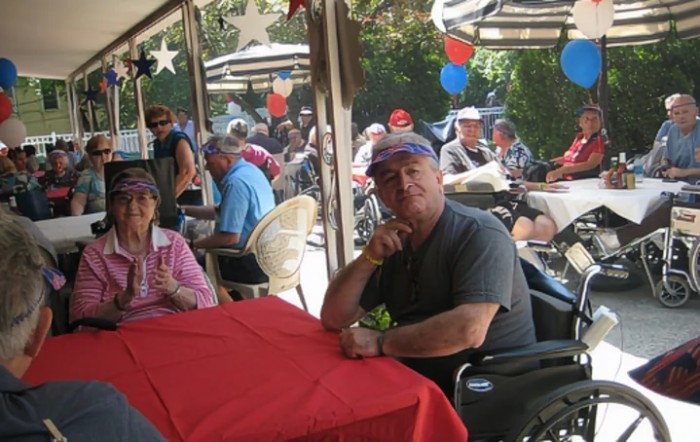
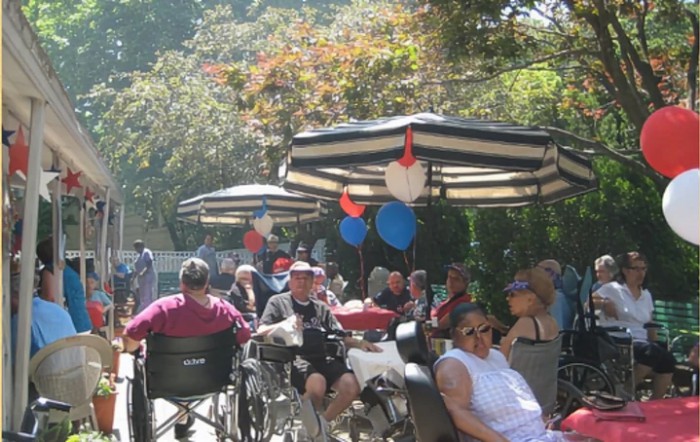
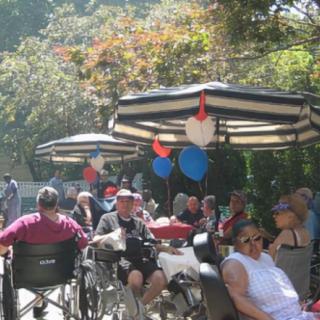
Reviews highlight scheduled activities such as bingo, exercise, and music classes, along with seasonal events that include live music. Others point to recreation that may take place outside, giving residents a change of scenery. While amenities like gardens and wellness-oriented spaces are offered, residents most often describe the day-to-day presence of events as part of the experience.
caveat4 reviews mention this
Food quality is mixed
Dining experiences vary, with both praise and complaints about food.
Some reviewers describe meals as tasty and fresh, and they mention the facility following dietary plans. Other reviews criticize the food, including concerns about the dietary approach and menu. A couple of mentions around food relate to access and small items like cookies rather than the main dining quality. Overall, dining is a point of inconsistency across reviews.
How we summarize
Counts show how many written reviews mention each theme; a review can touch several themes, and only frequently mentioned themes are displayed.
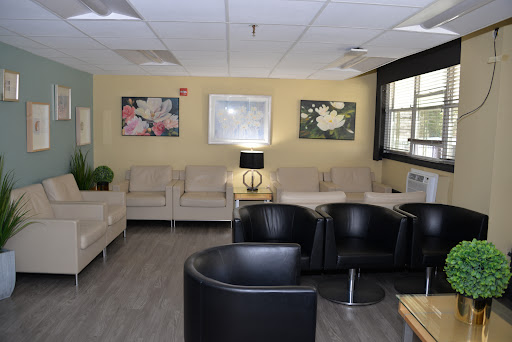
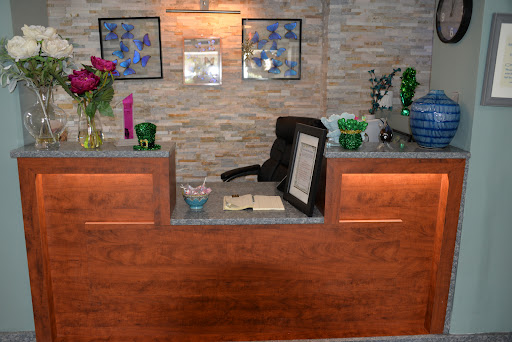
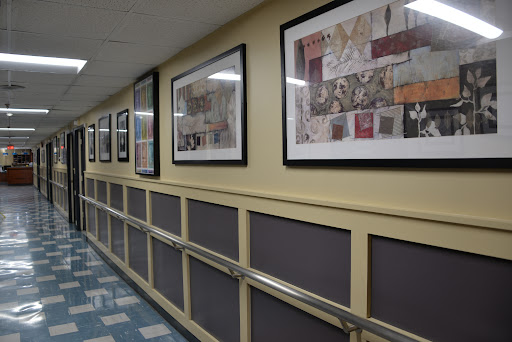
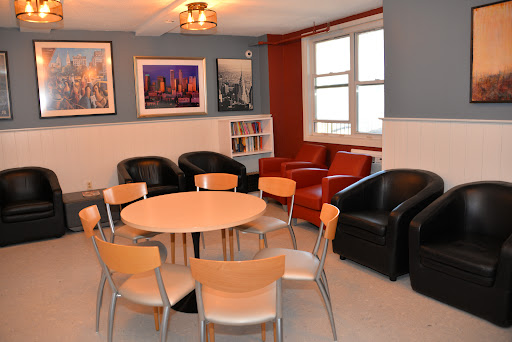
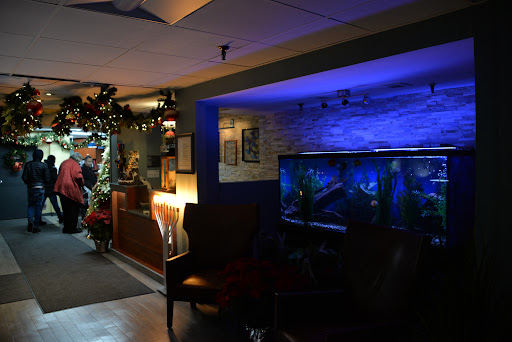
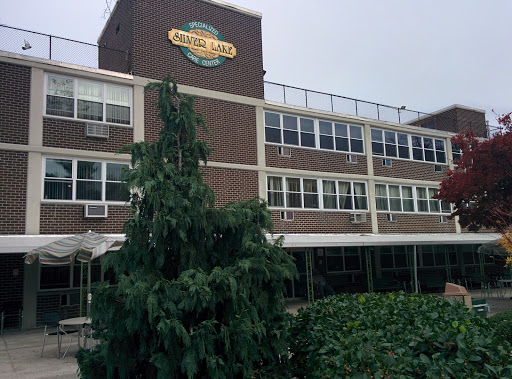
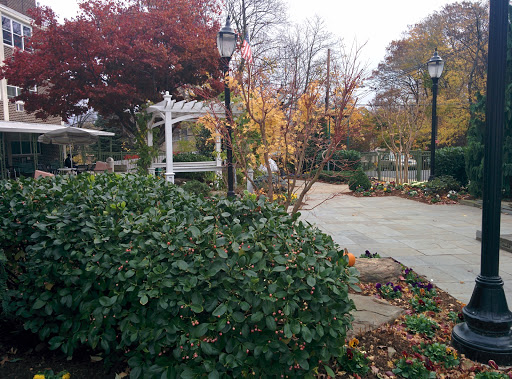
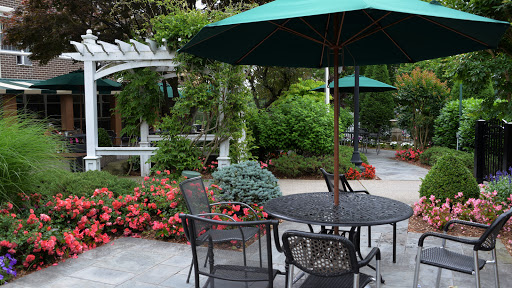
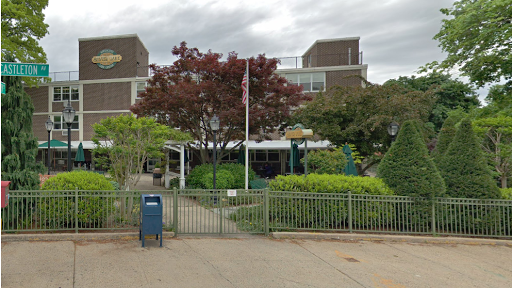
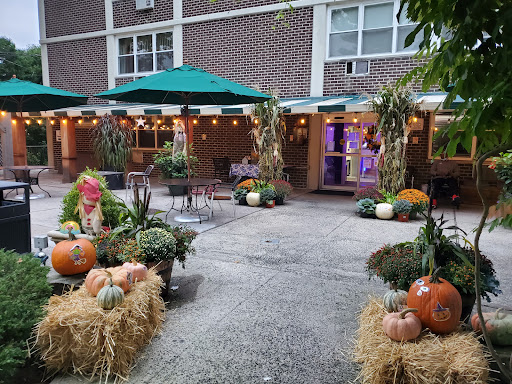
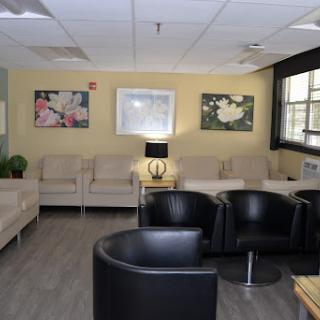
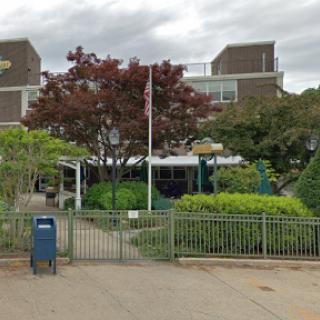
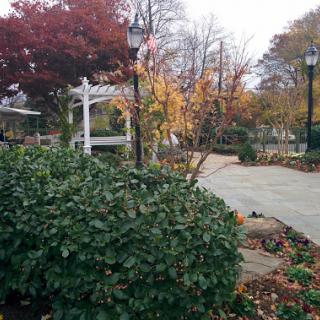
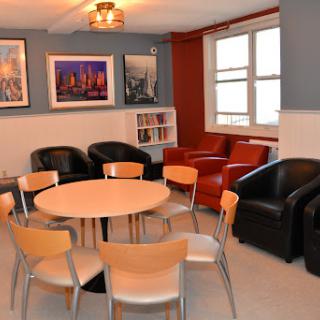
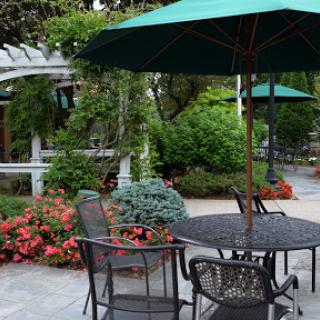
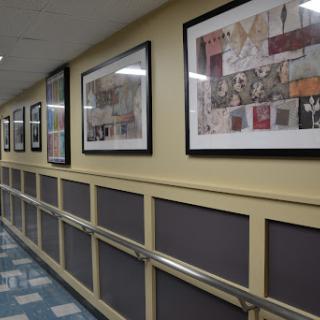
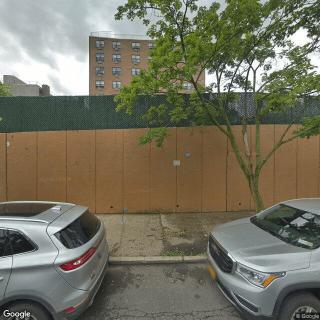
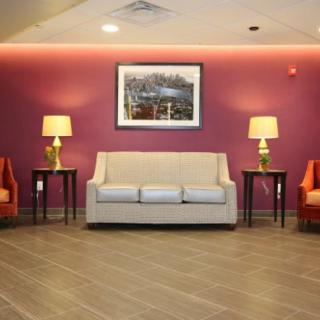
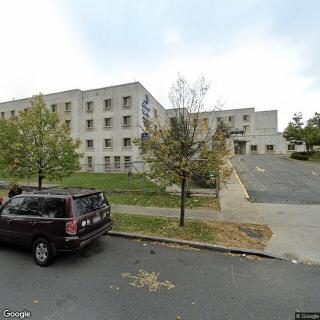
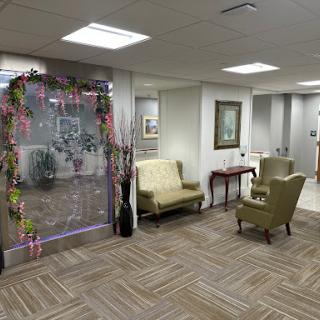
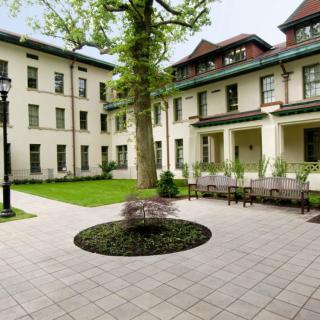
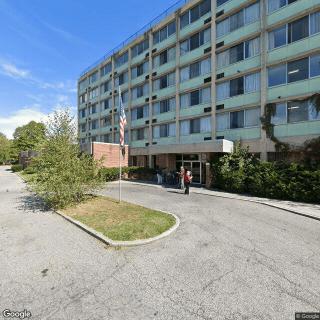
Silver Lake Specialized Rehab And Care Center on seniors.fyi includes 13 photos including images showing interior, outdoor, decor, garden, trees, landscaping, seating area, artwork, and more.
Nearby Communities
Verrazano Nursing Home
Staten Island, NY
3.1 from 69 reviews
Well-equipped facility with restaurant-style dining, beauty services, and transportation.
Lakeside Manor Home For Adults
Staten Island, NY
1.8 from 11 reviews
Dedicated staff with diverse services; convenient location.
Staten Island Care Center
Staten Island, NY
4.1 from 126 reviews
Compassionate staff and effective physical therapy in some cases.
Harbor Terrace
Staten Island, NY
4.4 from 89 reviews
$1,650 / month
Affordable $1,650/mo studio with diabetic care and access to nearby hospitals and amenities.
Richmond Center For Rehab And Specialty Healthcare
Staten Island, NY
3.2 from 124 reviews
Friendly staff and clean, well-equipped environment.
St Elizabeth Ann's Health Care
Staten Island, NY
Vibrant assisted-living-style community with easy access to parks, pharmacies, physicians, hospitals, a local theater, and transportation.
Carmel Richmond Healthcare And Rehab Center
Staten Island, NY
4 from 113 reviews
Clean, well-maintained facility with friendly, caring staff and solid therapy and nutritious meals.
Park Lane at Sea View
Staten Island, NY
4.2 from 71 reviews
$1,700 / month
Beautiful location with pristine upkeep and an excellent, well-equipped kitchen.
Mariners Residence
Staten Island, NY
3.2 from 18 reviews
$1,150 to $1,850 / month
Affordable pricing with 7-day medical attention and convenient location
Palliative care enhances the quality of life for seriously ill patients by providing comprehensive support at home through a multidisciplinary team, addressing various needs and prioritizing comfort over curative treatments. While it offers personalized care and involves family in decision-making, challenges like caregiver stress and logistical issues persist, with growing demand prompting advancements in technology and healthcare policies to improve access.
Palliative home care focuses on improving the quality of life for individuals with serious illnesses by providing comfort, symptom management, and emotional support in their own homes. This approach includes personalized care plans, regular assessments, and resources for family caregivers, all while prioritizing person-centered treatment that aligns with patients' goals.
Skilled nursing facilities (SNFs) provide high-level medical care and rehabilitation for short-term recovery, typically covered by Medicare after hospitalization, while nursing homes focus on ongoing custodial care for chronic conditions, mainly funded by Medicaid or private payments. The staffing and regulatory structures differ significantly between the two, necessitating clarity for families in choosing appropriate long-term care options.
Silver Lake Specialized Rehab And Care Center photos
×
Interior
Outdoors
Decor
Living Room
Building
Architecture
Trees
Garden
Artwork
Outdoor
Patio
Hallway
Office
Interior
Decor
Dining, Architecture, Exterior, and Urban
Living Room, Lighting, and Aquarium
Landscaping and Trees
Building
Garden
Artwork and Seating Area
Outdoor
Patio
Outdoors
Pathway, Nature, and Park
Flag
Hallway and Art
Office and Reception
Lounge
Umbrellas
Get PricingAsk A QuestionSchedule A TourContact Senior Advisor
By clicking submit, you agree to our Partner's Terms of Use. You
also consent to receive calls and texts, which may be autodialed, from our Partner. Your consent is not a condition to
using our Partner's service. Please visit our Partner's Privacy Policy for information about their privacy practices.








 278 resident community capacity
 Skilled Nursing Facility
 Air-conditioning
 Beauty salon
 Cable or satellite TV
 Computer center
 Dining room
 Fitness room
 Fully furnished
 Gaming room
 Garden
 Housekeeping services
 Kitchenette
 Move-in coordination
 Outdoor space
 Private bathrooms
 Restaurant-style dining
 Small library
 Telephone
 Wellness center
 Wi-Fi/high-speed internet available
 Newark International (6 miles away)
 Community operated transportation
 12-16 hour nursing
 24-hour call system
 Activities of daily living assistance
 Assistance with bathing
 Assistance with dressing
 Assistance with transfers
 Diabetes diet
 Medication management
 Mental wellness program
 Special dietary restrictions
 Concierge services
 Planned day trips
 Well-equipped facility with restaurant-style dining, beauty services, and transportation.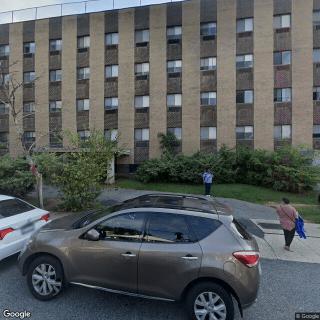

 Exploring Palliative Care in the Home: A Comprehensive Overview
 Comprehensive Insights into Palliative Home Care: What It Is and What to Expect
 Skilled Nursing Facilities vs. Nursing Homes: Making Sense of the Differences