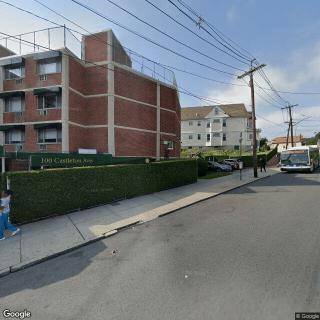
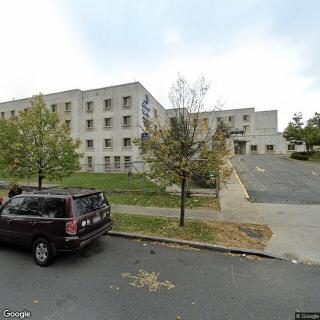
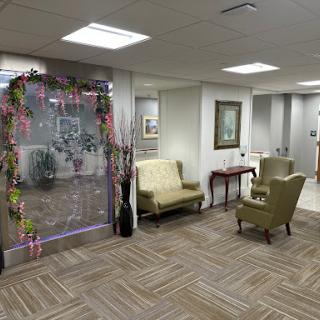
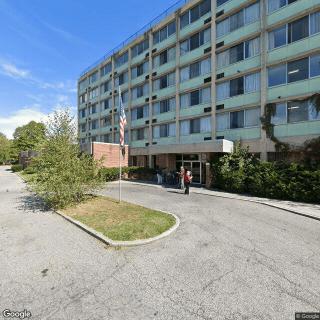
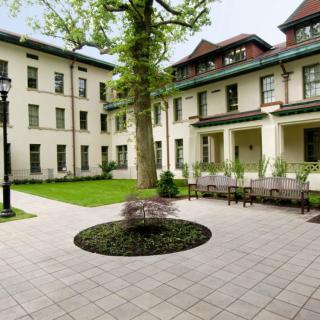
Staten Island Care Center in Staten Island, NY

Save

Staten Island Care Center in Staten Island, NY

200 Lafayette Avenue, Staten Island, NY 10301

For more information about senior living options: (844) 490-3973

4.1 from 107 reviews
5 stars
74
4 stars
12
3 stars
2
2 stars
0
1 stars
19

Skilled Nursing Facility

Overall Review of Staten Island Care Center

Pros

  • pro They describe the staff as caring, friendly, and attentive to residents' needs.
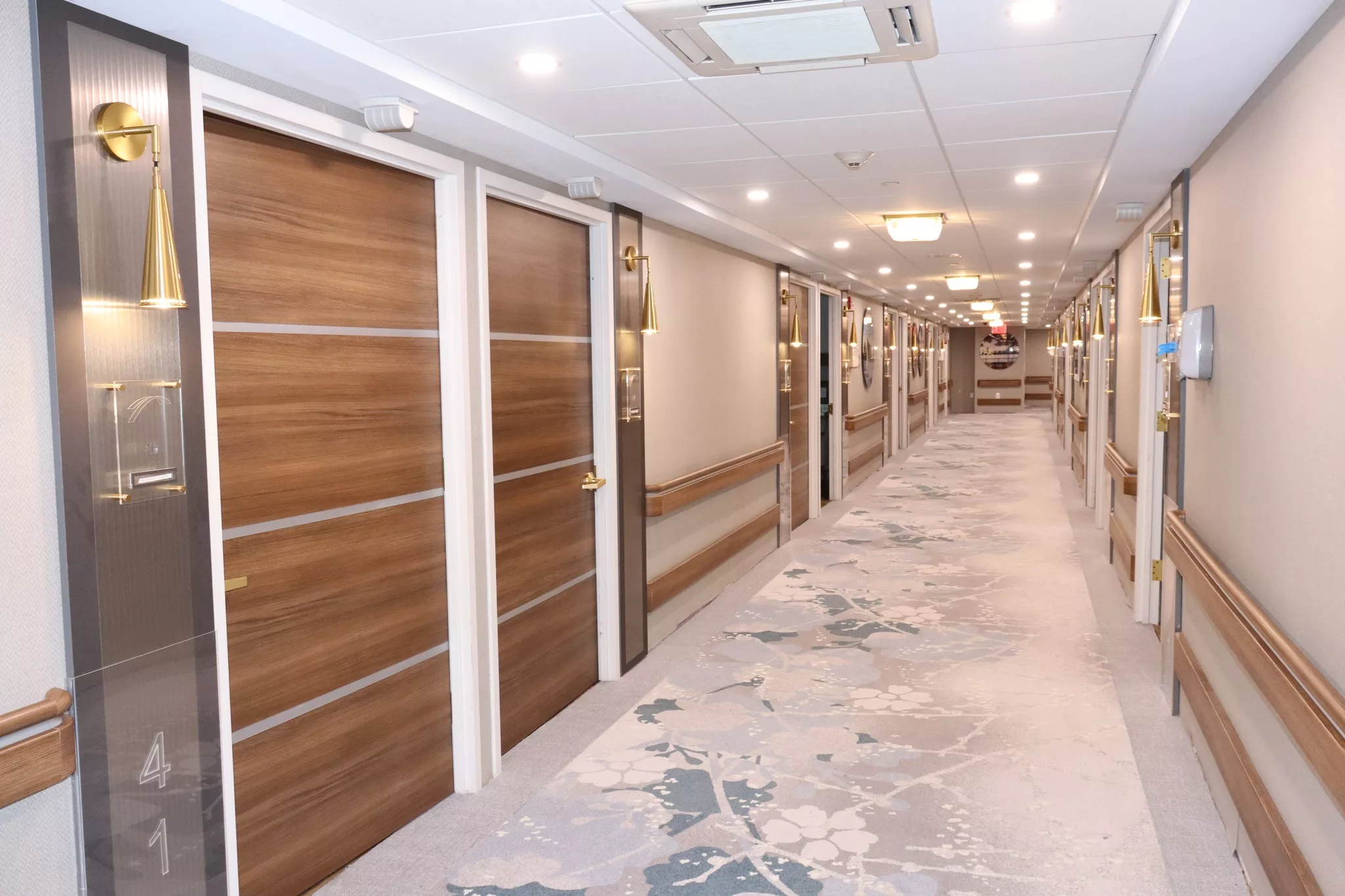
  • pro The facility is clean, well-maintained, and recently renovated.
  • pro The rehabilitation team is outstanding, with effective physical and occupational therapy that helps patients regain mobility.
  • pro The director Nissan Gordon is seen as a compassionate, proactive leader who is deeply involved in resident care.
  • pro The concierge and administrative staff, like Israel, are helpful, kind, and responsive.
  • pro Families report feeling safe, supported, and well-informed throughout the stay.
  • pro The nurses and CNAs are professional, patient, and treat residents with dignity.
  • pro The recreation and activities staff, such as Caitlin, are engaging and go above and beyond.
  • pro Many reviewers consider Staten Island Care Center to be among the best rehab facilities for post-hospital care.

Cons

  • pro The facility is described as failing to feed residents and provide adequate care, with the staff deemed horrible.
  • pro Showers are limited to two per week, which reviewers call abusive.
  • pro The food is disgusting and there are no options.
  • pro The building smells like urine and is filthy.
  • pro There is blatant neglect, such as residents left in urine for extended periods and sheets not changed.
  • pro Some CNAs are rude, smirk, and mimic patients when no one is watching.
  • pro Belongings are stolen or go missing, including clothes.
  • pro A staff member is outwardly racist, which is deplorable.
  • pro Reviewers call it the worst nursing home ever and would not recommend it.

Review

Staten Island Care Center is best suited for families pursuing aggressive, outcome-focused rehabilitation with a clear path back home. The strongest argument centers on robust physical and occupational therapy, especially on the 4th and 5th floors, where therapists like Eddie, Jubin, Imran, and Angelo are repeatedly credited with guiding tangible gains. Administrators and frontline leaders - Nissan Gordon and Israel Tennenbaum among them - are described as hands-on, coordinating discharge planning and aftercare with a sense of urgency. Residents and families note refreshed, hotel-like spaces on renovated floors and a dining and recreation program that supports engagement. For short-term rehab and post-acute recovery where there is a concrete goal to regain mobility, Staten Island Care Center stands out as a practical, results-oriented option.

Explicitly, those who should consider alternatives tend to be families prioritizing consistent, reliably safe custodial care or memory-support in a highly predictable daily routine. Multiple reviews flag that staffing can be uneven, with some night shifts slower to respond and certain aides allegedly inattentive or brusque. There are troubling reports of limited showers, restricted food variety, and even cleanliness concerns - plus instances of calls going unanswered and belongings going missing. For residents with dementia or memory-care needs, and for families who require unwavering daily oversight and a consistently calm environment, these inconsistencies raise meaningful safety and quality questions that may point toward other facilities.

The key pros - high-caliber therapy, engaged nursing and supportive ancillary staff when present, and strong discharge coordination - offer a substantial offset to the primary drawbacks when the care team is functioning at its best. When therapy remains the focal point, patients regain strength, achieve mobility milestones, and demonstrate real potential to return home. The presence of a proactive concierge, attentive social workers, and reliable discharge planning helps families feel their loved one's overall trajectory is being monitored and steered. In those moments, the center delivers on its promise of skilled rehab, coordinated care, and a supportive path forward.

Yet the main cons cannot be dismissed. Understaffing, uneven shift coverage, and delayed responses to calls undermine safety and daily comfort, particularly for vulnerable residents who rely on frequent assistance. Food quality and presentation emerge as a recurring disappointment, with many accounts describing meals that are bland or served cold. Cleanliness and room maintenance also vary, with some families reporting odors or less-than-ideal housekeeping. The practical impact is a facility that can deliver exceptional rehab outcomes on good days but struggle to maintain consistently reliable everyday care, raising legitimate concerns about ongoing custodial stability.

The experience for families is further shaped by how well the facility manages day-to-day operations. Individual staff members - front desk personnel, CNAs, case managers, and recreation staff - are repeatedly highlighted for genuine care, courtesy, and responsiveness when engaged, while others are criticized for lapses in attention or respect. The contrast between standout caregivers and episodes of neglect or miscommunication suggests that outcomes at Staten Island Care Center hinge on which team is on duty and how well leadership maintains accountability across shifts. Prospective families should probe floor-by-floor dynamics, inquire about staffing ratios, and demand transparent channels for reporting concerns before committing.

In practical terms, this facility can be a strong choice for families who want to maximize rehab potential and rely on a highly involved leadership team to navigate post-acute needs. For those seeking steady, long-term custodial care, or memory-support where consistent staff availability and predictable daily routines are non-negotiable, alternatives may reduce risk and offer a more uniform daily experience. The right approach is to request a detailed, shift-timed tour, review current staffing patterns and aftercare protocols, and confirm how concerns are tracked and resolved. With clear expectations and active family involvement, Staten Island Care Center can deliver meaningful recovery and a safe, goal-oriented transition home - provided rehabilitation remains the priority and daily care standards are consistently upheld.

Features

Housing

  • 300 resident community capacity 300 resident community capacity

Types of Care

  • Skilled Nursing Facility Skilled Nursing FacilitySkilled Nursing Facilities are crucial for seniors as they provide round-the-clock medical care, rehabilitation services, and assistance with daily activities. These facilities ensure that seniors receive the specialized care they need to maintain their health and well-being as they age.

Amenities

  • Air-conditioning Air-conditioningAir conditioning is important for seniors as they are more vulnerable to heat-related illnesses and may have underlying health conditions that make it difficult for them to regulate their body temperature. It helps to keep them comfortable, safe, and healthy in hot weather.
  • Beauty salon Beauty salonBeauty salons are important for seniors because they provide a space for them to feel pampered, socialize, and maintain their personal grooming and hygiene. Regular visits to a beauty salon can help boost seniors' self-esteem and overall well-being.
  • Cable or satellite TV Cable or satellite TVCable or satellite TV is important for seniors because it provides entertainment, news, and companionship, helping to combat loneliness and boredom. It also offers a wide range of programming options tailored to different interests and preferences.
  • Computer center Computer centerA computer center is essential for seniors as it provides access to technology, communication tools, and resources that can enhance their daily lives. It allows them to stay connected with loved ones, engage in online activities, and learn new skills, ultimately promoting socialization and mental stimulation.
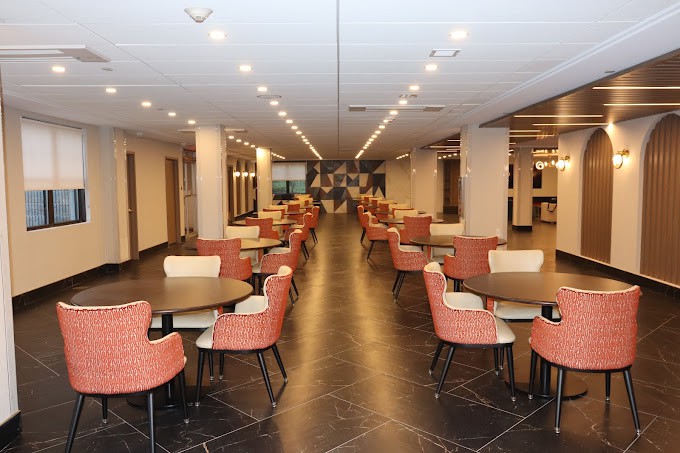
  • Dining room Dining roomDining rooms are important for seniors as they provide a space for socialization, connection, and nutritious meals. They offer opportunities for residents to bond over shared meals, foster a sense of community, and promote healthy eating habits. Dining rooms also ensure that seniors have access to well-balanced meals tailored to their dietary needs and preferences.
  • Fitness room Fitness roomHaving a fitness room in a senior living community is essential for seniors to stay active, maintain their physical health, and improve their overall well-being. Regular exercise can help prevent falls, reduce the risk of chronic diseases, and promote mental sharpness. It also provides social opportunities for residents to connect with others and enjoy a sense of community.
  • Fully furnished Fully furnishedFully furnished senior living communities are important for seniors because they provide convenience, comfort, and a hassle-free moving experience. Seniors can easily settle into their new living space without the stress of having to buy and move furniture. This allows them to focus on enjoying their new home and community.
  • Gaming room Gaming roomGaming rooms are important for seniors as they provide a fun and engaging environment for socializing, cognitive stimulation, and physical activity. Games can improve memory, problem-solving skills, and overall mental well-being while fostering friendships and reducing feelings of isolation.
  • Garden GardenGardens are important for seniors as they provide a peaceful and therapeutic environment for relaxation, physical activity, and socialization. Being in nature has been shown to reduce stress, improve mood, and promote overall well-being. Gardens also offer opportunities for seniors to engage in gardening activities, which can improve mobility, flexibility, and cognitive function. Additionally, gardens create a sense of community and connection with others who share a passion for plants and outdoor spaces.
  • Guasts at mealtime Guasts at mealtime"Guests at mealtime" offer seniors the opportunity for social interaction, companionship, and a sense of community during meals, which can help combat feelings of loneliness and isolation commonly experienced in senior living environments. It can also enhance their overall dining experience and improve their mental and emotional well-being.
  • Housekeeping services Housekeeping servicesHousekeeping services are important for seniors because they help maintain a clean and safe living environment, promote independence, and reduce the risk of accidents or illnesses. Additionally, having assistance with household chores can alleviate physical strain and allow seniors to focus on other aspects of their well-being.
  • Kitchenette KitchenetteKitchenettes are important for seniors living in senior living communities because they provide the convenience and independence of being able to prepare simple meals and snacks in the comfort of their own living space. This can help promote a sense of autonomy and well-being for seniors, allowing them to maintain some level of control over their dietary choices and daily routines.
  • Move-in coordination Move-in coordinationMove-in coordination is important for seniors because it helps ease the transition into their new living environment. It ensures that all logistics, such as packing, organizing movers, and setting up utilities are taken care of, allowing seniors to focus on settling in and adjusting to their new home. Having a smooth move-in process can alleviate stress and anxiety, making the transition smoother and more enjoyable for seniors.
  • Outdoor space Outdoor spaceOutdoor spaces are important for seniors as they provide opportunities for physical activity, social interaction, exposure to natural light and fresh air, and a sense of connection to nature. Having access to outdoor spaces can improve overall well-being and quality of life for older adults living in senior communities.
  • Private bathrooms Private bathroomsPrivate bathrooms are important for seniors in senior living communities because they provide independence, dignity, and comfort. Having a private bathroom allows seniors to maintain their personal hygiene routines without the need for assistance, promoting a sense of autonomy and privacy. Additionally, private bathrooms help prevent the spread of infections and provide a safe and clean environment for seniors to navigate safely.
  • Resident parking Resident parkingResident parking is crucial for seniors in a senior living community as it provides convenience, accessibility, and safety for residents who may have limited mobility or rely on personal vehicles for transportation. Having designated parking spaces ensures that seniors can easily access their homes without having to walk long distances or navigate crowded parking lots, ultimately enhancing their overall quality of life and sense of independence.
  • Restaurant-style dining Restaurant-style diningRestaurant-style dining is important for seniors because it allows them to enjoy delicious, nutritious meals in a social and upscale setting. This enhances their dining experience, promotes healthy eating habits, and fosters socialization with fellow residents, ultimately contributing to their overall well-being and quality of life.
  • Security gate Security gateSecurity gates provide an added layer of protection and peace of mind for seniors living in a community. They help prevent unauthorized entry, deter potential intruders, and create a sense of security for residents. This extra security measure can make seniors feel safe and secure in their living environment.
  • Small library Small librarySmall libraries are important for seniors as they provide access to a variety of reading materials, including books, newspapers, and magazines. This can help stimulate their minds, keep them engaged, and provide a sense of community through book clubs and other social activities. Additionally, reading has been shown to improve cognitive function and overall mental well-being in older adults.
  • Spa SpaSpas are important for seniors because they provide relaxation, stress relief, and therapeutic benefits which can improve their overall well-being and quality of life. Additionally, spa treatments such as massages, hydrotherapy, and aromatherapy can help alleviate common age-related ailments such as arthritis, joint pain, and circulation issues. Seniors deserve to enjoy a pampering experience that promotes physical and emotional wellness.
  • Telephone TelephoneTelephones are important for seniors as they provide a lifeline for communication with loved ones, emergency services, and healthcare providers. They offer a sense of security and independence, enabling seniors to stay connected and access assistance when needed.
  • Wellness center Wellness centerWellness centers are important for seniors because they offer a variety of programs and services that promote physical, mental, and emotional well-being. These centers provide opportunities for exercise, socialization, education, and relaxation, helping seniors maintain their overall health and quality of life.
  • Wi-Fi/high-speed internet available Wi-Fi/high-speed internet availableWi-Fi/high-speed internet is important for seniors to stay connected with loved ones, access online resources, and participate in virtual activities to combat feelings of loneliness and isolation. It also allows them to easily manage healthcare needs, access entertainment, and engage in lifelong learning opportunities.

Transportation

  • Newark International (5 miles away) Newark International (5 miles away)
  • LaGuardia (15 miles away) LaGuardia (15 miles away)
  • John F Kennedy International (17 miles away) John F Kennedy International (17 miles away)
  • Community operated transportation Community operated transportationCommunity operated transportation is crucial for seniors as it provides them with the means to access essential services, social activities, and medical appointments. It allows seniors to maintain their independence and quality of life by ensuring they can participate in activities outside of their homes. Additionally, community-operated transportation services offer a safe and reliable way for seniors to travel without having to rely on family or friends for assistance.
  • Transportation arrangement Transportation arrangementTransportation arrangements are crucial for seniors as they may face challenges with driving, mobility, or access to public transportation. Having reliable transportation services ensures that seniors can easily attend appointments, social activities, and maintain their independence and quality of life.
  • Transportation arrangement (non-medical) Transportation arrangement (non-medical)Transportation arrangements are essential for seniors as they provide access to essential services, activities, and social interactions outside the home. This service helps maintain independence, mobility, and overall well-being for seniors who may have limited transportation options.
  • Transportation to doctors appointments Transportation to doctors appointmentsTransportation to doctors appointments is crucial for seniors as it ensures they have access to necessary medical care and support, promoting their health and well-being. It allows them to receive timely treatment, monitor existing conditions, and address any new health concerns efficiently. Additionally, transportation services can help seniors maintain their independence and quality of life by enabling them to stay connected with their healthcare providers.

Care Services

  • 12-16 hour nursing 12-16 hour nursing12-16 hour nursing care is crucial for seniors in order to ensure around-the-clock monitoring, timely medication administration, and prompt response to any health concerns or emergencies. This level of care helps to promote the overall well-being and safety of seniors living in senior living communities.
  • 24-hour call system 24-hour call system24-hour call systems are important for seniors because they provide peace of mind and immediate assistance in case of emergencies. This technology ensures that help is always available, promoting safety and security for elderly individuals living alone or in assisted living facilities.
  • 24-hour supervision 24-hour supervision24-hour supervision is important for seniors to ensure their safety, well-being, and access to immediate assistance in case of emergencies or health issues. This constant support provides peace of mind for both seniors and their loved ones, allowing them to age in place with dignity and security.
  • Activities of daily living assistance Activities of daily living assistanceActivities of daily living assistance are important for seniors because they provide essential support with tasks such as eating, bathing, dressing, and mobility. This assistance helps seniors maintain their independence, dignity, and overall quality of life as they age.
  • Assistance with bathing Assistance with bathingAssistance with bathing is crucial for seniors as it helps maintain personal hygiene, prevents infections, and ensures their overall well-being and comfort. It also provides a sense of dignity and independence for seniors who may struggle with this task on their own.
  • Assistance with dressing Assistance with dressingAssistance with dressing is important for seniors because it helps maintain their independence, promotes personal hygiene, prevents accidents and injuries, and improves overall quality of life. This service ensures that seniors can continue to dress comfortably and confidently, despite any physical limitations they may have.
  • Assistance with transfers Assistance with transfersAssistance with transfers is crucial for seniors as it helps prevent falls and injuries, maintains their independence, and ensures they can safely navigate their living environment. It also provides peace of mind for both seniors and their loved ones.
  • Diabetes diet Diabetes dietA diabetes diet is crucial for seniors as it helps manage blood sugar levels, reduce risks of complications, and improve overall health and well-being. By following a balanced and nutritious diet tailored to their specific needs, seniors can better control their diabetes and enhance their quality of life.
  • Meal preparation and service Meal preparation and serviceMeal preparation and service are crucial for seniors as they may have limited mobility or energy to cook nutritious meals. Having access to healthy and convenient food options can ensure they are getting the proper nutrition needed to maintain their overall health and well-being.
  • Medication management Medication managementMedication management is crucial for seniors to ensure they are taking the right medications at the correct dosages and times. This helps prevent adverse drug interactions, reduces the risk of medication errors, and promotes overall health and well-being. Proactive management also allows for adjustments as needed based on changing health conditions or new prescriptions.
  • Mental wellness program Mental wellness programMental wellness programs are essential for seniors as they promote cognitive stimulation, emotional support, and social engagement. These programs help prevent isolation, depression, and cognitive decline, ultimately enhancing the overall quality of life for older adults.
  • Special dietary restrictions Special dietary restrictionsSpecial dietary restrictions are important for seniors because age-related changes in metabolism and health conditions can make it difficult for their bodies to process certain foods. By following a diet tailored to their specific needs, seniors can maintain their overall health and well-being, manage chronic conditions, and reduce the risk of complications such as malnutrition or food interactions with medications.

Dining

  • Diabetes diet Diabetes dietA diabetes diet is crucial for seniors as it helps manage blood sugar levels, reduce risks of complications, and improve overall health and well-being. By following a balanced and nutritious diet tailored to their specific needs, seniors can better control their diabetes and enhance their quality of life.
  • Special dietary restrictions Special dietary restrictionsSpecial dietary restrictions are important for seniors because age-related changes in metabolism and health conditions can make it difficult for their bodies to process certain foods. By following a diet tailored to their specific needs, seniors can maintain their overall health and well-being, manage chronic conditions, and reduce the risk of complications such as malnutrition or food interactions with medications.

Activities

  • Community-sponsored activities Community-sponsored activitiesCommunity-sponsored activities are important for seniors as they provide opportunities for social interaction, mental stimulation, and physical activity. These activities can help improve overall well-being, combat loneliness and isolation, and promote a sense of belonging and purpose among older adults.
  • Concierge services Concierge servicesConcierge services are essential for seniors as they provide assistance with daily tasks and errands, enhance their quality of life by offering convenience and personalized care, and promote a sense of safety and security.
  • Fitness programs Fitness programsFitness programs are crucial for seniors as they help improve strength, flexibility, balance, and overall well-being. Staying active can reduce the risk of chronic diseases, improve mental health, and enhance quality of life in older adults.
  • Planned day trips Planned day tripsPlanned day trips are important for seniors because they offer opportunities for socialization, mental stimulation, and physical activity. They provide a change of scenery and help seniors stay engaged and connected to their community, promoting overall well-being and quality of life.
  • Resident-run activities Resident-run activitiesResident-run activities are important for seniors as they encourage social interaction, creativity, and a sense of autonomy. These activities empower seniors to stay engaged and active in their community while fostering meaningful connections with their peers.
  • Scheduled daily activities Scheduled daily activitiesScheduled daily activities are important for seniors because they provide structure, socialization, mental stimulation, and physical activity. Engaging in regular activities can improve overall well-being and quality of life for seniors living in a community setting.

Languages Spoken

  • American sign language American sign languageAmerican Sign Language is important for seniors as it provides a way for them to communicate effectively, even if they have hearing impairments or difficulties with speech. This can help them maintain social connections, access services, and participate in activities within their community. Learning ASL can also improve cognitive function and overall well-being for seniors.
  • Cantonese CantoneseCantonese language and cultural services are important for seniors as they provide a sense of familiarity, comfort, and connection to their heritage, facilitating better communication with caregivers and creating a more inclusive and enriching experience in senior living communities.
  • English EnglishEnglish is important for seniors as it allows them to communicate effectively with healthcare providers, understand important information related to their health and medications, stay connected with loved ones, and engage in social activities within their communities. It also opens up opportunities for lifelong learning and intellectual stimulation.
  • Farsi FarsiFarsi resources are important for seniors as they cater to the needs of Persian-speaking individuals, providing vital information on senior living options, healthcare services, and community events in their native language. This helps ensure that seniors feel comfortable and supported as they navigate through their aging journey.
  • French FrenchFrench culture and language can provide a sense of familiarity and comfort for seniors, especially those with a French background. It can also offer opportunities for socialization, cognitive stimulation, and connection to their heritage in a senior living community.
  • Hebrew HebrewLearning Hebrew can be beneficial for seniors in various ways, including helping them connect with their heritage, providing cognitive stimulation, and fostering a sense of community within the Jewish senior living population. It can also enhance their communication skills and open up new social opportunities.
  • Italian ItalianItalian cuisine and culture are important for seniors because they offer a sense of tradition, community, and connection to their heritage. Familiar foods and activities can provide comfort and nostalgia, promoting overall well-being and quality of life for older adults. Additionally, Italian cuisine is often associated with health benefits such as Mediterranean diet which can help seniors maintain optimal health in their later years.
  • Mandarin MandarinMandarin-speaking staff and resources are important for seniors in senior living communities because many elderly individuals may speak Mandarin as their primary language. Providing access to support and communication in Mandarin can help seniors feel more comfortable, engaged, and understood in their living environment.
  • Russian RussianRussian language and cultural programs are important for seniors in senior living communities because they help residents maintain their cultural identity, connect with others who share their background, and engage in activities that are meaningful to them. These programs can improve seniors' mental and emotional well-being, enhance their sense of belonging, and make their overall living experience more fulfilling.
  • Spanish SpanishSpanish is an important language for seniors because it allows them to communicate effectively with caregivers, medical professionals, and others in their community who may speak Spanish as their primary language. It also provides opportunities for cultural enrichment and social connections.
  • Tagalog TagalogTagalog language services are important for seniors as they provide a sense of connection and comfort for those who speak the language. This can help them feel more at ease and engaged in their community, improving their overall well-being and quality of life.

Description

The Staten Island Care Center in Staten Island, NY is a vibrant and welcoming assisted living community that offers an array of amenities and care services to meet the needs of its residents. The community prides itself on creating a comfortable and enjoyable environment for seniors to thrive.

Residents at the Staten Island Care Center can take advantage of various amenities, including a beauty salon where they can pamper themselves, access to cable or satellite TV for their entertainment, and community-operated transportation for convenient outings. The computer center allows residents to stay connected with loved ones or explore their interests online, while the small library provides a quiet space for reading and relaxation. For physical activity, there is a fitness room where residents can engage in exercise programs tailored to their needs. Outdoor spaces and gardens offer opportunities for fresh air and nature appreciation.

Meals at the Staten Island Care Center are restaurant-style dining experiences served in a spacious dining room. Special dietary restrictions are accommodated, ensuring that all residents receive meals that suit their individual needs. Guests are welcome to join residents during mealtime.

Care services provided include assistance with activities of daily living such as bathing, dressing, and transfers. A 24-hour call system ensures that help is always within reach when needed. Medication management is also available to ensure residents receive their medications on time. The care center has a mental wellness program in place to support the emotional well-being of its residents.

The community offers numerous activities designed to keep residents engaged and entertained. Concierge services are available for assistance with planning day trips or coordinating resident-run activities. Scheduled daily activities cater to various interests, providing opportunities for socialization and personal growth.

The staff at the Staten Island Care Center is multilingual, with languages spoken including Cantonese, English, Farsi, French, Hebrew, Italian, Mandarin, Russian, Spanish, and Tagalog. This diversity ensures effective communication with all residents.

Additionally, there are several amenities and facilities nearby that enhance the convenience and accessibility of the community. There are three cafes, eight parks, four pharmacies, two physicians' offices, three restaurants, two transportation options, one theater, and one hospital all within proximity to the care center.

Overall, the Staten Island Care Center is a well-equipped assisted living community that offers a comprehensive range of amenities and care services to meet the needs of its residents. With a focus on comfort, convenience, and quality of life, this community strives to create a nurturing and engaging environment for seniors to thrive in.

Nearby Places of Interest

Parks

  • Silver Lake Park (0.8 miles)
  • Silver Lake Park Tennis Courts (0.9 miles)
  • Clove Lakes Park (1.6 miles)
  • Clove Lakes Park Playground (1.6 miles)
  • Stephen R Gregg Bayonne Park (3 miles)
  • Statue of Liberty (4.3 miles)
  • Sunset Park (4.8 miles)

Pharmacies

  • CVS Pharmacy (2.6 miles)
  • Rite Aid (3.7 miles)
  • Walgreens (4 miles)
  • Rite Aid (4.6 miles)
  • CVS Pharmacy (5.2 miles)
  • Walgreens (5.6 miles)
  • Walgreens (5.6 miles)

Cafes

  • Starbucks (2.8 miles)
  • Judy's (4.8 miles)
  • Starbucks (4.9 miles)
  • Starbucks (5.3 miles)
  • Dunkin (5.7 miles)
  • East One Coffee Roasters (5.9 miles)

Physicians

  • Leading Lasik Center (3.6 miles)
  • Costco Optical (4.6 miles)

Hospitals

  • NYU Langone Hospital Brooklyn (3.9 miles)
  • Maimonides Medical Center (5.1 miles)
  • NewYork-Presbyterian Brooklyn Methodist Hospital (6.4 miles)

Transportation

  • MTA Subway - 59th St (4 miles)
  • MTA Subway - 36th St (4.8 miles)
  • Delta Sky Club (5.5 miles)
  • TSA PreCheck (5.5 miles)
  • Newark Liberty International Airport (EWR) (5.5 miles)
  • Newark AirTrain Terminal B (5.5 miles)
  • American Airlines Admirals Club (5.5 miles)

Theaters

  • 2198 Amc Jersey Garden (4.1 miles)
  • Alamo Drafthouse Staten Island (5.1 miles)
  • AMC DINE-IN Staten Island 11 (5.6 miles)
  • Alamo Drafthouse Cinema Lower Manhattan (6.5 miles)
  • Alamo Drafthouse Downtown Brooklyn (6.8 miles)

Restaurants

  • Brooklyn Crab (4.8 miles)
  • Precious Island Dim Sum (4.9 miles)
  • Heartland Bagels (4.9 miles)
  • Surf City Bar (5.6 miles)
  • Vanguard Kitchen (5.8 miles)
  • Pier 17 (6.7 miles)
  • L & B Spumoni Gardens (6.7 miles)

Frequently Asked Questions

Where is Staten Island Care Center?
What photos are available for Staten Island Care Center in Staten Island, New York?

Nearby Communities

  • Harbor Terrace

    Harbor Terrace

    Staten Island, NY

     
    $1,650 / month

    pro Affordable $1,650/mo studio with diabetic care and access to nearby hospitals and amenities.

  • Silver Lake Specialized Rehab And Care Center

    Silver Lake Specialized Rehab And Care Center

    Staten Island, NY

    3.5 from 39 reviews
     

    pro Caring, long-tenured staff in a clean, engaging environment.

  • Lakeside Manor Home For Adults

    Lakeside Manor Home For Adults

    Staten Island, NY

    1.8 from 11 reviews
     

    pro Dedicated staff with diverse services; convenient location.

  • Verrazano Nursing Home

    Verrazano Nursing Home

    Staten Island, NY


    pro Well-equipped facility with restaurant-style dining, beauty services, and transportation.

  • Richmond Center For Rehab And Specialty Healthcare

    Richmond Center For Rehab And Specialty Healthcare

    Staten Island, NY

    3 from 104 reviews
     

    pro Friendly staff and clean, well-equipped environment.

  • St Elizabeth Ann's Health Care

    St Elizabeth Ann's Health Care

    Staten Island, NY


    pro Vibrant assisted-living-style community with easy access to parks, pharmacies, physicians, hospitals, a local theater, and transportation.

  • Carmel Richmond Healthcare And Rehab Center

    Carmel Richmond Healthcare And Rehab Center

    Staten Island, NY

    4 from 113 reviews
     

    pro Clean, well-maintained facility with friendly, caring staff and solid therapy and nutritious meals.

  • Mariners Residence

    Mariners Residence

    Staten Island, NY

    3.3 from 16 reviews
    $1,150 to $1,850 / month

    pro Affordable pricing with 7-day medical attention and convenient location

  • Park Lane at Sea View

    Park Lane at Sea View

    Staten Island, NY

    4.2 from 62 reviews
    $1,700 / month

    pro Beautiful location with pristine upkeep and an excellent, well-equipped kitchen.

Related Resources

  • best dog for seniorsTop Canine Companions for Older Adults

    Dogs can greatly improve the lives of older adults by offering emotional support and encouraging physical activity, with factors such as size, temperament, and grooming needs being crucial in selecting a suitable breed. Senior dogs often make ideal companions for this demographic, promoting social connections and requiring care routines that align with seniors' capabilities.

  • elderly blood pressure chartComprehensive Guide to Blood Pressure Charts for Older Adults: Understanding Normal and High Readings by Age

    The guide on blood pressure charts for older adults stresses the importance of understanding normal and high blood pressure readings influenced by age, genetics, and lifestyle, while emphasizing regular monitoring and lifestyle modifications to prevent serious health issues. It provides insights into blood pressure categories, dietary recommendations, medication considerations, and the role of caregivers in supporting healthy habits.

  • how to pay for nursing home care with social securityFinancing Long-Term Nursing Home Care Through Social Security: A Thorough Exploration


    The article explores the complexities of using Social Security to finance long-term nursing home care in the U.S., detailing eligibility requirements and misconceptions, while emphasizing that these benefits often do not cover full costs and highlighting the need for strategic financial planning and professional guidance.