Overall Review of Richmond Center For Rehab And Specialty Healthcare
common
22 reviews mention this
Staff support is a mixed bag
Many residents and families describe staff as helpful, while others report serious neglect.
Across the reviews, the experience with staff varies sharply. Some families praise nurses, rehab staff, unit staff, patient advocates, and administrators for patience, responsiveness, and respectful care. Other reviewers describe missed help, lack of attention, and problems getting assistance when needed. Even among the positive comments, there are mentions of communication frustrations, suggesting the day-to-day experience isn’t uniform.
caveat
12 reviews mention this
Communication problems come up often
Several families struggle to reach the facility by phone or get timely follow-through.
A recurring complaint is difficulty getting in touch—either phones not answered, messages not returned, or delays when callers need updates. Some reviewers also mention problems connecting to staff for care coordination or information. A smaller number of comments note the front desk and lobby staff are helpful, but overall the repeated inability to reach someone is a clear pressure point in the reviews.
caveat
10 reviews mention this
Cleaning and food quality divide opinions
Some residents report cleanliness and odor issues, while others describe the facility as clean.
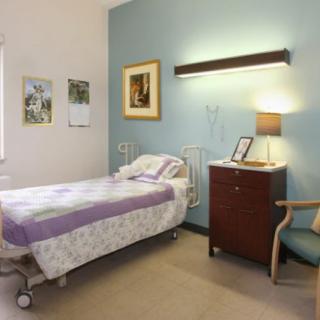
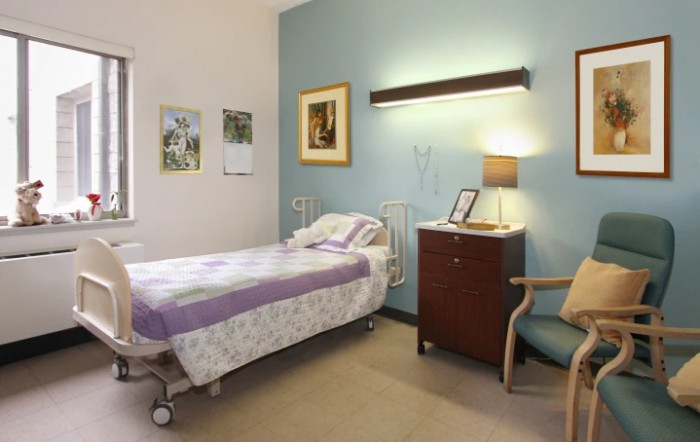
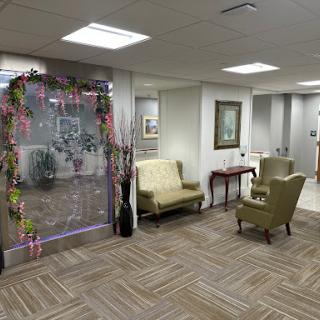
Reviews include both cleanliness praise and strong cleanliness complaints. Several describe rooms or bathrooms as dirty or malodorous, along with concerns about laundry, linens, and hygiene between visits. On the other side, some families report clean, organized spaces and a well-kept environment. Food feedback also follows this split, with multiple reviews calling it disgusting or poor, while others don’t raise food as a problem.
caveat
16 reviews mention this
Rehab assistance is questioned
Some reviews say therapy and daily help are inconsistent or insufficient.
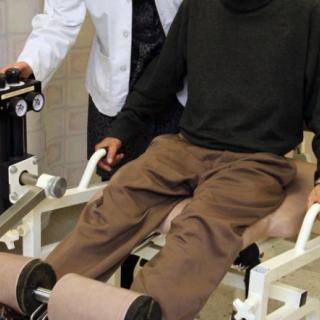
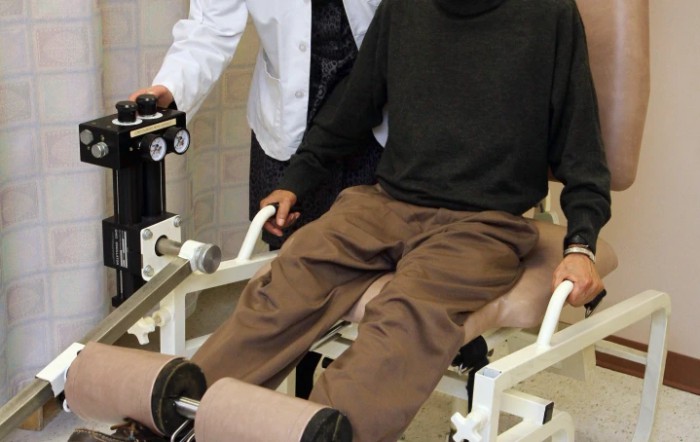
Several reviewers question whether rehab and daily assistance match what was expected after hospitalization. Complaints include long waits for help, being left in bed or in a dependent state for extended periods, and reports that physical therapy sessions were limited or did not lead to improvement. Other residents and families describe rehab teams providing progress and supervision, including physical therapy support. Taken together, the reviews suggest outcomes depend heavily on unit staffing and follow-through.
common
4 reviews mention this
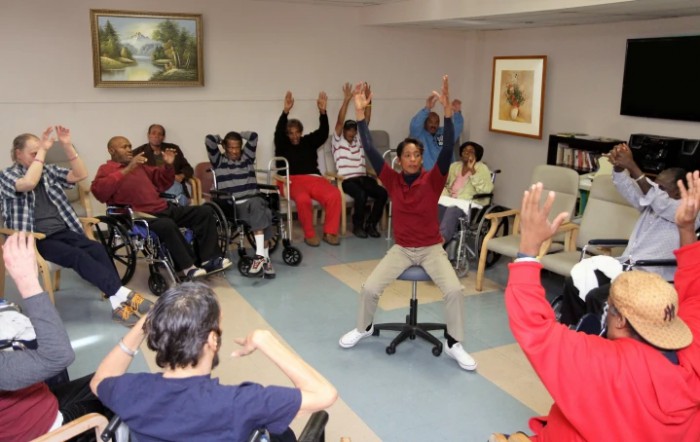
Activities are structured, but limited
Residents describe scheduled activities, though some want more to do.
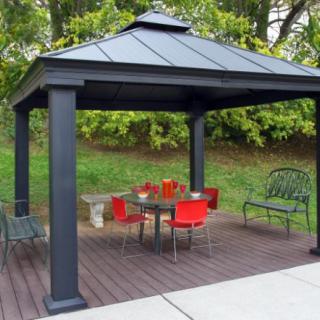
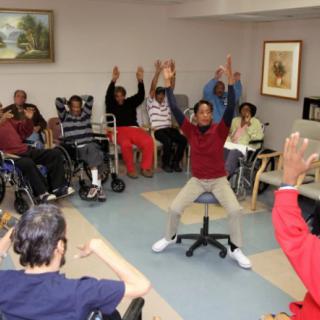
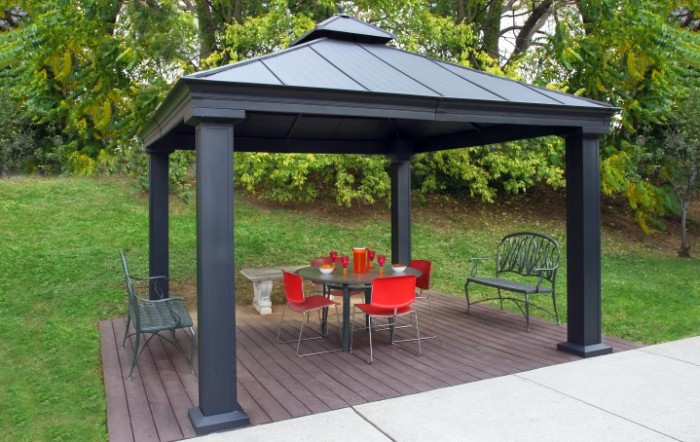
Some reviews mention an organized schedule of activities and getting fresh air when weather allows. Another comment says there’s a need for additional activities, even while describing positive care. The community also lists planned daily activities and day trips, which aligns with the reviews that focus on structure. Still, the “not enough activities” feedback points to gaps for certain residents.
common
2 reviews mention this
Phone-based access includes security steps
Reviews mention security controls at the entrance.
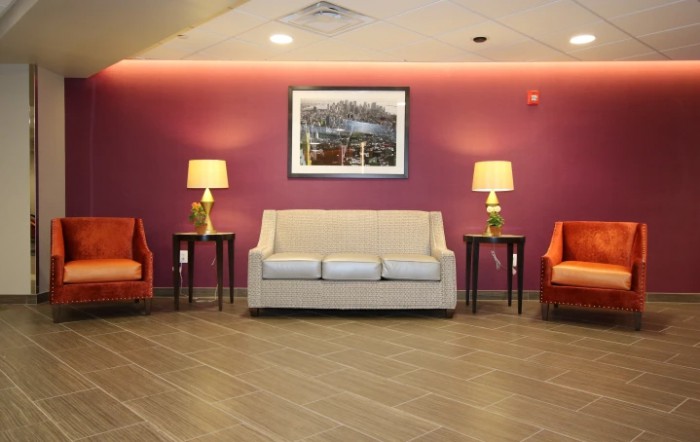
One reviewer describes locked entry for security purposes and requiring registration to enter. Another comment references limitations on what visitors can do, though details vary by review. Overall, the reviews indicate the community uses visitor access controls, which may matter to families during care planning and visitation.
How we summarize
Counts show how many written reviews mention each theme; a review can touch several themes, and only frequently mentioned themes are displayed.

 372 resident community capacity
 Skilled Nursing Facility
 Air-conditioning
 Beauty salon
 Cable or satellite TV
 Computer center
 Dining room
 Fitness room
 Fully furnished
 Gaming room
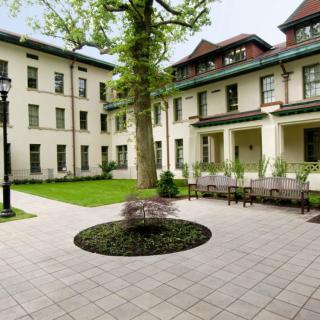
 Garden
 Housekeeping services
 Kitchenette
 Move-in coordination
 Outdoor space
 Private bathrooms
 Restaurant-style dining
 Small library
 Telephone
 Wellness center
 Wi-Fi/high-speed internet available
 Newark International (7 miles away)
 Community operated transportation
 12-16 hour nursing
 24-hour call system
 Activities of daily living assistance
 Assistance with bathing
 Assistance with dressing
 Assistance with transfers
 Diabetes diet
 Medication management
 Mental wellness program
 Special dietary restrictions
 Concierge services
 Planned day trips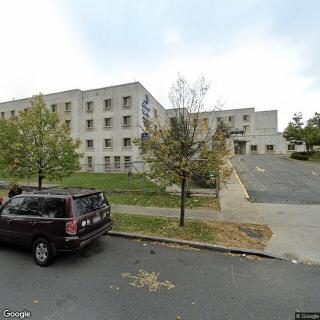
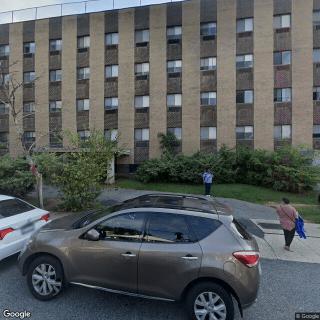
 Vibrant assisted-living-style community with easy access to parks, pharmacies, physicians, hospitals, a local theater, and transportation.

 Understanding the Nuances of Palliative Care and Hospice: A Comprehensive Exploration
 Is In-Home Healthcare Tax Deductible? Your Comprehensive Guide
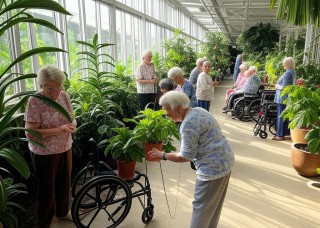 Nurturing Well-Being Through Gardening: A Detailed Guide for Senior Enthusiasts