For more information about senior living options: (866) 208-4318
2.4 from 79 reviews
5 stars
21
4 stars
7
3 stars
4
2 stars
1
1 stars
46
Overall Review of Wesley Gardens
caveat14 reviews mention this
Cleanliness concerns are common
Many residents describe the facility as unclean and poorly maintained.
Several reviews call out dirty rooms, sticky floors, and dirty bathrooms, with visitors describing unpleasant odors in hallways and common areas. A few residents specifically mention linens not being handled reliably and report seeing bugs or other cleanliness breakdowns. Even among the more positive notes, some families focus on the building being tidy and well-kept, suggesting cleanliness is uneven across experiences.
caveat12 reviews mention this
Call bells and phone access fail
Multiple reviews describe delayed responses to call bells and trouble reaching staff by phone.
Residents and families frequently describe difficulty getting staff attention, including reports of call bells going unanswered for long stretches. Several reviews also mention phone and transfer problems, with relatives unable to get timely updates or reach the right station. A smaller set of reviewers describe smoother, more responsive communication, but the recurring theme is that families often had to wait too long for help.
caveat10 reviews mention this
Care experiences vary widely
Reviews report both excellent care and serious neglect concerns.
Some families say their loved ones received compassionate, attentive nursing and therapy, while others describe severe neglect, including delays in basic care and safety concerns like falls. A number of negative reviews also mention communication gaps during care needs and follow-through issues with specific medical items or treatments. That split suggests outcomes may depend heavily on the unit, staffing on a given day, and individual circumstances.
common11 reviews mention this
Staff compassion is a highlight
Many reviews specifically praise the staff’s kindness and attentiveness.
Several reviewers describe the staff as warm, helpful, and respectful, often mentioning that caregivers took time to listen and respond to individual needs. Positive accounts also highlight supportive therapy teams and staff who help families feel reassured during rehab or nursing stays. While other reviews raise serious concerns, the consistent counterweight is that many residents experienced genuinely caring interactions.
caveat4 reviews mention this
Food feedback is mixed
Dining reviews are split between praise and complaints.
Some families say the food is excellent and that residents enjoy meals, including reports of positive food experiences during rehab. Other reviews describe meals as awful or terrible and mention missing items or dissatisfaction with weekend staffing affecting meal service. Dining appears to be inconsistent across visits and expectations.
common4 reviews mention this
Activities and social time stand out
Residents and families mention activities and social opportunities.
Several reviews describe social engagement through activities and special moments like birthdays, with some families also appreciating the variety of day-to-day programming. Positive notes also reference residents participating in activities and having opportunities to connect with others. Even where other concerns are raised, activities are one of the areas some reviewers still remembered as a bright spot.
How we summarize
Counts show how many written reviews mention each theme; a review can touch several themes, and only frequently mentioned themes are displayed.
Features
Housing
200 resident community capacity
Types of Care
Skilled Nursing Facility
Amenities
Air-conditioning
Beauty salon
Cable or satellite TV
Computer center
Dining room
Fitness room
Fully furnished
Gaming room
Garden
Housekeeping services
Kitchenette
Move-in coordination
Outdoor space
Private bathrooms
Restaurant-style dining
Small library
Telephone
Wellness center
Wi-Fi/high-speed internet available
Transportation
Greater Rochester International (5 miles away)
Community operated transportation
Transportation arrangement
Transportation arrangement (non-medical)
Transportation to doctors appointments
Care Services
12-16 hour nursing
24-hour call system
24-hour supervision
Activities of daily living assistance
Assistance with bathing
Assistance with dressing
Assistance with transfers
Diabetes diet
Meal preparation and service
Medication management
Mental wellness program
Special dietary restrictions
Dining
Diabetes diet
Special dietary restrictions
Activities
Community-sponsored activities
Concierge services
Fitness programs
Planned day trips
Resident-run activities
Scheduled daily activities
Nearby Places of Interest
This area of Rochester, New York, offers a vibrant and diverse community with a variety of amenities within close proximity. With several restaurants, cafes, and pharmacies within walking distance, residents can easily access dining options and healthcare services. The presence of reputable hospitals like Strong Memorial Hospital and Highland Hospital ensures quality medical care is readily available. Additionally, the abundance of parks such as Martin Luther King Jr Memorial Park at Manhattan Square and Cobbs Hill Park provide opportunities for outdoor recreation and relaxation. Public transportation options like Amtrak make it convenient to travel around the city. The area also includes places of worship like Artisan Church for spiritual support and community engagement. Overall, this neighborhood offers a mix of convenience, healthcare facilities, recreational opportunities, and cultural diversity that may appeal to individuals considering senior living in the area.
Restaurants
Half Pint Pub (0.3 miles)
Jim's On Main (0.5 miles)
Roc Brewing Co. (0.5 miles)
Jines Restaurant (0.6 miles)
Blu Wolf Bistro (0.6 miles)
Hot Shots Indoor Beach Volleyball Club (0.7 miles)
Rochester Public Market (0.8 miles)
Hospitals
Strong Memorial Hospital (0.3 miles)
Highland Hospital (1.6 miles)
Strong Memorial Hospital - Cardiology (2.8 miles)
James P Wilmot Cancer Center (2.8 miles)
SMH Nicu (2.8 miles)
Neuro ICU 8-1200 (2.9 miles)
University Of Rochester Medical Center Surg/Path Lab (2.9 miles)
Cafes
Locals Only (0.4 miles)
Ugly Duck Coffee (0.5 miles)
Java's Cafe (0.7 miles)
New City Cafe (1.3 miles)
1872 Cafe (1.8 miles)
Starbucks (2.6 miles)
Physicians
Allergy & Rheumatology - Rochester/Alexander Park (0.5 miles)
Imaging Center - Alexander Park (0.6 miles)
Occupational Medicine Services (0.7 miles)
Urmc Labs (1.2 miles)
Culver Medical Group (1.2 miles)
Highland Hospital Radiation/Oncology (1.6 miles)
Pain Management Center (1.6 miles)
Pharmacies
CVS Pharmacy (0.7 miles)
Highland South Wedge Pharmacy (1 miles)
Highland Hospital Pharmacy (1.5 miles)
CVS Pharmacy (1.7 miles)
Walgreens (1.8 miles)
Walgreens (2 miles)
Southside Apothecary (2.1 miles)
Parks
Martin Luther King Jr Memorial Park at Manhattan Square (0.7 miles)
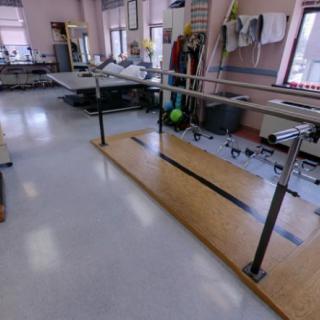
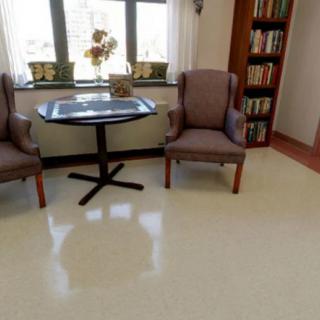
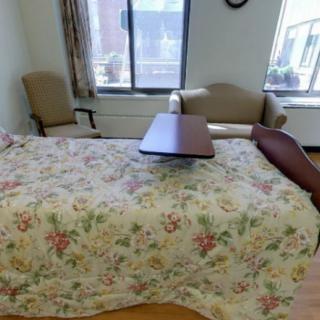
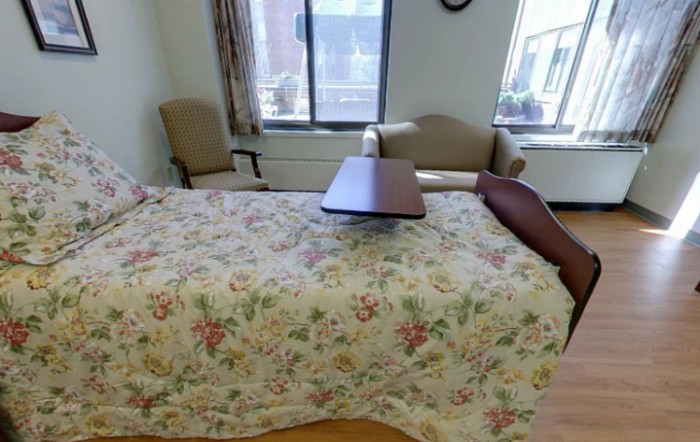
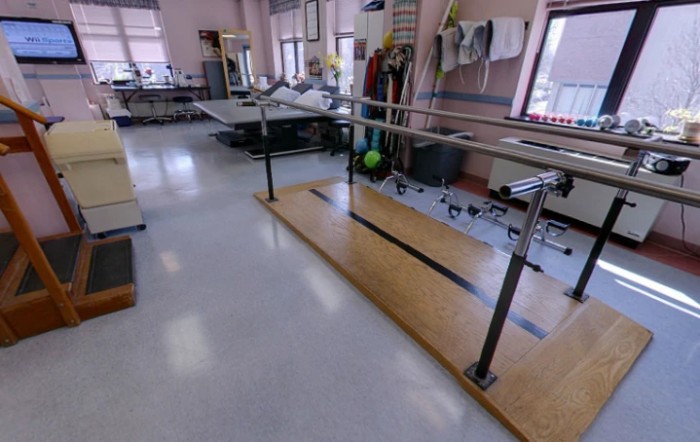
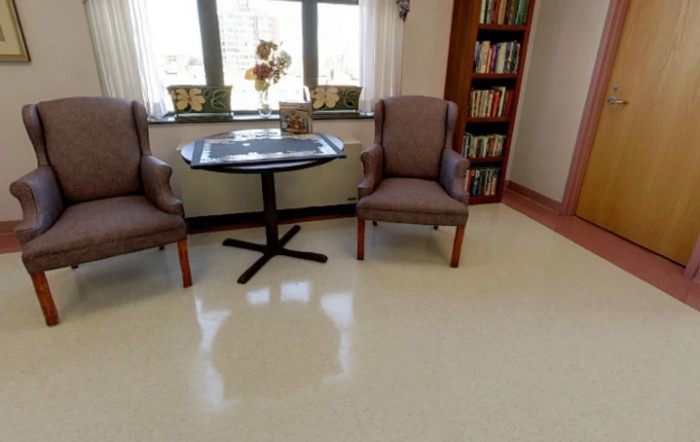
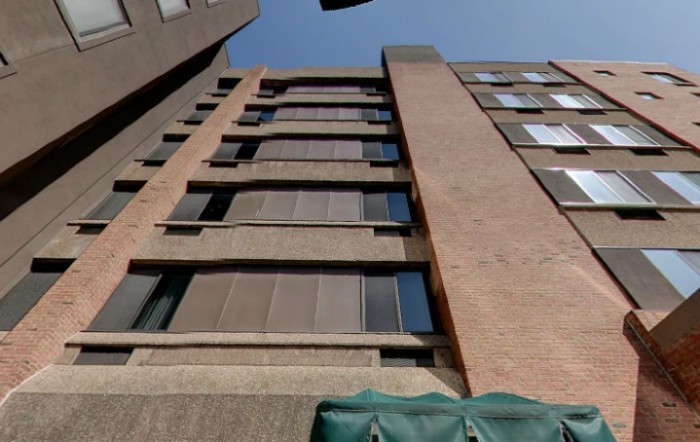
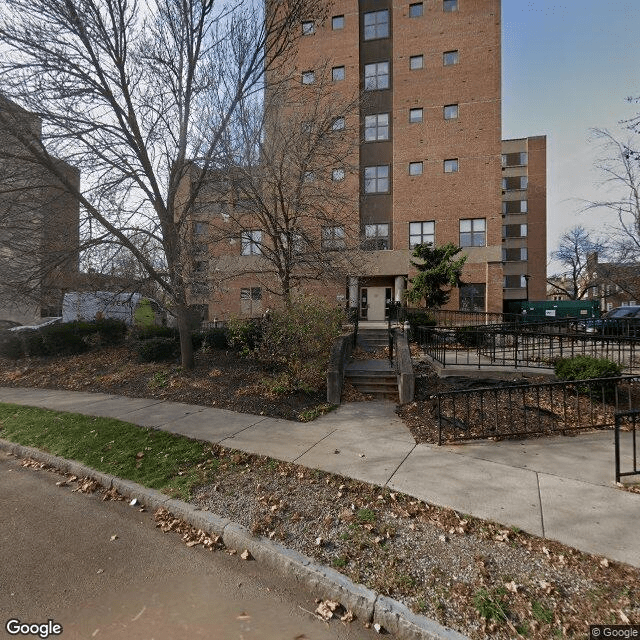
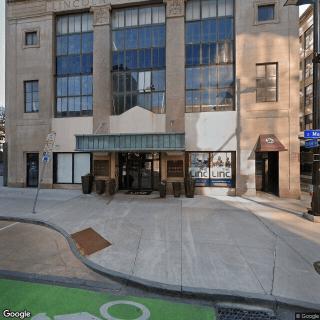
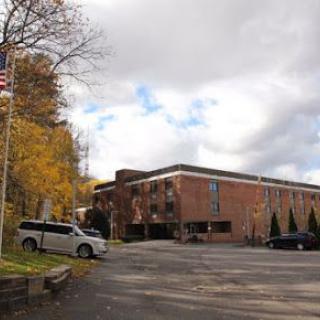
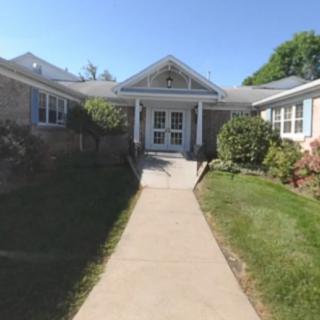
Wesley Gardens on seniors.fyi includes 5 photos including images showing windows, bedroom, interior, rehabilitation, physical therapy, exercise equipment, decor, building, and more.
Nearby Communities
Wesley-On-East
Rochester, NY
Excellent access to healthcare and daily amenities nearby.
ROHM Services
Rochester, NY
2.3 from 6 reviews
Excellent access to nearby dining options, parks, and healthcare facilities.
Interim Healthcare - Freedom Center
Rochester, NY
1.7 from 7 reviews
Reliable, safety-focused in-home care that provides peace of mind for families.
Kirkhaven
Rochester, NY
3.8 from 105 reviews
Spacious building with a pleasant courtyard and attentive follow-ups from some staff.
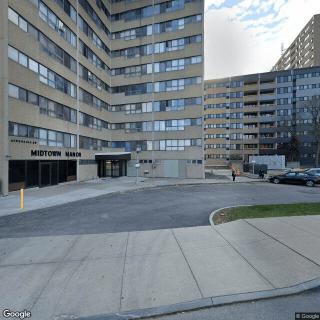
Midtown Manor Apartments
Rochester, NY
3.9 from 17 reviews
Strong access to healthcare, parks, dining, and other amenities nearby.
Conifer Realty
Rochester, NY
2.2 from 34 reviews
Convenient access to cafes, parks, dining, and healthcare nearby.
Cobbs Hill Manor
Rochester, NY
2.9 from 27 reviews
$2,472 to $3,347 / month
Friendly staff and comparatively larger rooms.
Valley Manor
Rochester, NY
4.5 from 28 reviews
$2,080 to $2,840 / month
Excellent staff and comprehensive non-medical services (housekeeping, maintenance, transportation) with engaging amenities and strong safety measures.
Palliative care focuses on alleviating distress at any stage of a serious illness and can accompany curative treatments, while hospice care is for those nearing the end of life with a prognosis of six months or less, emphasizing comfort over curative measures. Both prioritize holistic care for patients and families but differ in timing, goals, and scope.
Fecal incontinence, prevalent among older adults, arises from factors like weakened pelvic muscles and nerve damage, significantly affecting well-being and social interactions. Diagnosis involves clinical evaluation and tests to inform tailored treatments, while caregivers and preventive measures can aid in managing the condition effectively.
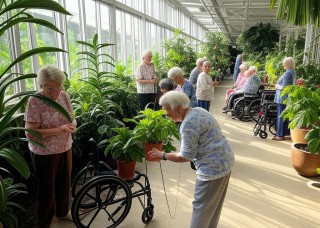
Gardening provides seniors with physical exercise, mental and emotional support, and social interaction opportunities, while accommodating their needs through raised beds and ergonomic tools. It promotes health benefits like improved dexterity and cardiovascular health, encourages sustainable practices, and allows for manageable upkeep with low-maintenance plants.
Exercise Equipment, Rehabilitation, and Physical Therapy
Get PricingAsk A QuestionSchedule A TourContact Senior Advisor
By clicking submit, you agree to our Partner's Terms of Use. You
also consent to receive calls and texts, which may be autodialed, from our Partner. Your consent is not a condition to
using our Partner's service. Please visit our Partner's Privacy Policy for information about their privacy practices.

 200 resident community capacity
 Skilled Nursing Facility
 Air-conditioning
 Beauty salon
 Cable or satellite TV
 Computer center
 Dining room
 Fitness room
 Fully furnished
 Gaming room
 Garden
 Housekeeping services
 Kitchenette
 Move-in coordination
 Outdoor space
 Private bathrooms
 Restaurant-style dining
 Small library
 Telephone
 Wellness center
 Wi-Fi/high-speed internet available
 Greater Rochester International (5 miles away)
 Community operated transportation
 12-16 hour nursing
 24-hour call system
 Activities of daily living assistance
 Assistance with bathing
 Assistance with dressing
 Assistance with transfers
 Diabetes diet
 Medication management
 Mental wellness program
 Special dietary restrictions
 Concierge services
 Planned day trips
 Excellent access to healthcare and daily amenities nearby.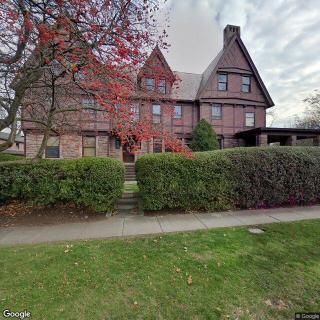


 Understanding the Nuances of Palliative Care and Hospice: A Comprehensive Exploration
 Fecal Incontinence in Older Adults: A Comprehensive Guide
 Nurturing Well-Being Through Gardening: A Detailed Guide for Senior Enthusiasts