

339 East Avenue Suite 303, Rochester, NY 14604
To contact a resident: (585) 454-4930
For more information about senior living options: (866) 208-4318
Overall Review of Interim Healthcare - Freedom Center
Pros
 Interim Healthcare has been very helpful.
- It provides peace of mind by ensuring a caregiver is there to look after a loved one.
- The caregiver presence is appreciated by families and helps keep loved ones safe.
- Since starting services, the client's mother has not fallen.
- The reviewers are happy with the services and would recommend Interim Healthcare if needed.
Cons
 The agency is terrible.
- They need to hire more professional staff who know how to talk to people over the phone.
- The staff should be trained to have great people skills in dealing with clients and their family members; this agency has shown a lack in this area.
- The agency is unprofessional.
- The agency is a bullshit agency.
- They were not personable and didn’t speak English.
- They showed no compassion; they just grunted at the father, which frustrated him.
- The caregiver didn’t know how to divert the situation.
- It was awful—the worst two weeks of their life.
- The billing also got messed up.
Review
Interim Healthcare - Freedom Center in Rochester is best suited for families that need reliable daily caregiver presence to monitor a senior with fall risk, and who can tolerate uneven interpersonal skill and language barriers. The most tangible benefit in several accounts is that caregivers show up consistently and provide near-constant supervision, which can translate into fewer falls and greater peace of mind. For a parent who has struggled with balance, that daily safety net can be the deciding factor when on-site support is not possible. Yet this value comes with clear caveats: multiple reviews describe the personnel as unprofessional, curt, and lacking empathy, and language gaps that hamper meaningful communication with family members and patients. This combination colors the overall experience and should be weighed upfront.
Who should consider alternatives? Those who expect polished phone etiquette, proactive problem-solving, and English-speaking staff across shifts should look elsewhere. Billing issues and service coordination problems have surfaced repeatedly, suggesting a pattern rather than an isolated incident. If a family requires dependable, respectful client service and clear, proactive communication about changes in care, this agency may fall short. Consider other licensed home-health providers or retirement environments with stronger language concordance and on-site oversight. Those with high expectations for compassionate bedside manner and consistent staff alignment will likely be disappointed here.
From a practical standpoint, the daily caregiver presence is the strongest offset to the most consequential risk, falls. The reality of a caregiver on site each day creates tangible safety and enables timely responses to problems, which is invaluable in managing a fall-prone senior. This benefit, however, is undermined when staff communication is blunt or impersonal, and when caregivers appear to lack training in de-escalation or engaging with family members. A single account about fall-prevention outcome confirms safety gains, but other reports of gruff interactions erode the trust required to leave a loved one in care. Billing confusion compounds frustration and undermines reliability, offsetting some of the perceived safety advantages.
Families can push back with a concrete plan that changes the balance of power. Request assignment of a consistent caregiver and a clear back-up plan so coverage does not drift with turnover. Insist on language preferences or provide translation support to minimize miscommunication. Demand transparent billing and a named supervisor who is reachable for ongoing issues. Ask what training exists for care coordination, fall-prevention protocols, and crisis response. Check for a dedicated care manager who can synthesize family input and adjust the care plan, rather than leaving issues to ad hoc conversations. These steps may not transform the experience, but they significantly tilt toward safer, more predictable care.
Owners and operators should acknowledge that the mixed reviews rarely reinforce a sense of seamless service. Even when one reviewer expressed peace of mind, others described staff as unhelpful and the experience as the worst two weeks of life. This should be interpreted as a warning: the quality of interactions and the consistency of the team matter as much as the presence of a caregiver. If a family cannot tolerate a variable emotional tone, inconsistent language access, and the risk of billing errors, alternatives offer more reliable outcomes. The decision should hinge on whether daily supervision plus real safety gains outweigh persistent customer-service instability.
In practical terms, Interim Healthcare - Freedom Center should be considered only when the priority is daily contact and basic fall-prevention oversight with a willingness to accept subpar communication and inconsistent experiences. For those who require polished, empathetic, and linguistically aligned care, exploring other options is strongly advised. Rochester offers several established home-health providers and assisted-living communities with stronger staff training, more reliable billing, and more consistent hospitality. The bottom line: evaluate the non-negotiables, safety versus service quality, and align choices with what matters most for the senior, the family, and the care budget. A well-matched alternative will yield clearer communication, steadier caregiver assignments, and a more predictable care rhythm.
 Greater Rochester International (5 miles away)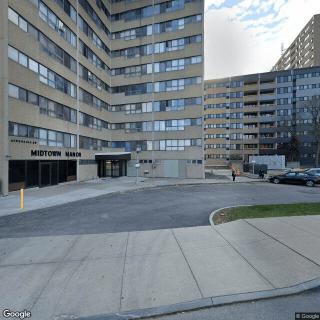





 Navigating the Tax Landscape of Caregiving: Credits, Deductions, and Beyond
 Highly Beneficial Low-Impact Exercises for Senior Living Residents
 Is In-Home Healthcare Tax Deductible? Your Comprehensive Guide