Many residents and families describe staff who are consistently kind and respectful.
A large share of reviewers highlight staff friendliness, respect, and patience, including aides, nurses, and therapy teams. Several mention feeling comfortable asking questions and seeing staff respond with professionalism and care. A number of reviews also call out specific individuals for being helpful, patient, and attentive during visits and during a loved one’s stay.
caveat11 reviews mention this
Care is sometimes delayed
Some reviews describe long waits and trouble getting timely medical attention.
Some reviewers report staffing and response problems, including very long waits for pain medication and concerns that follow-up wasn’t handled promptly. Others describe situations involving medication delays or missed steps in care. A few reviews also mention lack of availability when call bells are needed, framing this as a safety and quality concern.
common18 reviews mention this
Food quality and nutrition
Food is frequently described as good and aligned with residents’ nutrition needs.
Many reviewers praise meals as fresh and enjoyable, and several mention that food supports residents’ nutritional needs. Some also note their loved ones liked the food, including during rehab stays. At the same time, a smaller number of reviewers complain about food quality, including rooms of dissatisfaction once their loved one moved to a different care situation.
common19 reviews mention this
Facility cleanliness and comfort
Reviews frequently mention a clean, well-kept facility.
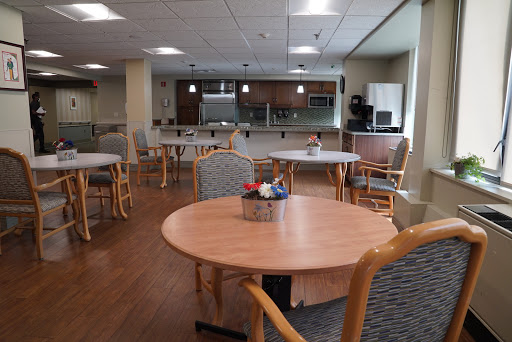
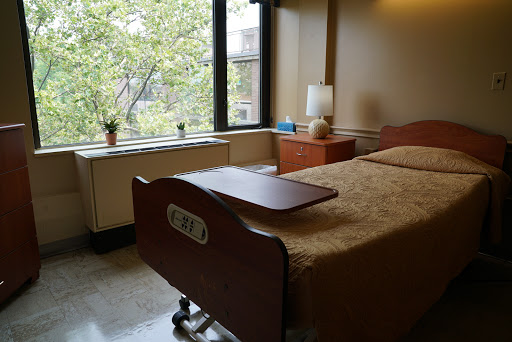
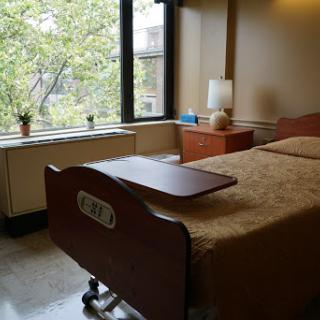
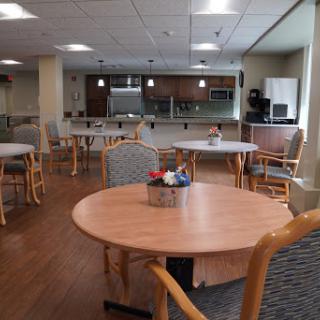
Multiple reviewers describe Kirkhaven as clean and maintained daily, with rooms and shared spaces kept in good condition. Several also mention the building feeling spacious and include positive comments about outdoor areas like the courtyard. A smaller set of reviews counters this with concerns about dirty rooms and residents looking unclean, particularly in accounts that also criticize care.
common10 reviews mention this
Activities and community atmosphere
Reviewers often mention engaging activities and a community feel.
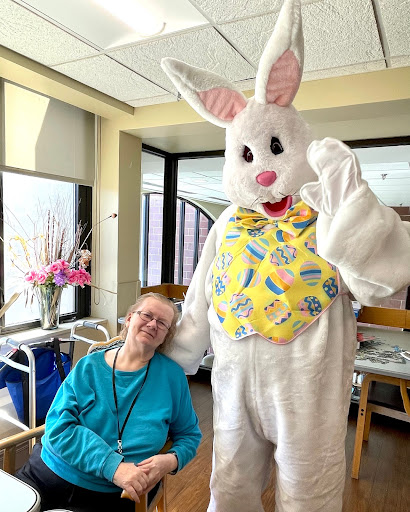
Several reviews highlight the activities calendar and the presence of resident activities, including seeing residents busy during a tour. Families also describe staff creating experiences for residents, like holiday get-togethers and special arrangements during visits. Some reviews frame this as part of what makes the facility feel welcoming, alongside the general sense of community.
How we summarize
Counts show how many written reviews mention each theme; a review can touch several themes, and only frequently mentioned themes are displayed.
Features
Housing
147 resident community capacity
Types of Care
Skilled Nursing Facility
Amenities
Air-conditioning
Beauty salon
Cable or satellite TV
Computer center
Dining room
Fitness room
Fully furnished
Gaming room
Garden
Housekeeping services
Kitchenette
Move-in coordination
Outdoor space
Private bathrooms
Restaurant-style dining
Small library
Telephone
Wellness center
Wi-Fi/high-speed internet available
Transportation
Greater Rochester International (5 miles away)
Community operated transportation
Transportation arrangement
Transportation arrangement (non-medical)
Transportation to doctors appointments
Care Services
12-16 hour nursing
24-hour call system
24-hour supervision
Activities of daily living assistance
Assistance with bathing
Assistance with dressing
Assistance with transfers
Diabetes diet
Meal preparation and service
Medication management
Mental wellness program
Special dietary restrictions
Dining
Diabetes diet
Special dietary restrictions
Activities
Community-sponsored activities
Concierge services
Fitness programs
Planned day trips
Resident-run activities
Scheduled daily activities
Nearby Places of Interest
Physicians
Allergy & Rheumatology - Rochester/Alexander Park (0.1 miles)
Imaging Center - Alexander Park (0.2 miles)
Occupational Medicine Services (1.1 miles)
Highland Hospital Radiation/Oncology (1.2 miles)
Pain Management Center (1.2 miles)
Urmc Labs (1.6 miles)
Culver Medical Group (1.6 miles)
Restaurants
Roc Brewing Co. (0.2 miles)
Strangebird (0.4 miles)
Half Pint Pub (0.5 miles)
The Vesper (0.6 miles)
Jim's On Main (0.6 miles)
Highland Park Diner (0.8 miles)
Jines Restaurant (0.9 miles)
Cafes
Locals Only (0.2 miles)
Ugly Duck Coffee (0.4 miles)
Java's Cafe (0.5 miles)
1872 Cafe (1.5 miles)
New City Cafe (1.7 miles)
Starbucks (2.3 miles)
Parks
Martin Luther King Jr Memorial Park at Manhattan Square (0.4 miles)
Cobbs Hill Park (1.2 miles)
Durand Eastman Beach (1.5 miles)
Highland Park (1.5 miles)
Tryon Park (3 miles)
Genesee Valley Park (3 miles)
Hospitals
Strong Memorial Hospital (0.6 miles)
Highland Hospital (1.2 miles)
Strong Memorial Hospital - Cardiology (2.4 miles)
James P Wilmot Cancer Center (2.4 miles)
SMH Nicu (2.4 miles)
Neuro ICU 8-1200 (2.5 miles)
University Of Rochester Medical Center Surg/Path Lab (2.5 miles)
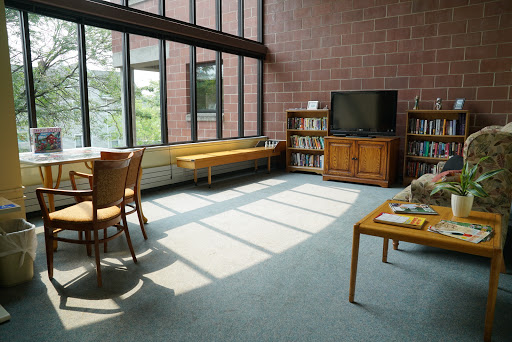
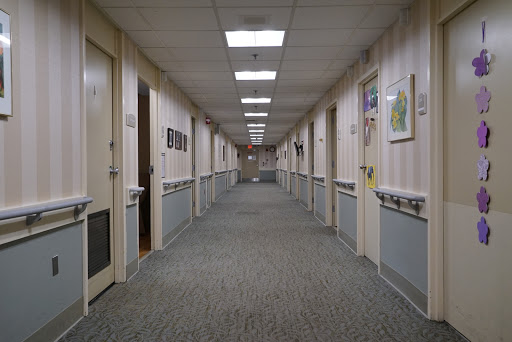
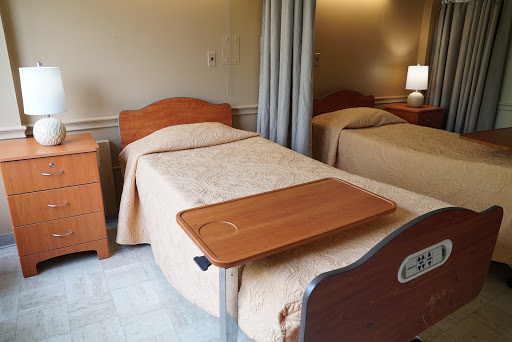
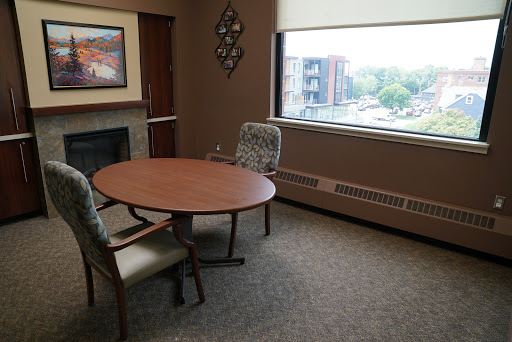
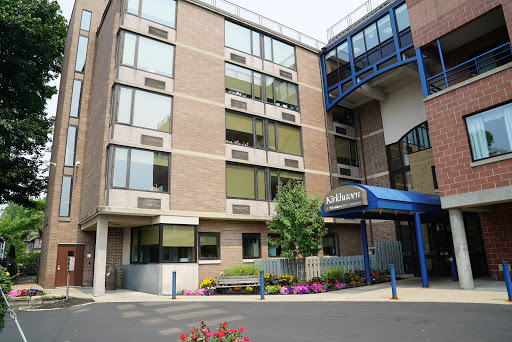
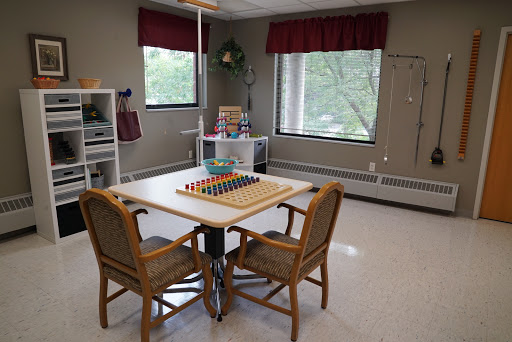
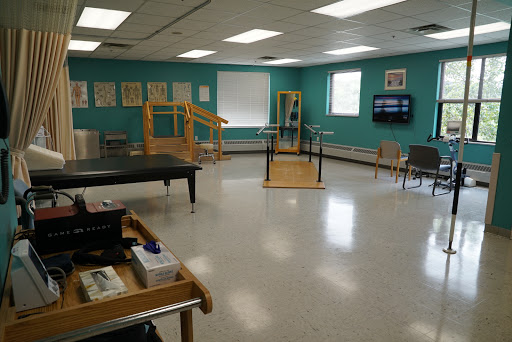
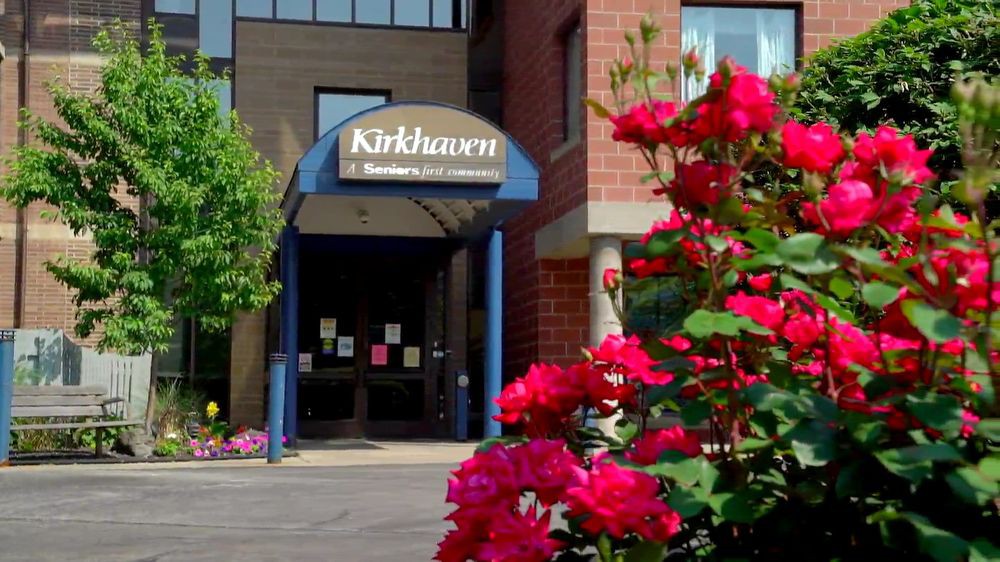
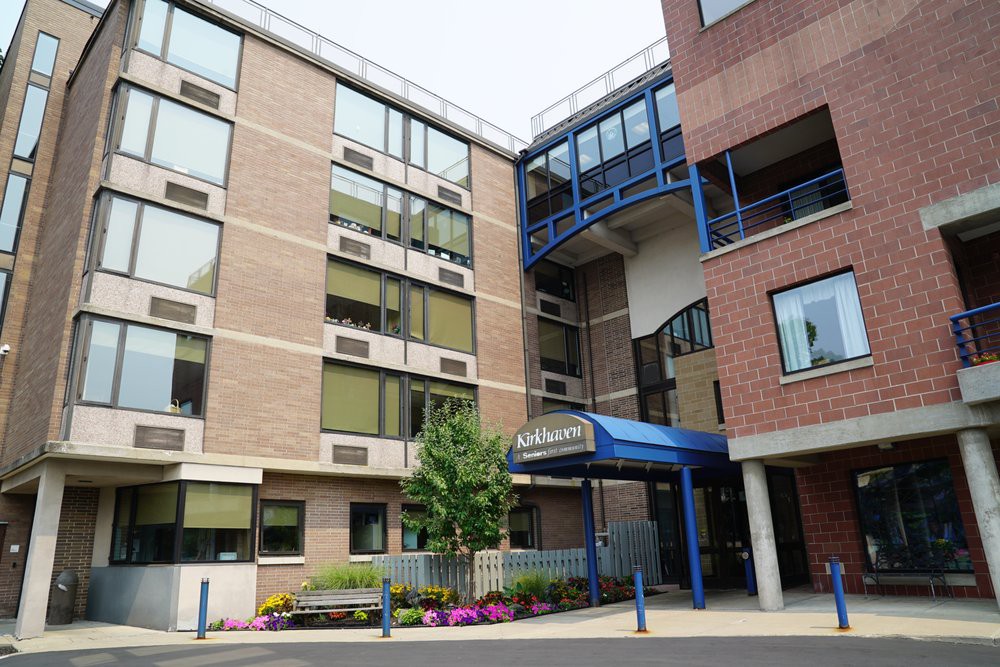
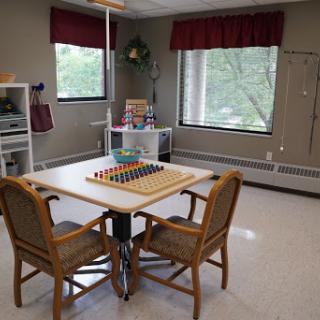
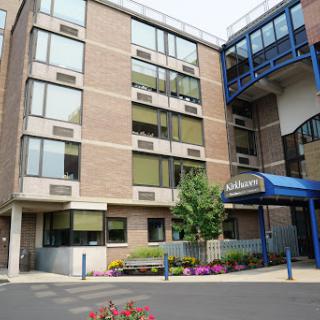
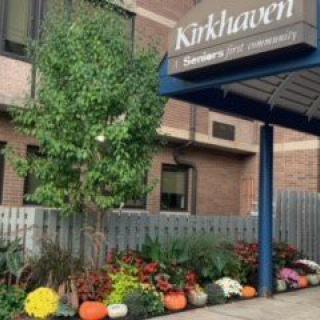
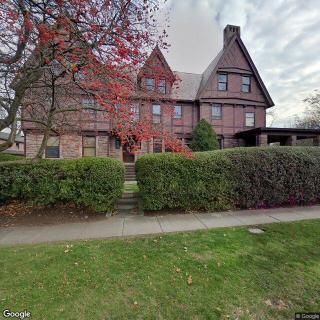
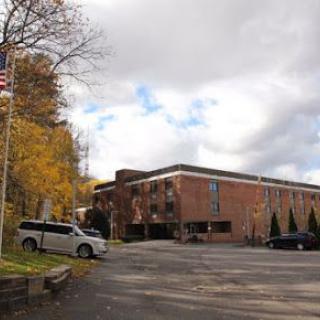
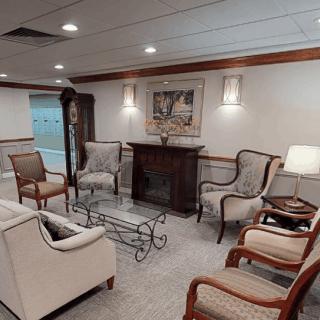
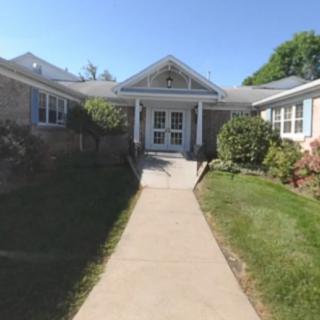
Kirkhaven on seniors.fyi includes 14 photos including images showing interior, building, entrance, windows, architecture, urban, exterior, physical therapy, and more.
Nearby Communities
Interim Healthcare - Freedom Center
Rochester, NY
1.7 from 7 reviews
Reliable, safety-focused in-home care that provides peace of mind for families.
Midtown Manor Apartments
Rochester, NY
3.9 from 17 reviews
Strong access to healthcare, parks, dining, and other amenities nearby.
Wesley-On-East
Rochester, NY
Excellent access to healthcare and daily amenities nearby.
Wesley Gardens
Rochester, NY
2.4 from 79 reviews
Friendly staff, clean common areas, and spacious rooms with active programs.
ROHM Services
Rochester, NY
2.3 from 6 reviews
Excellent access to nearby dining options, parks, and healthcare facilities.
Southview Towers
Rochester, NY
2.6 from 19 reviews
Excellent access to nearby amenities (cafes, parks, healthcare, dining).
Cobbs Hill Manor
Rochester, NY
2.9 from 27 reviews
$2,472 to $3,347 / month
Friendly staff and comparatively larger rooms.
Valley Manor
Rochester, NY
4.5 from 28 reviews
$2,080 to $2,840 / month
Excellent staff and comprehensive non-medical services (housekeeping, maintenance, transportation) with engaging amenities and strong safety measures.
Palliative care focuses on alleviating distress at any stage of a serious illness and can accompany curative treatments, while hospice care is for those nearing the end of life with a prognosis of six months or less, emphasizing comfort over curative measures. Both prioritize holistic care for patients and families but differ in timing, goals, and scope.
Fecal incontinence, prevalent among older adults, arises from factors like weakened pelvic muscles and nerve damage, significantly affecting well-being and social interactions. Diagnosis involves clinical evaluation and tests to inform tailored treatments, while caregivers and preventive measures can aid in managing the condition effectively.
Anticipatory grief is an emotional response to the impending loss of a loved one, characterized by complex emotions such as sadness and anger, and involves navigating stages similar to those identified by Kübler-Ross. Coping strategies are vital for managing this process, emphasizing compassionate communication, self-care, and support groups while recognizing the cultural influences on grieving.
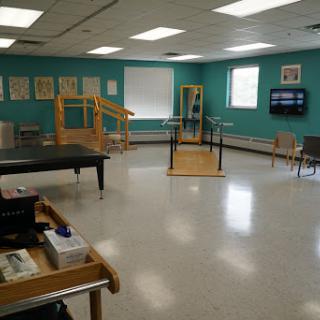
Exercise Equipment, Rehabilitation, Physical Therapy, Spacious, and Therapy Room
Natural Light and Recreation
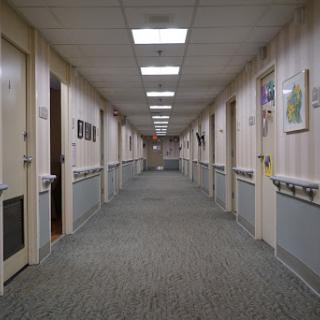
Hallway, Lights, and Doors
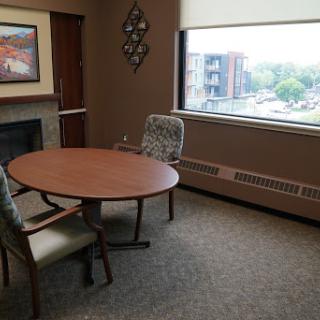
Office and Meeting Room
Brick Wall
Get PricingAsk A QuestionSchedule A TourContact Senior Advisor
By clicking submit, you agree to our Partner's Terms of Use. You
also consent to receive calls and texts, which may be autodialed, from our Partner. Your consent is not a condition to
using our Partner's service. Please visit our Partner's Privacy Policy for information about their privacy practices.

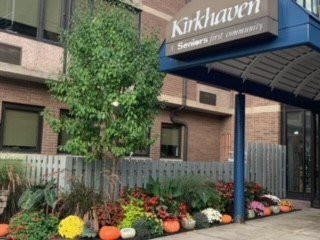


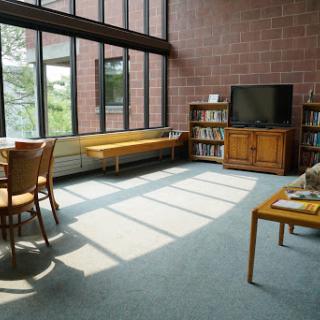
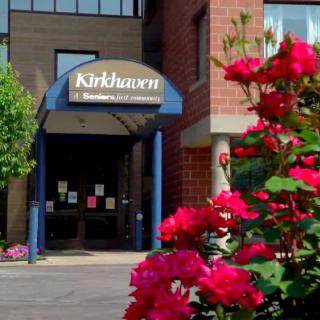
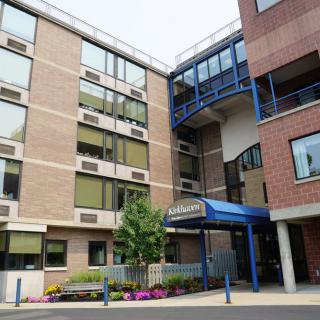
 147 resident community capacity
 Skilled Nursing Facility
 Air-conditioning
 Beauty salon
 Cable or satellite TV
 Computer center
 Dining room
 Fitness room
 Fully furnished
 Gaming room
 Garden
 Housekeeping services
 Kitchenette
 Move-in coordination
 Outdoor space
 Private bathrooms
 Restaurant-style dining
 Small library
 Telephone
 Wellness center
 Wi-Fi/high-speed internet available
 Greater Rochester International (5 miles away)
 Community operated transportation
 12-16 hour nursing
 24-hour call system
 Activities of daily living assistance
 Assistance with bathing
 Assistance with dressing
 Assistance with transfers
 Diabetes diet
 Medication management
 Mental wellness program
 Special dietary restrictions
 Concierge services
 Planned day trips
 Reliable, safety-focused in-home care that provides peace of mind for families.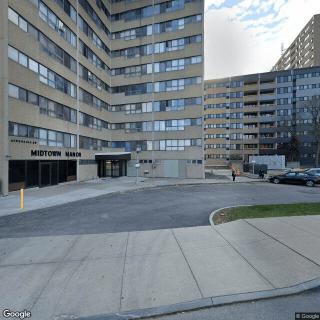
 Understanding the Nuances of Palliative Care and Hospice: A Comprehensive Exploration
 Fecal Incontinence in Older Adults: A Comprehensive Guide
 Recognizing the Journey: Understanding and Navigating Anticipatory Grief