The Heritage Rehabilitation And Health Care Center

Save

  • Interior

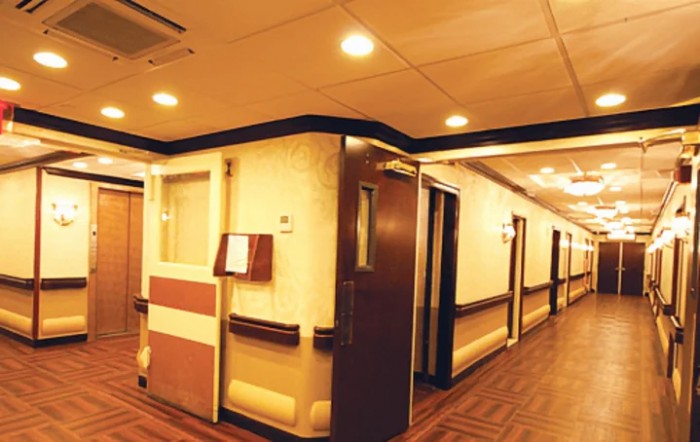
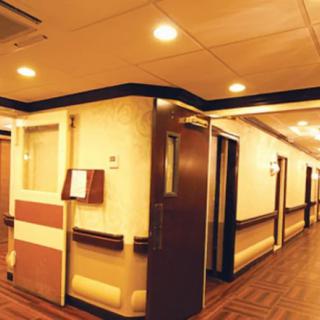
    A view of a well-lit hospital corridor with doors on either side.
  • Building

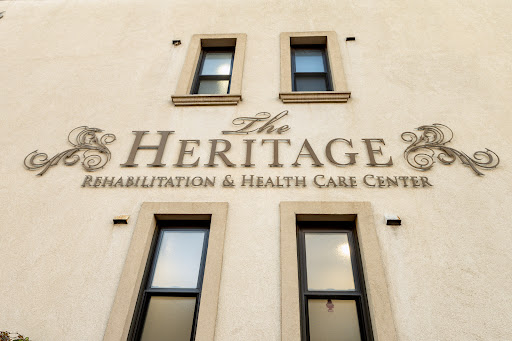
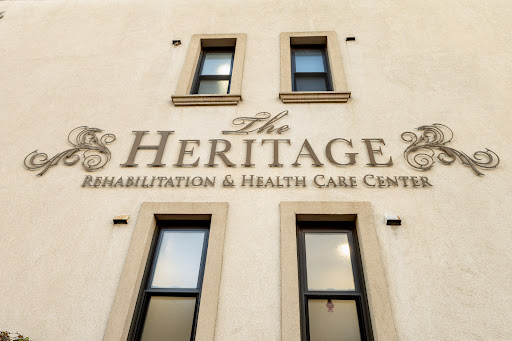
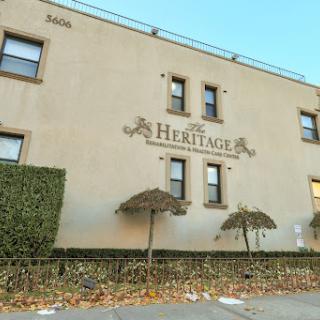
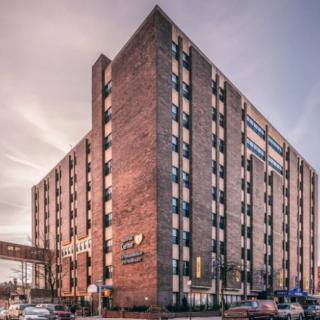
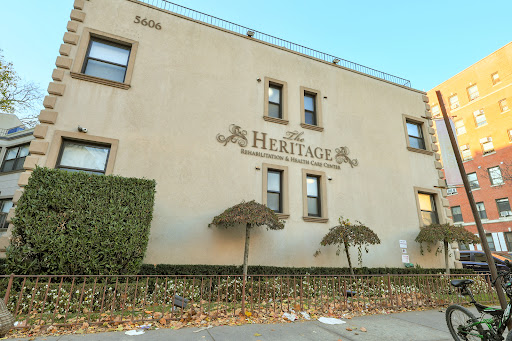
    The exterior of a building with 'Heritage' signage and multiple windows.
  • Architecture

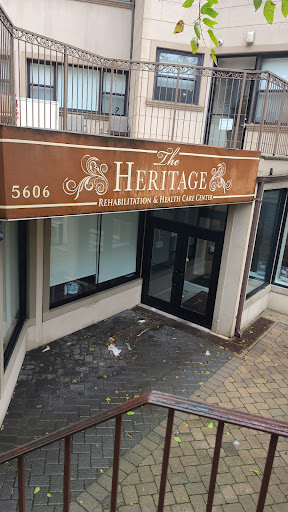
    The Heritage building showcasing an elegant exterior with unique signage.
  • Bedroom

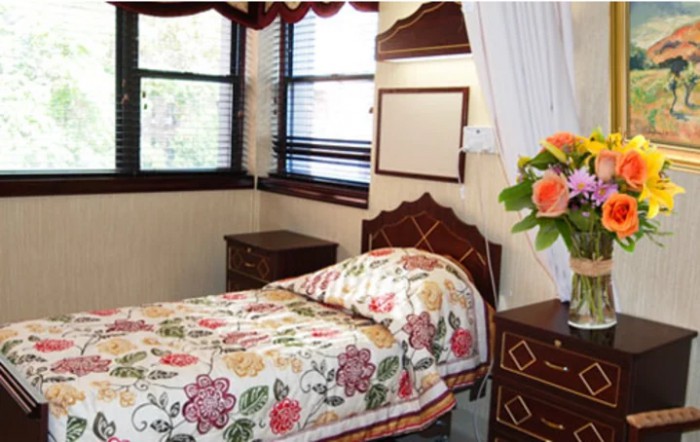
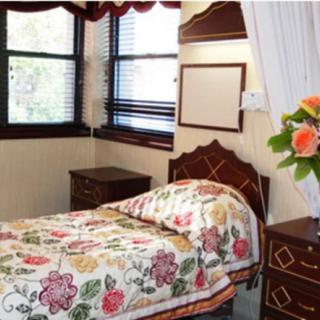
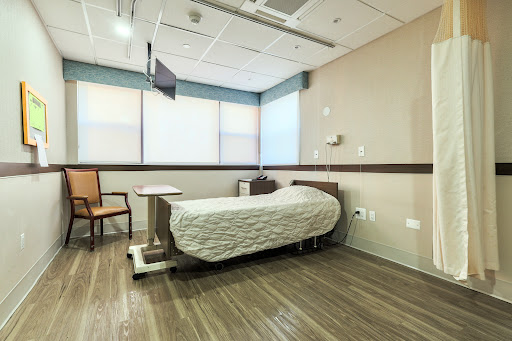
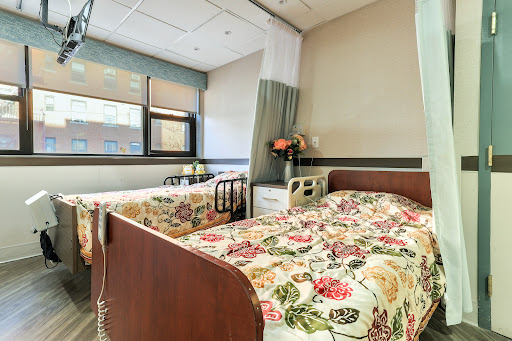
    A cozy bedroom with floral bedding and wooden furniture.
  • Windows

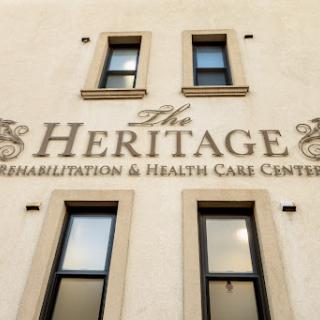
    The Heritage Rehabilitation & Health Care Center
  • Landscaping

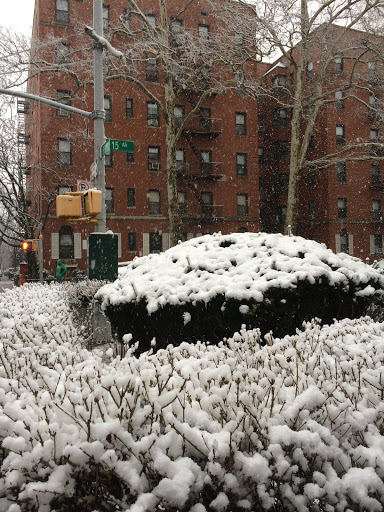
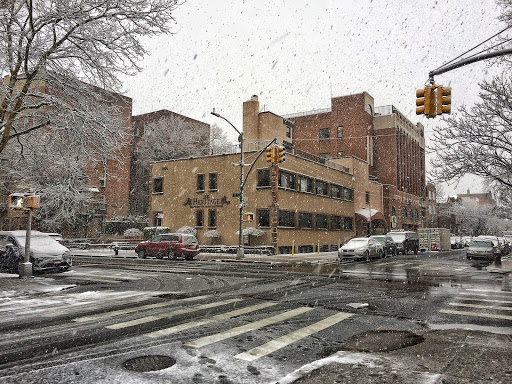
    A snowy scene in an urban setting with covered bushes and apartment buildings in the background.
  • Lobby

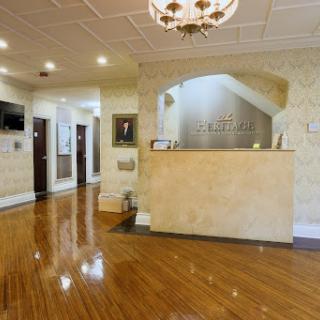
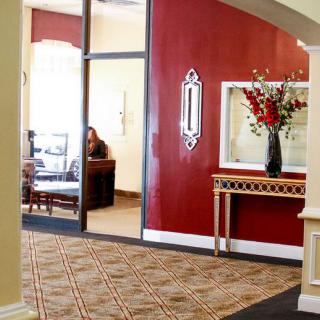
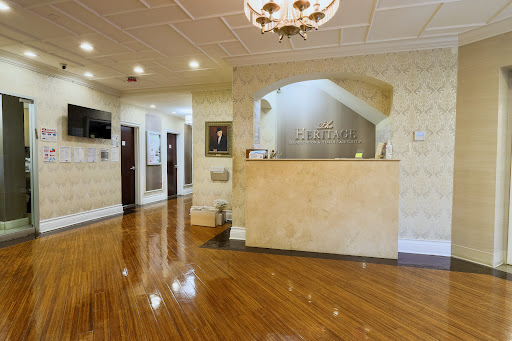
    A welcoming reception area featuring elegant design and polished wood flooring.
  • Healthcare

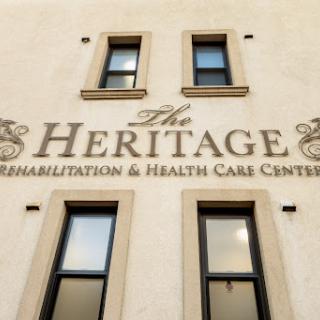
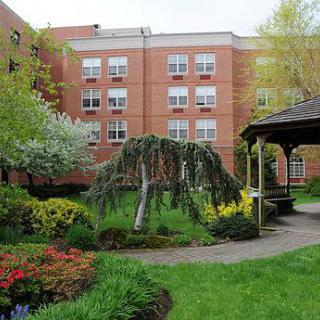
    Facade of The Heritage Rehabilitation & Health Care Center.
  • Urban

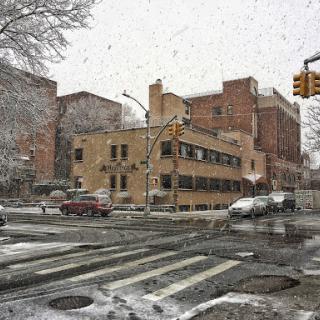
    A snowy urban scene depicting a city street with traffic lights and buildings in the background.
  • Rehabilitation

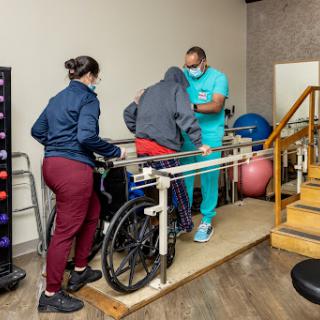
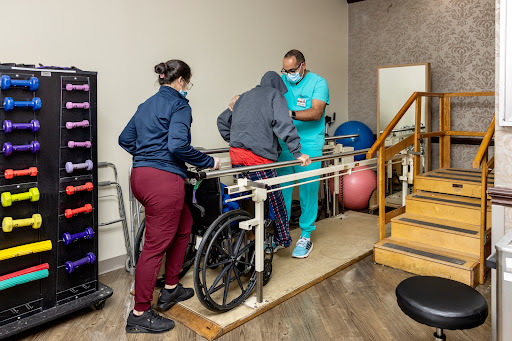
    A physical therapy session where a patient is assisted to walk with support.

The Heritage Rehabilitation And Health Care Center

5606 15Th Avenue, Brooklyn, NY 11219

For more information about senior living options: (844) 490-3973

4.8 from 100 reviews
5 stars
93
4 stars
2
3 stars
0
2 stars
0
1 stars
5

Skilled Nursing Facility

What level of care are you interested in?

Assisted Living

Memory Care

Independent Living

Skilled Nursing Facility

Continuing Care Retirement Community (CCRC)CCRC

Other


Request a tour at The Heritage Rehabilitation And Health Care Center

    Overall Review of The Heritage Rehabilitation And Health Care Center

    Pros

    • pro Shout-out to Nurse Maria, who went above and beyond when my husband was recovering from surgery.
    • pro The entire team treats residents like family.
    • pro The therapists worked tirelessly on his mobility, and the nurses were so patient with his ups and downs.
    • pro The facility itself feels like a home, not a clinic.
    • pro This rehab center really prioritizes communication.
    • pro The nurses not only provided great care but also showed genuine support to my grandma during her recovery.
    • pro Heritage Center is truly a gem in Brooklyn.
    • pro They took exceptional care of my grandpa with warmth and patience.
    • pro The space was cozy, the mattress was super comfortable, and the overall vibe was great.

    Cons

    • pro Communication at Heritage Rehabilitation Center was poor.
    • pro Residents received rushed phone calls, missed medication schedules, and blatant neglect.
    • pro A resident was found in soiled clothing, uncomfortable and humiliated.
    • pro Staff appeared indifferent or defensive, rarely offering sincere apologies or plans to improve.
    • pro Meals were often late or unappetizing.
    • pro Staff turnover was constant, leading to a lack of consistency and warmth.
    • pro There was a lack of basic human dignity for elderly residents.
    • pro The facility gave the impression that residents were treated like chores rather than people.
    • pro The day room upstairs was overcrowded and the hallways were dirty.
    • pro A social worker allegedly threatened a patient with discharge and demanded discharge papers, described as unprofessional.

    Review

    The collection of experiences surrounding Heritage Center ranges from truly uplifting recoveries to deeply troubling lapses in care. Families describe a place that can feel like home and a sanctuary for healing, yet also a setting where communication can break down, dignity can be compromised, and consistency seems elusive. The stories come from real moments in real lives, with the same facility standing as both a beacon of hope for some and a source of worry for others. In Brooklyn, Heritage Center is repeatedly portrayed as a place that can deliver excellent rehabilitation and compassionate staff, even as other accounts paint a image of neglect, turnover, and overlooked needs.

    Several reviewers focus on fraught, painful pathways through care. They recount missed medication schedules, rushed updates, and care plans that never seemed to materialize as promised. One account describes a father left sitting in soiled clothing, uncomfortable and humiliated, with staff who appeared indifferent or defensive when concerns were raised. Meals are described as late or unappetizing, and the report of constant staff turnover underscores a troubling lack of consistency and warmth. The emotional toll is palpable: families feel guilt for entrusting a loved one to a place where they perceive neglect or devaluation, and some families ultimately withdraw their relatives, seeking care elsewhere in search of dignity and attentiveness. The sky-high priority for prospective families becomes vigilance - asking pointed questions, dropping in unannounced, and trusting one's instincts when something feels off.

    Alongside these warnings, however, there are equally vivid testimonials to the center's strengths. In positive arcs, patients experience meaningful physical recovery and renewed independence. A hip fracture survivor credits physical therapy that encouraged exercise at a comfortable pace and celebrated milestones, culminating in the ability to garden months later. A diabetic patient's worry about meals is met with praise for skilled cooks who impress with quality and care. Nurses like Nurse Maria are singled out for going "above and beyond," while therapists, doctors, and the broader care team are described as tireless and patient, especially when navigating ups and downs after strokes or surgeries. Families recount seeing progress in mobility, improved communication with staff, and care teams that are attuned to individual goals. The facility is repeatedly praised for turning care into a collaborative, family-like experience rather than a cold, clinical routine.

    Atmosphere and ambiance also play a notable part in these narratives. Several reviews emphasize a welcoming, comfortable environment that fosters social interaction and friendship among residents. The lobby, d?cor, and even holiday displays are cited as thoughtful touches that help residents feel celebrated and at home. Community-oriented programs - appearing as clowns, magicians, and musicians visiting residents - are described as meaningful, lifting spirits and helping residents engage in joyful activities. In some recollections, the center feels like a genuine community where staff and residents alike support each other, and where family members appreciate the real sense of warmth and care that can be found in daily interactions.

    Other accounts highlight an overall sense of pride in excellent care when it goes right. Descriptions of clean facilities, professional nurses, and attentive admissions processes appear alongside notes about round-the-clock attention and transparent communication with families about progress and treatment plans. In these moments, Heritage Center is depicted as a trusted partner in recovery, with families expressing relief and gratitude for the staff's dedication and for the environment that supports healing. Several testimonials celebrate staff as being consistently kind, professional, and capable, and they emphasize the value of a facility that helps loved ones regain independence with compassionate guidance.

    Yet it would be incomplete to overlook the more cautionary notes that surface in these reviews. A number of reviewers warn that staffing problems - understaffing, high turnover, and a revolving door of caregivers - can undermine the quality of care and erode residents' sense of security. Instances of managers or supervisors speaking to staff in front of residents and families are described as unacceptable, and concerns about discharge conversations and paperwork reveal an imbalance between administrative pressures and residents' rights. One explicit warning mentions a social worker named Michelle and concerns about discharge procedures, suggesting that accountability and proper professional conduct may sometimes fall short. Overall, the cautions urge families to verify consistency, open lines of communication, access to reliable answers, and a calm, respectful environment.

    In sum, Heritage Center appears to be a place of dualities: it can be a remarkable source of healing, warmth, and community, delivering meaningful rehabilitative progress and moments of genuine human connection; and it can also be a setting where critical gaps in communication, staffing, and dignity create distress and fear for families. The stories collectively ask readers to look beyond the polished lobbies and friendly first impressions to observe day-to-day care, staff stability, and the facility's ability to maintain consistent, respectful, and transparent interactions with residents and their families. For anyone considering Heritage Center, the takeaway is clear: prepare thoroughly, visit unannounced, ask tough questions, and weigh the full spectrum of experiences - acknowledging that strong recovery and compassionate, effective care can exist alongside serious concerns that deserve careful attention.

    Features

    Housing

    • 79 resident community capacity 79 resident community capacity

    Types of Care

    • Skilled Nursing Facility Skilled Nursing FacilitySkilled Nursing Facilities are crucial for seniors as they provide round-the-clock medical care, rehabilitation services, and assistance with daily activities. These facilities ensure that seniors receive the specialized care they need to maintain their health and well-being as they age.

    Amenities

    • Air-conditioning Air-conditioningAir conditioning is important for seniors as they are more vulnerable to heat-related illnesses and may have underlying health conditions that make it difficult for them to regulate their body temperature. It helps to keep them comfortable, safe, and healthy in hot weather.
    • Beauty salon Beauty salonBeauty salons are important for seniors because they provide a space for them to feel pampered, socialize, and maintain their personal grooming and hygiene. Regular visits to a beauty salon can help boost seniors' self-esteem and overall well-being.
    • Cable or satellite TV Cable or satellite TVCable or satellite TV is important for seniors because it provides entertainment, news, and companionship, helping to combat loneliness and boredom. It also offers a wide range of programming options tailored to different interests and preferences.
    • Computer center Computer centerA computer center is essential for seniors as it provides access to technology, communication tools, and resources that can enhance their daily lives. It allows them to stay connected with loved ones, engage in online activities, and learn new skills, ultimately promoting socialization and mental stimulation.
    • Dining room Dining roomDining rooms are important for seniors as they provide a space for socialization, connection, and nutritious meals. They offer opportunities for residents to bond over shared meals, foster a sense of community, and promote healthy eating habits. Dining rooms also ensure that seniors have access to well-balanced meals tailored to their dietary needs and preferences.
    • Fitness room Fitness roomHaving a fitness room in a senior living community is essential for seniors to stay active, maintain their physical health, and improve their overall well-being. Regular exercise can help prevent falls, reduce the risk of chronic diseases, and promote mental sharpness. It also provides social opportunities for residents to connect with others and enjoy a sense of community.
    • Fully furnished Fully furnishedFully furnished senior living communities are important for seniors because they provide convenience, comfort, and a hassle-free moving experience. Seniors can easily settle into their new living space without the stress of having to buy and move furniture. This allows them to focus on enjoying their new home and community.
    • Gaming room Gaming roomGaming rooms are important for seniors as they provide a fun and engaging environment for socializing, cognitive stimulation, and physical activity. Games can improve memory, problem-solving skills, and overall mental well-being while fostering friendships and reducing feelings of isolation.
    • Garden GardenGardens are important for seniors as they provide a peaceful and therapeutic environment for relaxation, physical activity, and socialization. Being in nature has been shown to reduce stress, improve mood, and promote overall well-being. Gardens also offer opportunities for seniors to engage in gardening activities, which can improve mobility, flexibility, and cognitive function. Additionally, gardens create a sense of community and connection with others who share a passion for plants and outdoor spaces.
    • Housekeeping services Housekeeping servicesHousekeeping services are important for seniors because they help maintain a clean and safe living environment, promote independence, and reduce the risk of accidents or illnesses. Additionally, having assistance with household chores can alleviate physical strain and allow seniors to focus on other aspects of their well-being.
    • Kitchenette KitchenetteKitchenettes are important for seniors living in senior living communities because they provide the convenience and independence of being able to prepare simple meals and snacks in the comfort of their own living space. This can help promote a sense of autonomy and well-being for seniors, allowing them to maintain some level of control over their dietary choices and daily routines.
    • Move-in coordination Move-in coordinationMove-in coordination is important for seniors because it helps ease the transition into their new living environment. It ensures that all logistics, such as packing, organizing movers, and setting up utilities are taken care of, allowing seniors to focus on settling in and adjusting to their new home. Having a smooth move-in process can alleviate stress and anxiety, making the transition smoother and more enjoyable for seniors.
    • Outdoor space Outdoor spaceOutdoor spaces are important for seniors as they provide opportunities for physical activity, social interaction, exposure to natural light and fresh air, and a sense of connection to nature. Having access to outdoor spaces can improve overall well-being and quality of life for older adults living in senior communities.
    • Private bathrooms Private bathroomsPrivate bathrooms are important for seniors in senior living communities because they provide independence, dignity, and comfort. Having a private bathroom allows seniors to maintain their personal hygiene routines without the need for assistance, promoting a sense of autonomy and privacy. Additionally, private bathrooms help prevent the spread of infections and provide a safe and clean environment for seniors to navigate safely.
    • Restaurant-style dining Restaurant-style diningRestaurant-style dining is important for seniors because it allows them to enjoy delicious, nutritious meals in a social and upscale setting. This enhances their dining experience, promotes healthy eating habits, and fosters socialization with fellow residents, ultimately contributing to their overall well-being and quality of life.
    • Small library Small librarySmall libraries are important for seniors as they provide access to a variety of reading materials, including books, newspapers, and magazines. This can help stimulate their minds, keep them engaged, and provide a sense of community through book clubs and other social activities. Additionally, reading has been shown to improve cognitive function and overall mental well-being in older adults.
    • Telephone TelephoneTelephones are important for seniors as they provide a lifeline for communication with loved ones, emergency services, and healthcare providers. They offer a sense of security and independence, enabling seniors to stay connected and access assistance when needed.
    • Wellness center Wellness centerWellness centers are important for seniors because they offer a variety of programs and services that promote physical, mental, and emotional well-being. These centers provide opportunities for exercise, socialization, education, and relaxation, helping seniors maintain their overall health and quality of life.
    • Wi-Fi/high-speed internet available Wi-Fi/high-speed internet availableWi-Fi/high-speed internet is important for seniors to stay connected with loved ones, access online resources, and participate in virtual activities to combat feelings of loneliness and isolation. It also allows them to easily manage healthcare needs, access entertainment, and engage in lifelong learning opportunities.

    Transportation

    • Newark International (10 miles away) Newark International (10 miles away)
    • John F Kennedy International (11 miles away) John F Kennedy International (11 miles away)
    • LaGuardia (12 miles away) LaGuardia (12 miles away)
    • Community operated transportation Community operated transportationCommunity operated transportation is crucial for seniors as it provides them with the means to access essential services, social activities, and medical appointments. It allows seniors to maintain their independence and quality of life by ensuring they can participate in activities outside of their homes. Additionally, community-operated transportation services offer a safe and reliable way for seniors to travel without having to rely on family or friends for assistance.
    • Transportation arrangement Transportation arrangementTransportation arrangements are crucial for seniors as they may face challenges with driving, mobility, or access to public transportation. Having reliable transportation services ensures that seniors can easily attend appointments, social activities, and maintain their independence and quality of life.
    • Transportation arrangement (non-medical) Transportation arrangement (non-medical)Transportation arrangements are essential for seniors as they provide access to essential services, activities, and social interactions outside the home. This service helps maintain independence, mobility, and overall well-being for seniors who may have limited transportation options.
    • Transportation to doctors appointments Transportation to doctors appointmentsTransportation to doctors appointments is crucial for seniors as it ensures they have access to necessary medical care and support, promoting their health and well-being. It allows them to receive timely treatment, monitor existing conditions, and address any new health concerns efficiently. Additionally, transportation services can help seniors maintain their independence and quality of life by enabling them to stay connected with their healthcare providers.

    Care Services

    • 12-16 hour nursing 12-16 hour nursing12-16 hour nursing care is crucial for seniors in order to ensure around-the-clock monitoring, timely medication administration, and prompt response to any health concerns or emergencies. This level of care helps to promote the overall well-being and safety of seniors living in senior living communities.
    • 24-hour call system 24-hour call system24-hour call systems are important for seniors because they provide peace of mind and immediate assistance in case of emergencies. This technology ensures that help is always available, promoting safety and security for elderly individuals living alone or in assisted living facilities.
    • 24-hour supervision 24-hour supervision24-hour supervision is important for seniors to ensure their safety, well-being, and access to immediate assistance in case of emergencies or health issues. This constant support provides peace of mind for both seniors and their loved ones, allowing them to age in place with dignity and security.
    • Activities of daily living assistance Activities of daily living assistanceActivities of daily living assistance are important for seniors because they provide essential support with tasks such as eating, bathing, dressing, and mobility. This assistance helps seniors maintain their independence, dignity, and overall quality of life as they age.
    • Assistance with bathing Assistance with bathingAssistance with bathing is crucial for seniors as it helps maintain personal hygiene, prevents infections, and ensures their overall well-being and comfort. It also provides a sense of dignity and independence for seniors who may struggle with this task on their own.
    • Assistance with dressing Assistance with dressingAssistance with dressing is important for seniors because it helps maintain their independence, promotes personal hygiene, prevents accidents and injuries, and improves overall quality of life. This service ensures that seniors can continue to dress comfortably and confidently, despite any physical limitations they may have.
    • Assistance with transfers Assistance with transfersAssistance with transfers is crucial for seniors as it helps prevent falls and injuries, maintains their independence, and ensures they can safely navigate their living environment. It also provides peace of mind for both seniors and their loved ones.
    • Diabetes diet Diabetes dietA diabetes diet is crucial for seniors as it helps manage blood sugar levels, reduce risks of complications, and improve overall health and well-being. By following a balanced and nutritious diet tailored to their specific needs, seniors can better control their diabetes and enhance their quality of life.
    • Meal preparation and service Meal preparation and serviceMeal preparation and service are crucial for seniors as they may have limited mobility or energy to cook nutritious meals. Having access to healthy and convenient food options can ensure they are getting the proper nutrition needed to maintain their overall health and well-being.
    • Medication management Medication managementMedication management is crucial for seniors to ensure they are taking the right medications at the correct dosages and times. This helps prevent adverse drug interactions, reduces the risk of medication errors, and promotes overall health and well-being. Proactive management also allows for adjustments as needed based on changing health conditions or new prescriptions.
    • Mental wellness program Mental wellness programMental wellness programs are essential for seniors as they promote cognitive stimulation, emotional support, and social engagement. These programs help prevent isolation, depression, and cognitive decline, ultimately enhancing the overall quality of life for older adults.
    • Special dietary restrictions Special dietary restrictionsSpecial dietary restrictions are important for seniors because age-related changes in metabolism and health conditions can make it difficult for their bodies to process certain foods. By following a diet tailored to their specific needs, seniors can maintain their overall health and well-being, manage chronic conditions, and reduce the risk of complications such as malnutrition or food interactions with medications.

    Dining

    • Diabetes diet Diabetes dietA diabetes diet is crucial for seniors as it helps manage blood sugar levels, reduce risks of complications, and improve overall health and well-being. By following a balanced and nutritious diet tailored to their specific needs, seniors can better control their diabetes and enhance their quality of life.
    • Special dietary restrictions Special dietary restrictionsSpecial dietary restrictions are important for seniors because age-related changes in metabolism and health conditions can make it difficult for their bodies to process certain foods. By following a diet tailored to their specific needs, seniors can maintain their overall health and well-being, manage chronic conditions, and reduce the risk of complications such as malnutrition or food interactions with medications.

    Activities

    • Community-sponsored activities Community-sponsored activitiesCommunity-sponsored activities are important for seniors as they provide opportunities for social interaction, mental stimulation, and physical activity. These activities can help improve overall well-being, combat loneliness and isolation, and promote a sense of belonging and purpose among older adults.
    • Concierge services Concierge servicesConcierge services are essential for seniors as they provide assistance with daily tasks and errands, enhance their quality of life by offering convenience and personalized care, and promote a sense of safety and security.
    • Fitness programs Fitness programsFitness programs are crucial for seniors as they help improve strength, flexibility, balance, and overall well-being. Staying active can reduce the risk of chronic diseases, improve mental health, and enhance quality of life in older adults.
    • Planned day trips Planned day tripsPlanned day trips are important for seniors because they offer opportunities for socialization, mental stimulation, and physical activity. They provide a change of scenery and help seniors stay engaged and connected to their community, promoting overall well-being and quality of life.
    • Resident-run activities Resident-run activitiesResident-run activities are important for seniors as they encourage social interaction, creativity, and a sense of autonomy. These activities empower seniors to stay engaged and active in their community while fostering meaningful connections with their peers.
    • Scheduled daily activities Scheduled daily activitiesScheduled daily activities are important for seniors because they provide structure, socialization, mental stimulation, and physical activity. Engaging in regular activities can improve overall well-being and quality of life for seniors living in a community setting.

    Description

    The Heritage Rehabilitation and Health Care Center in Brooklyn, NY offers a wide range of amenities and care services to ensure the comfort and well-being of its residents. The assisted living community is beautifully furnished and provides all the necessary facilities for a comfortable lifestyle.

    Residents can enjoy the convenience of on-site beauty salon services, cable or satellite TV in their private rooms, and access to community-operated transportation for outings. There is a computer center available for use, allowing residents to stay connected with loved ones or engage in online activities.

    Meals at the center are served in a restaurant-style dining room, where residents can enjoy delicious food prepared according to their dietary restrictions. In addition, there is a small library and gaming room where residents can relax and engage in leisure activities.

    The Heritage Rehabilitation and Health Care Center also prioritizes the physical health of its residents by providing fitness rooms and outdoor spaces for exercise and relaxation. The wellness center offers various programs aimed at promoting mental well-being.

    For assistance with daily living activities such as bathing, dressing, and transfers, there are caregivers available 24/7 with a call system ensuring immediate response. Medication management is also provided to ensure that residents receive their prescribed medications on time.

    The location of the center offers easy access to various amenities in the surrounding neighborhood. There are two cafes nearby for socializing or enjoying a cup of coffee, as well as several parks where residents can take leisurely walks. Pharmacies, physicians, restaurants, theaters, hospitals are also conveniently located nearby.

    Overall, The Heritage Rehabilitation and Health Care Center provides a vibrant community with comprehensive amenities and care services designed to enhance the quality of life for its residents while ensuring their safety and well-being.

    Nearby Places of Interest

    Pharmacies

    • Walgreens (0.7 miles)
    • Rite Aid (0.9 miles)
    • Walgreens (1.2 miles)
    • Rite Aid (1.7 miles)
    • Duane Reade (1.7 miles)
    • Walgreens (2.1 miles)
    • Duane Reade (2.5 miles)

    Hospitals

    • Maimonides Medical Center (0.8 miles)
    • NYU Langone Hospital Brooklyn (2 miles)
    • NewYork-Presbyterian Brooklyn Methodist Hospital (2.8 miles)
    • Kings County Hospital Center (3.2 miles)

    Transportation

    • MTA Subway - Bay Parkway (1.2 miles)
    • MTA Subway - 59th St (1.6 miles)
    • MTA Subway - 36th St (1.9 miles)
    • MTA Subway - Church Ave (2.2 miles)
    • MTA Subway - Prospect Park (2.8 miles)
    • MTA Subway - 4th Ave/9th St (2.9 miles)
    • MTA Subway - Franklin Avenue-Medgar Evers College (3.4 miles)

    Parks

    • Sunset Park (1.4 miles)
    • Louis Valentino Jr Park & Pier (3.7 miles)
    • Brooklyn Bridge Park Pier 6 (4.4 miles)
    • Fort Greene Park (4.5 miles)
    • Brooklyn Heights Promenade (4.8 miles)
    • Herbert Von King Park (4.9 miles)
    • Statue of Liberty (5.1 miles)

    Cafes

    • Judy's (1.7 miles)
    • East One Coffee Roasters (3.7 miles)
    • The West (6.1 miles)

    Physicians

    • Leading Lasik Center (2 miles)
    • Costco Optical (2.1 miles)

    Restaurants

    • L & B Spumoni Gardens (2.4 miles)
    • Brooklyn Crab (3.5 miles)
    • Nathan's Famous (3.7 miles)
    • Coney Island Brewing Co (3.7 miles)
    • """"""Nathan's Famous"""""" (3.9 miles)
    • Ruby's Bar & Grill (3.9 miles)
    • Paul's Daughter (3.9 miles)

    Theaters

    • Alamo Drafthouse Downtown Brooklyn (4.3 miles)
    • Alamo Drafthouse Cinema Lower Manhattan (5.6 miles)

    Frequently Asked Questions

    Where is The Heritage Rehabilitation And Health Care Center?
    What photos are available for The Heritage Rehabilitation And Health Care Center in Brooklyn, New York?

    Nearby Communities

    • Metropolitan Jewish Health

      Metropolitan Jewish Health

      Brooklyn, NY

      3.5 from 2 reviews
      $3,960 to $4,950 / month

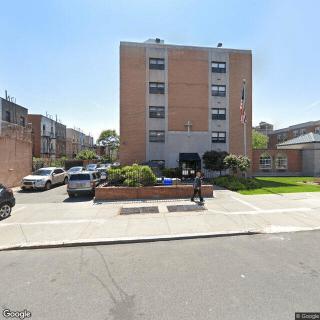
      pro Provides care and support for elderly residents, with designated wheelchair areas and mounted TVs for entertainment.

    • Geri-Care Systems Inc

      Geri-Care Systems Inc

      Brooklyn, NY

      3.2 from 49 reviews
       

      pro Strong access to nearby healthcare, parks, dining, and transit.

    • Norwegian Christian Home

      Norwegian Christian Home

      Brooklyn, NY

      3.3 from 47 reviews
       

      pro Excellent access to nearby amenities and services (healthcare, dining, parks, transit, culture).

    • The Belvedere

      The Belvedere

      Brooklyn, NY

      4.1 from 67 reviews
      $3,750 to $5,250 / month

      pro Warm, attentive staff and clean, apartment-style living.

    • Norwegian Christian Home And Health Care Center

      Norwegian Christian Home And Health Care Center

      Brooklyn, NY

      3.3 from 47 reviews
       

      pro Comprehensive 24/7 care with ADL support and on-site amenities (dining, fitness, salon, library).

    • Boro Park Center For Rehabilitation And Healthcare

      Boro Park Center For Rehabilitation And Healthcare

      Brooklyn, NY

      4.6 from 100 reviews
       

      pro Comprehensive care with 24/7 supervision, ADL assistance, medication management, and restaurant-style dining.

    • Signature Senior Living

      Signature Senior Living

      Brooklyn, NY

      3.8 from 102 reviews
      $3,700 to $3,800 / month

      pro Caring staff and a variety of resident activities.

    • Ateret Avot

      Ateret Avot

      Brooklyn, NY

      3.9 from 10 reviews
      $6,500 / month

      pro Home-like Heimish atmosphere with friendly staff and well-appointed, hotel-style rooms.

    • N Y Congregational Nursing Center

      N Y Congregational Nursing Center

      Brooklyn, NY

      4.1 from 106 reviews
       

      pro Clean, comfortable setting with responsive staff and engaging activities.

    Related Resources

    • palliative care at homeExploring Palliative Care in the Home: A Comprehensive Overview

      Palliative care enhances the quality of life for seriously ill patients by providing comprehensive support at home through a multidisciplinary team, addressing various needs and prioritizing comfort over curative treatments. While it offers personalized care and involves family in decision-making, challenges like caregiver stress and logistical issues persist, with growing demand prompting advancements in technology and healthcare policies to improve access.

    • palliative care at homeComprehensive Insights into Palliative Home Care: What It Is and What to Expect
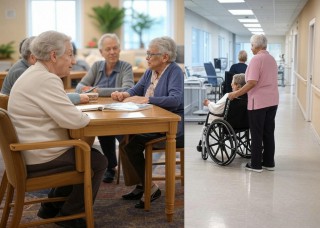
      Palliative home care focuses on improving the quality of life for individuals with serious illnesses by providing comfort, symptom management, and emotional support in their own homes. This approach includes personalized care plans, regular assessments, and resources for family caregivers, all while prioritizing person-centered treatment that aligns with patients' goals.

    • skilled nursing facility vs nursing homeSkilled Nursing Facilities vs. Nursing Homes: Making Sense of the Differences
      Skilled nursing facilities (SNFs) provide high-level medical care and rehabilitation for short-term recovery, typically covered by Medicare after hospitalization, while nursing homes focus on ongoing custodial care for chronic conditions, mainly funded by Medicaid or private payments. The staffing and regulatory structures differ significantly between the two, necessitating clarity for families in choosing appropriate long-term care options.


    Get Pricing Ask A Question Schedule A Tour Contact Senior Advisor