Norwegian Christian Home in Brooklyn, NY
Save1270 67th St, Brooklyn, NY 11219
For more information about senior living options: (844) 490-3973
Norwegian Christian Home in Brooklyn is best suited for families seeking a faith-informed, sub-acute rehab environment where skilled therapists and a generally clean, home-like setting can translate into tangible mobility gains. The community shines for residents recovering from surgeries or hospital stays who want a practical, no-nonsense rehab trajectory delivered by a team that includes dedicated physical and occupational therapists, nurses, and a social-work staff that communicates with families. When the priority is a facility that feels calm, welcoming, and capable of practical rehabilitation moments, this community delivers outcomes that many families value, reinforced by a visible dependent-recovery mindset and a reverent, supportive atmosphere.
Those who may want to consider alternatives include families that prioritize iron-clad medical oversight and consistently high staffing ratios around the clock. Several reviews flag serious concerns about responsiveness, hygiene, and medical judgment, especially during emergencies or critical moments. If a loved one requires constant, uncomplicated access to a physician, immediate nurse response, and unambiguous escalation of urgent problems, these reports suggest that another facility with stronger, more reliable 24/7 medical governance could be a safer match. Families with prior experiences of understaffing, delayed call-bell responses, or difficulty obtaining timely ambulance services may legitimately pursue other options where medical leadership has a more uniformly documented track record.
On the upside, the rehab and therapy dimensions are repeatedly cited as strong positives. Commenters highlight compassionate, capable therapists who help residents regain function, with names like Miriam and Ian standing out for their effectiveness. The nursing team is praised in many accounts for genuine care and attentiveness, and the setting itself tends to feel clean, orderly, and reasonably well maintained. For families focused on recovery speed and functional outcomes, the combination of a clean environment, accessible amenities, and a robust rehab program can offset a good deal of administrative or staffing friction, provided the resident's day-to-day needs are consistently attended to by a reliable team.
However, the most cautionary threads in the feedback revolve around care quality and safety lapses. A substantial portion of reviews portray episodes of neglect, with residents left in soiled conditions for extended periods, inconsistent medication administration, and delays in calling for ambulances or addressing urgent medical crises. Specific reports allege unresponsiveness to call bells, overextended aides, and concerns about the leadership or responsiveness of certain night-shift staff and managers. The gravity of such accounts - ranging from poor hygiene to potentially life-threatening delays - cannot be dismissed. Taken together, these patterns point to a facility where daily operations and clinical oversight can vary greatly by shift, raising legitimate safety questions for families with high-acuity or high-sensitivity needs.
The key question becomes how much the proven rehab strengths can offset the serious risk signals. For families whose top priority is effective physical recovery and a supportive, faith-led community, the strong therapy results and the overall atmosphere may justify a measured risk - especially if proactive family involvement and diligent on-site oversight are in place. Conversely, for those whose loved one demands unwavering medical vigilance, rapid response, and impeccable infection control, the reported inconsistencies present a compelling case to look elsewhere. The facility's aesthetic appeal and quiet, homelike feel do not erase the reality of reported, high-stakes care gaps that some families endured.
In the end, a prudent decision hinges on a rigorous on-site vetting process and clear expectations. Prospective families should tour with the therapy director and the nursing leadership present, ask to review recent state surveys and any incident logs, and request specific references from families who faced urgent scenarios. It is wise to observe call-bell responsiveness during a shift change, inspect cleanliness and supply levels, and confirm how med-pass, vitals, and emergency transfers are managed on a day-to-day basis. If the answers align with a disciplined, transparent care plan and a commitment to safety, Norwegian Christian Home can be a solid rehab-focused choice. If they do not, exploring other Brooklyn-area skilled-nursing or rehab facilities with stronger uniformity in medical oversight and staffing is strongly advised.
The Norwegian Christian Home in Brooklyn, NY offers a warm and supportive environment for seniors seeking independent living options. This assisted living community provides a range of services and amenities to meet the needs of its residents.
Situated in a convenient location, the Norwegian Christian Home is surrounded by various facilities to ensure that residents have easy access to essential amenities. With two cafes nearby, residents can enjoy a cup of coffee or a meal without having to venture too far from home. Additionally, there are 6 parks nearby where residents can engage in outdoor activities and enjoy the beauty of nature.
Ensuring the well-being of its residents is a top priority at the Norwegian Christian Home. With 23 pharmacies nearby, it is convenient for seniors to obtain their medications and healthcare supplies. In case immediate medical attention is required, there are two physicians nearby who provide accessible healthcare services to residents.
For those looking to dine out or enjoy different culinary experiences, this community has seven restaurants located nearby offering a variety of cuisines. Additionally, with 16 transportation options available in close proximity, it is easy for residents to travel around the neighborhood and beyond.
To enrich the cultural experiences of its residents, the Norwegian Christian Home benefits from being near one theater where seniors can enjoy live performances and entertainment. Furthermore, having four hospitals nearby provides peace of mind knowing that quality medical care is easily accessible if needed.
Overall, the Norwegian Christian Home in Brooklyn, NY offers a comfortable and convenient environment for independent living seniors. With an abundance of nearby amenities and services available at their fingertips, residents can maintain an active lifestyle while receiving any necessary support they may require.
This part of Brooklyn, New York, offers a range of amenities and services that may be appealing for senior living. There are several pharmacies within close proximity, making it convenient to access medication and healthcare supplies. Additionally, there are reputable hospitals nearby such as Maimonides Medical Center and NYU Langone Hospital Brooklyn for any medical needs. The area is well-connected in terms of transportation with multiple subway stations within a few miles, providing easy access to the rest of the city. For leisure and recreation, there are several parks like Sunset Park and Louis Valentino Jr Park & Pier nearby. There are also diverse dining options with restaurants like L & B Spumoni Gardens and Nathan's Famous in close proximity. Overall, this area offers a mix of essential services, cultural attractions, and recreational opportunities that could make it a desirable location for senior living.
Norwegian Christian Home is located at 1270 67th St, Brooklyn, NY 11219 in Kings County, New York
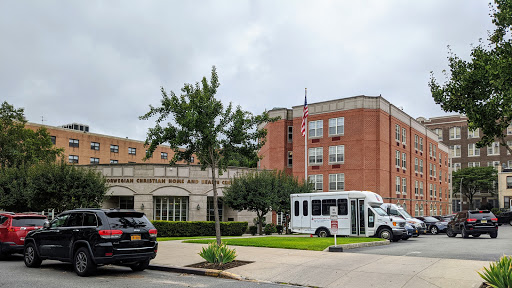
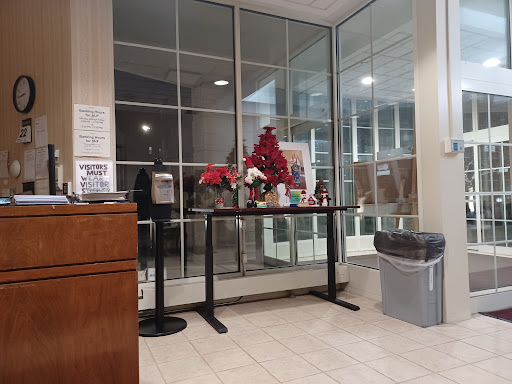
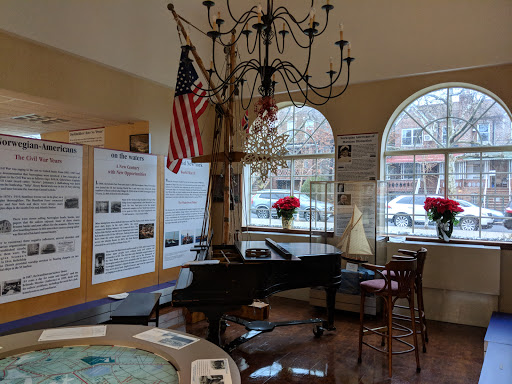
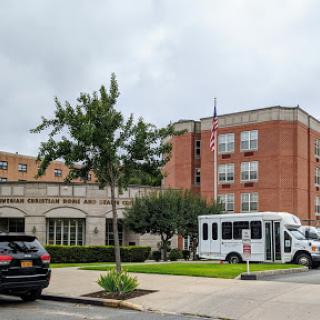
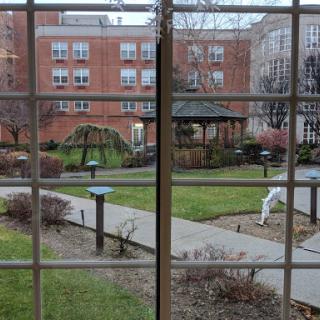
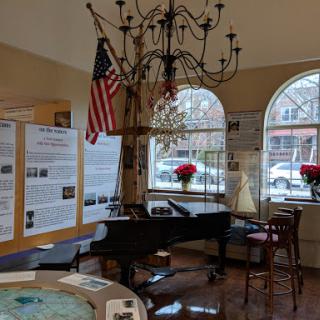
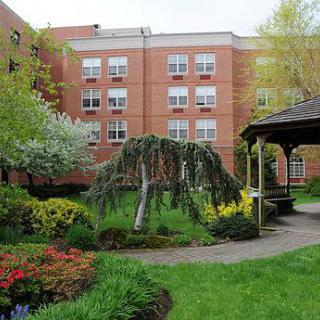
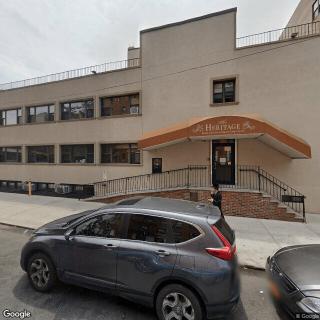
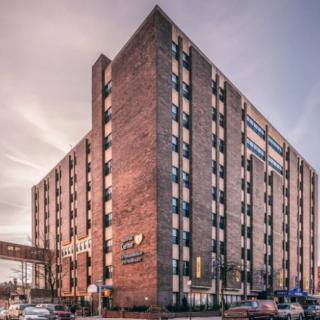
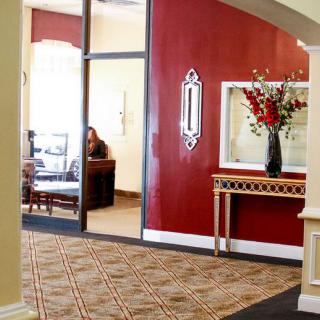
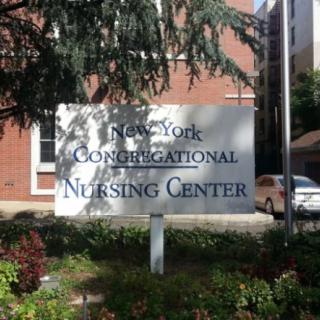
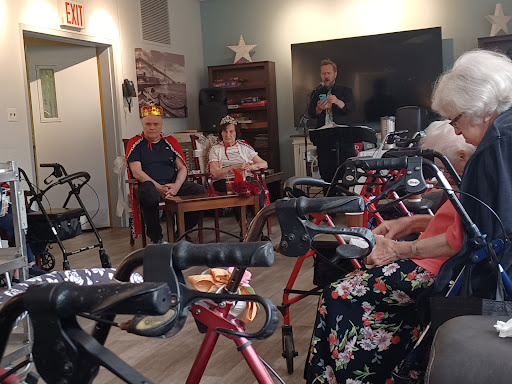
Norwegian Christian Home on seniors.fyi includes 11 photos including images showing interior, windows, urban, decor, building, flag, road, tree, and more.
Vibrant Senior Living: A Comprehensive Guide for Active Older Adults
Vibrant Senior Living emphasizes active senior living communities that promote independence and engagement through diverse amenities and activities, fostering wellness and social interaction among older adults. These communities range from independent to assisted living, with a focus on personal growth, family involvement, financial planning, and leveraging technology to enhance residents' experiences.
Transitioning from assisted living to memory care is driven by an individual's cognitive decline and specific needs, requiring careful evaluation of indicators like increased confusion and wandering. The process involves consulting medical professionals, researching suitable communities, considering financial and legal aspects, and ensuring effective communication for personalized care plans.
Assisted Living and Memory Care: Understanding Their Core Differences

Assisted living provides moderate support for seniors seeking independence, while memory care offers specialized support for individuals with dementia or cognitive impairments through structured routines and trained staff. Key differences include care approaches, environment security measures, staff training levels, activity types, and cost considerations.