

6206 16th Ave, Brooklyn, NY 11204
To contact a resident: (718) 621-3600
For more information about senior living options: (866) 208-4318
Metropolitan Jewish Health Costs & Pricing
Metropolitan Jewish Health offers competitive pricing for its care services, especially when compared to the broader costs in Kings County and across New York State. For a semi-private room, the monthly rate at Metropolitan Jewish Health is $3,960, which is notably lower than the Kings County average of $4,426 and the state average of $4,389. Similarly, their private room rate stands at $4,950, which again is more economical than both Kings County's $5,284 and New York's $5,159 rates. These figures highlight Metropolitan Jewish Health's commitment to providing quality care at accessible prices within a challenging healthcare landscape.
| Floor plans | Metropolitan Jewish Health | Kings County | New York |
|---|---|---|---|
| Semi-Private | $3,960 | $4,426 | $4,389 |
| Private | $4,950 | $5,284 | $5,159 |
Skilled Nursing Facilities with a similar price nearby
-
from -$310 / mo
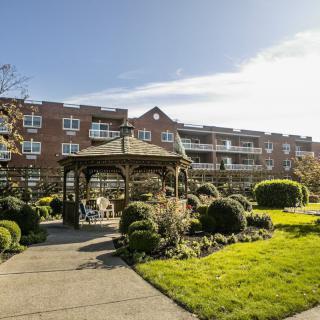
Plattduetsche Home Society
$3,650 to $6,250 / month17.3 miles away -
from +$640 / mo
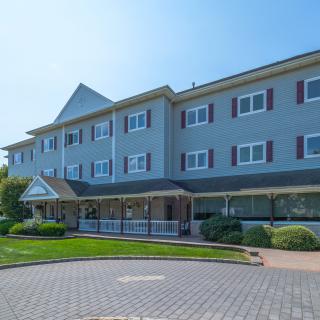
Bayside Manor
$4,600 to $5,200 / month14.7 miles away -
from +$570 / mo
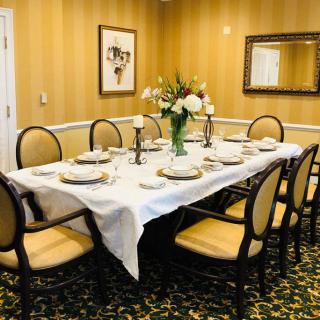
Brandywine Living At The Sycamore
$4,530 to $7,680 / month21.6 miles away -
from -$780 / mo
Whispering Knoll
$3,180 to $5,130 / month19.2 miles away -
from +$340 / mo
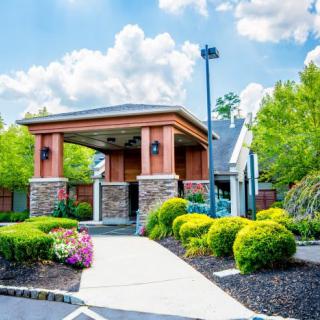
Arbor Terrace Middletown
$4,300 to $5,200 / month16.6 miles away
Overall Review of Metropolitan Jewish Health
Cons
 The workers arenā€™t professional and are very arrogant to visitors.
- The food is beyond edible.
- The staff are allowed to talk on cell phones during working hours.
- The elderly in wheelchairs are all in one area with only a television mounted on the wall, and they look like cattle.
- No one checks on the elderly to ask if they need anything, like a cup of water or their television turned on.
- The reviewer suggests keeping loved ones at home, not with uncaring strangers.
Review
Metropolitan Jewish Health in Brooklyn is best suited for families seeking a traditional, faith-aligned care setting within a Jewish health network and who are comfortable with a straightforward, no-frills operation. The campus is likely appealing to households that want predictable routines, solid medical oversight, and a sense of cultural continuity, without chasing boutique amenities. This is not a premium hospitality model; it is an institutional environment where care is expected to be present, but the warmth and individualized attention can vary from shift to shift. For families prioritizing a dependable structure over luxury, this community could be a practical option to evaluate.
Those who should consider alternatives are families needing consistently warm interpersonal care, highly responsive bedside support, and a resident life program that feels lively. The available feedback raises red flags about staff demeanor and engagement: reports of unprofessional behavior, arrogance toward visitors, and the perception of a cold, impersonal atmosphere. If meals, hydration, and proactive comfort checks are non-negotiables, or if daily life for a resident hinges on sustained staff connection and encouragement, other facilities with stronger front-line engagement and a more compassionate culture will likely serve better.
The pros and cons here are starkly lopsided. On the positive side, the facility sits within a regulated care framework and a stable health-network environment, which can offer predictable policy adherence and medical oversight. Yet this is not enough to counterbalance core complaints about the front-line experience. A second review assigns a 2-star rating, underscoring a polarized impression that the operational strengths do not consistently translate into humane, attentive care. A separate 5-star account shows how dramatically experiences can diverge, but the negative narrative dominates the practical calculus for families weighing daily quality of life.
What unfolds in daily life, based on the accounts, is troubling. An image of residents in wheelchairs grouped in a single area with only a wall-mounted television suggests limited social stimulation and a lack of individualized attention. Observations of staff using cell phones during work hours and not routinely checking on residents, no one offering water or adjusting a television, point to missed opportunities for basic comfort and dignity. The emotional climate described feels unwelcoming and, for families, carries real concerns about warmth, engagement, and the sense that staff view care as a set of tasks rather than a calling.
For families actively evaluating, the practical path is to look beyond the glossy assurances and demand concrete, verifiable measures. During visits, observe interactions across shifts, not just with management. Request candid conversations with frontline caregivers about routines, response times, and how care plans are implemented day-to-day. Sample meals or probe the menu, including how dietary needs are accommodated and how meals influence overall well-being. Inquire about activity calendars, transportation, family involvement opportunities, and hydration protocols. Ask for staffing data, turnover rates, supervisory routines, and recent quality metrics to gauge whether promises align with lived experience.
The bottom line is clear: this community presents a mixed, even troubling, picture for families seeking consistently compassionate, attentive care. If safety, routine reliability, and a professional health framework matter but must be paired with real warmth and proactive resident engagement, serious due diligence is essential before making a move. For those who can tolerate or tolerate improvements in care culture, a careful, in-person vetting process is non-negotiable, insist on minimum staffing guarantees, visible supervisory rounds, and written plans for meals, hydration, and social interaction. In the end, the choice should rest on firsthand impressions from residents and staff, ensuring dignity, comfort, and dependable daily support become the standard, not the exception.
 Skilled Nursing Facility
 Newark International (10 miles away)
 Strong access to nearby healthcare, parks, dining, and transit.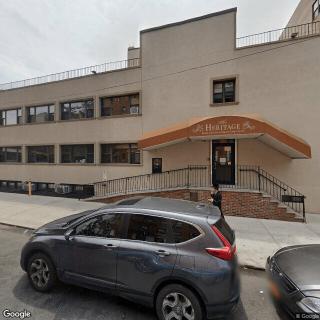


 A Comprehensive Exploration of Common Misunderstandings about Powers of Attorney
 Senior Move Management: Understanding the Role, Value, and Associated Costs
 Weight Training for Seniors: Building Strength and Vitality