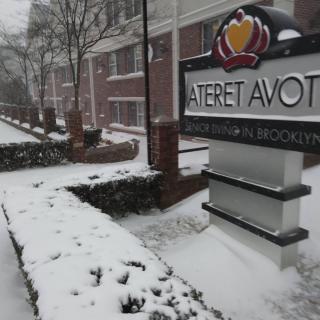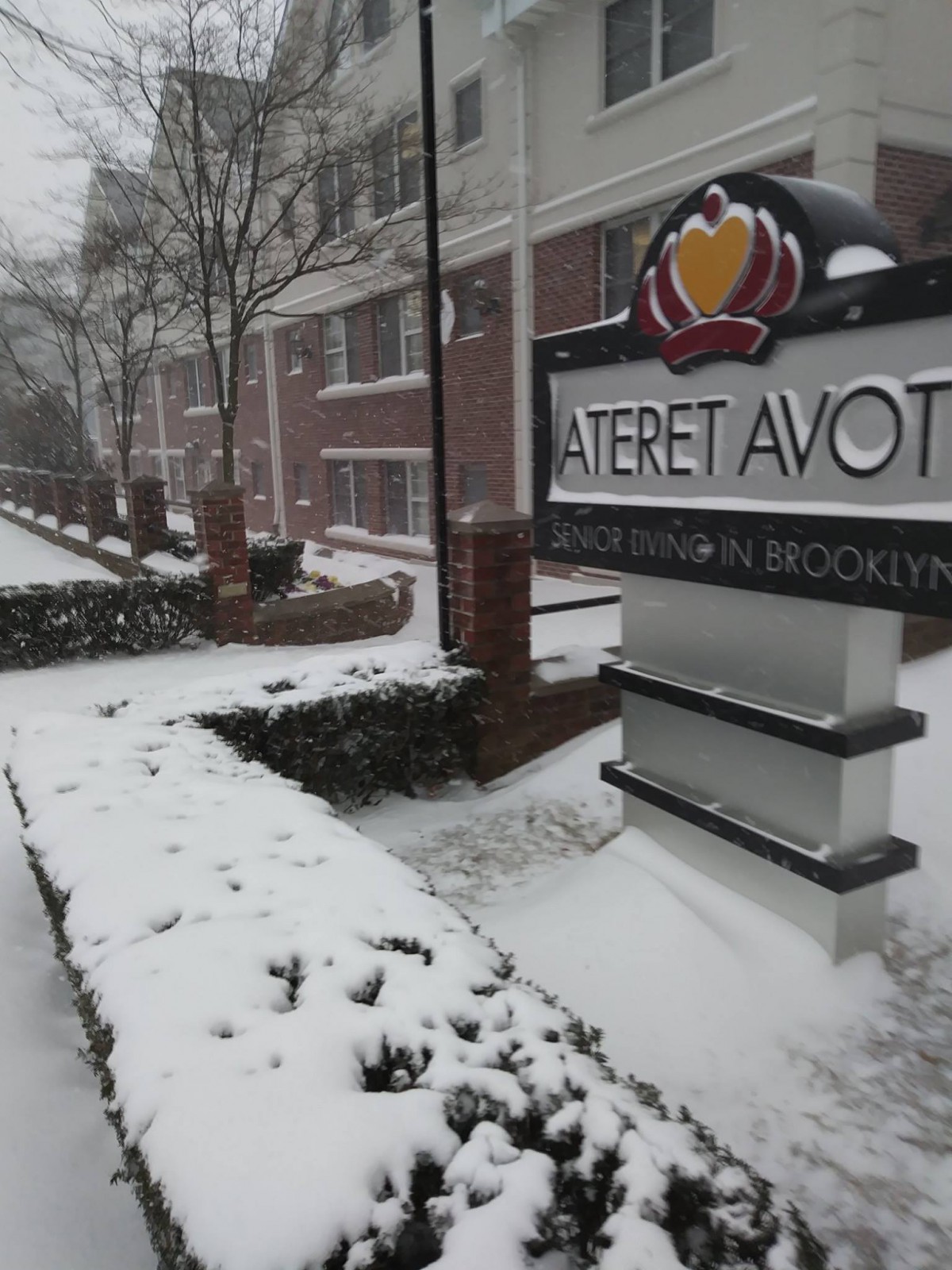


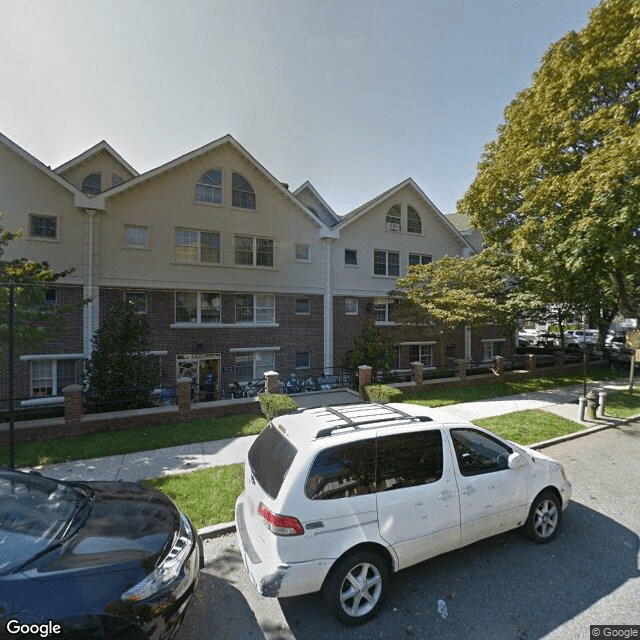
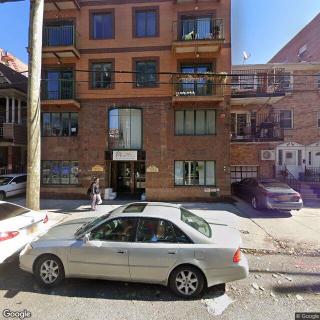
1410 East 10th Street, Brooklyn, NY 11230
To contact a resident: (718) 998-5400
For more information about senior living options: (866) 208-4318
Ateret Avot Costs & Pricing
At Ateret Avot, the cost of a studio room is set at $6,500 per month, which is notably higher than both the average in Kings County at $5,461 and significantly more than the overall state average of $4,532. This pricing reflects Ateret Avot's commitment to providing a premium living experience, potentially justifying the higher costs through enhanced amenities or services that cater to its residents' needs. While it may present a financial consideration for prospective residents, it also underscores Ateret Avot's positioning as a distinguished option within the broader housing landscape of New York.
| Floor plans | Ateret Avot | Kings County | New York |
|---|---|---|---|
| Studio | $6,500 | $5,461 | $4,532 |
Independent Living communities with a similar price nearby
-
About the same
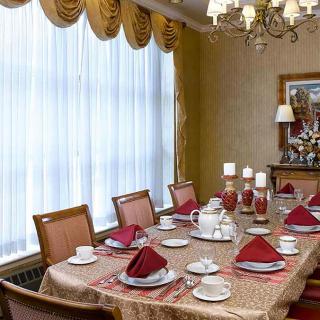
Atria Forest Hills
$6,495 to $7,495 / month10.0 miles away -
About the same
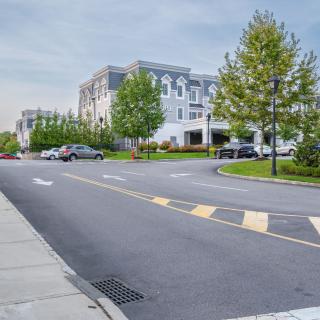
Encore Luxury Living
$6,500 / month24.7 miles away -
from -$1105 / mo

Atria Cutter Mill
$5,395 to $7,795 / month16.9 miles away -
from -$1100 / mo
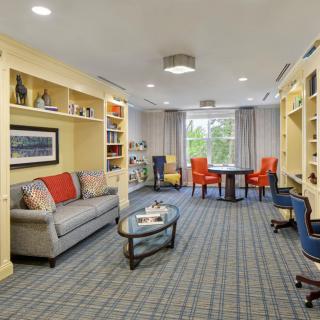
The Chelsea at Shrewsbury
$5,400 to $9,000 / month20.3 miles away -
from -$1050 / mo
Carnegie East House
$5,450 to $7,000 / month11.7 miles away
Overall Review of Ateret Avot
Pros
 The staff and aides are caring and attentive.
- Alan, the director of recreation, is an awesome fellow who really cares.
- The facility serves delicious kosher food.
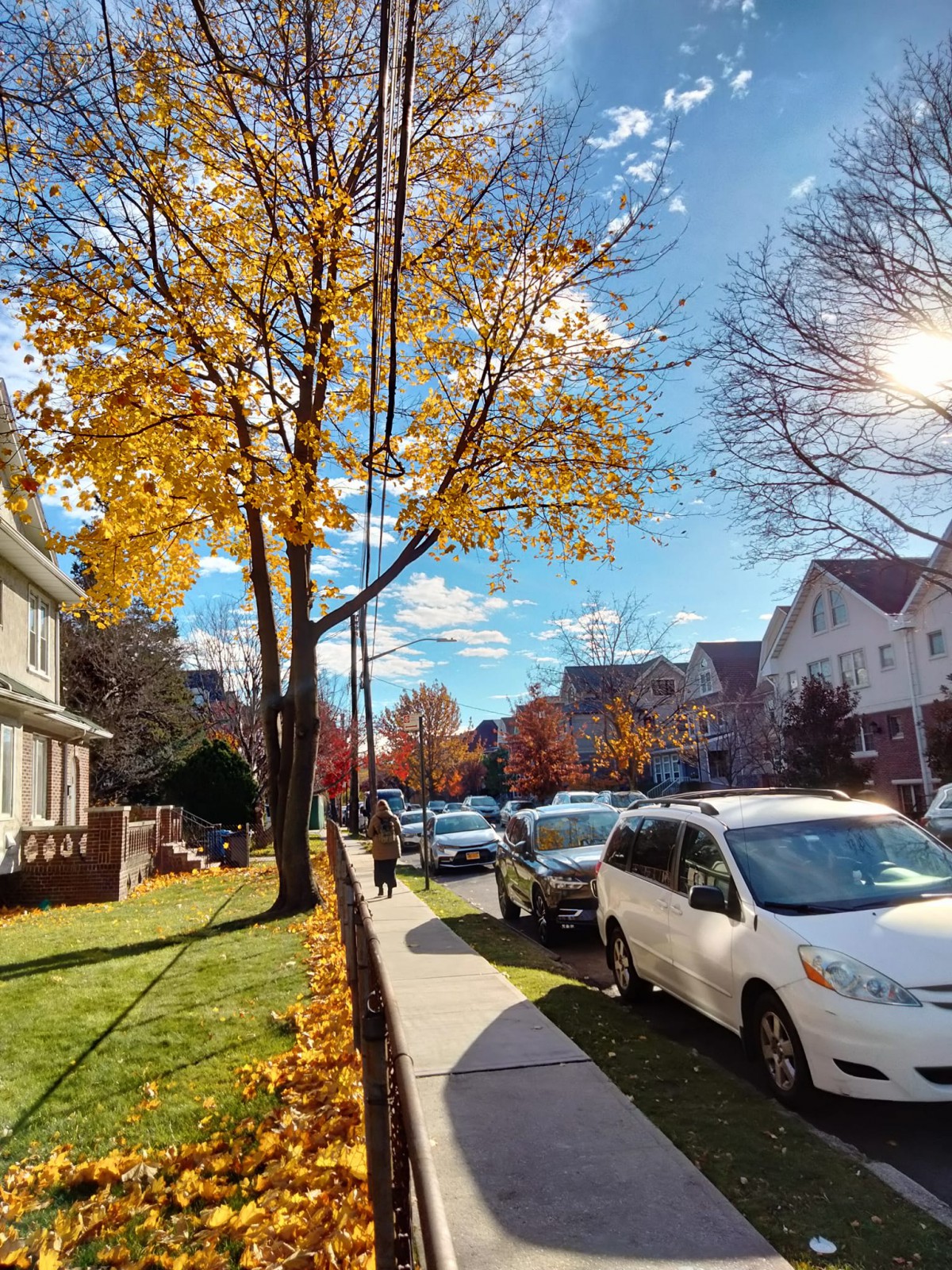
- It has a central location.
- The campus is beautiful.
- There are lots of activities to keep residents active and engaged.
- It feels Heimish, like home, with a family-like atmosphere.
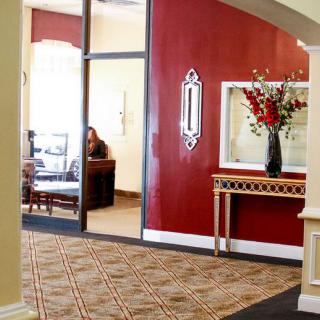
- The rooms are nicely sized, clean, and decorated in a renovated hotel-style.
- The facility is very clean and odor-free, offering what elderly residents need.
Cons
 However, they need more activities for them.
Review
Ateret Avot is best suited for Jewish seniors who want a small, home-like community in Brooklyn where faith and family feel are woven into daily life. This is a place where residents and families quickly sense belonging, thanks to a heimish atmosphere, a central location, and a staff culture that reads as genuinely caring. It fits families seeking proximity, easy visitation, and a setting that emphasizes warmth, familiarity, and active daily living rather than a large, impersonal campus.
The strongest selling points are the people and the culture. Multiple reviewers highlight staff and aides who are attentive, cheerful, and genuinely engaged in residents’ well‑being. The recreation director, Alan, is repeatedly singled out as a standout, emblematic of a team that treats residents with respect and genuine warmth. The environment feels like a close-knit family, with residents who are regularly seen participating in activities, chatting with neighbors, and moving through a well-organized day. Kosher meals and a social calendar underscore a lifestyle that aligns with traditional expectations for many families, while the central Brooklyn setting keeps amenities, doctors, and family visits within convenient reach. The campus itself is described as beautiful and well maintained, with hotel-style rooms that feel comfortable and inviting.
However, the community is deliberately small and intimate, which is a double-edged sword. On one hand, the compact size fosters a sense of belonging and easy accessibility to staff; on the other, it can feel limiting for families seeking a wider array of services, more expansive programming, or more comprehensive on-site medical resources. One reviewer notes that, despite many activities, there is a sense that more variety could be beneficial. The same sentiment echoes the reality of a program that, while lively, may not match the breadth of offerings found in larger campuses. The rooms are described as pleasant and well-kept, but the emphasis on a cozy, domestic feel may translate to fewer high-end amenities or advanced care options typically associated with bigger assisted living communities. Families should factor in medical oversight and memory care needs when evaluating whether the small environment can sustain evolving care requirements.
These dynamics offset each other in practical ways. For seniors who prize belonging, personal connections, and a lively, family-like rhythm, the pros far outweigh the cons: a dedicated staff culture, a welcoming and heimish vibe, and a location that makes family involvement straightforward. The kosher kitchen, central access, and a robust calendar of activities provide meaningful daily structure and social engagement that can mitigate concerns about the intimate footprint. For residents who thrive on consistent, personable interactions and a warm community narrative, Ateret Avot can deliver a quality living experience that feels like home rather than a clinical setting.
That said, certain residents may want to consider alternatives. If on-site medical acuity, memory-care specialization, or a broad spectrum of advanced therapies is a priority, a larger campus with more formalized clinical capabilities may be a better fit. Those who do not require strict kosher dietary adherence or who desire a more secular or non-Jewish environment might also find options that align more closely with their preferences. Families seeking a wide variety of specialized programming, or a campus with expansive common areas and the potential for greater privacy, may prefer other communities that can scale services to higher levels of care without sacrificing a sense of community.
For decision-making, tours and conversations with current staff are essential. Prospective families should ask about how activity offerings are balanced throughout the week, how memory-related needs are addressed, and what contingency plans exist if medical needs intensify. Observing resident interactions during visits, noting how staff respond to questions, and assessing how the environment supports both independence and supervision will reveal whether Ateret Avot’s homey, engaged ethos will meet evolving expectations. In short, this community serves well for those prioritizing belonging, Jewish community life, and a warm, neighborly cadence, while families with higher medical needs or a demand for broader programming may want to explore nearby alternatives.
 Independent Living
 Activities off-site
 Bath tubs
 Beautician on-site
 Devotional services off-site
 Indoor common areas
 Outdoor common areas
 John F Kennedy International (10 miles away)
 Ambulatory care
 Diabetic care
 Medication management
 Kosher


 In-Depth Look at the VA Aid and Attendance Program
 Nurturing Our Loved Ones: A Daughter's Journey in Caring for Her Mother
 Nurturing Our Elders: Linda's Journey of Supporting Her Mother