

1455 Coney Island Ave, Brooklyn, NY 11230
To contact a resident: (718) 252-9800
For more information about senior living options: (866) 208-4318
Overall Review of Brooklyn Center for Rehab & Res. Health
Pros
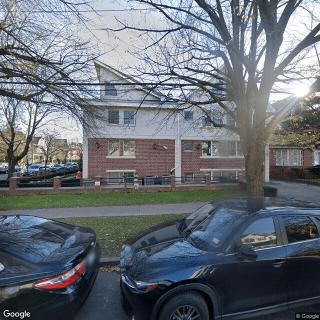
 The facility is beautiful and clean.
- It is praised as an A++ facility that strives to help people.
- The staff love what they do, and they help people get better.
- The place is considered good.
- Where staff love what they do, they make people better.
Cons
 The facility needs to be refreshed and is very overcrowded.
- The staff are not friendly at all.
- Loved ones are kept in the day room to fall asleep.
- The place should be shut down; there are mice traps everywhere and five patients in one room.
- A relative died there due to lack of attention.
- The place is horrible.
- The facility is a dump, a warehouse of people with issues, with a bad atmosphere.
- It is the most disgusting place in Brooklyn; nurses and staff are rude and patients are neglected.
- The pictures do not reflect the reality; the place looks nothing like the pictures.
- The call button is behind the bed and unreachable; there is no security to screen visitors.
- There is old furniture, broken beds, and the environment is dirty and disgusting.
- The staff sometimes speak to people in a rude way and the place feels overcrowded and chaotic.
Review
This community is best suited for families with few options who need short-term rehabilitation and are prepared to supervise care closely. The setting can impress on first impressions, the facility’s appearance and cleanliness are frequently noted as positives, but those superficial strengths do not compensate for deeper care concerns. When choices are limited, this location may be considered as a last-resort option, especially for families able to visit often, demand accountability from staff, and advocate for immediate problem-solving. It is not a good fit for anyone seeking reliable, dignified long-term living with consistently attentive support. Prospective residents should enter with the expectation that strong family involvement and explicit care expectations will be non-negotiable.
Alternatives should be strongly considered for those who prioritize safety, steady staffing, and a more orderly environment. In Brooklyn and the surrounding area, options with higher staffing ratios, clearer oversight, and a reputation for responsive care are worth pursuing. Memory-care and long-term assisted-living environments that emphasize individualized attention, smaller room configurations, and verifiable safety protocols deserve careful comparison. If financial constraints push toward a lower-cost option, look for facilities that transparently publish staffing data, occupancy levels, and incident histories, and insist on a no-surprises tour with current residents and their families.
On the positive side, the facility’s basic presentation, overall cleanliness and a modern feel, can be appealing to families seeking a welcoming first impression. A subset of staff and clinicians is described as genuinely dedicated to helping residents improve, suggesting that, in the right moments, competent care is possible within the rehab framework. The move to a new location is noted, which some families weigh as a potential sign of updated space and improved logistics. These elements matter, particularly for short rehab stays where atmosphere and proximity can influence motivation and mood, but they are insufficient to counter ongoing, systemic concerns.
The overwhelming weight of the reviews centers on serious cons: chronic overcrowding, with multiple residents sharing rooms, and reports of rude or disengaged staff. Several accounts describe neglect, delayed response to calls for assistance, and a perceived lack of attention that can worsen health outcomes. Specific safety and quality issues surface repeatedly: oxygen systems not functioning as required, call-bell access obstructed, hot rooms, and aging furniture that feels unsafe. Family testimonials recount unsettling experiences, miscommunication, perceived misrepresentation, and, in the most alarming cases, harm that jeopardizes resident well-being. The accumulation of these experiences creates a climate of distrust and elevates risk for vulnerable residents.
Given the gravity of the main drawbacks, the apparent positives cannot meaningfully offset the fundamental risks. Short-term rehabilitation benefits may exist when staff are engaged and protocols are followed, but they are undermined by overcrowding, inconsistent staffing, and observable gaps in basic safety and resident dignity. The disparity between clean, attractive spaces and actual day-to-day care creates a troubling mismatch that families should weigh heavily. In practice, this means that the facility may deliver adequate rehab content only in a best-case, highly supervised scenario, an arrangement that demands vigilant oversight far beyond what is typical or reasonable for most families.
Bottom line: this Brooklyn center should be treated as a constrained option rather than a preferred choice. Families considering it should insist on an exhaustive, candid tour with current residents and families, request detailed staffing ratios by shift, verify oxygen and vital equipment functionality, and confirm accessibility of call buttons and emergency responses. Prepare a concrete plan for monitoring daily care, and chart a clear path to transition if care quality falters. For most families, exploring alternatives with steadier staffing, tighter safety controls, and proven track records will yield greater peace of mind and more reliable, respectful care for a loved one’s long-term needs.
 Skilled Nursing Facility
 John F Kennedy International (10 miles away)






 Understanding the Full Cost of 24/7 In-Home Care: A Detailed Overview
 Exploring the World of Home Health Nurses: Qualifications, Roles, and Hiring Tips
 Navigating Medicare Coverage for In-Home Care Services