At The Waterford On The Bay, the monthly costs reflect a competitive pricing structure when compared to both Kings County and the broader New York state averages. For those seeking semi-private accommodations, residents will find a monthly fee of $4,313, which falls slightly below the county's average of $4,426 and is also favorable compared to the state's average of $4,389. Studio apartments are priced at $5,313, positioning them competitively just below Kings County's average of $5,461 while remaining noticeably higher than the state's average of $4,532. For families or individuals needing more space, the two-bedroom units are available for $8,561; although this is higher than both Kings County's rate of $10,777 and the state average of $4,786. Overall, The Waterford On The Bay offers a blend of quality and affordability that stands out in this regional market.
Floor plans
The Waterford On The Bay
Kings County
New York
Semi-Private
$4,313
$4,426
$4,389
Studio
$5,313
$5,461
$4,532
2 Bedrooms
$8,561
$10,777
$4,786
Assisted Living communities with a similar price nearby
Many residents and families describe the building as consistently clean.
Residents and families repeatedly point to a spotless, well-kept environment, including common areas, rooms, and bathrooms. Several reviewers also describe the facility as clean and “odor-free,” while others note it can feel more institutional or heavily scented, which affects the home-like feel. Overall, cleanliness comes through as a steady point of comfort for families looking at daily life.
common24 reviews mention this
Staff help and responsiveness stand out
Reviews frequently praise staff for being helpful, friendly, and responsive.
A large share of reviews mention friendly, knowledgeable staff who will assist when needed and keep families informed. People describe attentive day-to-day interactions—everything from assistance with bathing and hygiene to proactive communication with relatives. A smaller number of reviews raise concerns about communication, delays, or staff availability in specific situations, but even those reviews often acknowledge the care team and aids as mixed or situation-dependent.
common14 reviews mention this
Care includes medication and ADL help
Families describe hands-on care such as medication management and daily assistance.
Several reviews describe staff managing medication and helping with activities of daily living, including bathing, toileting, dressing, and transfers. Multiple families say they have peace of mind because staff are checking on residents and addressing needs promptly. At the same time, a few memory-care-focused reviews mention lapses in monitoring, engagement, or follow-through—suggesting that care can vary depending on unit and circumstances.
common16 reviews mention this
Activities keep many residents engaged
Many reviewers say the community offers regular activities and entertainment.
Reviews commonly mention scheduled daily activities such as games, exercise, movie nights, arts and crafts, live performances, and religious or educational programming. Families also describe residents forming social connections through group events. A few reviews note limits during lockdowns or reduced options in memory care, including comments that some residents had fewer ways to participate.
common14 reviews mention this
Kosher dining is a key factor
Dining is frequently discussed, especially the kosher menu.
Residents and families often reference the kosher diet, with some describing meals as nutritious and agreeable and others saying the food is decent or not a complaint. However, several reviews also describe the food as inconsistent—ranging from ordinary or not gourmet to taste concerns and difficulties for residents who are picky or not used to kosher meals. A few reviewers also mention concerns about how meals are delivered or presented to residents in specific situations.
caveat6 reviews mention this
Memory care reviews are mixed
Memory care experiences vary, with both positive and serious concerns.
Some family reviews about dementia or Alzheimer’s units describe attentive supervision, respect, and staff engaging residents and keeping them clean and comfortable. Other reviews are much less favorable, including complaints about limited engagement for residents, residents left in wheelchairs for long periods, and concerns about falls, monitoring, or responsiveness after moving from rehab. Taken together, feedback suggests memory care may work well for some families while others want clearer engagement and stronger follow-through.
caveat10 reviews mention this
Pricing feels higher, but value appears in reviews
Families mention the cost often feels high, even when they feel it matches the care.
Reviewers describe the community as expensive or pricey, while others say it is good value for the services provided. Pricing is discussed in different ways: some families compare it favorably to alternatives, while others cite add-on concerns tied to care needs. With the listing’s pricing range, it may help to compare what is included for the level of care you need before deciding.
How we summarize
Counts show how many written reviews mention each theme; a review can touch several themes, and only frequently mentioned themes are displayed.
Features
Housing
200 resident community capacity
Studio apartments
Types of Care
Assisted Living
Independent Living
Memory Care
Respite Care
Skilled Nursing Facility
Amenities
Activities off-site
Activities on-site
Air-conditioning
Bath tubs
Beautician on-site
Beauty salon
Cable or satellite TV
Computer center
Devotional services off-site
Devotional services on-site
Dining room
Financing advice
Fitness room
Fully furnished
Gaming room
Garden
Guasts at mealtime
Housekeeping services
Indoor common areas
Kitchenette
Laundry
Move-in coordination
Outdoor common areas
Outdoor space
Party space
Private bathrooms
Resident parking
Respite or short term stays offered
Restaurant-style dining
Security gate
Small library
TV room
Telephone
VA Benefits Consultation
Wellness center
Wheelchair accessible showers
Wi-Fi/high-speed internet available
Transportation
John F Kennedy International (9 miles away)
LaGuardia (14 miles away)
Newark International (14 miles away)
Community operated transportation
Transportation & parking
Transportation arrangement
Transportation arrangement (non-medical)
Transportation to doctors appointments
Care Services
12-16 hour nursing
24-hour call system
24-hour supervision
Activities of daily living assistance
Ambulatory care
Assistance with bathing
Assistance with dressing
Assistance with transfers
Diabetes diet
Diabetic care
Incontinence care
Meal preparation and service
Medication management
Mental wellness program
Personal care assistants
Physical therapy
Special dietary restrictions
Dining
Diabetes diet
Guest meals
Kosher
Low / no sodium
Meals provided
No Sugar
Restaurant style dining
Room service
Special dietary restrictions
Vegetarian
Activities
Activities off-site
Art classes
Arts and crafts
Book club
Community-sponsored activities
Concierge services
Cooking classes
Day trips and outings
Devotional activities offsite
Devotional activities on-site
Educational speakers / life long learning
Fitness programs
Games
Happy hour
Karaoke
Live dance or theater performances
Live musical performances
Planned day trips
Religious services
Resident-run activities
Scheduled daily activities
Yoga / chair yoga
Languages Spoken
English
Italian
Russian
Spanish
Videos
Nearby Places of Interest
This section of Brooklyn, New York, offers a mix of urban amenities and recreational opportunities for seniors looking to live in a vibrant community. The area is well-connected by the MTA Subway system, providing easy access to public transportation for exploring the city. There are several pharmacies nearby for convenient access to medications and healthcare needs. A variety of restaurants, including iconic spots like Nathan's Famous and L & B Spumoni Gardens, offer diverse dining options. In terms of healthcare, there are reputable hospitals such as Kings County Hospital Center and Maimonides Medical Center within close proximity. Additionally, there are parks like Sunset Park and Herbert Von King Park where seniors can enjoy outdoor activities and leisurely walks. Nearby cafes like Judy's provide cozy spaces to socialize over a cup of coffee. Overall, this part of Brooklyn offers a lively yet peaceful environment for senior living with ample opportunities for entertainment and relaxation.
Transportation
MTA Subway - Sheepshead Bay (1.1 miles)
MTA Subway - W 8th St/NY Aquarium (2.3 miles)
MTA Subway - Coney Island/Stillwell Ave (2.6 miles)
At The Waterford On The Bay, the monthly costs reflect a competitive pricing structure when compared to both Kings County and the broader New York state averages. For those seeking semi-private accommodations, residents will find a monthly fee of $4,313, which falls slightly below the county's average of $4,426 and is also favorable compared to the state's average of $4,389. Studio apartments are priced at $5,313, positioning them competitively just below Kings County's average of $5,461 while remaining noticeably higher than the state's average of $4,532. For families or individuals needing more space, the two-bedroom units are available for $8,561; although this is higher than both Kings County's rate of $10,777 and the state average of $4,786. Overall, The Waterford On The Bay offers a blend of quality and affordability that stands out in this regional market.
The Waterford On The Bay's comprehensive features are designed to support residents with varying stages of dementia or Alzheimer's disease by ensuring their dignity, safety, and well-being. Around-the-clock supervision allows for immediate intervention and reassurance, while assistance with activities of daily living--including bathing, dressing, and transfers--promotes independence within a secure environment. Incontinence care ensures personal hygiene and comfort, reducing anxiety for both residents and families. Meal preparation and service cater to specific dietary needs and preferences, enhancing nutrition and enjoyment during mealtimes. Medication management is crucial in maintaining health stability by ensuring accurate dosing and compliance. Additionally, the mental wellness program fosters cognitive engagement through tailored activities that stimulate memory and social interaction, while physical therapy supports mobility and physical health, contributing to overall quality of life for residents facing the challenges of cognitive decline.
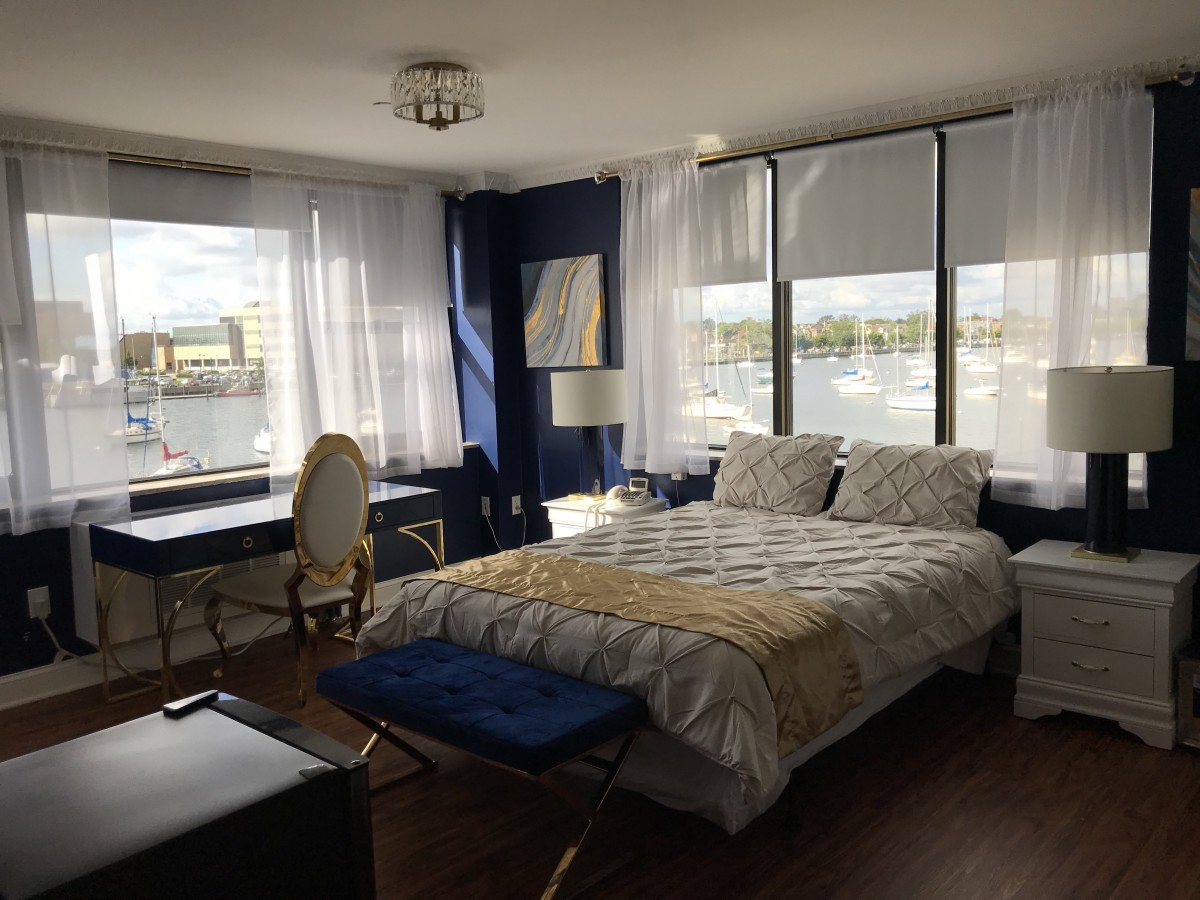
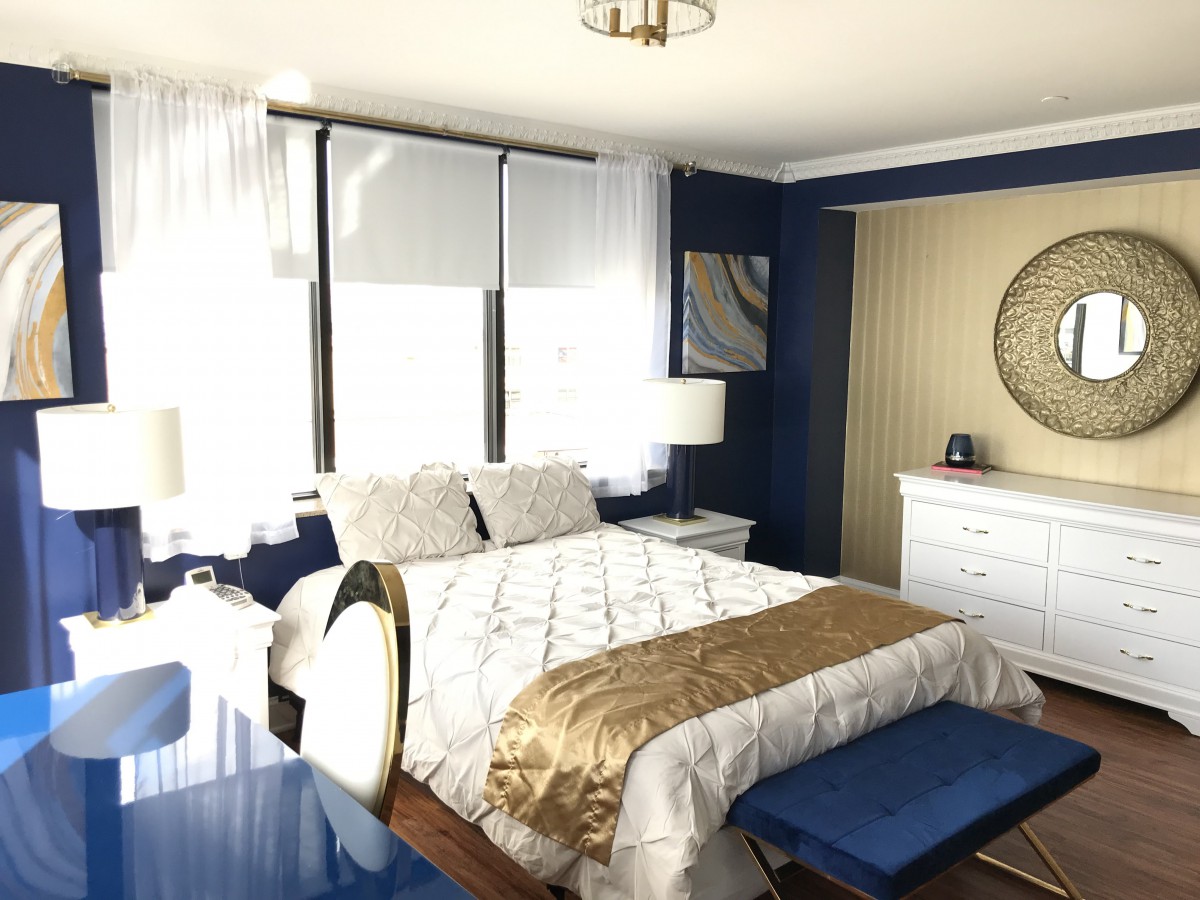
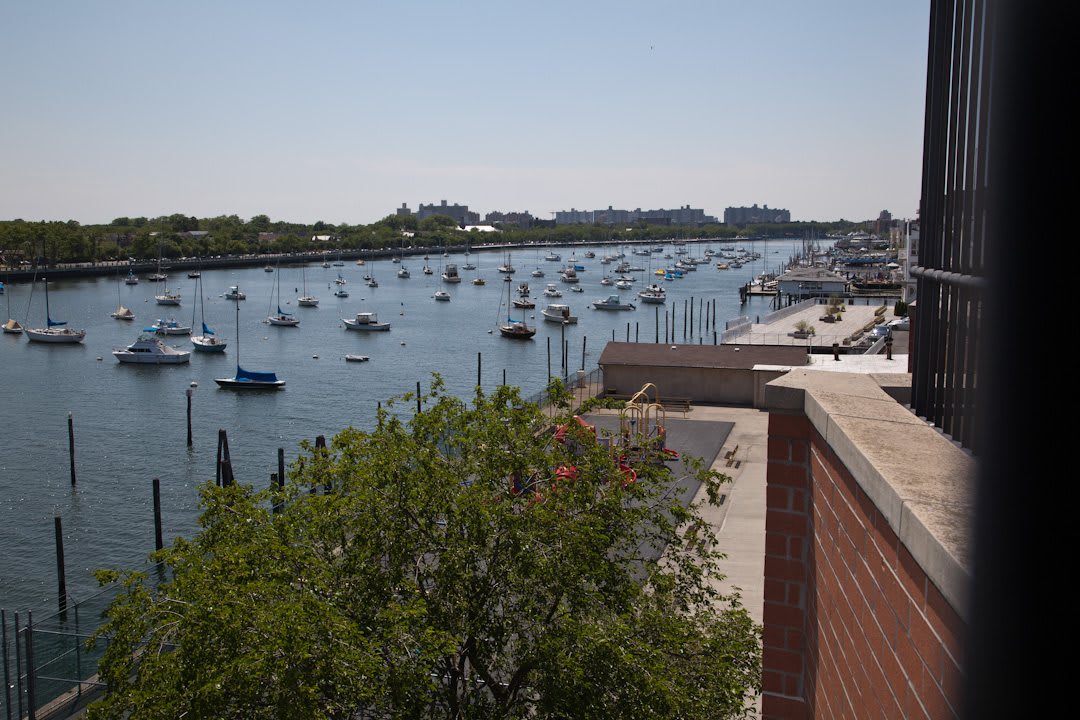
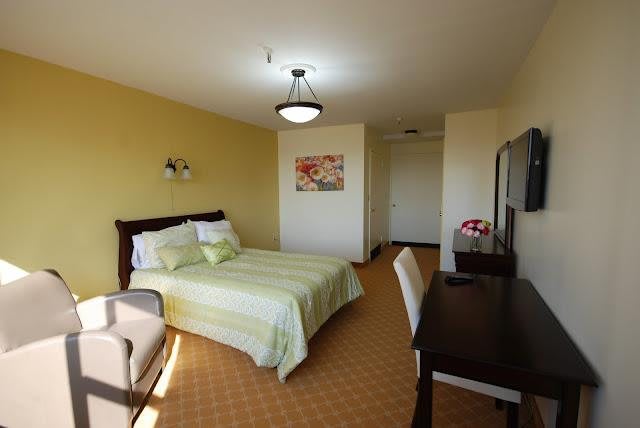
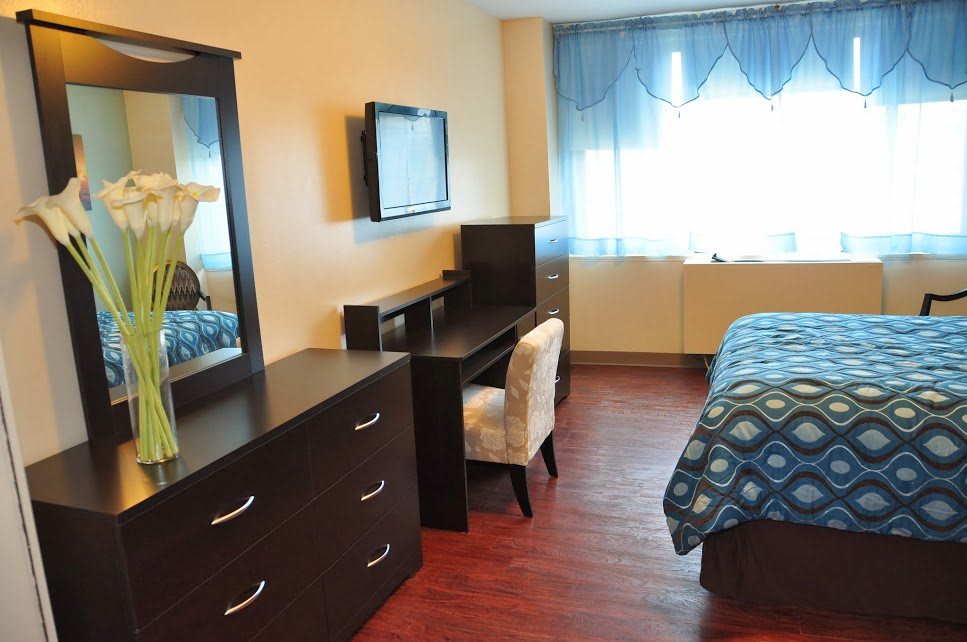
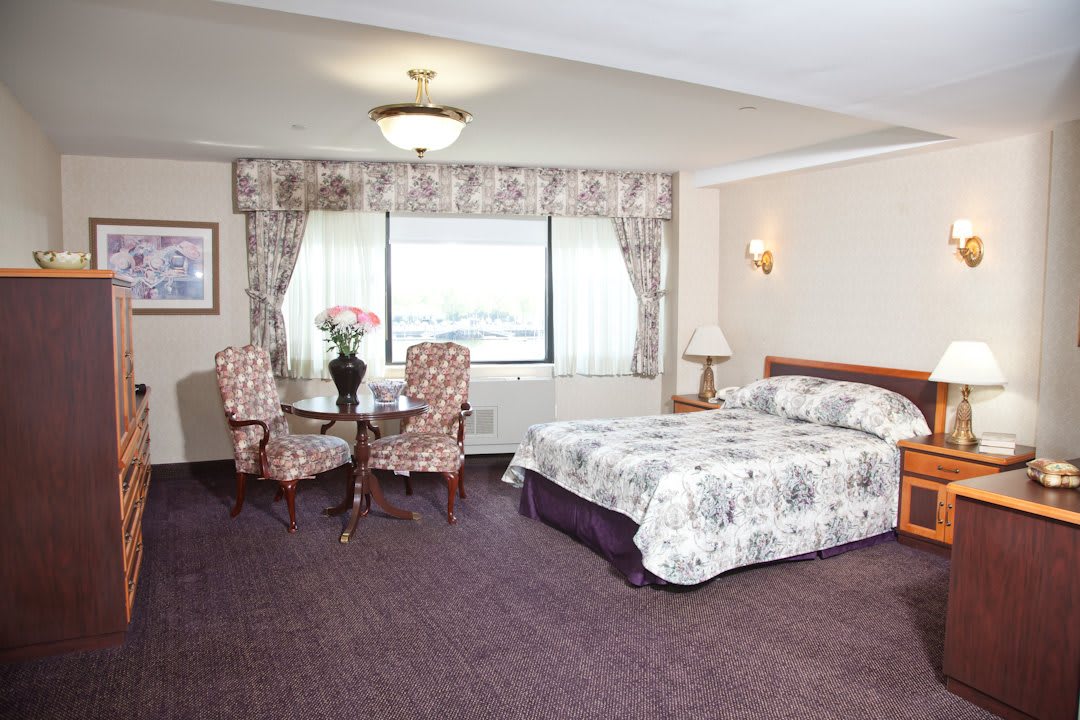
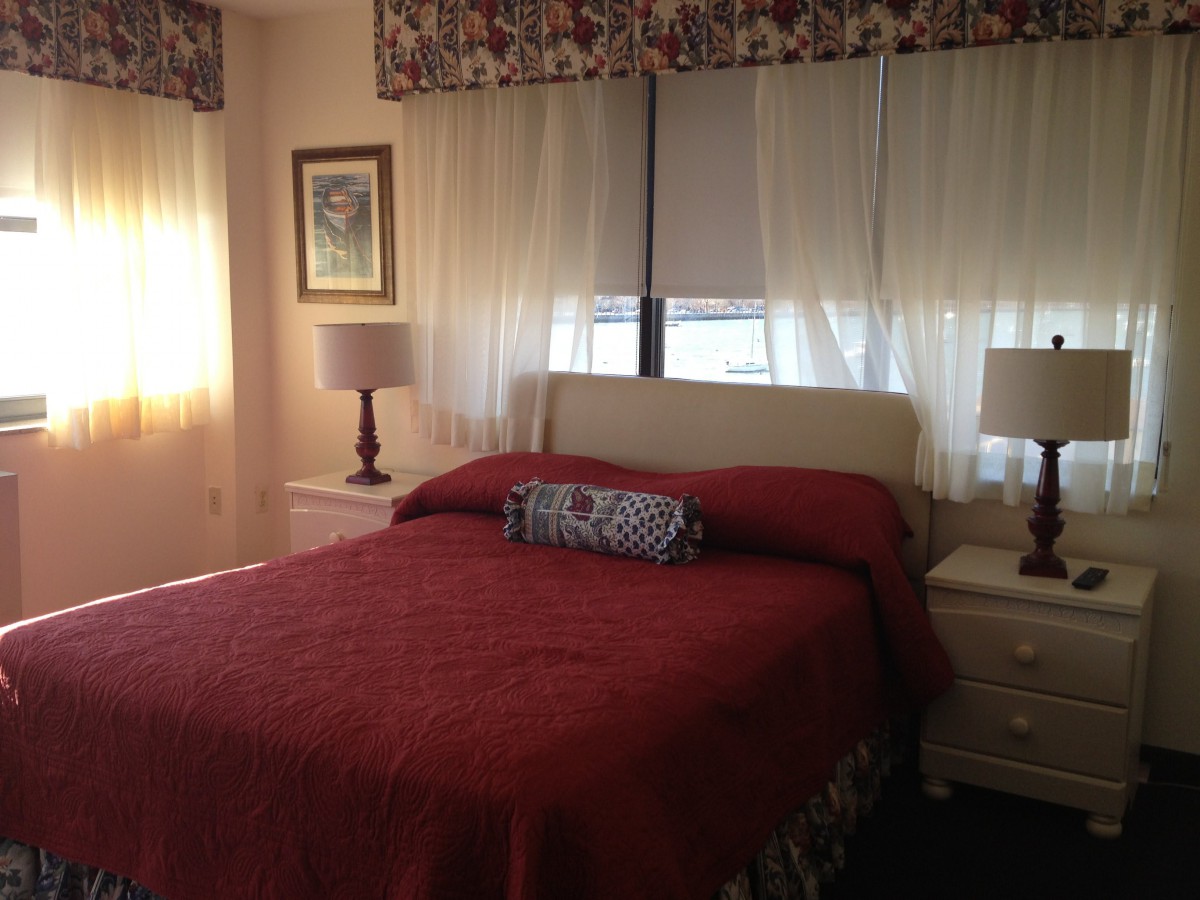
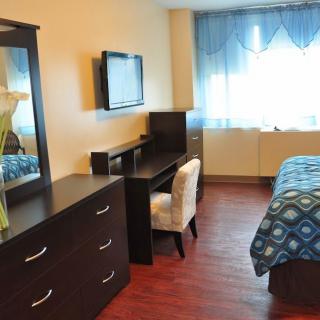
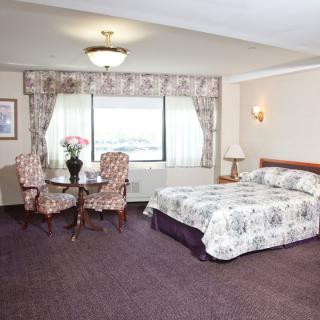
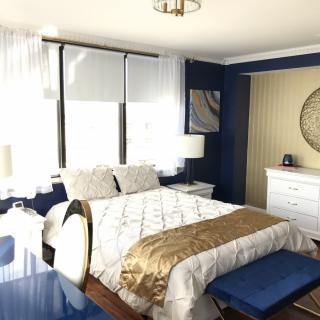
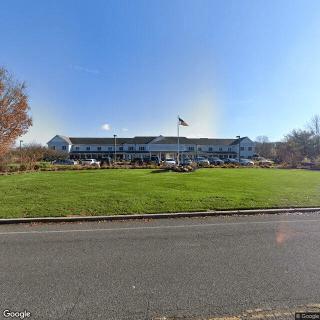
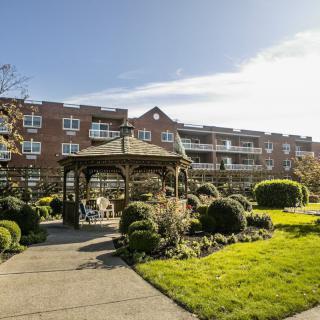
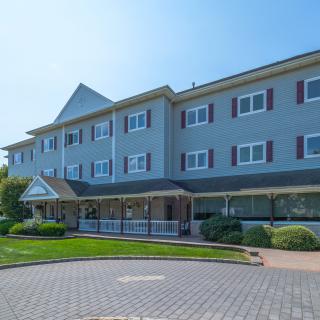
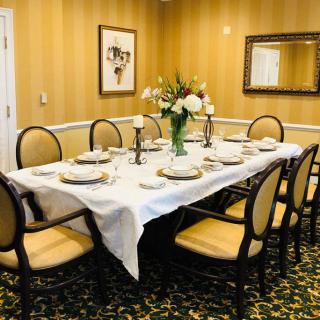
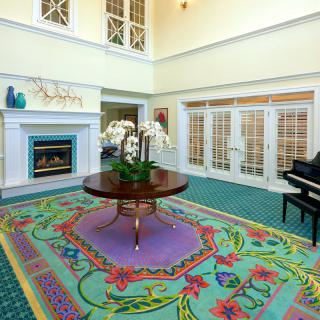
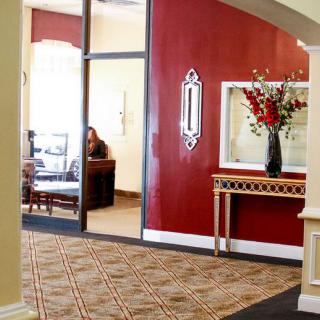
The Waterford On The Bay on seniors.fyi includes 10 photos including images showing bedroom, interior, water, natural light, decor, television, seating area, windows, and more.
Nearby Communities
Sheepshead Nursing & Rehabilitation Center
Brooklyn, NY
4.5 from 116 reviews
24-hour care with supervision, restaurant-style dining, and private, furnished rooms.
Sheepshead Nursing Home
Brooklyn, NY
4.4 from 111 reviews
Friendly, attentive staff and well-designed rehab rooms.
Harborview Senior Living
Brooklyn, NY
3.8 from 70 reviews
$2,500 to $4,000 / month
Caring, attentive staff and engaging activities.
Harbor View Home For Adults
Brooklyn, NY
3.7 from 44 reviews
Accommodating staff with transparent discussions and strong on-site medical support, plus engaging activities and pleasant common areas.
Menorah Home & Hospital
Brooklyn, NY
3.6 from 139 reviews
Clean, well-maintained facility with compassionate staff and effective physical therapy.
Menorah Home & Hospital For Aged & Infirm
Brooklyn, NY
3.6 from 100 reviews
Extensive amenities and 24/7 nursing care.
Ateret Avot
Brooklyn, NY
3.9 from 11 reviews
$6,500 / month
Home-like Heimish atmosphere with friendly staff and well-appointed, hotel-style rooms.
Signature Senior Living
Brooklyn, NY
3.8 from 105 reviews
$3,700 to $3,800 / month
Caring staff and a variety of resident activities.
N Y Congregational Nursing Center
Brooklyn, NY
4.1 from 106 reviews
Clean, comfortable setting with responsive staff and engaging activities.
Transitioning from assisted living to memory care is driven by an individual's cognitive decline and specific needs, requiring careful evaluation of indicators like increased confusion and wandering. The process involves consulting medical professionals, researching suitable communities, considering financial and legal aspects, and ensuring effective communication for personalized care plans.
The article differentiates between assisted living and memory care, explaining that assisted living supports seniors with daily activities while promoting independence, whereas memory care provides specialized services for individuals with dementia, focusing on secure environments and cognitive support. It also addresses staff training, safety considerations, costs, family involvement, and transition strategies for families navigating these care options.
The article outlines effective communication strategies for interacting with loved ones with dementia, highlighting the need for empathy, patience, and understanding while emphasizing supportive approaches like using simple language, minimizing distractions, and focusing on feelings over facts to maintain dignity and foster connection. It also suggests seeking professional guidance when needed as communication challenges evolve.
Get PricingAsk A QuestionSchedule A TourContact Senior Advisor
By clicking submit, you agree to our Partner's Terms of Use. You
also consent to receive calls and texts, which may be autodialed, from our Partner. Your consent is not a condition to
using our Partner's service. Please visit our Partner's Privacy Policy for information about their privacy practices.




 200 resident community capacity
 Studio apartments
 Assisted Living
 Independent Living
 Memory Care
 Respite Care
 Skilled Nursing Facility
 Activities off-site
 Air-conditioning
 Bath tubs
 Beautician on-site
 Cable or satellite TV
 Computer center
 Devotional services off-site
 Dining room
 Financing advice
 Fitness room
 Fully furnished
 Gaming room
 Garden
 Housekeeping services
 Indoor common areas
 Kitchenette
 Laundry
 Move-in coordination
 Outdoor common areas
 Party space
 Private bathrooms
 Resident parking
 Restaurant-style dining
 Security gate
 Small library
 Telephone
 Wellness center
 Wheelchair accessible showers
 Wi-Fi/high-speed internet available
 John F Kennedy International (9 miles away)
 Community operated transportation
 12-16 hour nursing
 24-hour call system
 Ambulatory care
 Assistance with bathing
 Assistance with dressing
 Assistance with transfers
 Diabetes diet
 Diabetic care
 Incontinence care
 Medication management
 Mental wellness program
 Physical therapy
 Special dietary restrictions
 Art classes
 Book club
 Concierge services
 Cooking classes
 Day trips and outings
 Educational speakers / life long learning
 Games
Games Happy hour
 Karaoke
 Live dance or theater performances
 Live musical performances
 English
 24-hour care with supervision, restaurant-style dining, and private, furnished rooms.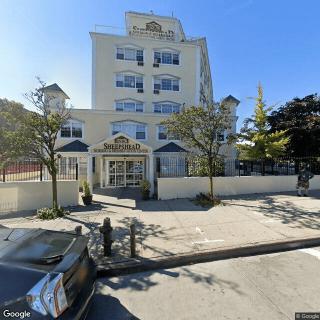



 When to Transition from Assisted Living to Memory Care: Key Indicators, Steps, and Finding the Right Community
 Understanding the Distinctions: Assisted Living and Memory Care Explained
 How to Communicate with a Loved One Living with Dementia: 10 Supportive Strategies