For more information about senior living options: (866) 208-4318
3.4 from 54 reviews
5 stars
29
4 stars
2
3 stars
1
2 stars
4
1 stars
18
Overall Review of Norwegian Christian Home And Health Care Center
caveat14 reviews mention this
Care cleanliness is mixed
Cleanliness and hygiene experiences vary widely between residents.
Some residents and families describe the facility as clean and well kept, including notes about a very clean environment and rooms being kept clean. Other reviews report odor on entry, residents left dirty or unbathed, and hallways with residents sitting in soiled diapers for long stretches. Several of the negative accounts tie those concerns to missed call-bell attention and delayed assistance.
common18 reviews mention this
Staff compassion and responsiveness
Residents describe caregivers as compassionate, though some report missed support.
Many reviews praise staff members for kindness and treating residents with respect, with families saying their loved ones were cared for and felt safe. Several also mention responsiveness when they called for help. Other reviewers criticize unreturned calls, delayed assistance, and staff behaving unprofessionally during urgent situations, describing outcomes they felt were preventable.
differentiator8 reviews mention this
Nursing support gets called out
Residents reference nursing care during both day-to-day needs and emergencies.
Support during care needs and illness is a recurring point: one reviewer describes staff taking steps like blood work and EKG when a resident wasn’t feeling well, and another says the rehab team addressed their needs. At the same time, multiple critical reviews focus on nursing oversight during medical crises, alleging delayed assessment, call-bell issues, and failures to act promptly. Reviews also mention medication management concerns in the context of rehabilitation.
common2 reviews mention this
Dining is generally described positively
Meals are a more positive topic than most other areas.
A couple of reviews specifically call out that the food was good and that dining quality met expectations. One review also mentions that when a resident wasn’t eating, a dietician changed the food plan. The community’s dining approach includes restaurant-style dining and diet support for diabetes and special dietary restrictions.
common3 reviews mention this
Nearby hospitals and pharmacies
Several care and pharmacy options are within a few miles.
The immediate area includes nearby pharmacies and hospitals that can be part of a resident’s access to services. For families looking for nearby medical support, the listed options include a nearby medical center and multiple hospitals in the surrounding area.
How we summarize
Counts show how many written reviews mention each theme; a review can touch several themes, and only frequently mentioned themes are displayed.
The transition from assisted living to skilled nursing care is often prompted by complex medical needs that assisted living cannot meet, with key indicators including frequent health declines, increased falls, severe memory issues, and caregiver burnout. Families should recognize these signs early to discuss options with healthcare providers and prepare for the emotional and logistical aspects of moving to a facility that offers comprehensive medical support.
Vibrant Senior Living emphasizes active senior living communities that promote independence and engagement through diverse amenities and activities, fostering wellness and social interaction among older adults. These communities range from independent to assisted living, with a focus on personal growth, family involvement, financial planning, and leveraging technology to enhance residents' experiences.
Transitioning from assisted living to memory care is driven by an individual's cognitive decline and specific needs, requiring careful evaluation of indicators like increased confusion and wandering. The process involves consulting medical professionals, researching suitable communities, considering financial and legal aspects, and ensuring effective communication for personalized care plans.
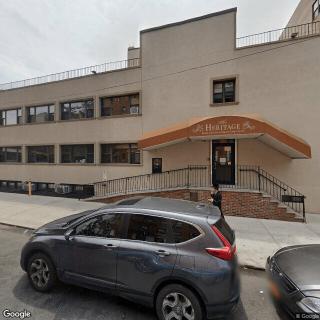
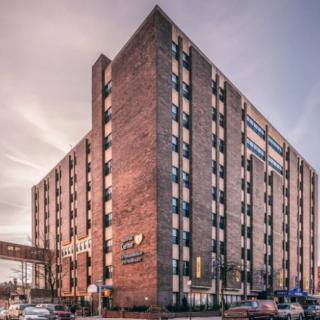
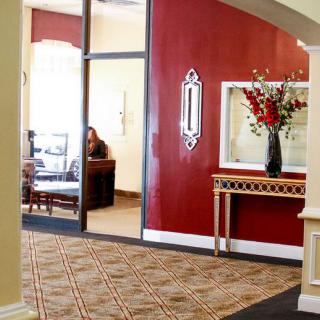
Norwegian Christian Home And Health Care Center photos
×
Interior
Trees
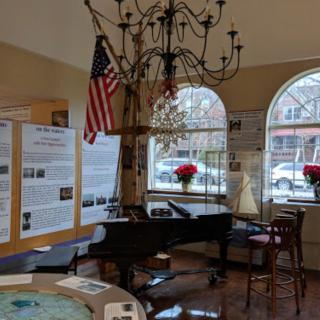
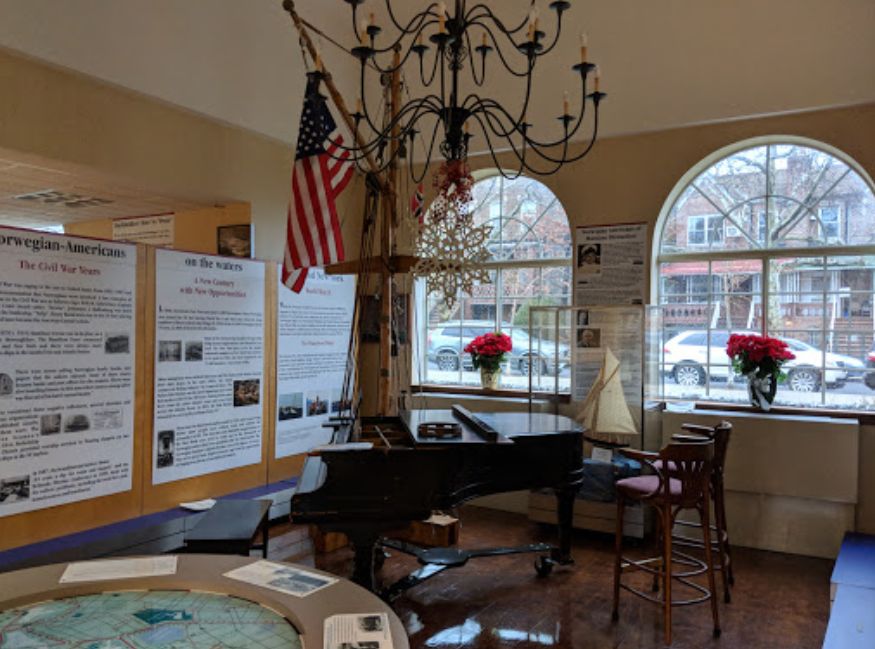
Interior, Decor, Windows, Chandelier, Flag, and Piano
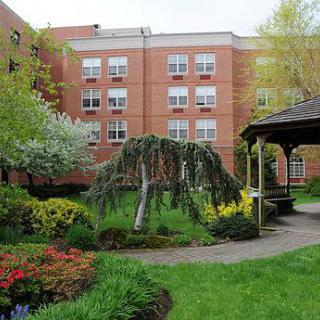
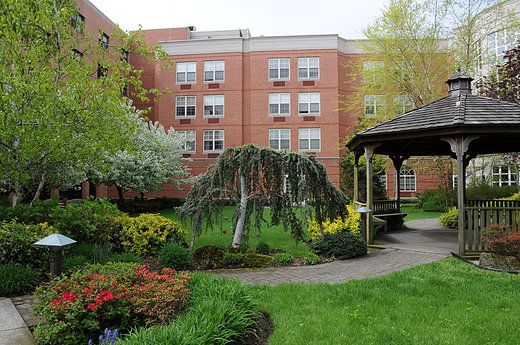
Landscaping, Trees, Garden, Courtyard, Gazebo, and Brick Building
Get PricingAsk A QuestionSchedule A TourContact Senior Advisor
By clicking submit, you agree to our Partner's Terms of Use. You
also consent to receive calls and texts, which may be autodialed, from our Partner. Your consent is not a condition to
using our Partner's service. Please visit our Partner's Privacy Policy for information about their privacy practices.

 88 resident community capacity
 Assisted Living
 Respite Care
 Skilled Nursing Facility
 Air-conditioning
 Beauty salon
 Cable or satellite TV
 Computer center
 Dining room
 Fitness room
 Fully furnished
 Gaming room
 Garden
 Housekeeping services
 Kitchenette
 Move-in coordination
 Outdoor space
 Private bathrooms
 Restaurant-style dining
 Small library
 Telephone
 Wellness center
 Wi-Fi/high-speed internet available
 Newark International (10 miles away)
 Community operated transportation
 12-16 hour nursing
 24-hour call system
 Activities of daily living assistance
 Assistance with bathing
 Assistance with dressing
 Assistance with transfers
 Diabetes diet
 Medication management
 Mental wellness program
 Special dietary restrictions
 Concierge services
 Planned day trips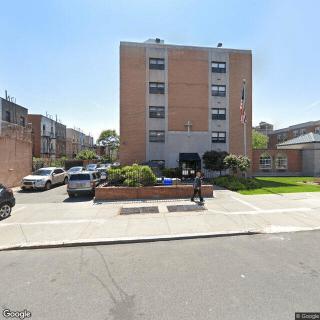
 Excellent access to nearby amenities and services (healthcare, dining, parks, transit, culture).



 8 Key Indicators That Suggest It May Be Time to Transition from Assisted Living to Skilled Nursing Care
 Vibrant Senior Living: A Comprehensive Guide for Active Older Adults
 When to Transition from Assisted Living to Memory Care: Key Indicators, Steps, and Finding the Right Community