For more information about senior living options: (866) 208-4318
4.5 from 120 reviews
5 stars
90
4 stars
18
3 stars
2
2 stars
3
1 stars
7
Overall Review of Boro Park Center For Rehabilitation And Healthcare
common14 reviews mention this
Clean, organized facilities stand out
Residents and visitors repeatedly mention a consistently clean, well-kept environment.
Many reviews describe the building as very clean, well kept, and organized, including comments about bright, polished floors and a facility that looks maintained. Several visitors also mention cleanliness alongside an overall feeling that the place is organized and easy to navigate. A minority of reviews express concerns about cleanliness in specific moments or areas, but the dominant theme is that the environment feels maintained.
common26 reviews mention this
Staff friendliness is a repeated theme
Staff warmth and helpfulness show up frequently in resident and visitor descriptions.
Across the reviews, residents, family members, and visitors describe staff as friendly, polite, attentive, and professional, often from the front desk through nursing and aides. Multiple people also highlight calm communication and a welcoming feel when they arrive or visit. Still, a smaller set of reviews raise concerns about staff attitudes or not following through, which stands out against the broader pattern of positive interactions.
differentiator11 reviews mention this
Rehab therapy draws praise
Physical and occupational therapy is the most consistently discussed part of care.
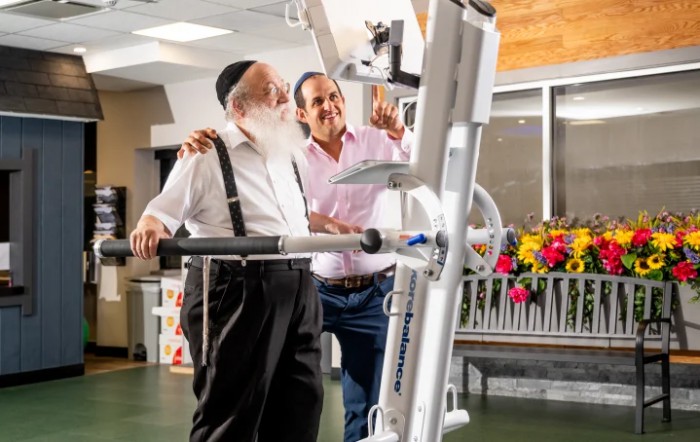
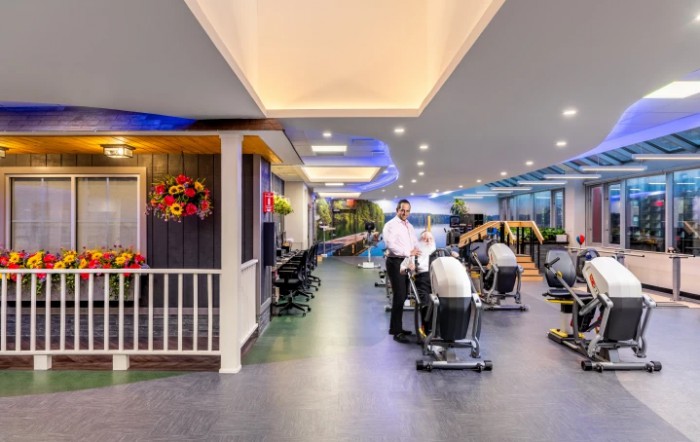
Many reviews specifically praise rehabilitation services, with repeated mentions of physical therapy quality and progress. Several people describe therapy spaces as large and well set up, and families mention improvements in mobility or recovery. One long review contrasts this by saying therapy is what the facility does best, while other needs were not handled as well, reinforcing that rehab is the standout service residents talk about most.
common3 reviews mention this
Food and diet handling vary
Dining gets some praise, especially when special diets are involved.
A few reviews mention good food and positive dining experiences. One review also says meals followed a special post-surgical diet, suggesting dietary needs are sometimes handled correctly. At the same time, a separate review criticizes delays in adjusting an ileostomy-related diet, indicating outcomes may depend on the specific situation.
caveat7 reviews mention this
Some families report staffing gaps
Several reviews raise concerns about responsiveness and follow-through.
Alongside the positive staff comments, multiple reviews describe moments when help felt delayed or absent, including nurses not being available when needed and requests taking a long time to be addressed. Some reviews also report dissatisfaction with how specific personal-care tasks were handled, or with how quickly updates and assistance followed promises. These complaints contrast with the overall pattern of attentive care, so it appears the experience can vary depending on the day and the need.
How we summarize
Counts show how many written reviews mention each theme; a review can touch several themes, and only frequently mentioned themes are displayed.
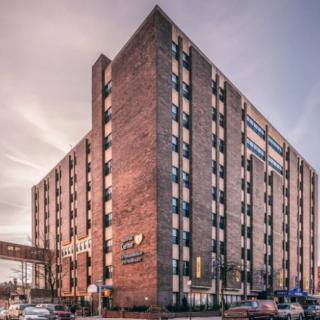
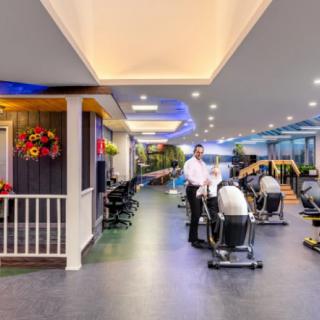
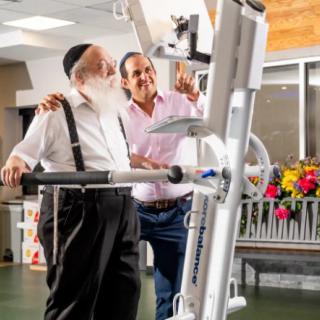
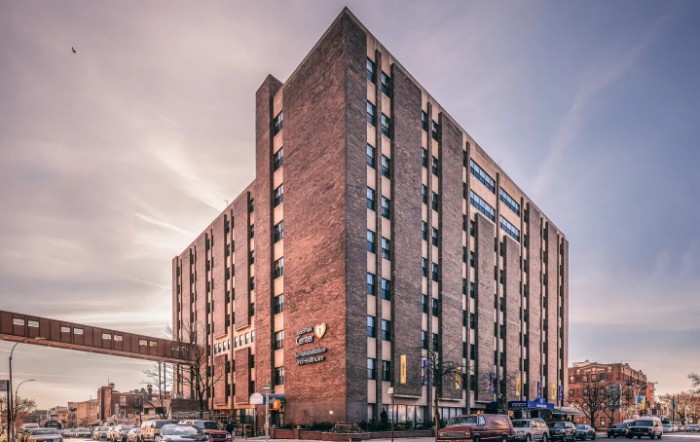
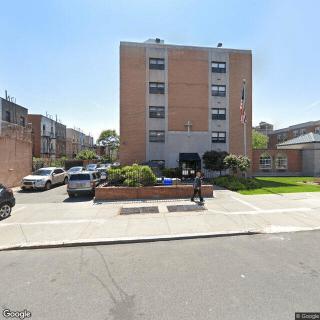
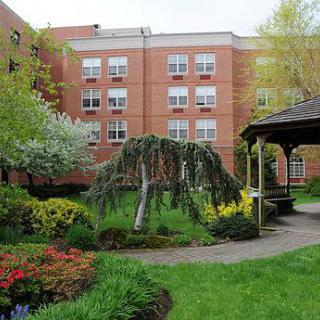
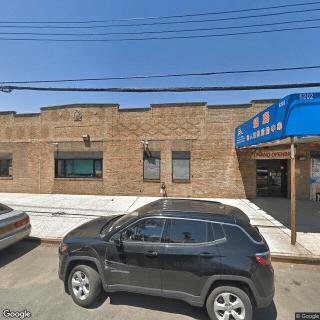
Boro Park Center For Rehabilitation And Healthcare on seniors.fyi includes 5 photos including images showing interior, lighting, building, architecture, exterior, urban, wheelchair, healthcare, and more.
Nearby Communities
Palm Tree Nursing Home
Brooklyn, NY
2 from 1 review
Convenient access to parks, pharmacies, doctors, restaurants, transport, and social venues nearby.
The Heritage Rehabilitation And Health Care Center
Brooklyn, NY
4.8 from 113 reviews
Comprehensive on-site care with dining, activities, and transport.
Norwegian Christian Home
Brooklyn, NY
3.3 from 47 reviews
Excellent access to nearby amenities and services (healthcare, dining, parks, transit, culture).
Norwegian Christian Home And Health Care Center
Brooklyn, NY
3.4 from 54 reviews
Comprehensive 24/7 care with ADL support and on-site amenities (dining, fitness, salon, library).
Metropolitan Jewish Health
Brooklyn, NY
3.5 from 2 reviews
$3,960 to $4,950 / month
Provides care and support for elderly residents, with designated wheelchair areas and mounted TVs for entertainment.
Geri-Care Systems Inc
Brooklyn, NY
3.2 from 53 reviews
Strong access to nearby healthcare, parks, dining, and transit.
Signature Senior Living
Brooklyn, NY
3.8 from 105 reviews
$3,700 to $3,800 / month
Caring staff and a variety of resident activities.
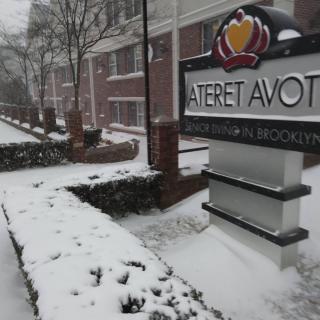
Ateret Avot
Brooklyn, NY
3.9 from 11 reviews
$6,500 / month
Home-like Heimish atmosphere with friendly staff and well-appointed, hotel-style rooms.
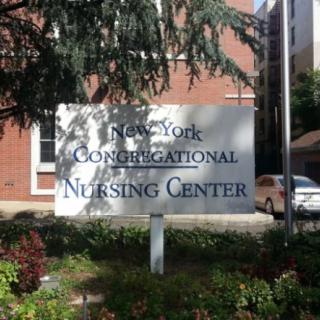
N Y Congregational Nursing Center
Brooklyn, NY
4.1 from 106 reviews
Clean, comfortable setting with responsive staff and engaging activities.
Medicare covers in-home health care services, which are medical and provided by licensed professionals under a physician's supervision, whereas non-medical personal assistance is generally not covered unless part of a broader skilled care plan. Eligibility for benefits depends on being homebound and needing intermittent skilled services from a Medicare-certified agency, with specific coverage limitations and additional resources available for navigating options.
In-home care is increasingly sought after by older adults for maintaining independence, with average private home care rates in 2025 varying by state and service type, reflecting geographical and local labor market influences. As demand rises, families are considering funding options like Medicaid waivers and long-term care insurance to manage costs effectively while ensuring quality care.
Home health care has become essential for supporting independence among the aging population, offering diverse services such as skilled nursing and rehabilitation in familiar environments, while also incorporating technology for personalized care. Despite its benefits, including improved recovery rates and emotional well-being, challenges like safety, staff availability, and insurance navigation must be managed for effective implementation.
Boro Park Center For Rehabilitation And Healthcare photos
×
Interior
Building
Lighting
Healthcare
Rehabilitation
Interior
Building, Architecture, Exterior, and Urban
Lighting, Exercise Equipment, Gym, Fitness, and Excercise Equipment
Healthcare
Rehabilitation, Physical Therapy, and Assistance
Wheelchair
Get PricingAsk A QuestionSchedule A TourContact Senior Advisor
By clicking submit, you agree to our Partner's Terms of Use. You
also consent to receive calls and texts, which may be autodialed, from our Partner. Your consent is not a condition to
using our Partner's service. Please visit our Partner's Privacy Policy for information about their privacy practices.



 510 resident community capacity
 Skilled Nursing Facility
 Air-conditioning
 Beauty salon
 Cable or satellite TV
 Computer center
 Dining room
 Fitness room
 Fully furnished
 Gaming room
 Garden
 Housekeeping services
 Kitchenette
 Move-in coordination
 Outdoor space
 Private bathrooms
 Restaurant-style dining
 Small library
 Telephone
 Wellness center
 Wi-Fi/high-speed internet available
 Newark International (10 miles away)
 Community operated transportation
 12-16 hour nursing
 24-hour call system
 Activities of daily living assistance
 Assistance with bathing
 Assistance with dressing
 Assistance with transfers
 Diabetes diet
 Medication management
 Mental wellness program
 Special dietary restrictions
 Concierge services
 Planned day trips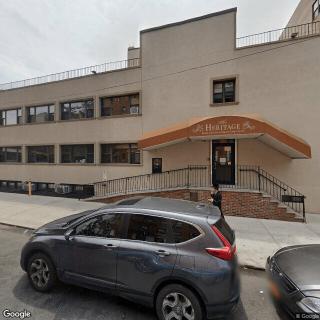
 Convenient access to parks, pharmacies, doctors, restaurants, transport, and social venues nearby.
 Navigating Medicare Coverage for In-Home Care Services
 In-Home Care Costs in 2025: A Detailed State-by-State Exploration
 Understanding Home Health Care: A Comprehensive Guide