The Citadel Rehab And Nursing Center At Kingsbridge

Save
The Citadel Rehab And Nursing Center At Kingsbridge The Citadel Rehab And Nursing Center At Kingsbridge The Citadel Rehab And Nursing Center At Kingsbridge The Citadel Rehab And Nursing Center At Kingsbridge

The Citadel Rehab And Nursing Center At Kingsbridge

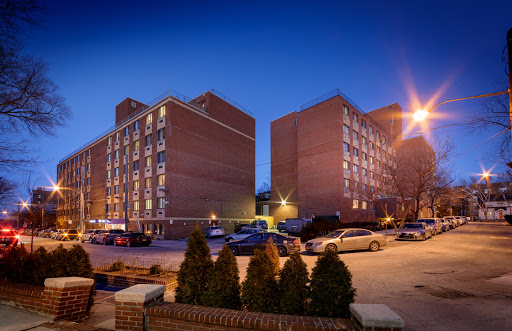
3400 -26 Cannon Place, Bronx, NY 10463

For more information about senior living options: (844) 490-3973

3.8 from 100 reviews
5 stars
59
4 stars
11
3 stars
5
2 stars
4
1 stars
21

Skilled Nursing Facility

Overall Review of The Citadel Rehab And Nursing Center At Kingsbridge

Pros

  • pro The reviewer loves visiting her nana there every week, praising the friendly staff and the cafe's coffee, with Miralys and Dajour warmly welcoming guests.
  • pro They describe the Citadel staff as making everyone feel welcome and very polite.
  • pro A staff member says the facility is amazing and that the staff are very friendly, highly recommending it.
  • pro Another reviewer calls it the best nursing home ever and says the staff are amazing.
  • pro Ms. Jackson is praised as the best CNA in the world, and therapists Christina and Galina are described as excellent.
  • pro The reviewer thanks the nurses who helped them recover, noting that many have big hearts.
  • pro One comment notes that the place looks better now.

Cons

  • pro The staff are rude, unprofessional, and neglectful toward patients.
  • pro Residents are described as being heavily medicated for no clear reason, often seeming like walking zombies and labeled demented.
  • pro The facility is filthy and poorly maintained, with garbage outside and ambulances blocking driveways.
  • pro There is significant understaffing, leading to inadequate care and unmet patient needs.
  • pro There are accounts of abuse or assault and poor wound care, sometimes with patients developing serious infections or bedsores.
  • pro Families feel ignored with poor communication and unhelpful administration.
  • pro A relative is claimed to have died due to neglect, including starvation and untreated wounds.
  • pro The facility has reported theft of a resident's belongings, signaling safety concerns.

Review

A chorus of reviews about Citadel nursing home presents a strikingly mixed picture, with many voices voicing anger, fear, and profound frustration, and a smaller number offering warmth and gratitude. A large portion of the feedback centers on how patients are treated, with repeated claims of rudeness, neglect, and a sense that the facility is more focused on appearances, paperwork, or insurance than on genuine caregiving. Several commenters describe the residents as being heavily medicated "for no reason," and they contend that labeling a patient as demented becomes a convenient justification for confinement and limited autonomy. One observer recounts a specific encounter where an aide dismissively questioned a caregiver's request for a change, saying, "why don't I do it if I think he needs changing," a moment that many readers interpret as emblematic of a broader attitude. The warnings about power of attorney are provocative: some reviewers insist that even a POA can be insufficient or misused, and others suggest that hospital-like protections may not fully shield a loved one from mistreatment.

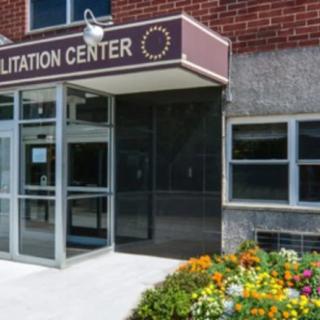
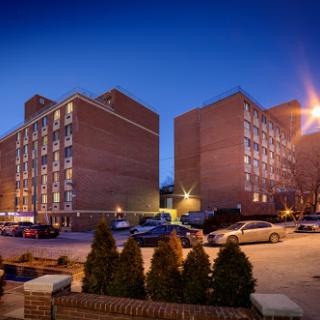
Beyond the care dynamic, several entries focus on the physical and logistical environment around Citadel. There are persistent complaints about the building's upkeep and the immediate surroundings, including claims that the front of the building is dirty and that ambulances park haphazardly or block driveways. Some reviewers point to a structural issue they describe as a no-stand zone for ambulances being ignored, and they fault the directors and owners who live nearby for allowing the neighborhood and the facility's exterior to deteriorate. The overall impression for many readers is that administrative decisions and the physical state of the facility contribute to a sense of chaos and disrespect, making it harder for families to feel confident that their loved ones are safe or cared for.

Other reviews are blunt in their condemnation of patient care. Several accounts describe neglect, under-staffing, and a lack of basic supplies. People recount wounds that worsen because wound care is inconsistent or ineffective, and they speak of patients being left unattended, with conversations between staff and patients that feel dismissive or disrespectful. There are stories of bedsores, insufficient rounds, and limited access to necessary rehabilitation equipment. In one particularly troubling tale, a family member alleges that their grandfather starved while in the facility and that staff did not respond adequately to his needs. The pattern that emerges in these accounts is one of frustration with communication gaps, concerns about the quality of medical oversight, and a perception that money pressures may trump patient-centered care.

Amid the sea of negative testimony, there are pockets of praise that remind readers not to paint the entire facility with a single brushstroke. A number of reviewers share positive experiences, especially around visits from family members and the warmth shown by certain staff. One person writes of visiting their nana weekly and describes the staff as friendly, with a caf? on-site that offers good coffee, naming Miralys and Dajour as particularly welcoming. A few accounts raise the possibility of improvement or growth, with comments from individuals who found staff to be professional, courteous, and helpful in specific interactions. Some visitors express gratitude for compassionate teamwork from nurses, aides, and therapists, and they acknowledge that not every encounter was negative.

There are also deeply personal narratives that detail life-or-death moments and the long arc of illness and care within Citadel. One review titled an update on a patient named Arthur Deitsch, who spent ten months in the facility and then faced a cascade of serious health challenges, including Covid-19, pneumonia, and a severe UTI requiring IV antibiotics. The writer describes repeated assaults and multiple room changes during that stay, and recounts a frightening decline that culminated in hospice care and extended recuperation at home. The account contains harrowing specifics - hallucinations, catheterization, and near-fatal moments - and concludes with gratitude for those who eventually helped, while lamenting a lack of communication and ongoing care failures that complicated the family's experience. Another update notes that after a difficult period, the same individual was able to recover and return home, emphasizing the role of a supportive cousin and other family members in sustaining care.

A recurring thread across these stories is a cautionary one: the suggestion that families should examine the legal and administrative levers before placing a loved one in Citadel. Reviewers warn about the potential for dementia labeling to extend stays or limit freedom, and they urge prospective residents to consider the implications of power of attorney and other administrator decisions. There's a sense of urgency in urging families to look beyond glossy marketing or a few positive anecdotes and to scrutinize care plans, staffing levels, and the quality of day-to-day interactions. Taken together, the collection of reviews paints a landscape where care experiences swing dramatically - from moments of genuine warmth and competence to episodes that feel neglectful, chaotic, or even historically troubling in their portrayal of patient safety and dignity.

In the end, the narratives converge on a central tension: Citadel is capable of offering compassionate moments, clean and welcoming spaces, and staff members who go above and beyond for specific residents. At the same time, many families and former employees report experiences that are deeply troubling - rudeness, understaffing, avoidable medical problems, and alarming lapses in communication and accountability. For anyone considering this facility, the overarching message is to proceed with thorough due diligence, seek out multiple perspectives, verify current staffing and policies, and have a concrete plan for oversight and advocacy. The memories shared here reflect a spectrum of outcomes - some positive, many troubling - highlighting the critical importance of attentive, consistent, and patient-centered care in any long-term residence.

Features

Housing

  • 400 resident community capacity 400 resident community capacity

Types of Care

  • Skilled Nursing Facility Skilled Nursing FacilitySkilled Nursing Facilities are crucial for seniors as they provide round-the-clock medical care, rehabilitation services, and assistance with daily activities. These facilities ensure that seniors receive the specialized care they need to maintain their health and well-being as they age.

Amenities

  • Air-conditioning Air-conditioningAir conditioning is important for seniors as they are more vulnerable to heat-related illnesses and may have underlying health conditions that make it difficult for them to regulate their body temperature. It helps to keep them comfortable, safe, and healthy in hot weather.
  • Beauty salon Beauty salonBeauty salons are important for seniors because they provide a space for them to feel pampered, socialize, and maintain their personal grooming and hygiene. Regular visits to a beauty salon can help boost seniors' self-esteem and overall well-being.
  • Cable or satellite TV Cable or satellite TVCable or satellite TV is important for seniors because it provides entertainment, news, and companionship, helping to combat loneliness and boredom. It also offers a wide range of programming options tailored to different interests and preferences.
  • Computer center Computer centerA computer center is essential for seniors as it provides access to technology, communication tools, and resources that can enhance their daily lives. It allows them to stay connected with loved ones, engage in online activities, and learn new skills, ultimately promoting socialization and mental stimulation.
  • Dining room Dining roomDining rooms are important for seniors as they provide a space for socialization, connection, and nutritious meals. They offer opportunities for residents to bond over shared meals, foster a sense of community, and promote healthy eating habits. Dining rooms also ensure that seniors have access to well-balanced meals tailored to their dietary needs and preferences.
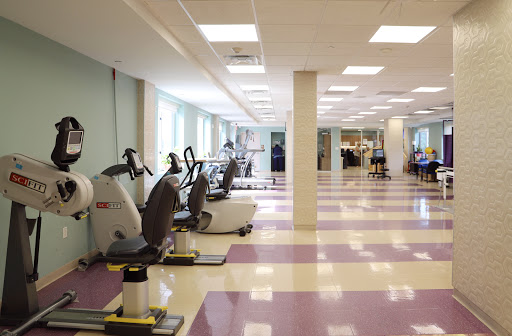
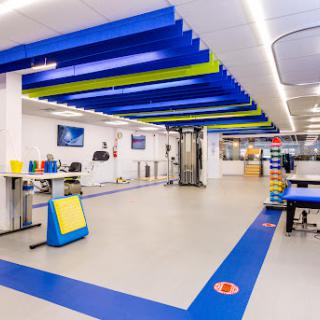
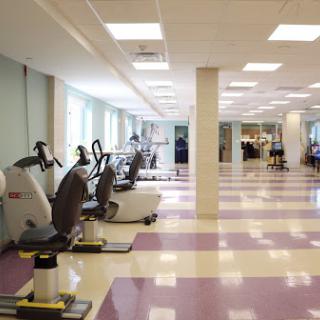
  • Fitness room Fitness roomHaving a fitness room in a senior living community is essential for seniors to stay active, maintain their physical health, and improve their overall well-being. Regular exercise can help prevent falls, reduce the risk of chronic diseases, and promote mental sharpness. It also provides social opportunities for residents to connect with others and enjoy a sense of community.
  • Fully furnished Fully furnishedFully furnished senior living communities are important for seniors because they provide convenience, comfort, and a hassle-free moving experience. Seniors can easily settle into their new living space without the stress of having to buy and move furniture. This allows them to focus on enjoying their new home and community.
  • Gaming room Gaming roomGaming rooms are important for seniors as they provide a fun and engaging environment for socializing, cognitive stimulation, and physical activity. Games can improve memory, problem-solving skills, and overall mental well-being while fostering friendships and reducing feelings of isolation.
  • Garden GardenGardens are important for seniors as they provide a peaceful and therapeutic environment for relaxation, physical activity, and socialization. Being in nature has been shown to reduce stress, improve mood, and promote overall well-being. Gardens also offer opportunities for seniors to engage in gardening activities, which can improve mobility, flexibility, and cognitive function. Additionally, gardens create a sense of community and connection with others who share a passion for plants and outdoor spaces.
  • Housekeeping services Housekeeping servicesHousekeeping services are important for seniors because they help maintain a clean and safe living environment, promote independence, and reduce the risk of accidents or illnesses. Additionally, having assistance with household chores can alleviate physical strain and allow seniors to focus on other aspects of their well-being.
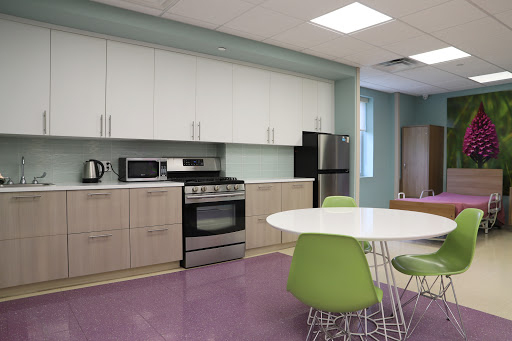
  • Kitchenette KitchenetteKitchenettes are important for seniors living in senior living communities because they provide the convenience and independence of being able to prepare simple meals and snacks in the comfort of their own living space. This can help promote a sense of autonomy and well-being for seniors, allowing them to maintain some level of control over their dietary choices and daily routines.
  • Move-in coordination Move-in coordinationMove-in coordination is important for seniors because it helps ease the transition into their new living environment. It ensures that all logistics, such as packing, organizing movers, and setting up utilities are taken care of, allowing seniors to focus on settling in and adjusting to their new home. Having a smooth move-in process can alleviate stress and anxiety, making the transition smoother and more enjoyable for seniors.
  • Outdoor space Outdoor spaceOutdoor spaces are important for seniors as they provide opportunities for physical activity, social interaction, exposure to natural light and fresh air, and a sense of connection to nature. Having access to outdoor spaces can improve overall well-being and quality of life for older adults living in senior communities.
  • Private bathrooms Private bathroomsPrivate bathrooms are important for seniors in senior living communities because they provide independence, dignity, and comfort. Having a private bathroom allows seniors to maintain their personal hygiene routines without the need for assistance, promoting a sense of autonomy and privacy. Additionally, private bathrooms help prevent the spread of infections and provide a safe and clean environment for seniors to navigate safely.
  • Restaurant-style dining Restaurant-style diningRestaurant-style dining is important for seniors because it allows them to enjoy delicious, nutritious meals in a social and upscale setting. This enhances their dining experience, promotes healthy eating habits, and fosters socialization with fellow residents, ultimately contributing to their overall well-being and quality of life.
  • Small library Small librarySmall libraries are important for seniors as they provide access to a variety of reading materials, including books, newspapers, and magazines. This can help stimulate their minds, keep them engaged, and provide a sense of community through book clubs and other social activities. Additionally, reading has been shown to improve cognitive function and overall mental well-being in older adults.
  • Telephone TelephoneTelephones are important for seniors as they provide a lifeline for communication with loved ones, emergency services, and healthcare providers. They offer a sense of security and independence, enabling seniors to stay connected and access assistance when needed.
  • Wellness center Wellness centerWellness centers are important for seniors because they offer a variety of programs and services that promote physical, mental, and emotional well-being. These centers provide opportunities for exercise, socialization, education, and relaxation, helping seniors maintain their overall health and quality of life.
  • Wi-Fi/high-speed internet available Wi-Fi/high-speed internet availableWi-Fi/high-speed internet is important for seniors to stay connected with loved ones, access online resources, and participate in virtual activities to combat feelings of loneliness and isolation. It also allows them to easily manage healthcare needs, access entertainment, and engage in lifelong learning opportunities.

Transportation

  • LaGuardia (7 miles away) LaGuardia (7 miles away)
  • Westchester Cty (16 miles away) Westchester Cty (16 miles away)
  • John F Kennedy International (18 miles away) John F Kennedy International (18 miles away)
  • Newark International (19 miles away) Newark International (19 miles away)
  • Community operated transportation Community operated transportationCommunity operated transportation is crucial for seniors as it provides them with the means to access essential services, social activities, and medical appointments. It allows seniors to maintain their independence and quality of life by ensuring they can participate in activities outside of their homes. Additionally, community-operated transportation services offer a safe and reliable way for seniors to travel without having to rely on family or friends for assistance.
  • Transportation arrangement Transportation arrangementTransportation arrangements are crucial for seniors as they may face challenges with driving, mobility, or access to public transportation. Having reliable transportation services ensures that seniors can easily attend appointments, social activities, and maintain their independence and quality of life.
  • Transportation arrangement (non-medical) Transportation arrangement (non-medical)Transportation arrangements are essential for seniors as they provide access to essential services, activities, and social interactions outside the home. This service helps maintain independence, mobility, and overall well-being for seniors who may have limited transportation options.
  • Transportation to doctors appointments Transportation to doctors appointmentsTransportation to doctors appointments is crucial for seniors as it ensures they have access to necessary medical care and support, promoting their health and well-being. It allows them to receive timely treatment, monitor existing conditions, and address any new health concerns efficiently. Additionally, transportation services can help seniors maintain their independence and quality of life by enabling them to stay connected with their healthcare providers.

Care Services

  • 12-16 hour nursing 12-16 hour nursing12-16 hour nursing care is crucial for seniors in order to ensure around-the-clock monitoring, timely medication administration, and prompt response to any health concerns or emergencies. This level of care helps to promote the overall well-being and safety of seniors living in senior living communities.
  • 24-hour call system 24-hour call system24-hour call systems are important for seniors because they provide peace of mind and immediate assistance in case of emergencies. This technology ensures that help is always available, promoting safety and security for elderly individuals living alone or in assisted living facilities.
  • 24-hour supervision 24-hour supervision24-hour supervision is important for seniors to ensure their safety, well-being, and access to immediate assistance in case of emergencies or health issues. This constant support provides peace of mind for both seniors and their loved ones, allowing them to age in place with dignity and security.
  • Activities of daily living assistance Activities of daily living assistanceActivities of daily living assistance are important for seniors because they provide essential support with tasks such as eating, bathing, dressing, and mobility. This assistance helps seniors maintain their independence, dignity, and overall quality of life as they age.
  • Assistance with bathing Assistance with bathingAssistance with bathing is crucial for seniors as it helps maintain personal hygiene, prevents infections, and ensures their overall well-being and comfort. It also provides a sense of dignity and independence for seniors who may struggle with this task on their own.
  • Assistance with dressing Assistance with dressingAssistance with dressing is important for seniors because it helps maintain their independence, promotes personal hygiene, prevents accidents and injuries, and improves overall quality of life. This service ensures that seniors can continue to dress comfortably and confidently, despite any physical limitations they may have.
  • Assistance with transfers Assistance with transfersAssistance with transfers is crucial for seniors as it helps prevent falls and injuries, maintains their independence, and ensures they can safely navigate their living environment. It also provides peace of mind for both seniors and their loved ones.
  • Diabetes diet Diabetes dietA diabetes diet is crucial for seniors as it helps manage blood sugar levels, reduce risks of complications, and improve overall health and well-being. By following a balanced and nutritious diet tailored to their specific needs, seniors can better control their diabetes and enhance their quality of life.
  • Meal preparation and service Meal preparation and serviceMeal preparation and service are crucial for seniors as they may have limited mobility or energy to cook nutritious meals. Having access to healthy and convenient food options can ensure they are getting the proper nutrition needed to maintain their overall health and well-being.
  • Medication management Medication managementMedication management is crucial for seniors to ensure they are taking the right medications at the correct dosages and times. This helps prevent adverse drug interactions, reduces the risk of medication errors, and promotes overall health and well-being. Proactive management also allows for adjustments as needed based on changing health conditions or new prescriptions.
  • Mental wellness program Mental wellness programMental wellness programs are essential for seniors as they promote cognitive stimulation, emotional support, and social engagement. These programs help prevent isolation, depression, and cognitive decline, ultimately enhancing the overall quality of life for older adults.
  • Special dietary restrictions Special dietary restrictionsSpecial dietary restrictions are important for seniors because age-related changes in metabolism and health conditions can make it difficult for their bodies to process certain foods. By following a diet tailored to their specific needs, seniors can maintain their overall health and well-being, manage chronic conditions, and reduce the risk of complications such as malnutrition or food interactions with medications.

Dining

  • Diabetes diet Diabetes dietA diabetes diet is crucial for seniors as it helps manage blood sugar levels, reduce risks of complications, and improve overall health and well-being. By following a balanced and nutritious diet tailored to their specific needs, seniors can better control their diabetes and enhance their quality of life.
  • Special dietary restrictions Special dietary restrictionsSpecial dietary restrictions are important for seniors because age-related changes in metabolism and health conditions can make it difficult for their bodies to process certain foods. By following a diet tailored to their specific needs, seniors can maintain their overall health and well-being, manage chronic conditions, and reduce the risk of complications such as malnutrition or food interactions with medications.

Activities

  • Community-sponsored activities Community-sponsored activitiesCommunity-sponsored activities are important for seniors as they provide opportunities for social interaction, mental stimulation, and physical activity. These activities can help improve overall well-being, combat loneliness and isolation, and promote a sense of belonging and purpose among older adults.
  • Concierge services Concierge servicesConcierge services are essential for seniors as they provide assistance with daily tasks and errands, enhance their quality of life by offering convenience and personalized care, and promote a sense of safety and security.
  • Fitness programs Fitness programsFitness programs are crucial for seniors as they help improve strength, flexibility, balance, and overall well-being. Staying active can reduce the risk of chronic diseases, improve mental health, and enhance quality of life in older adults.
  • Planned day trips Planned day tripsPlanned day trips are important for seniors because they offer opportunities for socialization, mental stimulation, and physical activity. They provide a change of scenery and help seniors stay engaged and connected to their community, promoting overall well-being and quality of life.
  • Resident-run activities Resident-run activitiesResident-run activities are important for seniors as they encourage social interaction, creativity, and a sense of autonomy. These activities empower seniors to stay engaged and active in their community while fostering meaningful connections with their peers.
  • Scheduled daily activities Scheduled daily activitiesScheduled daily activities are important for seniors because they provide structure, socialization, mental stimulation, and physical activity. Engaging in regular activities can improve overall well-being and quality of life for seniors living in a community setting.

Description

The Citadel Rehab and Nursing Center at Kingsbridge in Bronx, NY is a premier assisted living community that offers a wide range of amenities and care services to ensure the comfort and well-being of its residents.

In terms of amenities, The Citadel provides a beauty salon, where residents can pamper themselves with various salon services. Each resident is able to enjoy cable or satellite TV in their own private space. Community-operated transportation is available for those who need assistance getting around. There is a computer center on-site for residents to stay connected and engaged with technology.

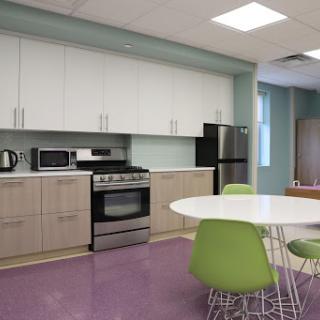
The dining room at The Citadel offers restaurant-style dining, providing delicious and nutritious meals prepared by professional chefs. Residents have access to a fitness room equipped with exercise equipment to help them maintain an active lifestyle. Fully furnished rooms are provided for each resident's ease and convenience.

There are also several recreational facilities available, such as a gaming room where residents can engage in fun activities, as well as a small library for those who enjoy reading. Outdoor spaces including gardens provide opportunities for relaxation and enjoyment of nature. Wi-Fi/high-speed internet ensures that residents stay connected online.

Care services at The Citadel include 24-hour call systems and supervision to ensure the safety of residents at all times. Trained staff members provide assistance with daily activities such as bathing, dressing, and transfers. Medication management is available to ensure that each resident receives the proper doses of their medications on time.

A mental wellness program supports the emotional well-being of residents, helping them maintain good mental health. Special dietary restrictions can be accommodated by the community's professional kitchen staff when it comes to meal preparation and service.

Additionally, The Citadel offers transportation arrangements for non-medical purposes as well as transportation to doctors' appointments when needed.

Residents at The Citadel can also partake in various activities offered within the community. Concierge services are available for any additional needs or requests that may arise during their stay. Fitness programs ensure that residents stay active, while planned day trips and scheduled daily activities provide opportunities for socialization and engagement. Resident-run activities empower residents to take charge of their own entertainment.

The location of The Citadel is also convenient, with several parks, pharmacies, physicians, restaurants, transportation options, places of worship, theaters, and hospitals all nearby.

Overall, The Citadel Rehab and Nursing Center at Kingsbridge offers a comfortable and supportive environment for its residents, providing exceptional care services and numerous amenities to enhance their quality of life.

Nearby Places of Interest

Pharmacies

  • Rite Aid (0.3 miles)
  • CVS Pharmacy (0.7 miles)
  • CVS Pharmacy (4.1 miles)
  • Walgreens (4.1 miles)
  • Walgreens (4.2 miles)
  • Walgreens (4.3 miles)
  • CVS Pharmacy (4.8 miles)

Places of Worship

  • The Riverdale Minyan (1 miles)

Hospitals

  • NewYork-Presbyterian Allen Hospital (1.1 miles)
  • Bronx VA Medical Center (1.2 miles)
  • St Barnabas Hospital (2 miles)
  • Russ Berrie Medical Science Pavilion (3.7 miles)
  • Milstein Hospital Building (3.7 miles)
  • Holy Name Medical Center (5.9 miles)
  • Montefiore New Rochelle Hospital (6.1 miles)

Parks

  • Riverdale Park (1.3 miles)
  • Inwood Hill Park (1.4 miles)
  • J. Hood Wright Park (3.4 miles)
  • Flat Rock Brook Nature Center (3.7 miles)
  • St Nicholas Park (5 miles)
  • Marcus Garvey Park (5.9 miles)
  • Randall's Island Park (6.1 miles)

Transportation

  • MTA Subway - Fordham Rd (1.4 miles)
  • MTA Fordham Metro-North Station (1.5 miles)
  • MTA Subway - Inwood/207th St (1.6 miles)
  • Metro North - Riverdale Station (1.8 miles)
  • MTA Subway - Dyckman St (2.1 miles)
  • MTA Subway - 190th St (2.5 miles)
  • MTA Subway - 181st St (3 miles)

Restaurants

  • Last Stop Bar & Grill (2.8 miles)
  • McDonald's (3.7 miles)
  • McDonald's (4.1 miles)
  • Kura Revolving Sushi Bar (4.1 miles)
  • The River Palm Terrace (4.6 miles)
  • McDonald's (5.8 miles)
  • Harlem Kebab Grill (5.8 miles)

Physicians

  • Morgan Stanley Children's Hospital (3.8 miles)
  • Park Medical Group PA (4.7 miles)
  • Cummings, Allegra Weill Cornell Medicine Obstetrics and Gynecology (8 miles)

Theaters

  • AMC Bay Plaza Cinema 13 (3.9 miles)
  • AMC DINE-IN Shops At Riverside 9 (7.1 miles)
  • Alamo Drafthouse Yonkers (7.9 miles)

Cafes

  • Kuppi Coffee Company (6 miles)
  • Starbucks (6.6 miles)
  • Cafe Zeppieri (6.7 miles)
  • Bogota Press Cafe (7.4 miles)
  • Starbucks (7.7 miles)
  • Starbucks (7.8 miles)
  • Starbucks (7.9 miles)

Frequently Asked Questions

Where is The Citadel Rehab And Nursing Center At Kingsbridge?
What photos are available for The Citadel Rehab And Nursing Center At Kingsbridge in Bronx, New York?

Nearby Communities

Related Resources

  • what does an elder law attorney do6 Crucial Ways an Elder Law Attorney Assists Families

    Elder law attorneys assist older adults and their families with legal matters such as estate planning, Medicaid eligibility, and guardianships, while also providing protection against elder abuse. They help navigate complex regulations to safeguard financial resources, ensure well-being, and maintain autonomy for seniors.

  • tax implications of parent living with youNavigating the Tax Landscape of Caregiving: Credits, Deductions, and Beyond

    Caregiving for an aging parent entails emotional and financial responsibilities accompanied by significant tax implications, including potential benefits from claiming them as dependents and deductions for medical expenses and caregiving costs. Caregivers must understand eligibility requirements, maintain thorough documentation, and consider consulting a tax professional to navigate these complexities effectively.

  • low impact exercises for seniorsHighly Beneficial Low-Impact Exercises for Senior Living Residents

    Low-impact exercises are vital for seniors as they promote health, independence, and social interaction while reducing joint strain. These adaptable activities, guided by healthcare professionals, enhance strength, flexibility, and emotional well-being.