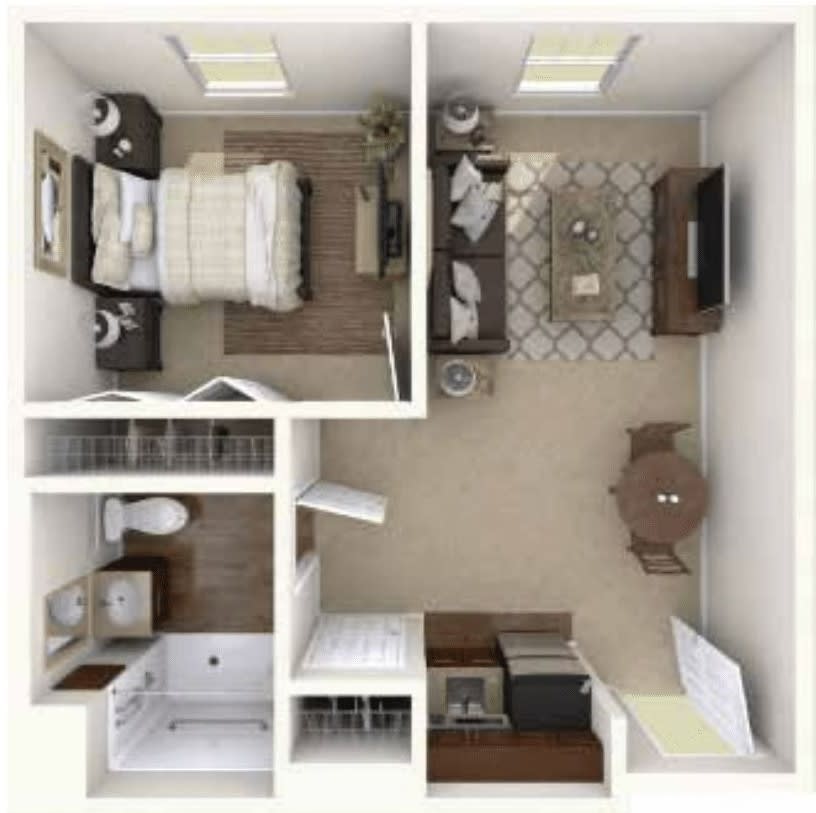
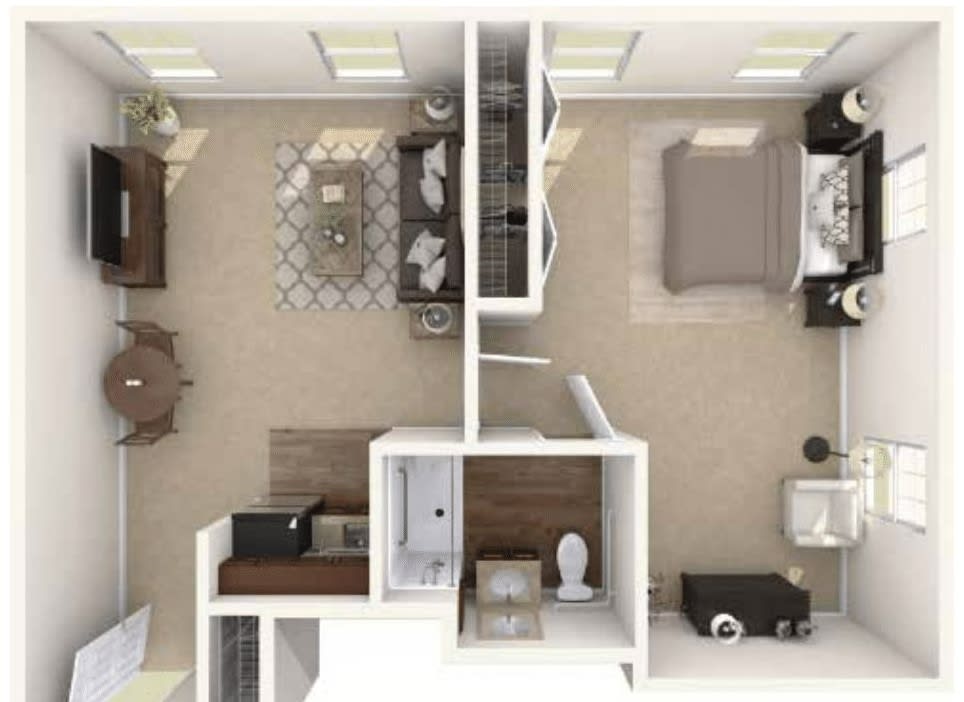
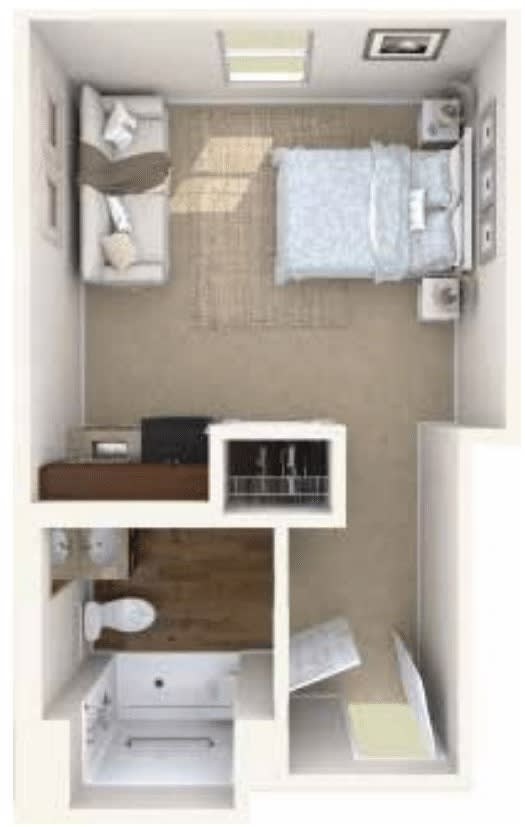
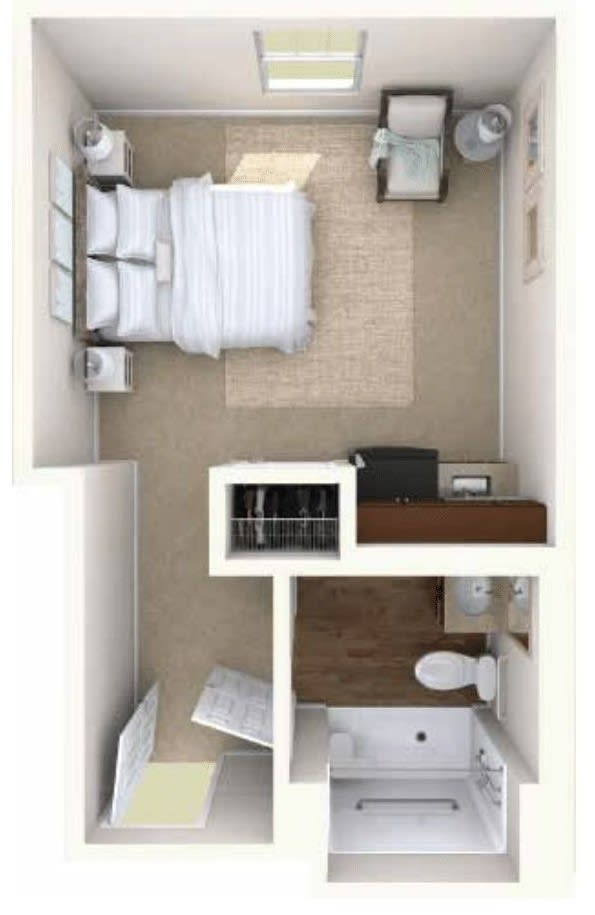
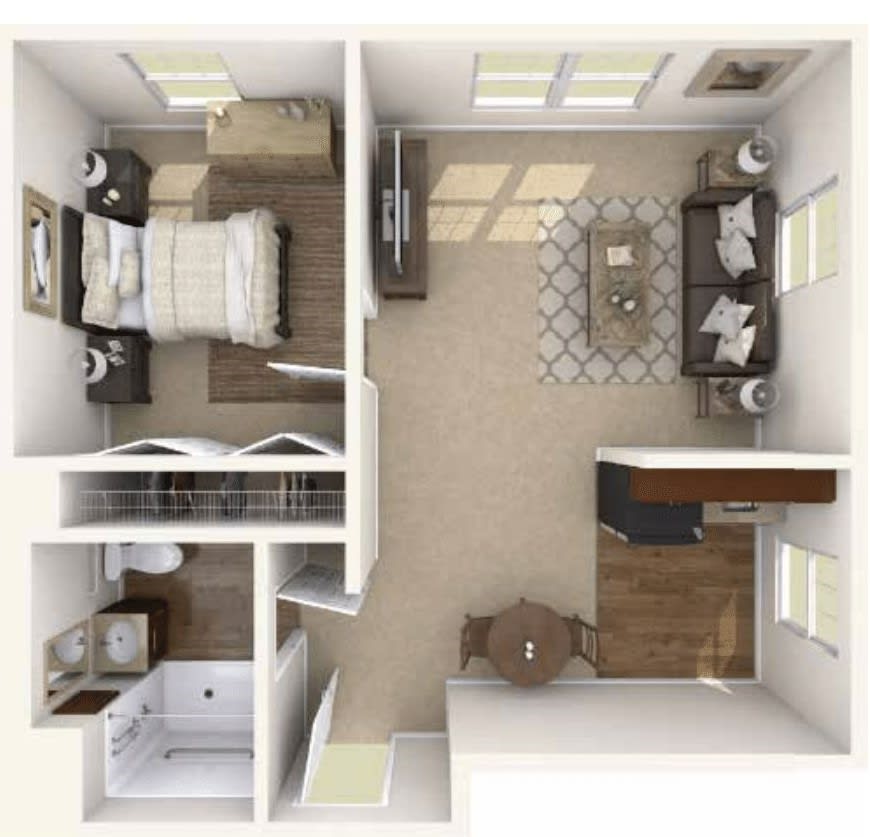
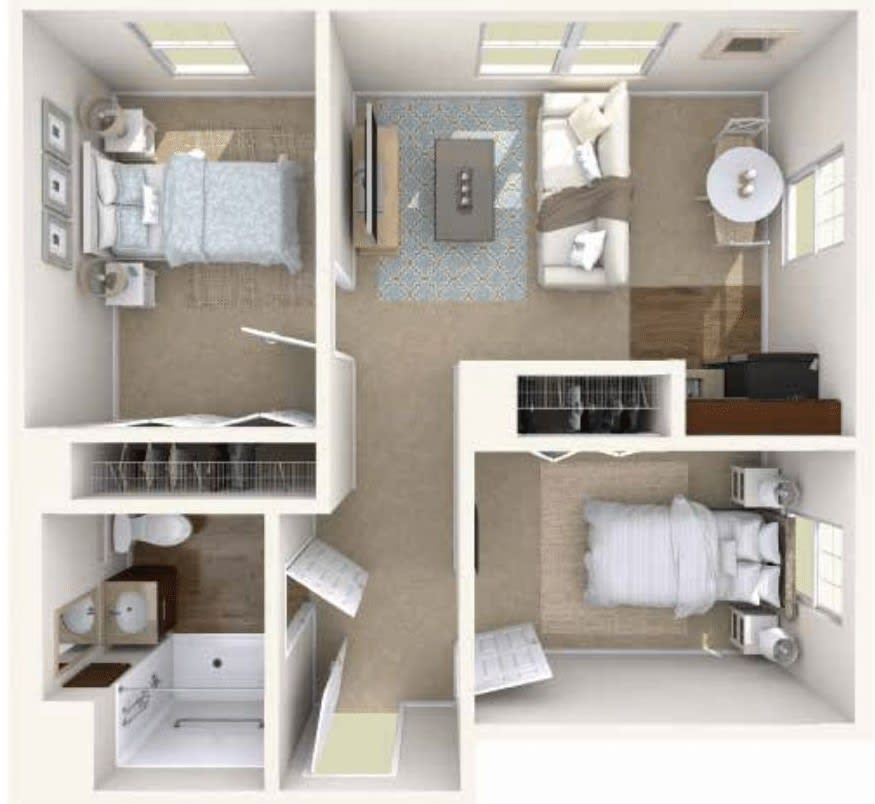
Atria Riverdale presents a competitive pricing structure for its residents, particularly when compared to the broader costs associated with New York County and the state of New York. For a studio apartment, Atria Riverdale's monthly rate stands at $6,395, which is notably more affordable than the county average of $6,943 but higher than the state average of $4,532. In the case of one-bedroom units, Atria's price of $6,495 again offers a better value compared to New York County's average of $8,624, while remaining just above the state average of $4,307. The two-bedroom option at Atria Riverdale is priced at $7,895; this is significantly lower than the county's steep average of $12,410 yet remains above New York's more modest statewide average of $4,786. Overall, Atria Riverdale positions itself as an attractive choice for those seeking quality senior living accommodations in a bustling urban environment while maintaining reasonable costs relative to local standards.
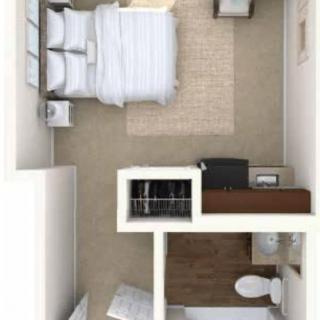
Floor plans
Atria Riverdale
New York County
New York
Studio
$6,395
$6,943
$4,532
1 Bedroom
$6,495
$8,624
$4,307
2 Bedrooms
$7,895
$12,410
$4,786
Assisted Living communities with a similar price nearby
Residents and visitors repeatedly describe staff as friendly and helpful.
Across many reviews, people describe staff members as smiling, kind, and attentive to residents’ needs. Several families mention responsiveness when questions or issues come up, and others specifically call out nursing/aide communication and support. A few reviews note pockets of unfriendliness or delayed follow-through, but the most common day-to-day feedback is that staff try to help.
common34 reviews mention this
Restaurant-style dining feels consistent
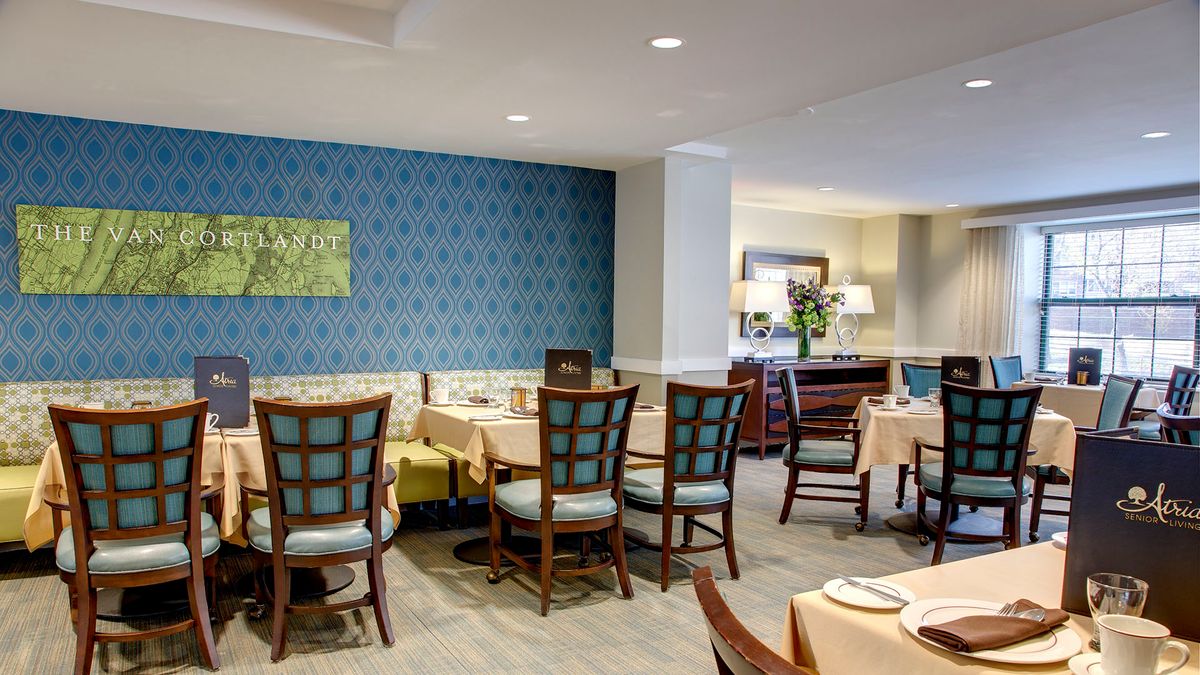
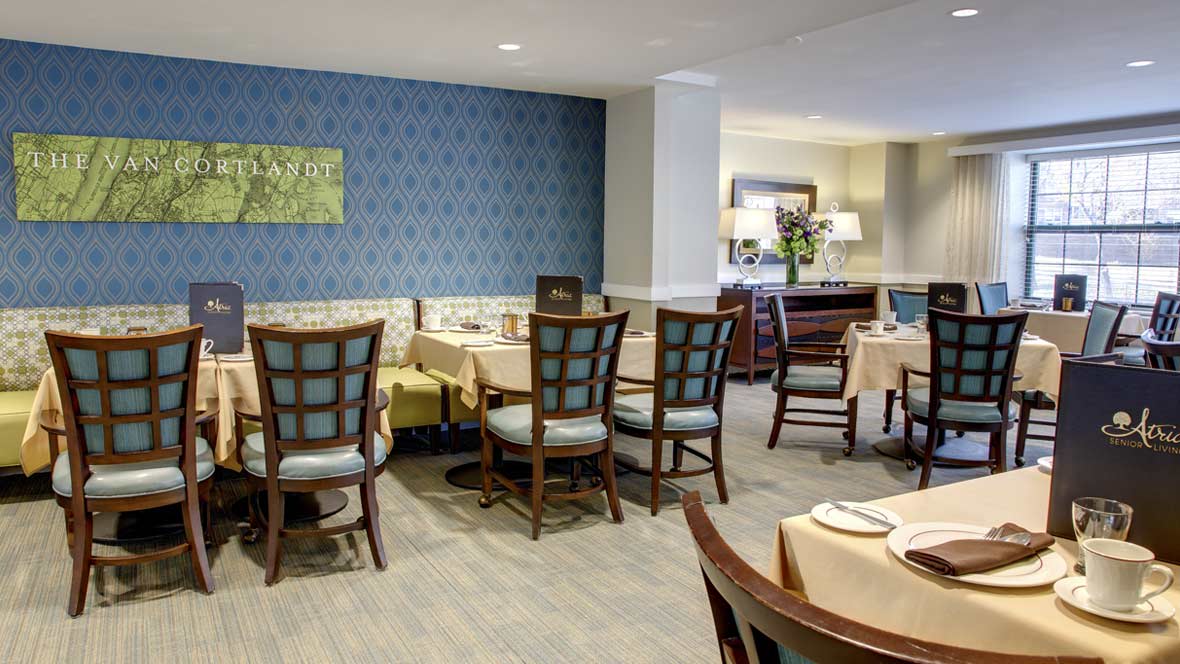
Dining is a frequent focus, often described as restaurant-style.
Many residents and families say meals are served in a dining-room setting and that the food is appealing enough that they rarely worry about hunger. Others report food quality concerns, including that it can be bad or arrive cold, and that it may be less satisfying than expected for the cost. Reviews also repeatedly connect dining with the community’s kosher approach and diet options, which some families appreciate and others say can limit choices.
caveat12 reviews mention this
Memory care and staffing draw mixed reviews
Memory care experiences vary, with concerns about staffing and day-to-day attention.
Some families describe positive support when a loved one moved into memory care, including feeling the staff was supportive during transitions. At the same time, multiple reviews raise serious concerns in memory care, including under-response, missed needs, and difficulty getting care tasks handled efficiently. A smaller number of comments also point to activity or engagement limitations during periods like lockdowns.
caveat10 reviews mention this
Medication management is a clear concern
Medication handling is a recurring point of frustration in reviews.
A number of reviews mention problems with medication management, including needing to check medications, delays, and communication gaps with medication timing. Several of these concerns are framed as missed follow-through or mismanagement that made families uneasy. Reviews are not unanimous: some residents describe medication management as handled with guidance from nurses and med-techs, but the negative mentions are frequent enough to stand out.
caveat22 reviews mention this
Pricing is often described as expensive
Pricing is a frequent caveat, with reviews calling it expensive.
Many reviews explicitly say the community is pricey and some reviewers describe cost as a deciding factor. Others say value depends on what level of care or services a person needs, including medication-related add-ons, and a few mention disputes about charges or billing. The pricing range shown for different unit types spans from $6,395 to $7,895, and the listed deltas indicate it is below the county average for some units but above the state average overall.
How we summarize
Counts show how many written reviews mention each theme; a review can touch several themes, and only frequently mentioned themes are displayed.
Features
Housing
195 resident community capacity
1-bedroom apartments
2-bedroom apartments
Studio apartments
Types of Care
Assisted Living
Independent Living
Memory Care
Skilled Nursing Facility
Pets
Cats allowed
Dogs allowed
Amenities
Activities off-site
Activities on-site
Air-conditioning
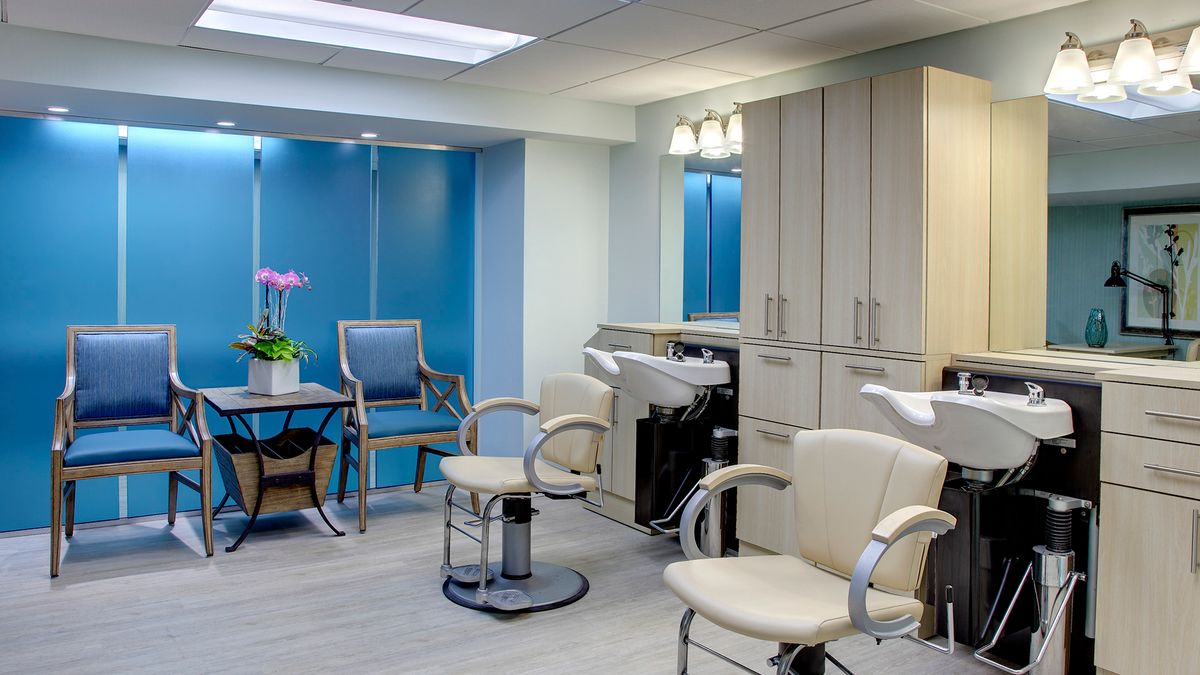
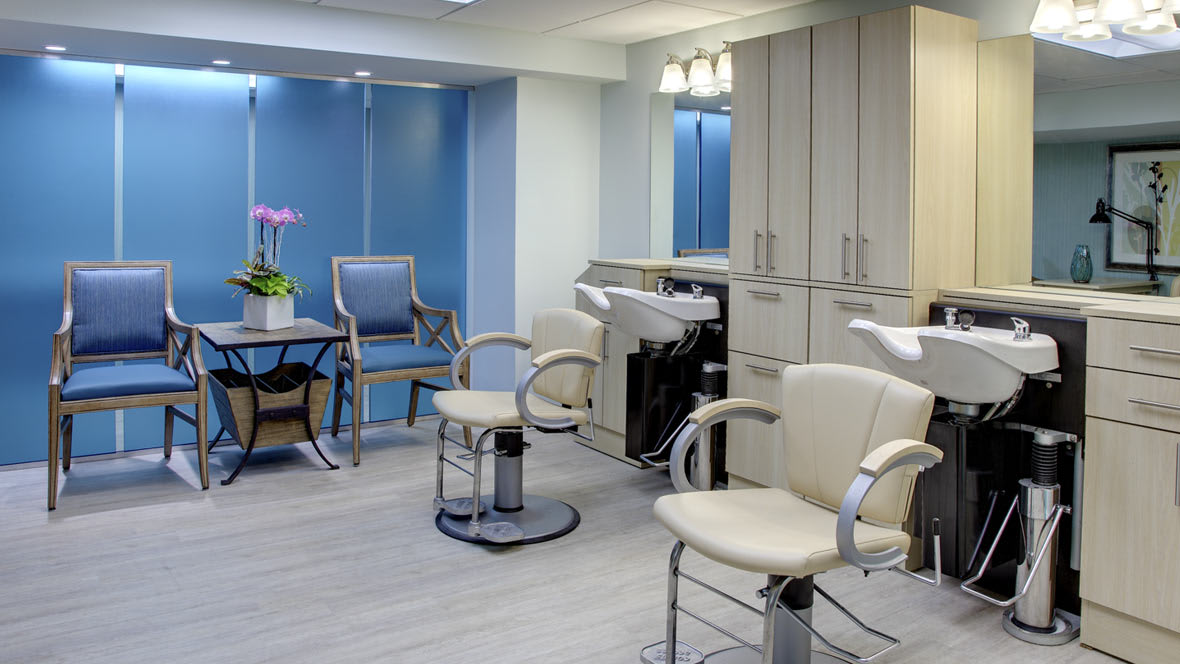
Beautician on-site
Beauty salon
Cable or satellite TV
Computer center
Devotional services off-site
Devotional services on-site
Dining room
Fitness room
Full kitchen
Fully furnished
Gaming room
Garden
Guest parking
Housekeeping services
Indoor common areas
Kitchenette
Laundry
Move-in coordination
Outdoor common areas
Outdoor space
Pet friendly
Private bathrooms
Resident parking
Respite or short term stays offered
Restaurant-style dining
Small library
Spa
Telephone
VA Benefits Consultation
Wellness center
Wheelchair accessible showers
Wi-Fi/high-speed internet available
Transportation
LaGuardia (8 miles away)
Westchester Cty (16 miles away)
John F Kennedy International (18 miles away)
Newark International (19 miles away)
Community operated transportation
Transportation & parking
Transportation arrangement
Transportation arrangement (non-medical)
Care Services
12-16 hour nursing
24-hour call system
24-hour supervision
Activities of daily living assistance
Ambulatory care
Assistance with bathing
Assistance with dressing
Assistance with transfers
Coordination with health care providers
Dementia waiver
Diabetes diet
Hospice waiver
Incontinence care
Meal preparation and service
Medication management
Mental wellness program
Mild cognitive impairment
Physical therapy
Special dietary restrictions
Specialized memory care programming
Transportation arrangement (medical)
Transportation to doctors appointments
Dining
Diabetes diet
Kosher
Meals provided
Professional chef
Room service
Special dietary restrictions
Activities
Activities off-site
Activities on-site
Art classes
Community-sponsored activities
Concierge services
Day trips and outings
Devotional activities offsite
Devotional activities on-site
Educational speakers / life long learning
Fitness programs
Planned day trips
Religious services
Resident-run activities
Scheduled daily activities
Stretching classes
Tai Chi
Trivia games
Wine tasting
Yoga / chair yoga
Languages Spoken
English
Videos
Nearby Places of Interest
This part of Riverdale, New York offers a plethora of amenities and conveniences for senior living. With several pharmacies nearby, accessing medication and healthcare supplies is convenient. There are also various places of worship for spiritual needs, as well as parks for outdoor recreation and relaxation. Hospitals and medical facilities are within close proximity for any healthcare needs, ensuring seniors have access to quality care. Public transportation options are readily available, making it easy to get around the area without needing a car. Additionally, there are a variety of restaurants, cafes, and theaters for entertainment and dining options. Overall, this neighborhood in Riverdale provides a comfortable and accessible environment for seniors looking to enjoy their retirement years.
Pharmacies
CVS Pharmacy (0.2 miles)
Rite Aid (0.5 miles)
Walgreens (3.4 miles)
CVS Pharmacy (3.6 miles)
Walgreens (3.8 miles)
CVS Pharmacy (4.3 miles)
CVS Pharmacy (4.5 miles)
Places of Worship
The Riverdale Minyan (0.3 miles)
Parks
Riverdale Park (0.6 miles)
Inwood Hill Park (1.3 miles)
Flat Rock Brook Nature Center (3.2 miles)
J. Hood Wright Park (3.3 miles)
St Nicholas Park (5 miles)
Marcus Garvey Park (6 miles)
Randall's Island Park (6.4 miles)
Hospitals
NewYork-Presbyterian Allen Hospital (1.1 miles)
Bronx VA Medical Center (1.5 miles)
St Barnabas Hospital (2.6 miles)
Russ Berrie Medical Science Pavilion (3.6 miles)
Milstein Hospital Building (3.7 miles)
Holy Name Medical Center (5.2 miles)
Montefiore New Rochelle Hospital (6.6 miles)
Transportation
Metro North - Riverdale Station (1.2 miles)
MTA Subway - Inwood/207th St (1.5 miles)
MTA Subway - Fordham Rd (1.9 miles)
MTA Subway - Dyckman St (2 miles)
MTA Fordham Metro-North Station (2.1 miles)
MTA Subway - 190th St (2.4 miles)
MTA Subway - 181st St (2.9 miles)
Restaurants
Last Stop Bar & Grill (3.2 miles)
McDonald's (3.7 miles)
Kura Revolving Sushi Bar (3.8 miles)
McDonald's (4.3 miles)
The River Palm Terrace (4.4 miles)
McDonald's (5 miles)
Harlem Kebab Grill (5.9 miles)
Physicians
Morgan Stanley Children's Hospital (3.7 miles)
Park Medical Group PA (4 miles)
Cummings, Allegra Weill Cornell Medicine Obstetrics and Gynecology (8 miles)
Atria Riverdale presents a competitive pricing structure for its residents, particularly when compared to the broader costs associated with New York County and the state of New York. For a studio apartment, Atria Riverdale's monthly rate stands at $6,395, which is notably more affordable than the county average of $6,943 but higher than the state average of $4,532. In the case of one-bedroom units, Atria's price of $6,495 again offers a better value compared to New York County's average of $8,624, while remaining just above the state average of $4,307. The two-bedroom option at Atria Riverdale is priced at $7,895; this is significantly lower than the county's steep average of $12,410 yet remains above New York's more modest statewide average of $4,786. Overall, Atria Riverdale positions itself as an attractive choice for those seeking quality senior living accommodations in a bustling urban environment while maintaining reasonable costs relative to local standards.
The comprehensive features of Atria Riverdale are designed to support residents with dementia and Alzheimer's disease effectively. The 24-hour supervision ensures safety and immediate assistance, while help with activities of daily living, such as bathing, dressing, and transfers, promotes dignity and comfort. Coordination with healthcare providers facilitates tailored medical care, and the dementia waiver allows for specialized treatment approaches. Incontinence care and meal preparation ensure that residents' basic needs are met with sensitivity, while medication management helps maintain health stability. The mental wellness program supports cognitive engagement, addressing mild cognitive impairment through stimulating activities. Physical therapy contributes to overall mobility and well-being, empowering residents to maintain their independence within a secure environment. Specialized memory care programming further caters to the unique challenges posed by dementia, ensuring that each resident receives personalized attention in their journey toward enhanced quality of life. Additionally, transportation arrangements enable access to essential medical appointments without stress or disruption.
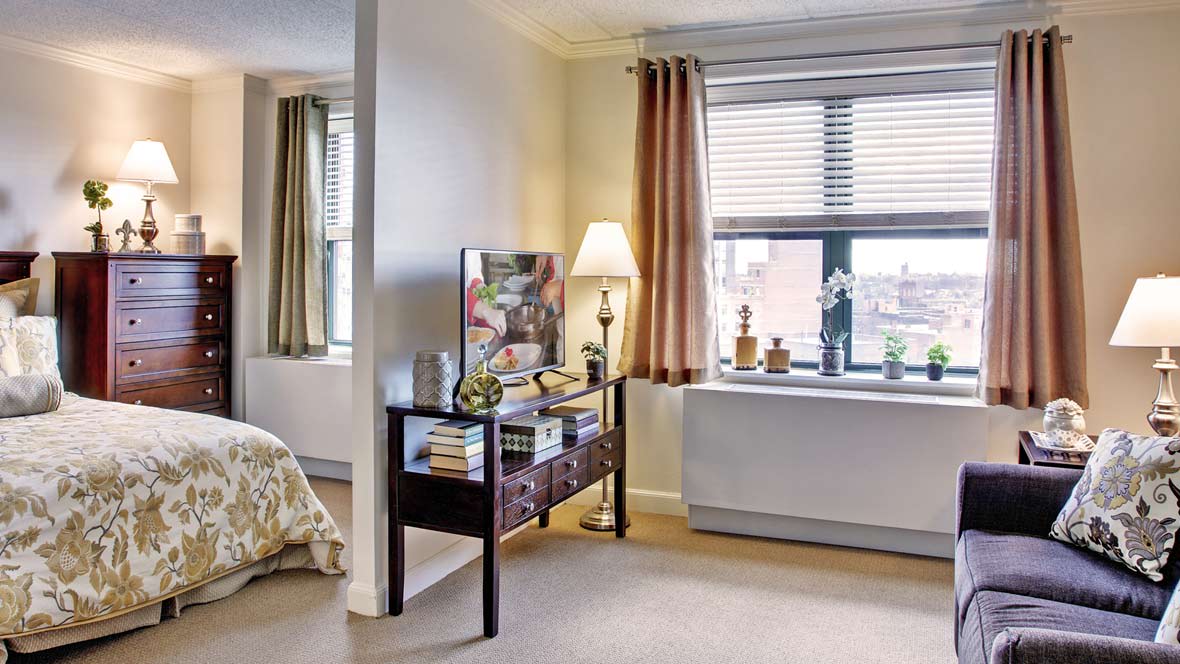
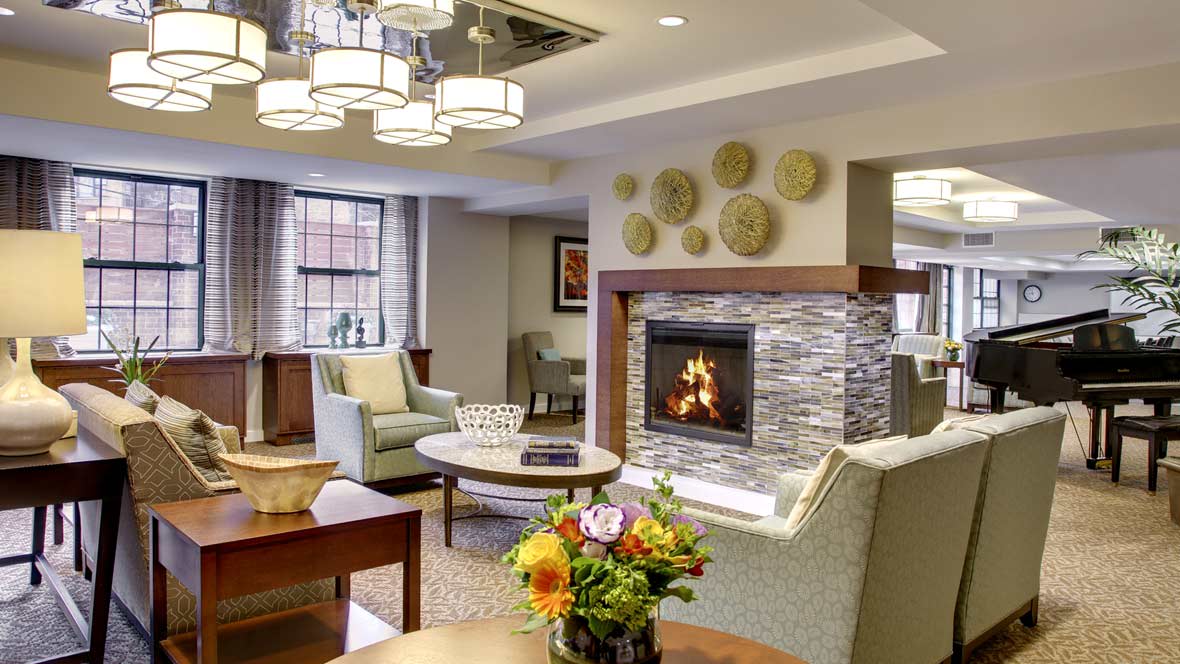
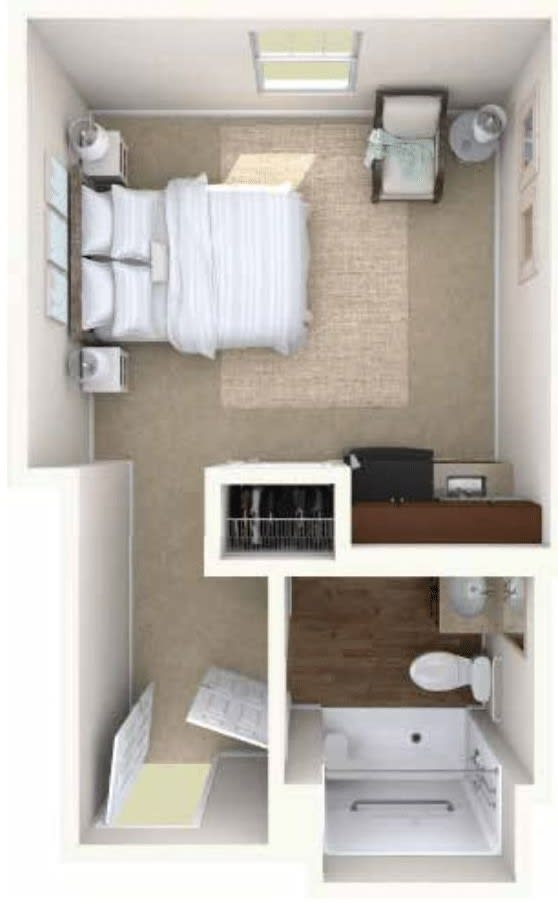
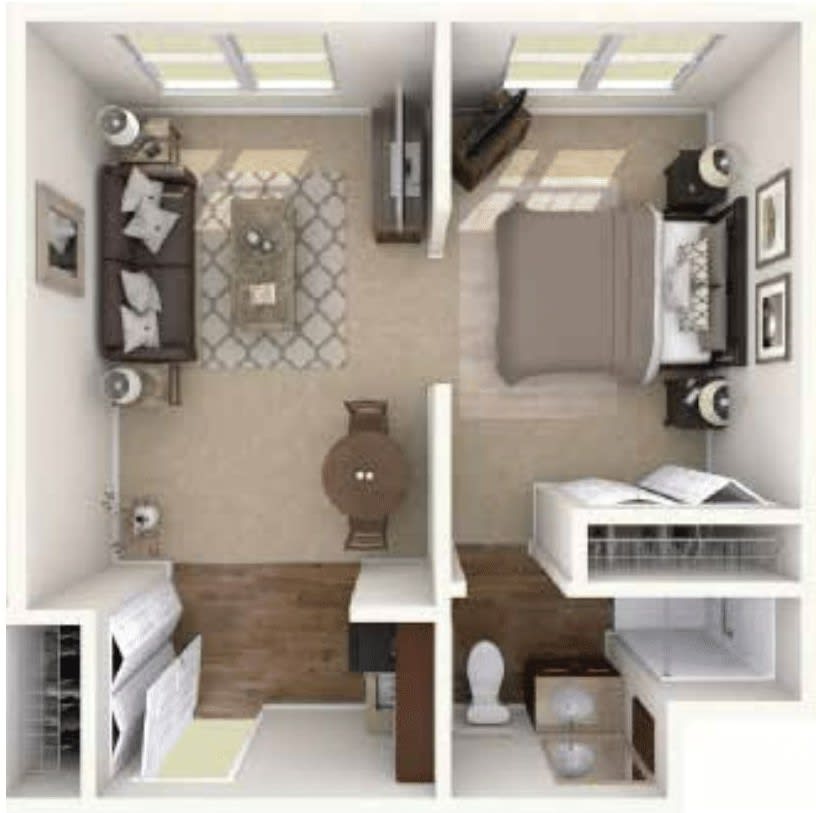
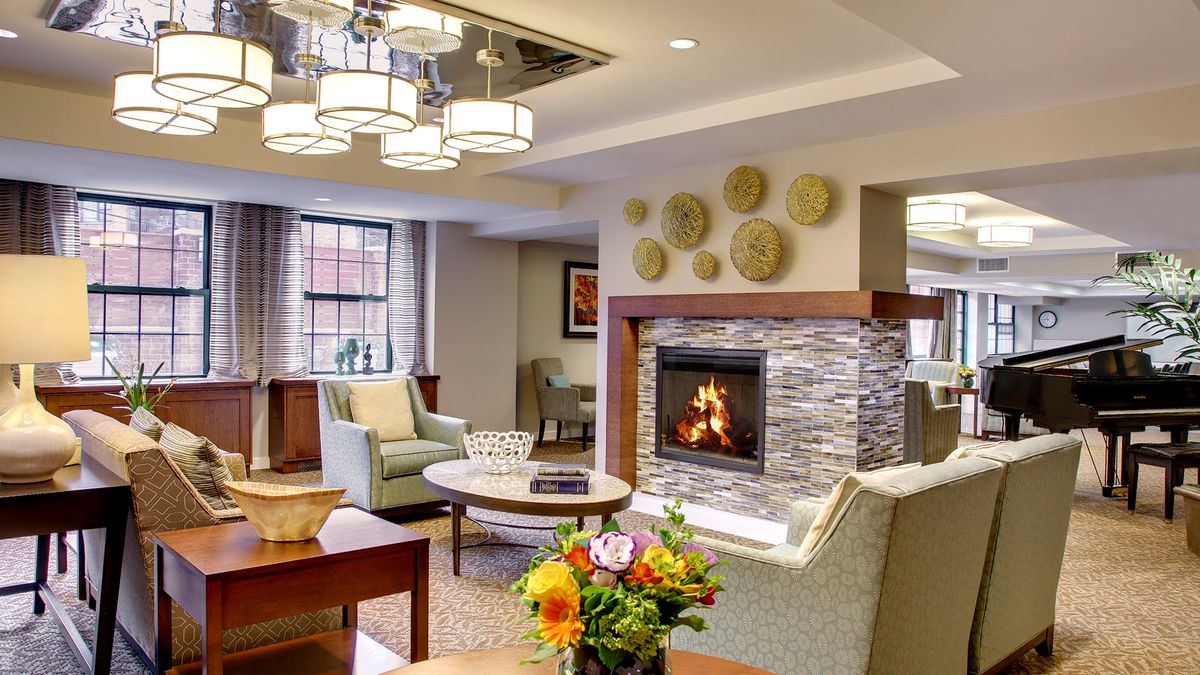
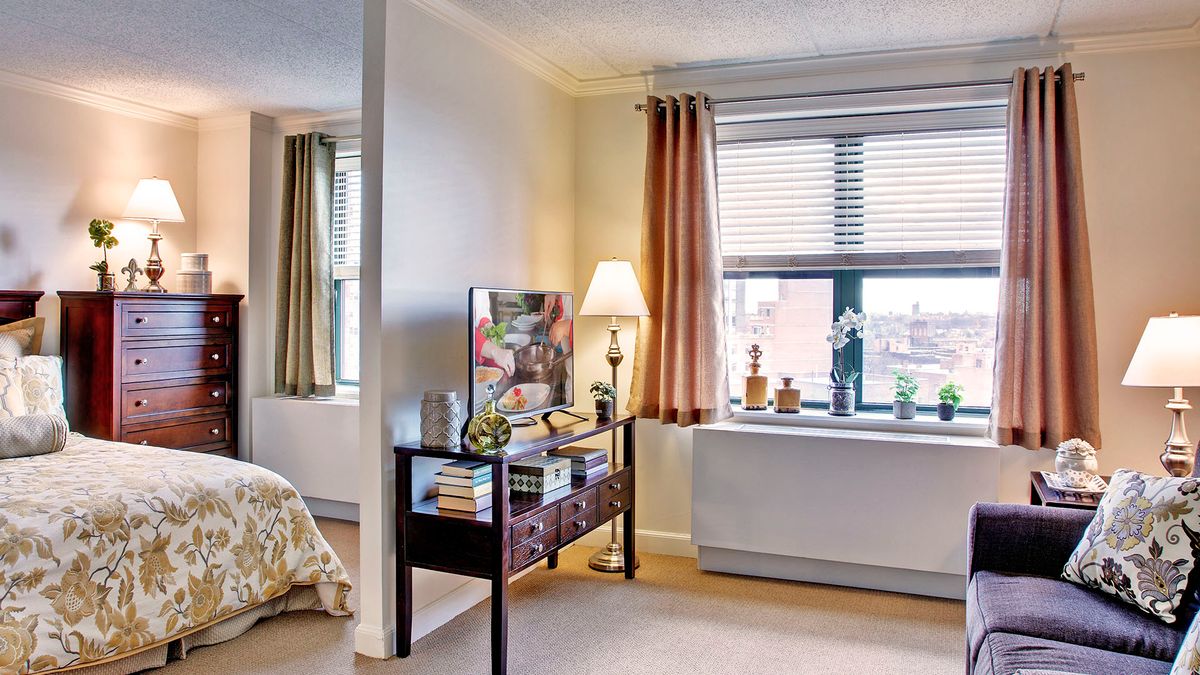
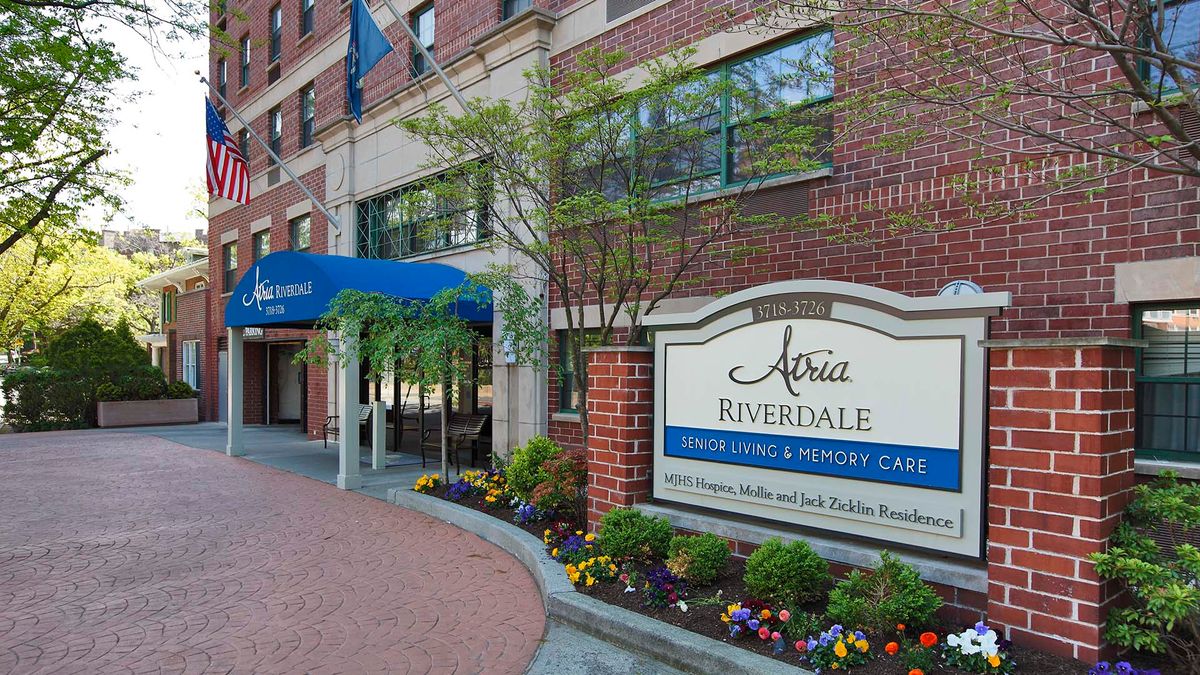
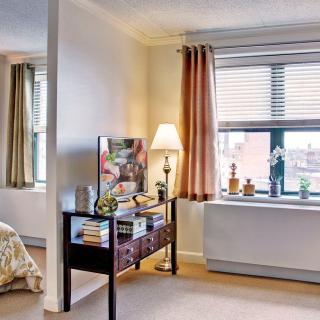
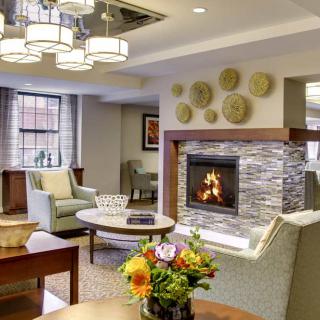
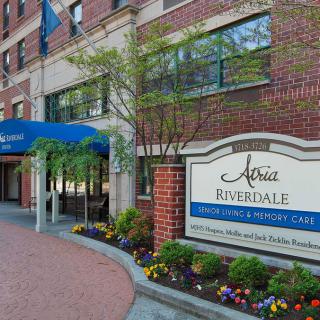
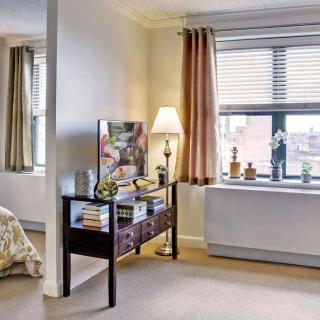
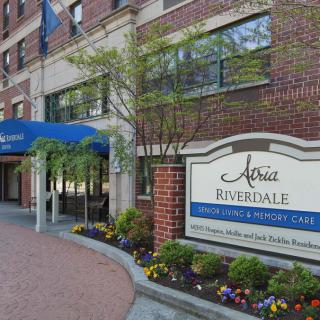
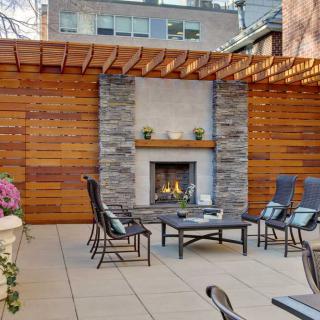
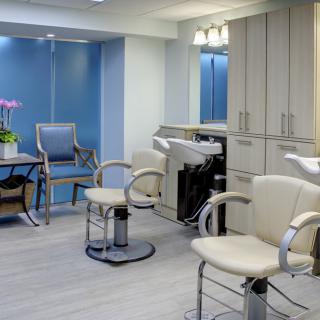
Atria Riverdale on seniors.fyi includes 24 photos including images showing interior, floor plan, dining, bedroom, decor, living room, bathroom, kitchen, and more.
Nearby Communities
Atria Home Care-Bronx, NYC, & Queens
Riverdale, NY
4 from 119 reviews
Wide range of on-site amenities and activities (theater, salon, library) with well-maintained apartments and available memory care/rehab services.
Senior Quarters At Riverdale
Bronx, NY
4.1 from 63 reviews
Excellent proximity to parks, pharmacies, doctors, restaurants, transportation, worship, theater, and hospitals.
Right at Home
Bronx, NY
4.5 from 10 reviews
Easy to work with and accommodating; compassionate caregiver who provided thorough in-home support.
Hudson Pointe At Riverdale Center For Nursing & Rehab
Bronx, NY
4.1 from 126 reviews
$9,900 / month
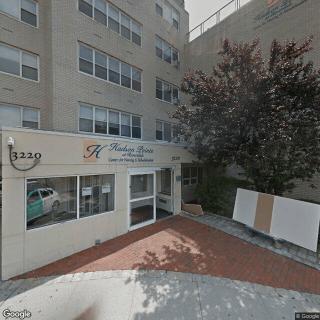
Clean, well-kept facility with compassionate aides and strong dining.
Methodist Home For Nursing And Rehabilitation
Bronx, NY
4.1 from 117 reviews
Compassionate, attentive staff with strong therapy services and private, homelike rooms.
Manhattanville Health Care Center
Bronx, NY
3.3 from 64 reviews
Extensive on-site amenities and 24/7 care services (private rooms, dining, transportation, activities).
Riverdale Manor
Bronx, NY
2.8 from 6 reviews
$2,200 to $4,400 / month
Clean, well-maintained living areas with attentive staff and active activities; modernization underway.
The New Jewish Home
Bronx, NY
3 from 11 reviews
Professional staff and a modern, well-maintained facility with responsive management
Hebrew Home For The Aged At Riverdale
Riverdale, NY
4.5 from 2 reviews
$3,500 to $10,500 / month
Clean, well-funded facility with attentive staff, extensive activities, and on-site medical services.
Dementia, influenced by aging and certain medications, may be exacerbated by drug classes such as anticholinergics, benzodiazepines, and antipsychotics, which are associated with cognitive impairment. Regular medication reviews by healthcare professionals are crucial for older adults to manage risks and optimize cognitive health.
Dementia often results in disrupted sleep patterns, leading to excessive daytime sleeping due to factors like brain damage affecting circadian rhythms, medication side effects, and lack of structure in daily activities. Caregivers must monitor these changes closely, as oversleeping can increase risks such as malnutrition or dehydration, and provide necessary support and routines to enhance patient engagement and well-being.
The transition from assisted living to skilled nursing care is often prompted by complex medical needs that assisted living cannot meet, with key indicators including frequent health declines, increased falls, severe memory issues, and caregiver burnout. Families should recognize these signs early to discuss options with healthcare providers and prepare for the emotional and logistical aspects of moving to a facility that offers comprehensive medical support.
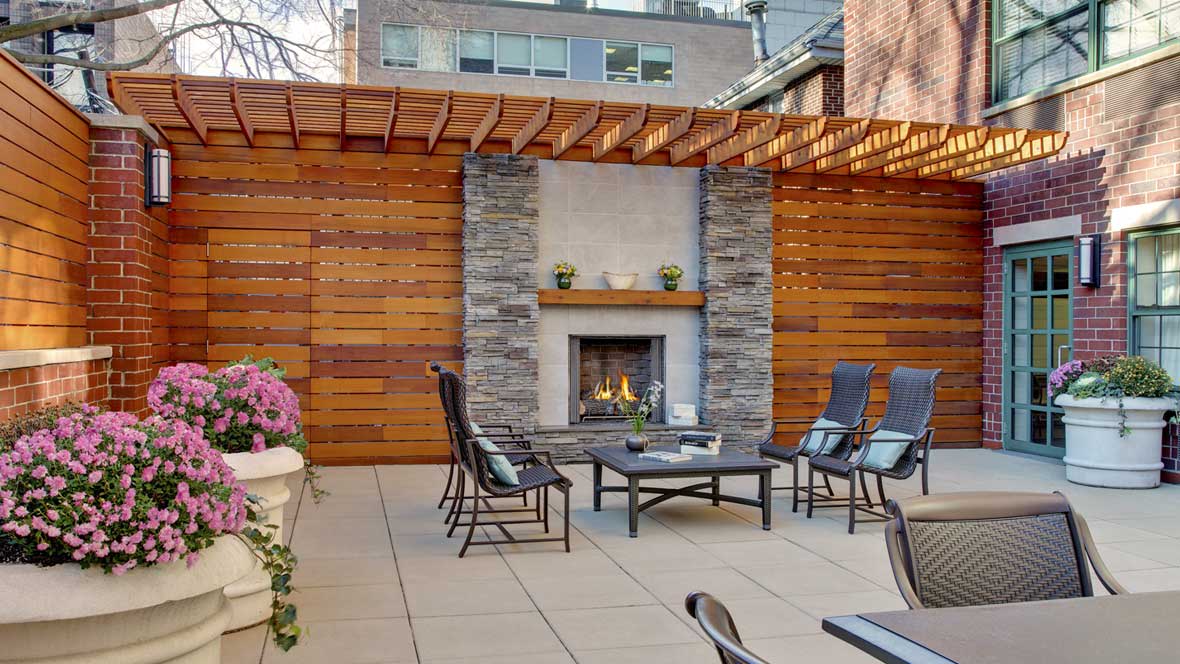
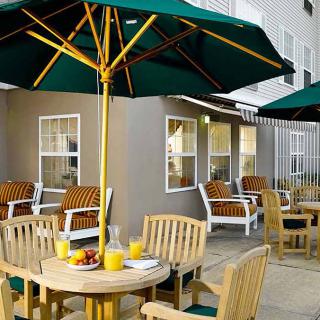
Patio, Outdoor Seating, Pergola, Stone Wall, and Wood Paneling
Salon
Natural Light and Living Space
Seating
Mirrors
Lighting Fixtures
Lounge Area
Bar and Indoor Lighting
Get PricingAsk A QuestionSchedule A TourContact Senior Advisor
By clicking submit, you agree to our Partner's Terms of Use. You
also consent to receive calls and texts, which may be autodialed, from our Partner. Your consent is not a condition to
using our Partner's service. Please visit our Partner's Privacy Policy for information about their privacy practices.










 195 resident community capacity
 1-bedroom apartments
 Assisted Living
 Independent Living
 Memory Care
 Skilled Nursing Facility
 Cats allowed
 Dogs allowed
 Activities off-site
 Air-conditioning
 Beautician on-site
 Cable or satellite TV
 Computer center
 Devotional services off-site
 Dining room
 Fitness room
 Full kitchen
 Fully furnished
 Gaming room
 Garden
 Guest parking
 Housekeeping services
 Indoor common areas
 Laundry
 Move-in coordination
 Outdoor common areas
 Pet friendly
 Private bathrooms
 Respite or short term stays offered
 Restaurant-style dining
 Small library
 Spa
Spa Telephone
 VA Benefits Consultation
 Wheelchair accessible showers
 Wi-Fi/high-speed internet available
 LaGuardia (8 miles away)
 Community operated transportation
 12-16 hour nursing
 24-hour call system
 Ambulatory care
 Assistance with bathing
 Assistance with dressing
 Assistance with transfers
 Diabetes diet
 Hospice waiver
 Incontinence care
 Medication management
 Mental wellness program
 Physical therapy
 Special dietary restrictions
 Transportation arrangement (medical)
 Art classes
 Concierge services
 Day trips and outings
 Educational speakers / life long learning
 Trivia games
 Wine tasting
 English
 Wide range of on-site amenities and activities (theater, salon, library) with well-maintained apartments and available memory care/rehab services.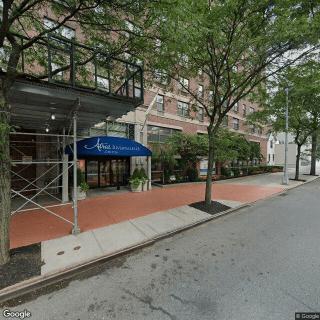



 A Thorough Discussion of Medications Potentially Linked to Dementia Risk
 Why Do Dementia Patients Sleep So Much? Understanding Oversleeping, Stages, and Care Approaches
 8 Key Indicators That Suggest It May Be Time to Transition from Assisted Living to Skilled Nursing Care