Residents and families frequently describe genuinely caring, attentive staff.
Many reviews say the staff is kind, accommodating, and professional, with nurses and aides who respond in a timely way. Families also mention staff showing compassion when concerns were raised, and some specifically praise nursing leadership during follow-ups. A few also note that there are staff members who can be hard to reach, but the overall pattern of positive caregiver impressions is strong.
caveat12 reviews mention this
Call response and staffing vary
Some residents describe long waits for help and missed responsiveness.
Several reviews describe delays getting assistance, including long waits to have someone changed or helped, and instances where calls to the nursing station went unanswered for extended periods. A number of reviewers connect the experience to understaffing, describing heavy workloads and limited coverage on site. Even when people describe some helpful staff members, these accounts commonly criticize communication and follow-through.
caveat13 reviews mention this
Cleanliness is praised, but smells persist
Reviews are split on cleanliness, with some residents reporting strong odors or dirty areas.
Positive reviews frequently mention clean rooms and a well-maintained building, along with an overall feeling of security. At the same time, other reviews report debris on floors, dirty rooms and bathrooms, and lingering smells described as urine and feces. Some comments also connect cleanliness concerns to broader care issues, such as delayed attention to residents’ needs.
common7 reviews mention this
Rehab and physical therapy support
Rehab services, especially physical therapy, are repeatedly mentioned in reviews.
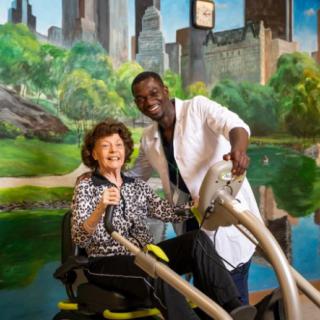
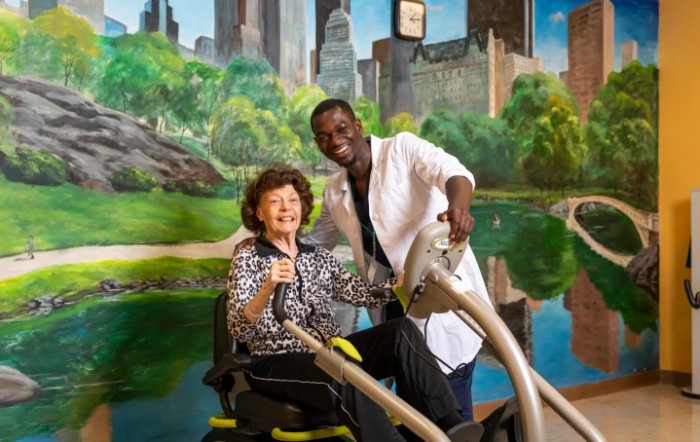
Multiple reviews praise physical therapy staff and describe rehab as a meaningful part of recovery, including residents staying engaged with exercises. Others describe occupational and physical therapy teams as professional and welcoming. This aligns with the community offering physical therapy within its care services.
common9 reviews mention this
Activities and religious programming
Residents and visitors mention frequent activities, including religious services.
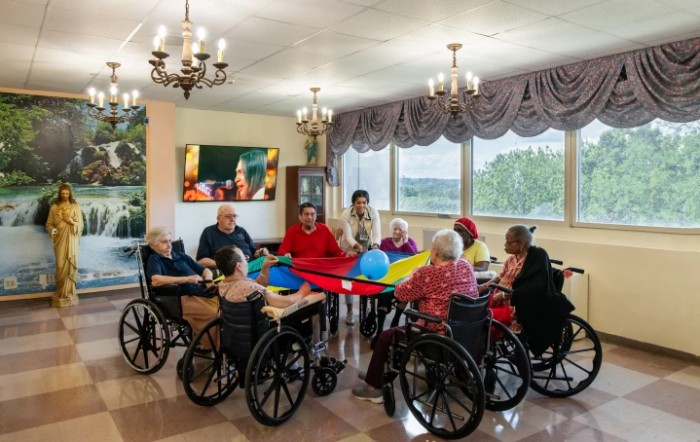
Reviews commonly point to organized daily activities such as games, community-sponsored events, and live or planned programming. Several also mention religious services, including mass and other faith-related events. The community’s activity calendar appears to be a consistent part of daily life for many residents, even though a few reviews say their loved ones were not interested or needed more engagement.
caveat5 reviews mention this
Food quality is a mixed point
Food quality and meal consistency receive both praise and complaints.
Some reviewers say the dining facility is good or that food works for their loved ones, and others mention accommodations during visits. Several reviews, however, criticize meals as bland or barely edible, or note mismatches with what was expected on trays. A few reviews also raise concerns about meal follow-through when residents may need assistance, which can turn dining into a care issue rather than just taste.
How we summarize
Counts show how many written reviews mention each theme; a review can touch several themes, and only frequently mentioned themes are displayed.
St Patricks Home employs a comprehensive suite of features designed to enhance the quality of life for residents with dementia and Alzheimer's, addressing both their physical and emotional needs. Assistance with dressing and bathing ensures that residents maintain personal hygiene and dignity, while meal preparation and service cater to specific dietary requirements, promoting nutrition essential for cognitive function. Medication management is critical in ensuring that residents receive proper dosages on schedule, thereby preventing health complications. Activities of daily living assistance supports independence in routine tasks, fostering a sense of accomplishment. Comprehensive 24-hour supervision provides security and immediate assistance during moments of disorientation or distress. Moreover, mental wellness programs engage residents cognitively, reducing anxiety and enhancing mood through structured activities. Lastly, physical therapy aids in maintaining mobility and overall physical health, which are vital for sustaining cognitive function over time. Together, these services create a supportive environment conducive to memory care and overall well-being.
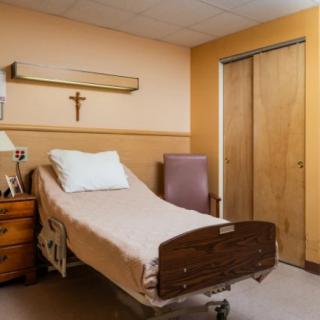
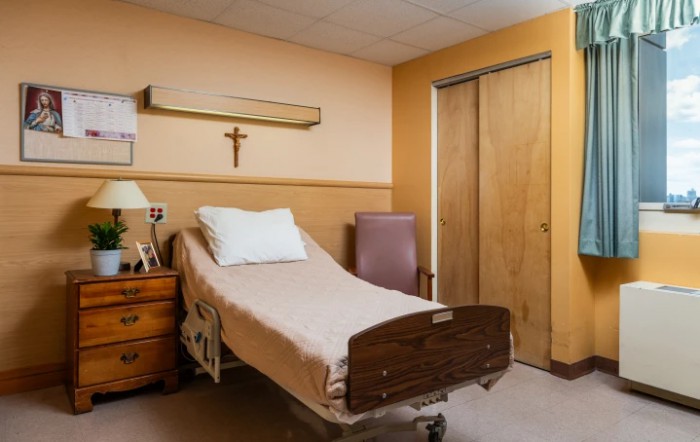
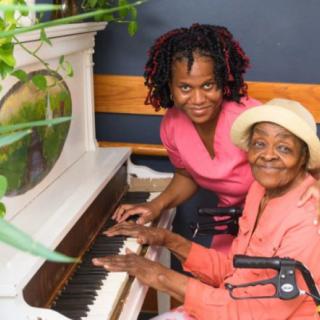
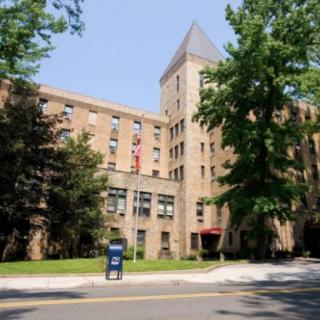
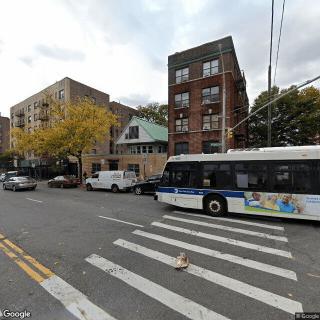
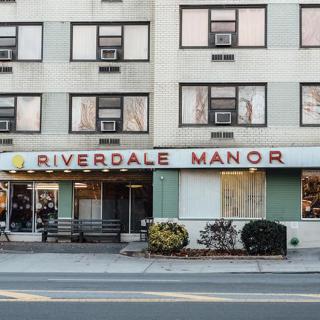
St Patricks Home on seniors.fyi includes 5 photos including images showing interior, exercise, rehabilitation, healthcare, fitness, building, architecture, office, and more.
Nearby Communities
The Citadel Rehab And Nursing Center At Kingsbridge
Bronx, NY
3.8 from 103 reviews
Extensive amenities and comprehensive care (dining, wellness, transportation, mental health support).
Bainbridge Nursing & Rehabilitation Center
Bronx, NY
4.5 from 121 reviews
Positive rehab outcomes and engaging activities.
Wayne Center For Nursing & Rehabilitation
Bronx, NY
4.5 from 116 reviews
Clean, homey environment with attentive staff, good communication, and solid therapy plus on-site amenities.
Mosholu Parkway Nursing & Rehabilitation Center
Bronx, NY
3.3 from 41 reviews
Extensive on-site amenities and comprehensive care (ADL support, dining, transportation, wellness programs, and private furnished rooms).
Methodist Home For Nursing And Rehabilitation
Bronx, NY
4.1 from 117 reviews
Compassionate, attentive staff with strong therapy services and private, homelike rooms.
Bedford Park Group Home
Bronx, NY
Convenient location with nearby parks, pharmacies, hospitals, dining, and transit.
Atria Home Care-Bronx, NYC, & Queens
Riverdale, NY
4 from 119 reviews
Wide range of on-site amenities and activities (theater, salon, library) with well-maintained apartments and available memory care/rehab services.
Riverdale Manor
Bronx, NY
2.8 from 6 reviews
$2,200 to $4,400 / month
Clean, well-maintained living areas with attentive staff and active activities; modernization underway.
The New Jewish Home
Bronx, NY
3 from 11 reviews
Professional staff and a modern, well-maintained facility with responsive management
Vibrant Senior Living emphasizes active senior living communities that promote independence and engagement through diverse amenities and activities, fostering wellness and social interaction among older adults. These communities range from independent to assisted living, with a focus on personal growth, family involvement, financial planning, and leveraging technology to enhance residents' experiences.
Assisted living provides moderate support for seniors seeking independence, while memory care offers specialized support for individuals with dementia or cognitive impairments through structured routines and trained staff. Key differences include care approaches, environment security measures, staff training levels, activity types, and cost considerations.
Choosing between assisted living and nursing homes involves evaluating emotional and financial factors, with assisted living offering independence and support for daily activities at a lower cost, while nursing homes provide intensive medical care for individuals with significant health needs. The decision is influenced by personal preferences, health status, cognitive function, and varying Medicaid coverage across states.
Windows, Building, Architecture, Office, and Urban
Healthcare, Rehabilitation, Fitness, and Exercise
Get PricingAsk A QuestionSchedule A TourContact Senior Advisor
By clicking submit, you agree to our Partner's Terms of Use. You
also consent to receive calls and texts, which may be autodialed, from our Partner. Your consent is not a condition to
using our Partner's service. Please visit our Partner's Privacy Policy for information about their privacy practices.



 264 resident community capacity
 Memory Care
 Skilled Nursing Facility
 Air-conditioning
 Beautician on-site
 Cable or satellite TV
 Cafe
Cafe Computer center
 Dining room
 Fitness room
 Fully furnished
 Gaming room
 Garden
 Housekeeping services
 Kitchenette
 Move-in coordination
 Outdoor space
 Party space
 Private bathrooms
 Restaurant-style dining
 Security gate
 Small library
 Spa
Spa Telephone
 Wi-Fi/high-speed internet available
 LaGuardia (7 miles away)
 Community operated transportation
 12-16 hour nursing
 24-hour call system
 Activities of daily living assistance
 Assistance with bathing
 Assistance with dressing
 Assistance with transfers
 Diabetes diet
 Medication management
 Mental wellness program
 Physical therapy
 Special dietary restrictions
 Arts and crafts
 Concierge services
 Games
Games Live musical performances
 Planned day trips
 Religious services
 English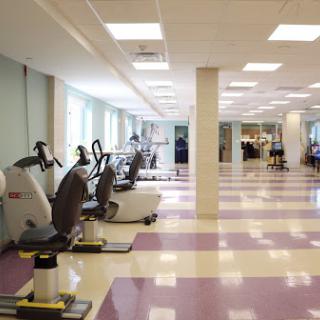
 Extensive amenities and comprehensive care (dining, wellness, transportation, mental health support).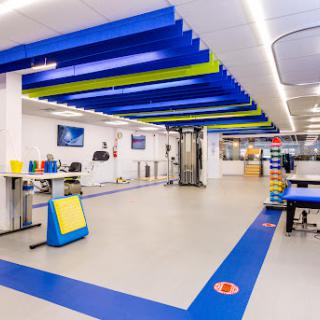


 Vibrant Senior Living: A Comprehensive Guide for Active Older Adults
 Assisted Living and Memory Care: Understanding Their Core Differences
 Choosing the Right Senior Care: A Detailed Exploration of Assisted Living and Nursing Homes