
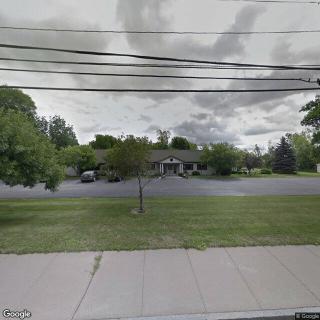
14012 Telegraph Rd, Albion, NY 14411
To contact a resident: (716) 589-5637
For more information about senior living options: (866) 208-4318
Overall Review of Orleans County Nursing Home
Pros
 The staff was very helpful!
Cons
 The facility is filthy and a decrepit, pitiful excuse for a senior care facility.
- The floors are dirty and sticky from dried urine.
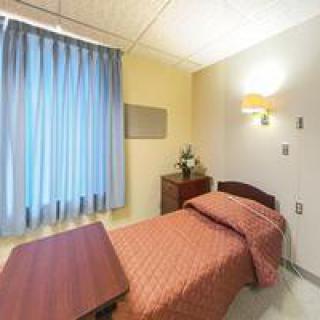
- It feels like it’s over 100 degrees inside, and the blinds are twisted and broken.
- There is zero contact with the staff; residents are only spoken to briefly to receive medications.
- The staff are negligent and rude; patients wait over an hour to use the toilet.
- The home does not have proper diets, causing constipation among many residents.
- Staff unplug call buttons when residents are too needy.
- Personal items go missing, and the staff are not warm or caring.
Review
Orleans County Nursing Home in Albion is best suited for families that must place a senior in care on a tight budget and can maintain close oversight of daily routines. It may work only for residents who require minimal assistance and whose families are prepared to intervene regularly to ensure basic safety, hygiene, and comfort. In short, this facility is not a hands-off option; it demands ongoing family involvement to compensate for gaps in staffing and care.
Those seeking consistent cleanliness, reliable staffing, and warm, person-directed care should look at alternatives. Other nearby nursing homes with better inspection histories, higher star ratings, and demonstrably stable caregiving teams will likely deliver more predictable experiences. Rehab-focused stays or expectations of prompt attention to bathroom needs, timely mobilization, and individualized dietary plans are particularly risky here.
From a narrow perspective, the occasional description of “the staff was very helpful” stands in contrast to pervasive reports of neglect and disorganization. That inconsistency matters: helpful touches do little to offset the daily reality of long waits for assistance, call buttons that go unanswered, or meals and diets that leave residents uncomfortable or constipated. The strongest pro, some staff courtesy, cannot counterbalance repeated complaints about warmth, attentiveness, and accountability.
Most troubling are the safety and sanitation failures described: filthy, overheated environments with floors that feel sticky from dried urine; blinds that are broken and fragile; a sense that basic maintenance is neglected. Several reviewers report patients waiting for extended periods to use the toilet, and staff unplugging call buttons when residents seem too needy. Personal items go missing, and there are credible worries about injuries and medical responsiveness when roommates create chaotic or crowded spaces. The mix of bed-ridden residents with mismatched roommates further erodes quality and dignity, underscoring a pattern rather than isolated incidents.
These factors translate into real risk: falls, dehydration or constipation from poor dietary oversight, medication mishandling, and the emotional toll of feeling unseen or unimportant. Families must weigh whether the facility’s lower cost justifies accepting frequent lapses in care, especially when serious medical or mobility needs are present. Given the tenor of the experiences shared, this community will likely continue to present a nontrivial burden on families who cannot supervise care in person. In short, safety, hygiene, and responsive caregiving are the decisive fault lines.
For families still evaluating options, several steps are warranted before making a decision. Inspect the latest state inspections and facility reports, tour with a critical eye for cleanliness and noise, and speak to multiple staff members and residents about response times and incident handling. Request a detailed, written plan for nutrition and hydration, and verify how meal plans would be tailored to any medical needs. Ask about how call-button reliability is monitored and what happens when it’s not within reach. If possible, arrange a trial stay or a structured review period with agreed milestones and family oversight. If those criteria cannot be met, pursue alternatives with stronger track records.
 Skilled Nursing Facility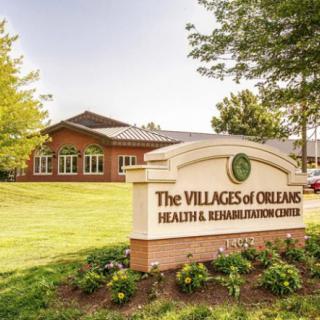



 Comprehensive Guide to Blood Pressure Charts for Older Adults: Understanding Normal and High Readings by Age
 Financing Long-Term Nursing Home Care Through Social Security: A Thorough Exploration
 Essential Knowledge on Pneumonia in Older Adults