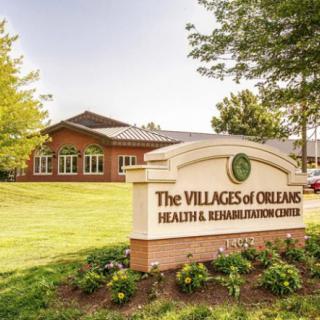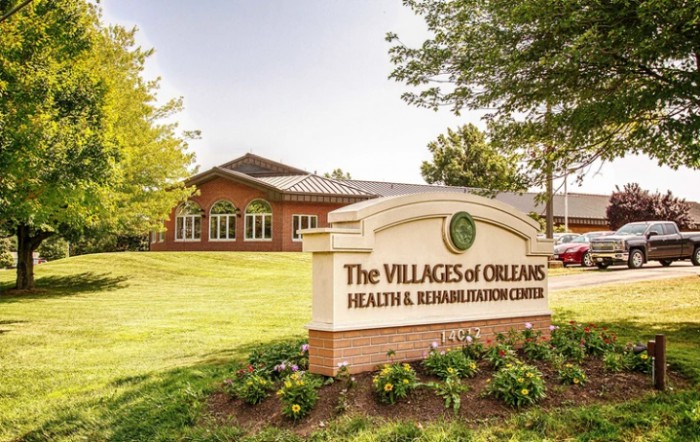
14012 Route 31, Albion, NY 14411
For more information about senior living options: (866) 208-4318
Overall Review of The Villages Of Orleans Health And Rehab Center
Pros
 The staff were very helpful.
- The staff were caring, competent, and friendly, and kept families informed.
- The mother was very happy there.
- The staff celebrated the resident's 100th birthday.
- The physical therapy was great at getting residents back on their feet and ready to go home.
- The head of physical therapy, Eric, was very professional and knowledgeable.
- Medical supplies were delivered within a couple of days.
- The facility has a great rehab unit.
Cons
 The facility is filthy, decrepit, and a deplorable place for the elderly.
- The floors are filthy with dried urine that sticks to sneakers.
- It feels like the interior is over 100 degrees, making it uncomfortably hot.
- The blinds in the rooms are twisted and broken.
- There is zero contact with the staff; residents only interact briefly to receive medications.
- The staff are negligent and rude, with patients waiting long times for basic care.
- The diet provided is improper, leaving many residents constipated.
- Staff unplug call buttons when residents are too needy.
- Rooms are dirty, drawers are broken and never fixed, and belongings frequently go missing.
Review
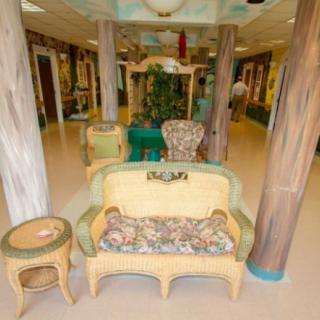
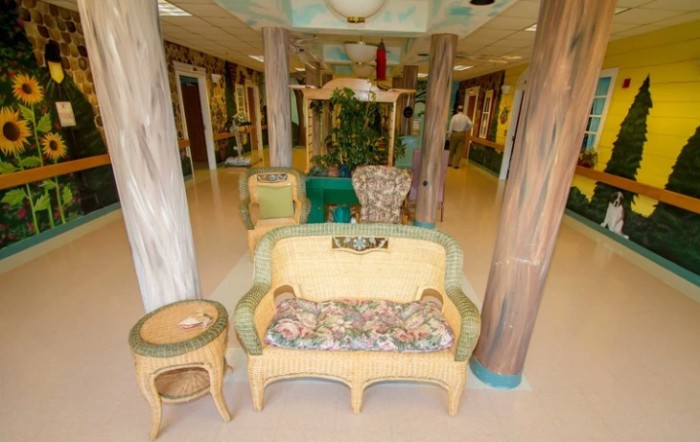
The Villages of Orleans Health and Rehab Center is best suited for families seeking a facility with a credible rehabilitation pathway and a memory-care environment that can feel welcoming when staffing is steady and attentive. The strongest case for this community comes from its rehabilitative unit and certain staff members who demonstrate competence, warmth, and reliability in getting residents back on their feet and connected with family. For memory care, there are notes of friendly, reliable care and meaningful activity in some cases, along with space that can feel open and comfortable when programs are present. This is not a one-size-fits-all choice; it rewards involvement and vigilance from families who want tangible rehab gains and a hopeful memory-care milieu.
Those evaluating options should explicitly consider alternatives if daily life safety and cleanliness are non-negotiables. Multiple observations across reviews describe dirty conditions, broken furniture, and rooms that feel neglected, alongside inconsistent responses from administration. Under-staffing and reports of rude or indifferent behavior by some staff members further raise red flags for families prioritizing dependable daily care, timely medication administration, and respectful treatment. If a loved one depends on prompt assistance, a constant call-button response, or predictable meal service, this facility may not meet expectations. In short, those who cannot tolerate variability in care quality should look at other communities first.
The strongest positives here center on rehab potential and certain positive staffing interactions. When therapy teams are engaged, physical therapy and the coordinated delivery of equipment and supplies can support progress toward discharge. In memory care, residents can benefit from generous space, engaging activities, and meals that some families found acceptable or good. In practical terms, the rehab program can deliver meaningful outcomes and the presence of caring clinicians in specific shifts helps families feel informed and involved. These elements demonstrate that, with the right team on duty, recovery and meaningful daily routines are achievable.
Counterbalancing these strengths are pervasive concerns about daily operations. Chronic understaffing translates into delays in basic care, difficulty locating staff, and gaps in supervision. Instances of patients left in soiled clothing or urine-soaked bedding, meals served cold or overcooked, and belongings going missing create an atmosphere of uncertainty and distrust. The lack of consistent administrative responsiveness compounds these issues, leaving families feeling unheard when concerns are raised. Taken together, the daily living environment can become a stressful backdrop to any meaningful clinical work happening in the rehab or memory-care areas.
Ultimately, the decision hinges on risk tolerance and care priorities. If a loved one requires intensive rehab and benefits from a defined therapy plan with reliable clinicians, the certified strengths of the rehab unit can justify a period of residence, provided family oversight remains active and frequent. For long-term, high-touch daily care, where clean surroundings, prompt attention, and steady communication are non-negotiable, the cons are likely to eclipse the pros. In such cases, a move to a facility with more robust staffing, proactive administration, and consistently clean conditions should be pursued. The choice should be grounded in a clear plan for monitoring care, setting expectations, and validating progress through regular visits and direct conversations with frontline staff.
In practical terms, families weighing this community should arrange multiple visits, at different times and days, to observe staffing patterns, responsiveness, and the overall environment. Ask blunt questions about med-management reliability, call-button maintenance, housekeeping, and incident follow-up. Tour the memory-care spaces with an eye for safety and engagement, and speak with current residents and families about daily routines and activities. Compare with nearby options to gauge how consistent quality varies across providers. The bottom line: The Villages of Orleans can be a viable recovery- and memory-care option for those who will actively monitor care and leverage the rehab strengths, but it demands caution and preparation for the likelihood of staffing and cleanliness inconsistencies.
 120 resident community capacity
 Skilled Nursing Facility
 Air-conditioning
 Beauty salon
 Cable or satellite TV
 Computer center
 Dining room
 Fitness room
 Fully furnished
 Gaming room
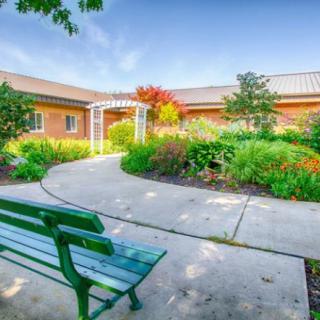
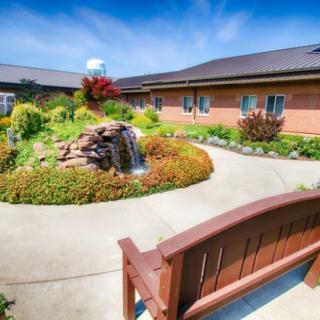
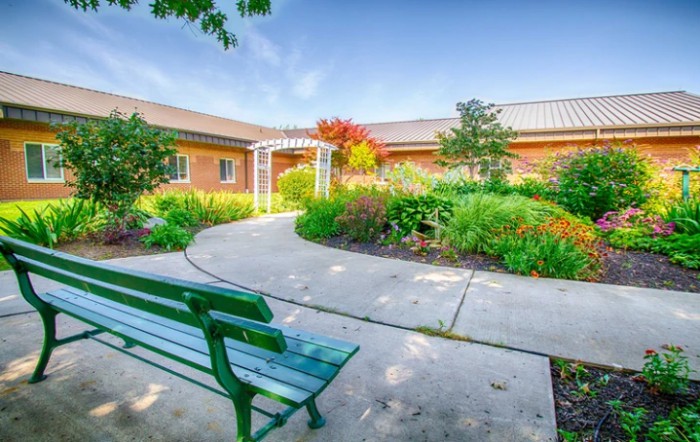
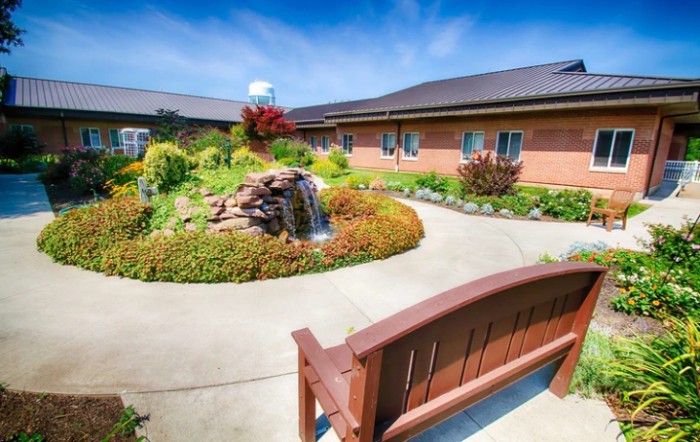
 Garden
 Housekeeping services
 Kitchenette
 Move-in coordination
 Outdoor space
 Private bathrooms
 Restaurant-style dining
 Small library
 Telephone
 Wellness center
 Wi-Fi/high-speed internet available
 Community operated transportation
 12-16 hour nursing
 24-hour call system
 Activities of daily living assistance
 Assistance with bathing
 Assistance with dressing
 Assistance with transfers
 Diabetes diet
 Medication management
 Mental wellness program
 Special dietary restrictions
 Concierge services
 Planned day trips




 Effective Strategies for Keeping Seniors' Minds Active: A Deep Dive into Brain Games and Apps
 In-Depth Look at the VA Aid and Attendance Program
 Nurturing Our Loved Ones: A Daughter's Journey in Caring for Her Mother