
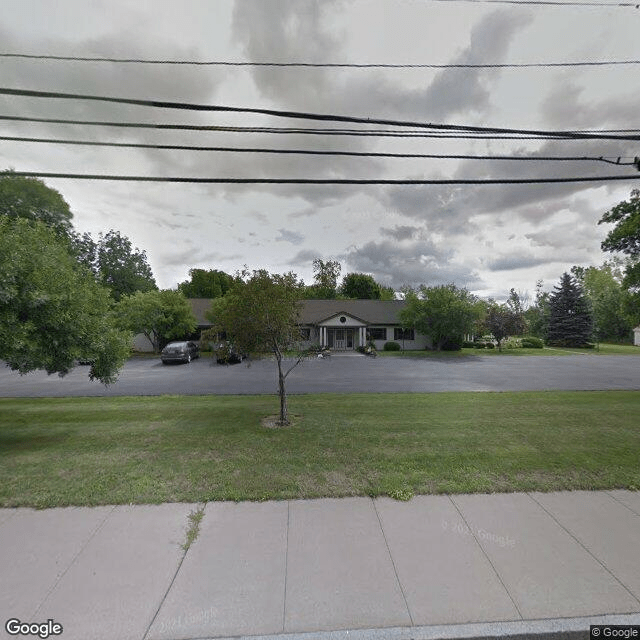
355 South Main Street, Albion, NY 14411
For more information about senior living options: (866) 208-4318
Cloverhill Adult Home Costs & Pricing
Cloverhill Adult Home offers a competitive monthly rate of $4,600 for private rooms, which aligns with the average cost in Orleans County but remains notably lower than the state average of $5,159 for similar accommodations. This pricing positions Cloverhill as an appealing option for families seeking quality care in a comfortable setting without straying far from the local market rates. The facility stands out by providing essential services and a supportive environment at a cost that is both reasonable and beneficial for residents and their families alike.
| Floor plans | Cloverhill Adult Home | Orleans County | New York |
|---|---|---|---|
| Private | $4,600 | $4,600 | $5,159 |
Assisted Living communities with a similar price nearby
-
from -$825 / mo
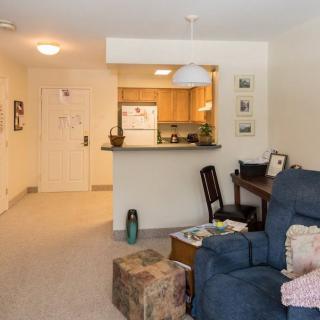
Seabury Woods
$3,775 to $5,250 / month23.7 miles away
Overall Review of Cloverhill Adult Home
Pros
 The community offers activities.
- The community is clean as a whistle.
- The food is good.
- The staff is very hardworking and pleasant.
- Melody, the director, has been terrific and has the patience of a saint.
- The place is clean and there are activities every day.
- The cousin is very happy after moving in and does not need nursing home care.
- The environment is safe, comfortable, and supportive.
- Emily is home.
Cons
 There were issues with the night staff treating the cousin rudely.
- Staff rearranged the cousin's room without her permission, and it did not work for her.
- The director is a nightmare, and the reviewer would not recommend this community.
- The staff do as little as possible for residents.
- There is no resident doctor on staff, so even minor incidents result in ambulance calls to the hospital.
- Residents have limited access to outdoors because staff are usually too busy.
Review
Cloverhill Adult Home in Albion, NY is best suited for seniors who want a clean, home-like setting with daily activities and solid meal service, and who do not depend on on-site nursing or immediate medical oversight. The strongest daily-life advantages are visible in the well-kept environment, reliable housekeeping, and a menu that residents report as tasty and ample. When a resident does not require nursing-home level care, Cloverhill can feel like a comfortable, manageable place to settle in, and one caregiver notes that a move there can become “the safe, comfortable, and supportive” world for a loved one.
However, families should be clear about when alternatives deserve consideration. The facility does not provide on-site resident doctors, and emergencies tend to trigger ambulance calls rather than in-house medical handling. This reality matters most for families whose loved ones have chronic conditions, frequent medication needs, or a requirement for timely clinical assessment. Leadership continuity and responsiveness are also a critical factor: multiple reviewers describe the management as problematic, with at least one account labeling the director a “nightmare,” while another story credits the director with strong, patient guidance. In short, Cloverhill can work well for those who can tolerate variability in leadership and limited clinical staffing.
On the positive side, the community earns credibility from consistent cleanliness and dependable meal quality, plus ongoing daily activities. The combination of a tidy environment and daily programming helps seniors stay engaged and feel socially connected, which is a meaningful contributor to overall well-being. A caregiver who reports a cousin thriving there highlights a practical, livable setting: a verifiable sense of safety, comfortable routines, and a supportive atmosphere when operations run smoothly. Even amid concerns, the core amenities, food, cleanliness, and activity options, remain tangible strengths that residents and families can rely on day-to-day.
Yet the negatives carry real weight. The most troubling themes center on staff engagement and responsiveness: reports that night staff can treat residents rudely, and that some staff appear to do the minimum, undermine trust in the care model. The lack of an on-site physician translates into routine reliance on external emergency services for health incidents, which can be disorienting and stressful for families. The frequent mention of limited outdoor access and a restrictive sense of autonomy also detracts from quality of life, especially for residents who value fresh air and a degree of independence. A recurrent thread is inconsistent leadership, with one account warning that room changes were made without consent, suggesting that resident preferences can be overridden in ways that feel disrespectful.
Balancing the pros and cons points families toward a practical conclusion: Cloverhill delivers a clean, comfortable, and engageable daily living environment, with dependable meals and routine activities that can support a dignified, socially active retirement. But those advantages can be offset by gaps in medical staffing, uneven staff responsiveness, and governance concerns that influence how care decisions get made. For seniors who are mostly independent but desire companionship and structured activities, Cloverhill can be a good fit if a careful, proactive family member remains involved and asks sharp questions about staffing, medical coverage, and room-change policies. For anyone with substantial medical needs or a preference for consistently proactive management, it is wise to explore alternatives.
When evaluating Cloverhill, prospective families should schedule robust on-site visits and insist on specific assurances. Request the on-call medical arrangements, a clear staffing schedule, and the exact process for urgent health concerns. Probe how room changes are handled and whether resident consent is documented. Speak with front-line staff about responsiveness and with residents who can share their day-to-day experiences. If leadership quality and medical coverage are non-negotiables, compare Cloverhill with other local options that offer on-site nurses or physicians, more transparent governance, and a demonstrable track record of consistent, compassionate care. The right choice hinges on aligning the facility’s strengths with the resident’s medical needs and the family’s tolerance for variability in management and responsiveness.
 44 resident community capacity
 Assisted Living
 Beauty salon
 Cable or satellite TV
 Dining room
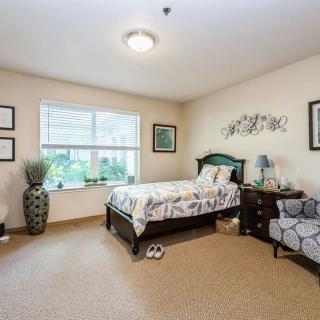
 Fully furnished
 Garden
 Housekeeping services
 Kitchenette
 Laundry
 Move-in coordination
 Outdoor space
 Restaurant-style dining
 Small library
 Telephone
 Wi-Fi/high-speed internet available
 24-hour call system
 Activities of daily living assistance
 Assistance with bathing
 Assistance with dressing
 Assistance with transfers
 Diabetes diet
 Medication management
 Mental wellness program
 Special dietary restrictions




 Comprehensive Residential Support and Assisted Living Solutions for Individuals with Disabilities
 Comprehensive Supportive Living Arrangements for Adults with Disabilities
 Funding and Affording Assisted Living: A Thorough Overview