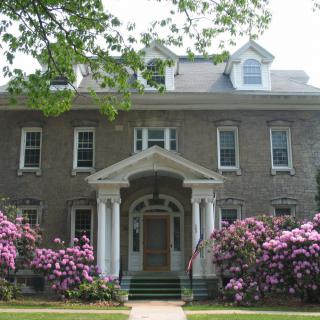
Medina Memorial Hospital

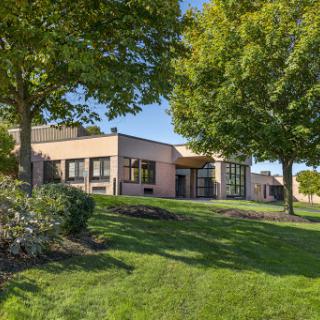
200 Ohio Street, Medina, NY 14103

For more information about senior living options: (844) 490-3973

3.1 from 76 reviews
5 stars
37
4 stars
4
3 stars
0
2 stars
3
1 stars
32

Skilled Nursing Facility

Overall Review of Medina Memorial Hospital

Pros

  • pro Medina Memorial Hospital's ER and staff are repeatedly described as compassionate, efficient, and patient-centered.
  • pro Jill at the MMH ENT Clinic is praised for exceptional dedication and for connecting patients with the right specialist.
  • pro The North Wing staff are described as outstanding, with warmth, patience, and attentiveness toward residents.
  • pro The reception/registration team is commended for kindness and efficiency in handling families.
  • pro Nurse Brooke Wells is lauded as an absolute angel for her kindness and attentiveness.
  • pro The radiology staff are noted as pleasant and professional.
  • pro Dr Wronecki and the Orleans Community Health team are complimented for professional, courteous service and follow-up.

Cons

  • pro The ER is described as horrible, with jaded nurses and an entitled doctor who are rude to patients.
  • pro Staff are accused of gossiping in the back and in the hall, delaying patient intake by 30 minutes or more.
  • pro The hospital is labeled unacceptable, with the reviewer stating they would never return.
  • pro EMS responders report rude treatment from ER staff, including disdainful questions about why a patient was brought there and plans to transfer due to unavailable services.
  • pro A nurse is alleged to have asked, in front of a patient, whether the patient "has bugs," indicating a disrespectful environment.
  • pro For suspected fractures, the ER is criticized for sending patients home rather than properly evaluating them.

Review

Medina Memorial Hospital sits at the center of a busy, multi-faceted health network in its community, and the collected experiences of patients and their families paint a portrait of a facility that inspires both deep gratitude and pointed frustration. On one hand, many visitors emphasize compassionate, patient-centered care across multiple departments, from the emergency room to the second floor and the outpatient clinics. On the other hand, there are repeated reminders that administrative delays, perceptions of indifference, and occasional gaps in service can color a person's hospital experience in a way that lingers long after a visit ends. Taken together, the reviews reveal a hospital that is capable of outstanding care in moments of need, yet still grappling with operational challenges that affect patient flow, communication, and morale.

A recurring thread in the feedback concerns the ER, where a few patients report a rushed or disorganized start to care, along with moments of frustration about how the waiting process is managed. One account describes arriving early in the morning only to find staff who "sit and talk" while the patient is kept waiting, with it taking "at least 30 mins or more to call us in." The writer does not shy away from strong language, calling the experience "unacceptable" and stating a clear hatred for the hospital in those moments. The objection isn't about lack of clinical skill but about perceived priorities and efficiency in the front-end intake process, where the initial impression can set the tone for the entire visit.

That same account also notes a proactive and ultimately corrective response: after posting about the experience, the patient says they reached out to a staff member named Melanie, who was described as "fantastic, receptive, and appropriately horrified" by the shortcomings seen in the ER. The post also mentions contacting the New York State Department of Health and the Office of Professions, signaling that this family sought formal avenues to address what they viewed as a systemic pattern rather than a one-off incident. In their recounting, there are also sharp, troubling examples of how ambulances and first responders have been treated when bringing critical patients to the ER, including a nurse asking in front of a patient, "Does she have bugs?" and a physician suggesting a transfer because certain services were not offered on site. The underlying message is that stabilization and safe triage are the hospital's obligations, especially when responders are working under the demanding conditions of pre-hospital care.

Beyond the ER, there are glowing testimonials about individual clinicians and clinics that counterbalance the negative anecdotes. Jill at the ENT Clinic is highlighted as a standout: her dedication and persistence in pursuing relief for a chronic condition are described as exceptional. She took the time to understand concerns, connected the patient with a specialist, and rapidly moved toward a care plan. The sentiment is echoed by others who note that Medina Memorial Hospital's ENT team and related specialists can make a meaningful difference when approached with the right questions and the right guidance. It's a reminder that excellence in care can be highly targeted and deeply impactful, even in a hospital that faces complaints in other areas.

The North Wing appears in several accounts as a domain of especially strong compassion and professionalism. A family member of a patient with terminal cancer recalls the staff on the North Wing as "amazing," praising the Drs, nurses, aides, and support staff for their patience, warmth, and the sense that they genuinely cared for the resident's comfort and dignity. The story of a Christmas tree and a CD player with Christmas music, provided at a time of intense need, underscores the human touch that makes a difficult stay more bearable. Even in moments of sorrow, the impression is that the caregiving team found small, meaningful ways to honor the patient and support the family.

There are also many stories of positive, efficient care in urgent moments. One patient describes a boating accident with a laceration in which every member of the care team - reception, the nurse, the attending physician - carried out their roles with calm efficiency, turning a frightening situation into a smoother, more reassuring experience. Another family recounts bringing a feverish, pediatric patient in the middle of the night, where a nurse named Brooke Wells was described as an "absolute angel" who combined kindness with practical nursing skill. The attending physician's thoroughness - ensuring tests were comprehensive and nothing missed - left the family feeling grateful for swift relief and a clear plan. These vignettes illustrate Medina Memorial's capacity for high-quality, patient-centered care when the system is functioning smoothly.

There is also recognition of improvements over time and of staff who go above and beyond to meet the needs of patients and families. An account of a 13-month-old with a fever emphasizes targeted, compassionate care, from the front desk staff who recognize the parent's burden, to the nursing team that provides calm, age-appropriate comfort, to the medical team that delivers decisive, thorough evaluation. A separate post applauds the radiology department for its pleasant staff and notes satisfaction with an outpatient surgical procedure conducted with courtesy and professionalism. Another resident of the community shares a deeply meaningful memory of a family member's stay on the second floor, where care, mindfulness, and acts of personal kindness left a lasting, positive impression.

Finally, there are voices that acknowledge the hospital's role in the broader system of care in the region, including a recent time when a patient in distress sought faster, more responsive service elsewhere after a prolonged ER wait - but later the same hospital is described as having delivered a smoother, more efficient experience on a subsequent visit. A reviewer concludes with a straightforward, grateful assessment of a weekend ER encounter in which a provider from a nearby organization delivered professional service and a nurse named Amanda stood out for kindness, alongside a physician who followed up with a post-visit call. Taken together, these accounts reflect a hospital that is capable of remarkable care, particularly in high-demand or emotionally charged situations, while also contending with routine operational pressures that can impede smooth, timely access to care.

In sum, Medina Memorial Hospital emerges as a place of dual realities: moments of exceptional, compassionate, patient-centered care and moments of frustration born from delays, miscommunications, or perceived indifference. The hospital's advocates point to dedicated clinicians - ENT specialists like Jill, nurses like Brooke Wells and Amanda, and physicians who take the time to listen and follow up - as evidence of the quality that is possible when team members are aligned with the goal of patient well-being. At the same time, concerns about ER wait times, questions about triage and service availability, and the experience of first responders who expect prompt, respectful treatment remind readers that there is work to be done. For families navigating emergencies, chronic conditions, and the everyday realities of hospital life, the overarching message remains clear: remarkable care can be found here, but consistent access to that care - and the dignity of those seeking it - depends on continual attention to communication, efficiency, and the human elements that define healing.

Features

Housing

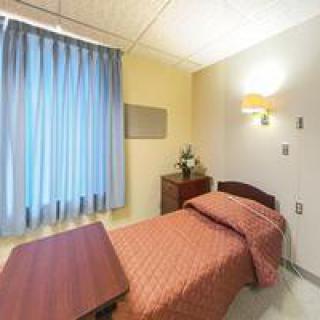
  • 30 resident community capacity 30 resident community capacity

Types of Care

  • Skilled Nursing Facility Skilled Nursing FacilitySkilled Nursing Facilities are crucial for seniors as they provide round-the-clock medical care, rehabilitation services, and assistance with daily activities. These facilities ensure that seniors receive the specialized care they need to maintain their health and well-being as they age.

Amenities

  • Beauty salon Beauty salonBeauty salons are important for seniors because they provide a space for them to feel pampered, socialize, and maintain their personal grooming and hygiene. Regular visits to a beauty salon can help boost seniors' self-esteem and overall well-being.
  • Cable or satellite TV Cable or satellite TVCable or satellite TV is important for seniors because it provides entertainment, news, and companionship, helping to combat loneliness and boredom. It also offers a wide range of programming options tailored to different interests and preferences.
  • Dining room Dining roomDining rooms are important for seniors as they provide a space for socialization, connection, and nutritious meals. They offer opportunities for residents to bond over shared meals, foster a sense of community, and promote healthy eating habits. Dining rooms also ensure that seniors have access to well-balanced meals tailored to their dietary needs and preferences.
  • Fully furnished Fully furnishedFully furnished senior living communities are important for seniors because they provide convenience, comfort, and a hassle-free moving experience. Seniors can easily settle into their new living space without the stress of having to buy and move furniture. This allows them to focus on enjoying their new home and community.
  • Garden GardenGardens are important for seniors as they provide a peaceful and therapeutic environment for relaxation, physical activity, and socialization. Being in nature has been shown to reduce stress, improve mood, and promote overall well-being. Gardens also offer opportunities for seniors to engage in gardening activities, which can improve mobility, flexibility, and cognitive function. Additionally, gardens create a sense of community and connection with others who share a passion for plants and outdoor spaces.
  • Housekeeping services Housekeeping servicesHousekeeping services are important for seniors because they help maintain a clean and safe living environment, promote independence, and reduce the risk of accidents or illnesses. Additionally, having assistance with household chores can alleviate physical strain and allow seniors to focus on other aspects of their well-being.
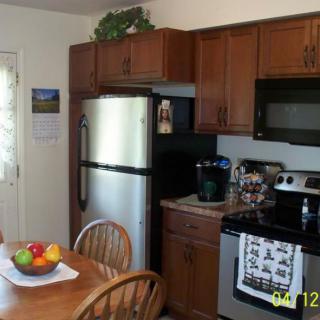
  • Kitchenette KitchenetteKitchenettes are important for seniors living in senior living communities because they provide the convenience and independence of being able to prepare simple meals and snacks in the comfort of their own living space. This can help promote a sense of autonomy and well-being for seniors, allowing them to maintain some level of control over their dietary choices and daily routines.
  • Move-in coordination Move-in coordinationMove-in coordination is important for seniors because it helps ease the transition into their new living environment. It ensures that all logistics, such as packing, organizing movers, and setting up utilities are taken care of, allowing seniors to focus on settling in and adjusting to their new home. Having a smooth move-in process can alleviate stress and anxiety, making the transition smoother and more enjoyable for seniors.
  • Outdoor space Outdoor spaceOutdoor spaces are important for seniors as they provide opportunities for physical activity, social interaction, exposure to natural light and fresh air, and a sense of connection to nature. Having access to outdoor spaces can improve overall well-being and quality of life for older adults living in senior communities.
  • Restaurant-style dining Restaurant-style diningRestaurant-style dining is important for seniors because it allows them to enjoy delicious, nutritious meals in a social and upscale setting. This enhances their dining experience, promotes healthy eating habits, and fosters socialization with fellow residents, ultimately contributing to their overall well-being and quality of life.
  • Small library Small librarySmall libraries are important for seniors as they provide access to a variety of reading materials, including books, newspapers, and magazines. This can help stimulate their minds, keep them engaged, and provide a sense of community through book clubs and other social activities. Additionally, reading has been shown to improve cognitive function and overall mental well-being in older adults.
  • Telephone TelephoneTelephones are important for seniors as they provide a lifeline for communication with loved ones, emergency services, and healthcare providers. They offer a sense of security and independence, enabling seniors to stay connected and access assistance when needed.
  • Wi-Fi/high-speed internet available Wi-Fi/high-speed internet availableWi-Fi/high-speed internet is important for seniors to stay connected with loved ones, access online resources, and participate in virtual activities to combat feelings of loneliness and isolation. It also allows them to easily manage healthcare needs, access entertainment, and engage in lifelong learning opportunities.

Care Services

  • 24-hour call system 24-hour call system24-hour call systems are important for seniors because they provide peace of mind and immediate assistance in case of emergencies. This technology ensures that help is always available, promoting safety and security for elderly individuals living alone or in assisted living facilities.
  • 24-hour supervision 24-hour supervision24-hour supervision is important for seniors to ensure their safety, well-being, and access to immediate assistance in case of emergencies or health issues. This constant support provides peace of mind for both seniors and their loved ones, allowing them to age in place with dignity and security.
  • Activities of daily living assistance Activities of daily living assistanceActivities of daily living assistance are important for seniors because they provide essential support with tasks such as eating, bathing, dressing, and mobility. This assistance helps seniors maintain their independence, dignity, and overall quality of life as they age.
  • Assistance with bathing Assistance with bathingAssistance with bathing is crucial for seniors as it helps maintain personal hygiene, prevents infections, and ensures their overall well-being and comfort. It also provides a sense of dignity and independence for seniors who may struggle with this task on their own.
  • Assistance with dressing Assistance with dressingAssistance with dressing is important for seniors because it helps maintain their independence, promotes personal hygiene, prevents accidents and injuries, and improves overall quality of life. This service ensures that seniors can continue to dress comfortably and confidently, despite any physical limitations they may have.
  • Assistance with transfers Assistance with transfersAssistance with transfers is crucial for seniors as it helps prevent falls and injuries, maintains their independence, and ensures they can safely navigate their living environment. It also provides peace of mind for both seniors and their loved ones.
  • Diabetes diet Diabetes dietA diabetes diet is crucial for seniors as it helps manage blood sugar levels, reduce risks of complications, and improve overall health and well-being. By following a balanced and nutritious diet tailored to their specific needs, seniors can better control their diabetes and enhance their quality of life.
  • Meal preparation and service Meal preparation and serviceMeal preparation and service are crucial for seniors as they may have limited mobility or energy to cook nutritious meals. Having access to healthy and convenient food options can ensure they are getting the proper nutrition needed to maintain their overall health and well-being.
  • Medication management Medication managementMedication management is crucial for seniors to ensure they are taking the right medications at the correct dosages and times. This helps prevent adverse drug interactions, reduces the risk of medication errors, and promotes overall health and well-being. Proactive management also allows for adjustments as needed based on changing health conditions or new prescriptions.
  • Mental wellness program Mental wellness programMental wellness programs are essential for seniors as they promote cognitive stimulation, emotional support, and social engagement. These programs help prevent isolation, depression, and cognitive decline, ultimately enhancing the overall quality of life for older adults.
  • Special dietary restrictions Special dietary restrictionsSpecial dietary restrictions are important for seniors because age-related changes in metabolism and health conditions can make it difficult for their bodies to process certain foods. By following a diet tailored to their specific needs, seniors can maintain their overall health and well-being, manage chronic conditions, and reduce the risk of complications such as malnutrition or food interactions with medications.

Dining

  • Diabetes diet Diabetes dietA diabetes diet is crucial for seniors as it helps manage blood sugar levels, reduce risks of complications, and improve overall health and well-being. By following a balanced and nutritious diet tailored to their specific needs, seniors can better control their diabetes and enhance their quality of life.
  • Special dietary restrictions Special dietary restrictionsSpecial dietary restrictions are important for seniors because age-related changes in metabolism and health conditions can make it difficult for their bodies to process certain foods. By following a diet tailored to their specific needs, seniors can maintain their overall health and well-being, manage chronic conditions, and reduce the risk of complications such as malnutrition or food interactions with medications.

Activities

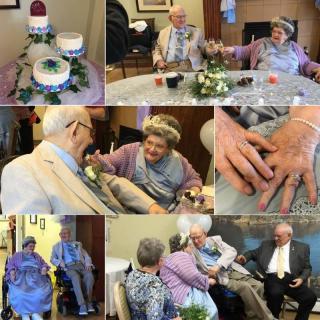
  • Community-sponsored activities Community-sponsored activitiesCommunity-sponsored activities are important for seniors as they provide opportunities for social interaction, mental stimulation, and physical activity. These activities can help improve overall well-being, combat loneliness and isolation, and promote a sense of belonging and purpose among older adults.
  • Resident-run activities Resident-run activitiesResident-run activities are important for seniors as they encourage social interaction, creativity, and a sense of autonomy. These activities empower seniors to stay engaged and active in their community while fostering meaningful connections with their peers.
  • Scheduled daily activities Scheduled daily activitiesScheduled daily activities are important for seniors because they provide structure, socialization, mental stimulation, and physical activity. Engaging in regular activities can improve overall well-being and quality of life for seniors living in a community setting.

Description

Medina Memorial Hospital in Medina, NY is an assisted living community that offers a wide range of amenities and care services to ensure the comfort and well-being of its residents. The community provides fully furnished accommodations with amenities such as cable or satellite TV, Wi-Fi/high-speed internet, telephone service, and housekeeping services.

Residents can enjoy delicious meals prepared by professional chefs in the on-site dining room, which offers restaurant-style dining. Special dietary restrictions are also taken into consideration to accommodate individual needs. Additionally, there is a small library for residents to relax and indulge in their favorite books.

The care services provided at Medina Memorial Hospital include 24-hour supervision by trained staff who provide assistance with activities of daily living such as bathing, dressing, and transfers. Residents with diabetes benefit from specialized diet plans tailored to their needs. Medication management ensures that residents receive the necessary medications at the right time.

The community also focuses on mental wellness with a dedicated program that promotes emotional well-being among residents. Daily scheduled activities keep residents engaged and entertained throughout the day. Resident-run activities foster a sense of community and encourage social interaction among neighbors.

Conveniently located near various amenities and services, Medina Memorial Hospital offers easy access to two cafes, five pharmacies, five physicians' offices, ten restaurants, two transportation options, three places of worship, one theater nearby. Additionally, there are five hospitals in close proximity for any medical emergencies or specialized care needs.

Overall, Medina Memorial Hospital provides a comfortable and supportive environment for seniors seeking assisted living. With its range of amenities and comprehensive care services combined with convenient access to local amenities and medical facilities, it is an ideal choice for those looking for quality senior living in Medina, NY.

Nearby Places of Interest

Hospitals

  • Medina Memorial Hospital (0 miles)
  • Orleans Community Health (0 miles)
  • Medina Memorial Health Care (0.1 miles)
  • Women's Health Center (0.1 miles)
  • Community Partners (0.5 miles)
  • Eastern Niagara Hospital (14.1 miles)
  • Lockport Memorial Hospital (14.1 miles)

Physicians

  • Khalaf Mohammed MD (0 miles)
  • United Memorial Women's Care (0.1 miles)
  • Lake Plains Medical (0.1 miles)
  • Lake Plains Eye Center (0.3 miles)
  • Dr Stahl's office (4 miles)
  • Other County Offices, Public Health (9.2 miles)
  • Oak Orchard Community Health Center (9.9 miles)

Restaurants

  • Zambistro Restaurant (0.5 miles)
  • Avanti Gourmet Pizza & Old Fashioned Subs (0.6 miles)
  • The Bread Basket (0.6 miles)
  • Country Club Family Restaurant (0.6 miles)
  • McDonald's (1.1 miles)
  • Double Dips (1.1 miles)
  • Cusimano's Pizzeria (1.2 miles)

Cafes

  • Shirt Factory Cafe (0.5 miles)
  • Tim Hortons (1.1 miles)
  • Breeze Inn Again (14.6 miles)

Pharmacies

  • Rosenkrans Pharmacy (0.6 miles)
  • Epic Pharmacies (0.6 miles)
  • Walgreens (1.2 miles)
  • Top's Markets (1.3 miles)
  • Middleport Family Health Center (4.5 miles)
  • Walgreens (10.4 miles)
  • Top's Markets (12.6 miles)

Theaters

  • Medina Theatre Company (0.6 miles)

Transportation

  • Medina Transport Taxi (1.2 miles)
  • Callara's Taxi (1.9 miles)
  • Royalton Airport (9G5) (8.8 miles)

Places of Worship

  • The United Methodist Church of the Abundant Harvest (3.9 miles)
  • St Stephens R C Church (4 miles)
  • The River at Orleans County New York Church (4.5 miles)
  • Royalton United Methodist Church (8.2 miles)
  • Salt And Light Festival (8.3 miles)
  • Countyline United Methodist Church (9.1 miles)
  • St Michael's Lutheran Church (9.7 miles)

Parks

  • Orleans County Marine Park (9.2 miles)
  • Royalton Ravine County Park (9.8 miles)
  • Marine Park (10.7 miles)
  • Barre Town Park (10.8 miles)
  • Golden Hill State Park (10.9 miles)
  • Lakeside Beach State Park (12.6 miles)
  • Niagara County RC Field (13.3 miles)

Frequently Asked Questions

Where is Medina Memorial Hospital?

Nearby Communities

Related Resources

  • home health nurseExploring the World of Home Health Nurses: Qualifications, Roles, and Hiring Tips

    Home health nursing is an expanding field where licensed professionals provide specialized medical care in patients' homes, addressing the needs of an aging population through personalized services like assessments and medication management. Effective collaboration with healthcare teams, cultural sensitivity, and quality assurance measures are essential for fostering trust and ensuring positive patient outcomes.

  • does medicare cover home health careNavigating Medicare Coverage for In-Home Care Services

    Medicare covers in-home health care services, which are medical and provided by licensed professionals under a physician's supervision, whereas non-medical personal assistance is generally not covered unless part of a broader skilled care plan. Eligibility for benefits depends on being homebound and needing intermittent skilled services from a Medicare-certified agency, with specific coverage limitations and additional resources available for navigating options.

  • how much does private home care cost per hourIn-Home Care Costs in 2025: A Detailed State-by-State Exploration

    In-home care is increasingly sought after by older adults for maintaining independence, with average private home care rates in 2025 varying by state and service type, reflecting geographical and local labor market influences. As demand rises, families are considering funding options like Medicaid waivers and long-term care insurance to manage costs effectively while ensuring quality care.