
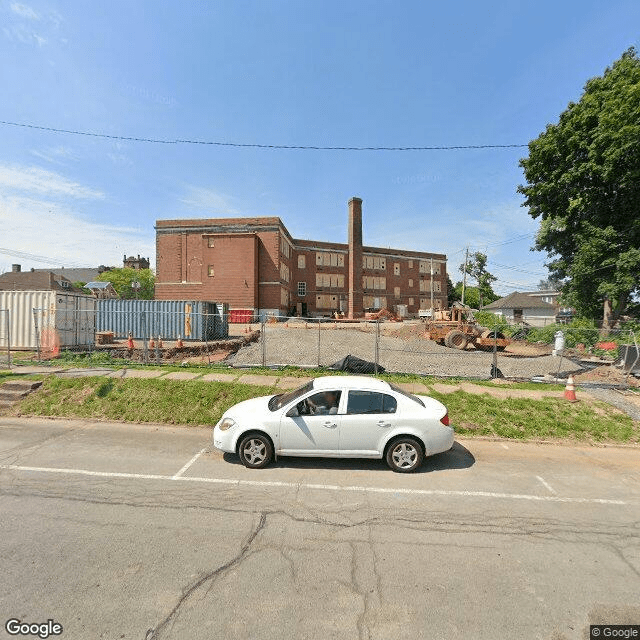
1 Wright St, Holley, NY 14470
To contact a resident: (585) 638-2287
For more information about senior living options: (866) 208-4318
Overall Review of Holley Gardens
Pros
 Holley Gardens was a wonderful place.
- The former community leader was very wonderful and dedicated.
- Maintenance tries to do a good job.
Cons
 The new community leader is described as self-centered and lacking in public relations.
- She issues lease violations instead of giving residents a warning.
- Residents feel they must walk on eggshells under this leadership.
- She has lost paperwork and canceled community meetings to go on vacation.
- Maintenance is unreliable, often arriving and then disappearing.
- Rules are changed for staff convenience rather than for residents.
- Since the previous staff left, management and maintenance have gone downhill.
- The reviewer is being evicted.
Review
Holley Gardens is best suited for seniors who value a close-knit, small-community feel and can tolerate leadership turnover with the hope of returning to a warmer, more engaged on-site presence. Early residents describe a genuinely wonderful atmosphere when a capable, caring community leader was in place, and there is a clear sense that relationships with staff and neighbors can be meaningful. That upside, however, hinges on stable governance and consistent communication. When leadership changed, the tone shifted, and the promise of that initial warmth diminished. For someone who can ride the fluctuations and prioritize personal rapport with a manager and staff, Holley Gardens may still feel like a home. For those who require steady, predictable operations, this may not hold.
Many families and residents should consider alternatives if reliability and transparent processes are non-negotiable. The strongest warning signs center on management communication and administrative continuity. A new on-site leader is described as self-centered with scant public relations, and the result is an environment where residents feel they must “walk on eggshells.” Leases and rules appear to be enforced in ways that can feel punitive rather than collaborative, and straightforward communication with the corporate office is described as a joke. Lost paperwork, canceled community meetings, and inconsistent response to routine needs collectively erode trust in the daily governance that keeps a community functioning.
From a practical standpoint, the most conspicuous benefits, an engaged past leadership and the potential for positive neighborly ties, do not fully compensate for the core flaws. The “good vibes” of the earlier regime had a clear cutback once leadership changed, and the resulting instability makes it hard to rely on predictable rules or timely problem-solving. Maintenance, while described as having someone who tries, is inconsistant: workers appear, then disappear, and the reliability of repairs or timely updates on issues is uncertain. For families comparing options, that uneven maintenance responsiveness, and the perception that rules can be adjusted for staff convenience, is a meaningful fault line when evaluating overall safety, comfort, and dignity of daily life.
The threat or reality of eviction for minor reasons is the most consequential concern. That risk, paired with paperwork chaos and a weakened line to higher management, creates a climate where residents may feel they must surrender autonomy to avoid conflict. Even if individual interactions with some staff members can be cordial, the structural fragility dominates the decision. Prospective residents should not underestimate how quickly a fragile administrative backbone can affect routine needs, rent reminders, lease clarifications, violation notices, and the ability to appeal or negotiate are all implicated when the governance layer is unstable.
For those who still consider Holley Gardens, a rigorous pre-move evaluation is essential. Demand current details on the on-site leadership’s responsiveness, a clear, written escalation path to the corporate office, and a documented process for handling lease violations that includes timelines and resident rights. Request concrete examples of recent repairs, a maintenance contractor schedule, and a plan of action if key staff are unavailable for extended periods. Engage current residents about how often meetings occur, how information is shared, and whether there is continuity in leadership over time. Without verifiable stabilization in these areas, the risks outweigh the potential warmth of the community.
Ultimately, Holley Gardens holds potential for residents who can tolerate governance variability in exchange for a genuine, initial sense of community and a favorable personal rapport with a caring on-site team. If that leadership stability returns, if current leaders demonstrate reliable communication, consistent rules, and predictable maintenance, this community can deliver the kind of homey atmosphere many seek. Until then, families prioritizing long-term predictability and protection from abrupt policy shifts should actively compare alternatives with proven, steady management, clearer documentation, and a track record of durable resident advocacy.
 Active Adult Communities (55+)
 Greater Rochester International (19 miles away)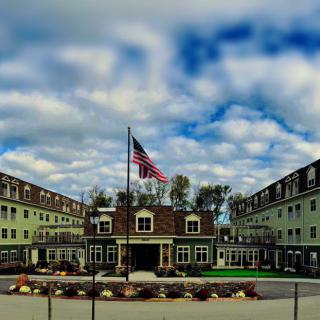



 A Detailed Exploration of Living Wills and Advance Directives
 Comprehensive Guide to Medicare Coverage for Hospice Care
 Caring for Those Who Care: Recognizing, Understanding, and Overcoming Caregiver Burnout