

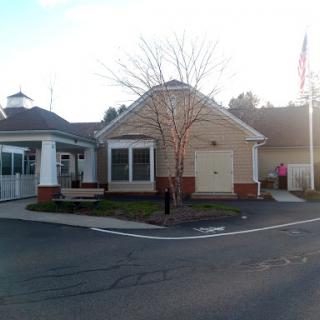
Mary's Meadow At Providence Place in Holyoke, MA

Save

  • Interior

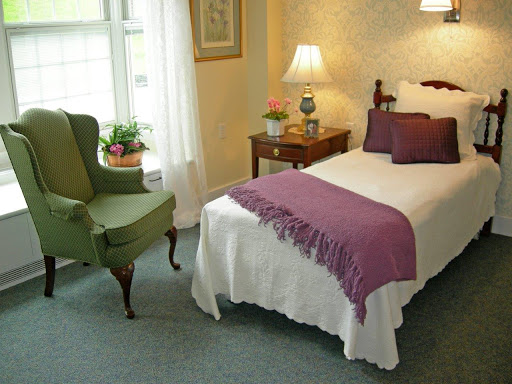
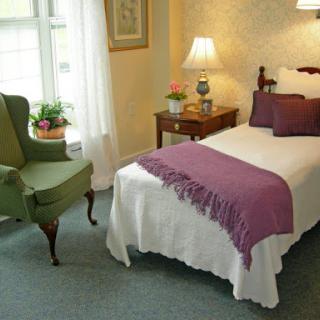
    A cozy and inviting bedroom featuring a single bed with a purple throw, a green armchair, and warm lighting.
  • Living Room

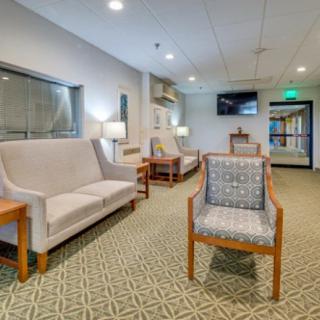
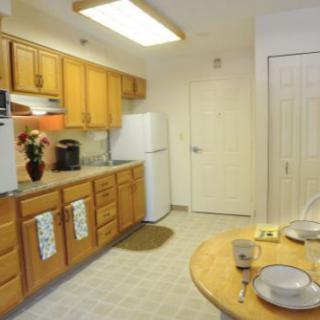
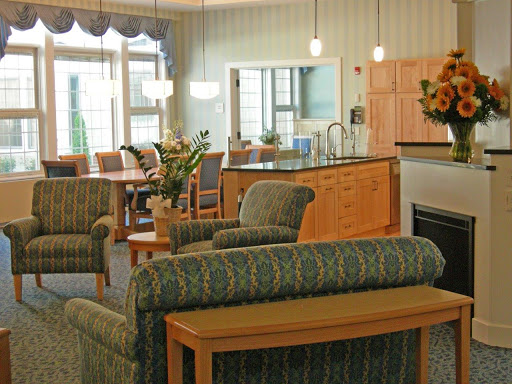
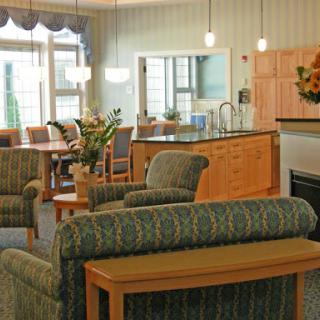
    A cozy and modern living room space with comfortable seating and an inviting kitchen area.
  • Building

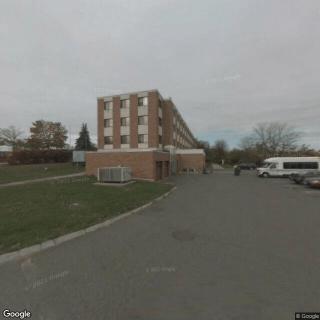
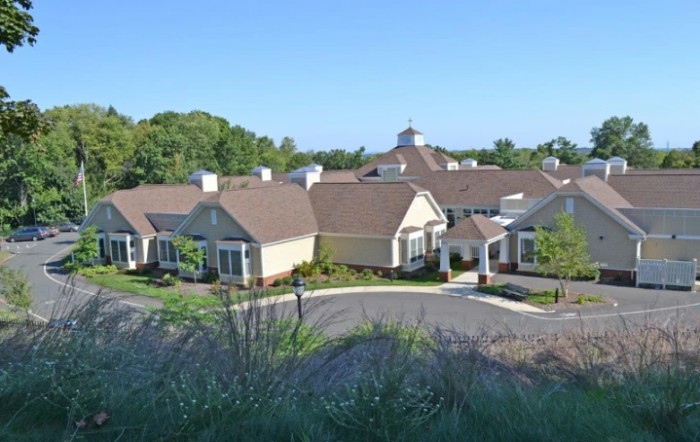
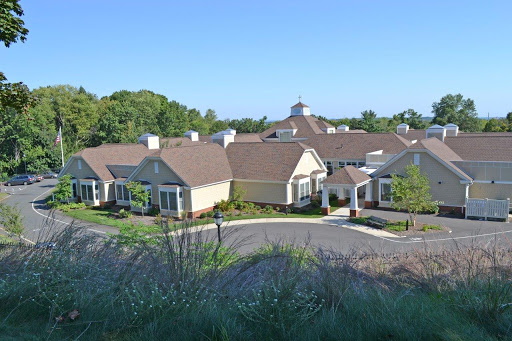
    A modern residential community basking in bright sunlight.
  • Architecture

    A suburban residential community with multiple houses surrounded by greenery.
  • Trees

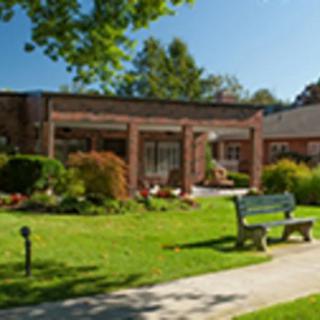
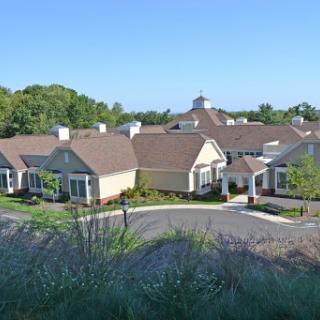
    A serene view of a building surrounded by trees and an open park under a clear sky.
  • Landscaping

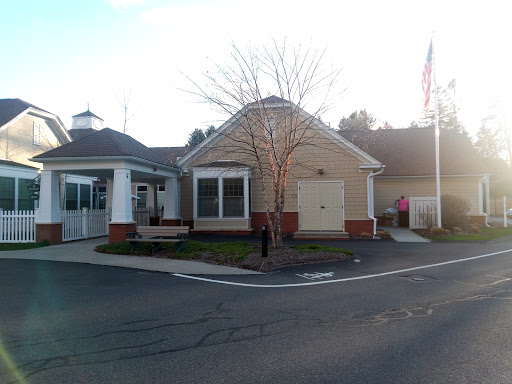
    A well-maintained building with a tree and an American flag in the foreground.

Mary's Meadow At Providence Place in Holyoke, MA

12 Gamelin Street, Holyoke, MA 01040

For more information about senior living options: (844) 490-3973

4.1 from 9 reviews
5 stars
7
4 stars
0
3 stars
0
2 stars
0
1 stars
2

Skilled Nursing Facility

Mary's Meadow At Providence Place Costs & Pricing

Mary's Meadow At Providence Place offers a range of living options that reflect its commitment to quality care, albeit at a premium price point compared to regional averages. For those considering semi-private accommodations, the monthly cost stands at $5,910, which is notably higher than Hampden County's average of $4,955 and just slightly greater than the statewide figure of $5,805. In contrast, private room rates at Mary's Meadow are set at $7,392, significantly exceeding both the county's average of $6,202 and the state average of $6,090. While these costs are on the higher end, they may be indicative of the enhanced services and amenities provided by Mary's Meadow At Providence Place.

Floor plansMary's Meadow At Providence PlaceHampden CountyMassachusetts
Semi-Private$5,910$4,955$5,805
Private$7,392$6,202$6,090

What level of care are you interested in?

Assisted Living

Memory Care

Independent Living

Skilled Nursing Facility

Continuing Care Retirement Community (CCRC)CCRC

Other


Request a tour at Mary's Meadow At Providence Place

    Overall Review of Mary's Meadow At Providence Place

    Pros

    • pro The facility is beautiful, and care is exceptional for recovering patients.
    • pro The staff are kind, caring, friendly, and responsive.
    • pro The social worker is excellent with discharge planning and referrals to community resources.
    • pro The Mary's Meadow team is dedicated, knowledgeable, and genuinely cares for residents.
    • pro PT/OT staff help residents become stronger and gain confidence to go home.
    • pro The meals are handmade and nutritious, with flexible options available.
    • pro The family-style dining adds a positive social aspect to the stay.
    • pro The environment feels serene, healing, and like a home away from home.

    Cons

    • pro The administrator is criticized for disorganization and for failing to manage resources or listen to staff.
    • pro Ongoing understaffing and shortages of supplies are noted, with no meaningful changes implemented.
    • pro Employee turnover is notably high, suggesting a lack of support and resources for management.
    • pro Since the administrator arrived, the facility is described as hostile and toxic, creating an unhealthy environment.
    • pro The administrator is accused of not knowing residents' names and of ignoring complaints, contributing to a hostile work atmosphere.
    • pro The absence of a full-time activities director has led to reduced resident participation and alleged noncompliance with state law.
    • pro Maria's termination is portrayed as unjust and detrimental, described as removing the facility's central nervous system.

    Review

    Mary's Meadow At Providence Place in Holyoke is best suited for seniors who need practical, hands-on rehabilitation in a home-like setting, with private rooms, strong therapy services, and a focus on social and spiritual well-being. The community demonstrates a compelling blend of clinical competence and personal warmth: a robust PT/OT team, attentive nursing and aide staff, and a dining program that feels like family meals. Families seeking reliable discharge planning, hands-on caregiver attention, and a facility that prioritizes nourishment and recreation will find it aligns well with those goals.

    However, a clear caveat is the leadership and staffing continuity. Several reviews flag a shift in administration that coincided with a cooling in morale and activity participation. The negative spotlight centers on the departure of a beloved activities lead, followed by concerns about an administrator's presence and tone. For families, this translates into potential fluctuations in program consistency, staffing stability, and the overall atmosphere residents experience day to day. It is essential to weigh these dynamics against the otherwise strong care framework.

    The strongest pros - compassionate frontline care, dedicated rehabilitation teams, and a setting that supports recovery - often offset many drawbacks. Residents repeatedly praise the kindness and responsiveness of aides, nurses, and therapists, along with the effectiveness of PT/OT in rebuilding strength and confidence. The private rooms with walk-in showers, clean and cheerful surroundings, and the home-style dining arrangement contribute to a dignified, comfortable stay. The presence of in-house doctors and professional support staff, plus proactive discharge planning and community referrals, helps families feel that medical and logistical needs are covered.

    Yet the cons cannot be dismissed. Understaffing concerns and the perception of a disconnected administration can erode daily experience, especially for residents who rely on predictable routines and proactive engagement. The absence of a full-time activities director is noted as a compliance concern by some families, and reports of a "hostile, toxic" environment under the current leadership cannot be ignored when considering long-term placement. The occasional mention of internal theft adds a layer of risk that demands careful vetting and ongoing monitoring. These factors do not negate the care quality, but they do demand heightened due diligence from families during tours and in questions to leadership.

    Practically, touring should focus on current staffing reality and program vitality. Ask who leads activities today, what the schedule looks like, and how residents are being encouraged to participate. Talk with the social worker about discharge planning, referrals, and follow-up care; observe the rehab gym and therapy sessions; verify call-button responsiveness and room privacy; and sample meals to confirm that hand-made menu options and dietary accommodations remain available. Visitors should also gauge the ambience - whether residents appear engaged, whether there is genuine warmth in interactions, and whether family members are welcomed into care conversations as part of a true care partnership.

    Finances and transition planning deserve equal attention. The rehab-to-home trajectory often defines stay length and cost, so confirm coverage through Medicare/Medicaid where applicable, and explore private-pay expectations if non-insurance options are anticipated. Consider how changes in administration might affect long-term stability, staffing consistency, and the ability to sustain a steady activities program. If stability and a fully engaged leadership-and-staff structure are non-negotiable, it pays to compare Mary's Meadow with other communities that emphasize continuous governance and a fully staffed activities department.

    Bottom line: Mary's Meadow is a strong choice for families seeking a nurturing, capable rehab environment with stellar clinical care, high-caliber therapy, and a socially rich, home-like setting. The decision hinges on tolerance for leadership shifts and the intangible impact those changes have on daily life and engagement. For those who prize a warm, person-centered culture and show-through clinical competence, the positives far outweigh the cautions. If steadier administrative continuity and an unbroken activities program are essential, it is prudent to evaluate alternatives while continuing to weigh the undeniable strengths Mary's Meadow offers in care, cuisine, and community.

    Features

    Housing

    • 40 resident community capacity 40 resident community capacity

    Types of Care

    • Skilled Nursing Facility Skilled Nursing FacilitySkilled Nursing Facilities are crucial for seniors as they provide round-the-clock medical care, rehabilitation services, and assistance with daily activities. These facilities ensure that seniors receive the specialized care they need to maintain their health and well-being as they age.

    Amenities

    • Beauty salon Beauty salonBeauty salons are important for seniors because they provide a space for them to feel pampered, socialize, and maintain their personal grooming and hygiene. Regular visits to a beauty salon can help boost seniors' self-esteem and overall well-being.
    • Cable or satellite TV Cable or satellite TVCable or satellite TV is important for seniors because it provides entertainment, news, and companionship, helping to combat loneliness and boredom. It also offers a wide range of programming options tailored to different interests and preferences.
    • Dining room Dining roomDining rooms are important for seniors as they provide a space for socialization, connection, and nutritious meals. They offer opportunities for residents to bond over shared meals, foster a sense of community, and promote healthy eating habits. Dining rooms also ensure that seniors have access to well-balanced meals tailored to their dietary needs and preferences.
    • Fully furnished Fully furnishedFully furnished senior living communities are important for seniors because they provide convenience, comfort, and a hassle-free moving experience. Seniors can easily settle into their new living space without the stress of having to buy and move furniture. This allows them to focus on enjoying their new home and community.
    • Garden GardenGardens are important for seniors as they provide a peaceful and therapeutic environment for relaxation, physical activity, and socialization. Being in nature has been shown to reduce stress, improve mood, and promote overall well-being. Gardens also offer opportunities for seniors to engage in gardening activities, which can improve mobility, flexibility, and cognitive function. Additionally, gardens create a sense of community and connection with others who share a passion for plants and outdoor spaces.
    • Housekeeping services Housekeeping servicesHousekeeping services are important for seniors because they help maintain a clean and safe living environment, promote independence, and reduce the risk of accidents or illnesses. Additionally, having assistance with household chores can alleviate physical strain and allow seniors to focus on other aspects of their well-being.
    • Kitchenette KitchenetteKitchenettes are important for seniors living in senior living communities because they provide the convenience and independence of being able to prepare simple meals and snacks in the comfort of their own living space. This can help promote a sense of autonomy and well-being for seniors, allowing them to maintain some level of control over their dietary choices and daily routines.
    • Move-in coordination Move-in coordinationMove-in coordination is important for seniors because it helps ease the transition into their new living environment. It ensures that all logistics, such as packing, organizing movers, and setting up utilities are taken care of, allowing seniors to focus on settling in and adjusting to their new home. Having a smooth move-in process can alleviate stress and anxiety, making the transition smoother and more enjoyable for seniors.
    • Outdoor space Outdoor spaceOutdoor spaces are important for seniors as they provide opportunities for physical activity, social interaction, exposure to natural light and fresh air, and a sense of connection to nature. Having access to outdoor spaces can improve overall well-being and quality of life for older adults living in senior communities.
    • Restaurant-style dining Restaurant-style diningRestaurant-style dining is important for seniors because it allows them to enjoy delicious, nutritious meals in a social and upscale setting. This enhances their dining experience, promotes healthy eating habits, and fosters socialization with fellow residents, ultimately contributing to their overall well-being and quality of life.
    • Small library Small librarySmall libraries are important for seniors as they provide access to a variety of reading materials, including books, newspapers, and magazines. This can help stimulate their minds, keep them engaged, and provide a sense of community through book clubs and other social activities. Additionally, reading has been shown to improve cognitive function and overall mental well-being in older adults.
    • Telephone TelephoneTelephones are important for seniors as they provide a lifeline for communication with loved ones, emergency services, and healthcare providers. They offer a sense of security and independence, enabling seniors to stay connected and access assistance when needed.
    • Wi-Fi/high-speed internet available Wi-Fi/high-speed internet availableWi-Fi/high-speed internet is important for seniors to stay connected with loved ones, access online resources, and participate in virtual activities to combat feelings of loneliness and isolation. It also allows them to easily manage healthcare needs, access entertainment, and engage in lifelong learning opportunities.

    Transportation

    • Bradley International (16 miles away) Bradley International (16 miles away)

    Care Services

    • 24-hour call system 24-hour call system24-hour call systems are important for seniors because they provide peace of mind and immediate assistance in case of emergencies. This technology ensures that help is always available, promoting safety and security for elderly individuals living alone or in assisted living facilities.
    • 24-hour supervision 24-hour supervision24-hour supervision is important for seniors to ensure their safety, well-being, and access to immediate assistance in case of emergencies or health issues. This constant support provides peace of mind for both seniors and their loved ones, allowing them to age in place with dignity and security.
    • Activities of daily living assistance Activities of daily living assistanceActivities of daily living assistance are important for seniors because they provide essential support with tasks such as eating, bathing, dressing, and mobility. This assistance helps seniors maintain their independence, dignity, and overall quality of life as they age.
    • Assistance with bathing Assistance with bathingAssistance with bathing is crucial for seniors as it helps maintain personal hygiene, prevents infections, and ensures their overall well-being and comfort. It also provides a sense of dignity and independence for seniors who may struggle with this task on their own.
    • Assistance with dressing Assistance with dressingAssistance with dressing is important for seniors because it helps maintain their independence, promotes personal hygiene, prevents accidents and injuries, and improves overall quality of life. This service ensures that seniors can continue to dress comfortably and confidently, despite any physical limitations they may have.
    • Assistance with transfers Assistance with transfersAssistance with transfers is crucial for seniors as it helps prevent falls and injuries, maintains their independence, and ensures they can safely navigate their living environment. It also provides peace of mind for both seniors and their loved ones.
    • Diabetes diet Diabetes dietA diabetes diet is crucial for seniors as it helps manage blood sugar levels, reduce risks of complications, and improve overall health and well-being. By following a balanced and nutritious diet tailored to their specific needs, seniors can better control their diabetes and enhance their quality of life.
    • Meal preparation and service Meal preparation and serviceMeal preparation and service are crucial for seniors as they may have limited mobility or energy to cook nutritious meals. Having access to healthy and convenient food options can ensure they are getting the proper nutrition needed to maintain their overall health and well-being.
    • Medication management Medication managementMedication management is crucial for seniors to ensure they are taking the right medications at the correct dosages and times. This helps prevent adverse drug interactions, reduces the risk of medication errors, and promotes overall health and well-being. Proactive management also allows for adjustments as needed based on changing health conditions or new prescriptions.
    • Mental wellness program Mental wellness programMental wellness programs are essential for seniors as they promote cognitive stimulation, emotional support, and social engagement. These programs help prevent isolation, depression, and cognitive decline, ultimately enhancing the overall quality of life for older adults.
    • Special dietary restrictions Special dietary restrictionsSpecial dietary restrictions are important for seniors because age-related changes in metabolism and health conditions can make it difficult for their bodies to process certain foods. By following a diet tailored to their specific needs, seniors can maintain their overall health and well-being, manage chronic conditions, and reduce the risk of complications such as malnutrition or food interactions with medications.

    Dining

    • Diabetes diet Diabetes dietA diabetes diet is crucial for seniors as it helps manage blood sugar levels, reduce risks of complications, and improve overall health and well-being. By following a balanced and nutritious diet tailored to their specific needs, seniors can better control their diabetes and enhance their quality of life.
    • Special dietary restrictions Special dietary restrictionsSpecial dietary restrictions are important for seniors because age-related changes in metabolism and health conditions can make it difficult for their bodies to process certain foods. By following a diet tailored to their specific needs, seniors can maintain their overall health and well-being, manage chronic conditions, and reduce the risk of complications such as malnutrition or food interactions with medications.

    Activities

    • Community-sponsored activities Community-sponsored activitiesCommunity-sponsored activities are important for seniors as they provide opportunities for social interaction, mental stimulation, and physical activity. These activities can help improve overall well-being, combat loneliness and isolation, and promote a sense of belonging and purpose among older adults.
    • Resident-run activities Resident-run activitiesResident-run activities are important for seniors as they encourage social interaction, creativity, and a sense of autonomy. These activities empower seniors to stay engaged and active in their community while fostering meaningful connections with their peers.
    • Scheduled daily activities Scheduled daily activitiesScheduled daily activities are important for seniors because they provide structure, socialization, mental stimulation, and physical activity. Engaging in regular activities can improve overall well-being and quality of life for seniors living in a community setting.

    Description

    Mary's Meadow at Providence Place in Holyoke, MA, offers a warm and welcoming assisted living community designed to enhance the quality of life for its residents. With a focus on comfort and support, this facility boasts a variety of amenities aimed at creating an engaging and fulfilling environment. Residents can enjoy cable or satellite TV in fully furnished accommodations that include kitchenettes and access to outdoor spaces where they can relax and socialize.

    Dining at Mary's Meadow is a delightful experience with restaurant-style meals tailored to special dietary restrictions, ensuring that everyone enjoys nutritious and delicious options. The community also features a dining room, small library, and various communal areas that foster connection among residents.

    To ensure holistic care, Mary's Meadow provides 24-hour supervision alongside personalized assistance with daily activities such as bathing, dressing, transfers, medication management, meal preparation, and specialized diabetes diets. A mental wellness program further supports residents' emotional health.

    The vibrant activity schedule includes resident-run programs and scheduled daily events that encourage participation and engagement. Additionally, the community's location is convenient for residents with nearby cafes, parks, pharmacies, physicians’ offices, restaurants, transportation options, and hospitals, ensuring easy access to essential services.

    With dedicated move-in coordination and housekeeping services available to all residents, Mary's Meadow emphasizes both independence and support within a nurturing environment. Whether enjoying leisurely moments in the garden or participating in structured activities with friends, residents find comfort knowing their needs are met in a caring community setting.

    Nearby Places of Interest

    Physicians

    • New England Dermatology & Laser Center (0.3 miles)
    • Cataract and Laser Center West PC (0.7 miles)
    • Vonnahme Eye Care (0.8 miles)
    • Chicopee Health Center (2.2 miles)
    • Denhart Brett C DMD Mcnally Brothers Oral Surgery Chicopee (2.5 miles)
    • Holyoke Orthopedics (2.6 miles)
    • Holyoke Associates In Internal Medicine (2.6 miles)

    Restaurants

    • Cracker Barrel (1 miles)
    • Donut Dip (1.7 miles)
    • On The Border Mexican Grill & Cantina (1.8 miles)
    • Cal's Woodfired Grill and Bar (2.1 miles)
    • Doc's Place (2.8 miles)
    • Chipotle Mexican Grill (3.1 miles)
    • The Copperline Eatery (3.1 miles)

    Pharmacies

    • CVS Pharmacy (2 miles)
    • CVS Pharmacy (2.4 miles)
    • CVS Pharmacy (2.7 miles)
    • Walgreens (2.7 miles)
    • Sirona Healing Arts (2.9 miles)
    • CVS Pharmacy (2.9 miles)
    • Walgreens (3.2 miles)

    Hospitals

    • Diabetes Center of Western Mass (2.6 miles)
    • Holyoke Hospital (2.6 miles)
    • Baystate Pain Management Center (3 miles)
    • Baystate Medical Center (3.3 miles)
    • Baystate Hospital Dailey Building (3.3 miles)
    • Shriners Hospitals for Children (3.7 miles)
    • Mercy Medical Center (4 miles)

    Cafes

    • Blue Room Cafe (3 miles)

    Parks

    • Van Horn Park Path (3.5 miles)

    Transportation

    • Five Star School Bus Chicopee (4.4 miles)
    • Springfield Union Station (ZSF) (4.5 miles)

    Frequently Asked Questions

    How much does it cost to live at Mary's Meadow At Providence Place in Holyoke, MA?
    Where is Mary's Meadow At Providence Place?
    What photos are available for Mary's Meadow At Providence Place in Holyoke, Massachusetts?

    Nearby Communities

    • Providence Place At Ingleside

      Providence Place At Ingleside

      Holyoke, MA

      4.8 from 35 reviews
       

      pro Beautiful, well-run community with spacious rooms, attentive staff, engaging activities, and nice dining.

    • Beaven Kelly Home

      Beaven Kelly Home

      Holyoke, MA


      pro Excellent access to healthcare, dining, parks, and pharmacies nearby.

    • Wingate At West Springfield

      Wingate At West Springfield

      West Springfield, MA

      3 from 1 review
       

      pro Familiar staff and effective rehabilitation services.

    • Mont Marie Rehabilitation & Healthcare Center

      Mont Marie Rehabilitation & Healthcare Center

      Holyoke, MA

      4.6 from 121 reviews
       

      pro Caring nursing staff and effective rehabilitation.

    • Mount Saint Vincent Home

      Mount Saint Vincent Home

      Holyoke, MA


      pro Nearby healthcare options and dining/social amenities.

    • Mount Saint Vincent Care Center

      Mount Saint Vincent Care Center

      Holyoke, MA

      2 from 2 reviews
       

      pro Caring staff in a clean, well-maintained facility

    • Day Brook Village Senior Living

      Day Brook Village Senior Living

      Holyoke, MA

      3.3 from 42 reviews
       

      pro Active, engaging community with well-maintained grounds and comfortable accommodations.

    • River Mills Assisted Living at Chicopee Falls

      River Mills Assisted Living at Chicopee Falls

      Chicopee, MA

      3.6 from 32 reviews
      $4,950 to $5,550 / month

      pro Modern, inviting facility with engaging activities.

    • Sarawood Assisted Living

      Sarawood Assisted Living

      Holyoke, MA

      3.4 from 11 reviews
      $3,050 / month

      pro Some CNAs provide good care; convenient location and a cozy, small-community atmosphere.

    Related Resources

    • palliative care at homeExploring Palliative Care in the Home: A Comprehensive Overview

      Palliative care enhances the quality of life for seriously ill patients by providing comprehensive support at home through a multidisciplinary team, addressing various needs and prioritizing comfort over curative treatments. While it offers personalized care and involves family in decision-making, challenges like caregiver stress and logistical issues persist, with growing demand prompting advancements in technology and healthcare policies to improve access.

    • palliative care at homeComprehensive Insights into Palliative Home Care: What It Is and What to Expect

      Palliative home care focuses on improving the quality of life for individuals with serious illnesses by providing comfort, symptom management, and emotional support in their own homes. This approach includes personalized care plans, regular assessments, and resources for family caregivers, all while prioritizing person-centered treatment that aligns with patients' goals.

    • skilled nursing facility vs nursing homeSkilled Nursing Facilities vs. Nursing Homes: Making Sense of the Differences
      Skilled nursing facilities (SNFs) provide high-level medical care and rehabilitation for short-term recovery, typically covered by Medicare after hospitalization, while nursing homes focus on ongoing custodial care for chronic conditions, mainly funded by Medicaid or private payments. The staffing and regulatory structures differ significantly between the two, necessitating clarity for families in choosing appropriate long-term care options.


    Get Pricing Ask A Question Schedule A Tour Contact Senior Advisor