

Sarawood Assisted Living in Holyoke, MA

Save

  • Interior

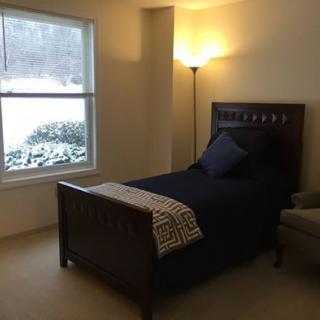
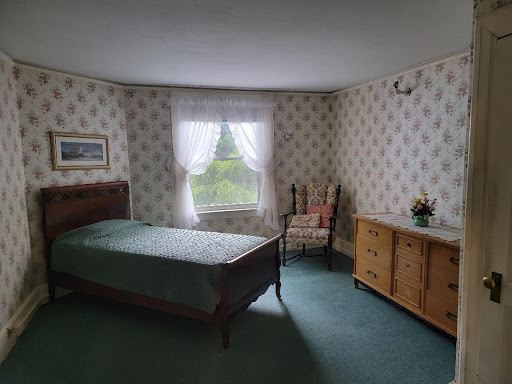
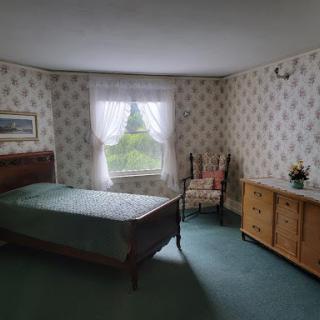
    A cozy, vintage-styled bedroom featuring a bed, dresser, and a chair by the window.
  • Decor

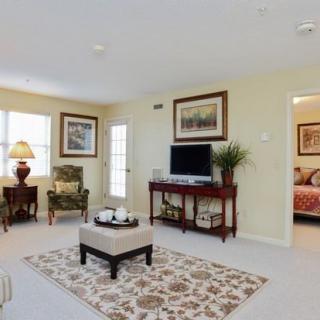
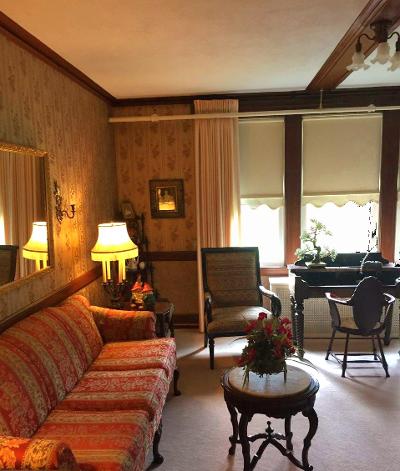
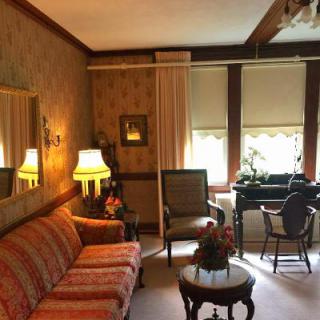
    A cozy vintage living room featuring a patterned sofa, classic chairs, and warm lighting.
  • Living Room

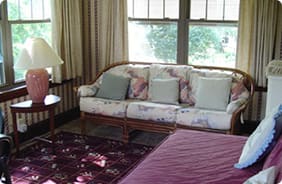
    A cozy living room with a floral sofa, cushions, and large windows.
  • Building

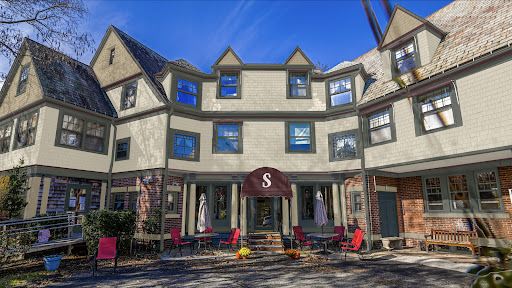
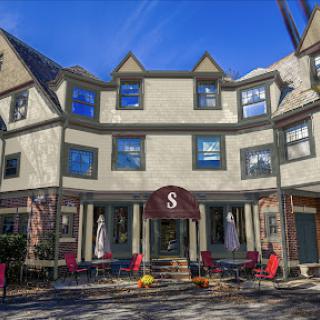
    A charming restaurant with outdoor seating, surrounded by picturesque architecture and a clear blue sky.
  • Architecture

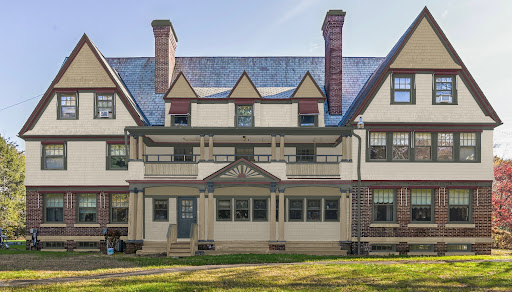
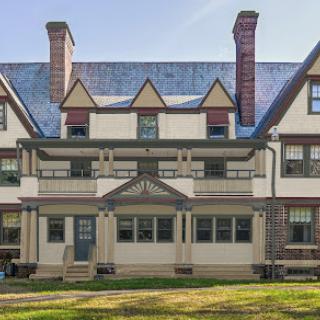
    A beautifully designed historic mansion showcasing intricate architectural details.
  • Dining

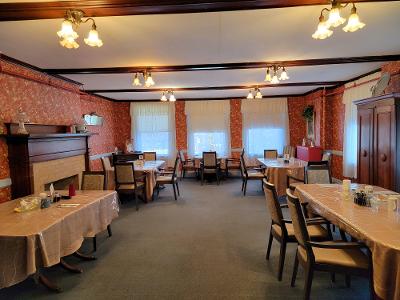
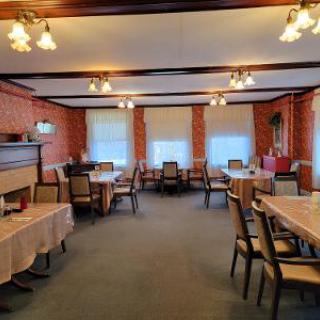
    A cozy restaurant interior featuring neatly arranged tables and chairs, with soft lighting and brick walls.
  • Lighting

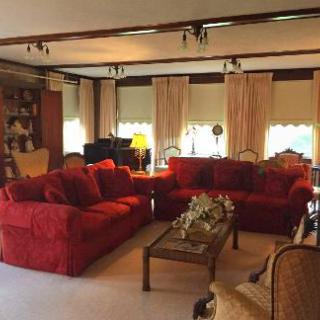
    A cozy living room featuring a red sofa set, a bookshelf, and warm lighting.
  • Entrance

    A welcoming entrance featuring a decorative awning and vibrant flowers.
  • Natural Light

    A cozy living room featuring plush red sofas and ample natural light.
  • Seating

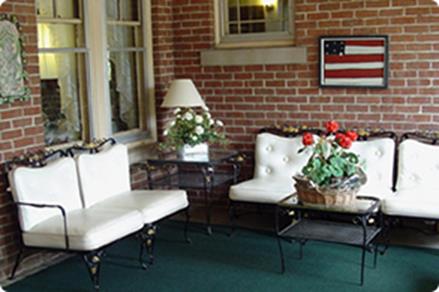
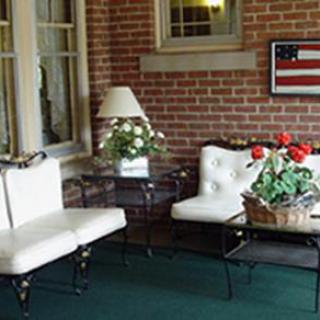
    A cozy seating area featuring white upholstered furniture, a glass table, and decorative plants, complemented by an American flag wall art.
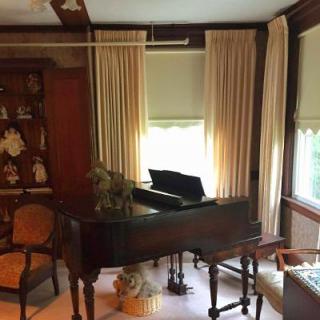
  • Piano

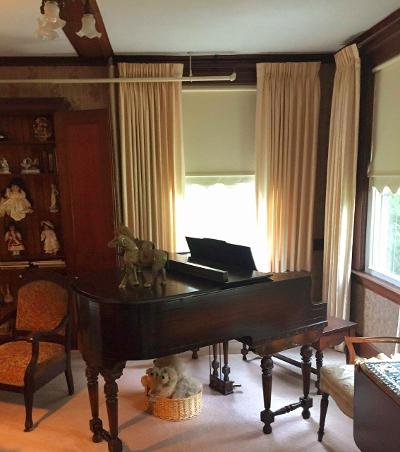
    A serene living room featuring a grand piano, elegant curtains, and classic wooden furniture.

Sarawood Assisted Living in Holyoke, MA

Information last verified:

1 Loomis Ave, Holyoke, MA 01040

For more information about senior living options: (844) 490-3973

3.4 from 12 reviews
5 stars
5
4 stars
3
3 stars
0
2 stars
0
1 stars
4

Sarawood Assisted Living Costs & Pricing

Sarawood Assisted Living offers competitive pricing for its studio accommodations at $3,050 per month, which is significantly lower than the average costs in Hampden County at $4,052 and even more so compared to the state average of $5,312 for Massachusetts. This pricing positions Sarawood as an attractive option for those seeking quality assisted living services without the financial burden often associated with such facilities. The facility's cost-effectiveness not only highlights its commitment to accessible care but also provides residents and their families with peace of mind regarding long-term financial planning.

Floor plansSarawood Assisted LivingHampden CountyMassachusetts
Studio$3,050$4,052$5,312

Overall Review of Sarawood Assisted Living

Pros

  • pro The staff are loving and nurturing.
  • pro The staffing is smart and helpful to residents like Jojo Kaeble.
  • pro The facility feels very homey.
  • pro It is close to residents' homes.

Cons

  • pro The facility is horrible in every way imaginable.
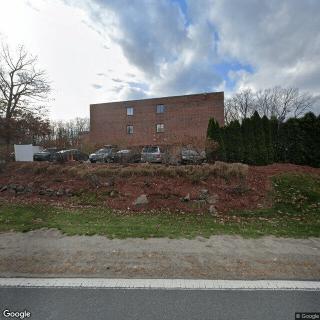
  • pro The building is deteriorating, the roof has a huge leak causing a mold problem and has been neglected for almost a decade.
  • pro Most of the staff is a joke, except for a CNA or two.
  • pro The administration is more concerned with not having to work, and they have employed drug addicts who indulge while on the clock.
  • pro The “air conditioning amenity” is nothing more than nasty ACs that are never cleaned, stored in a moldy basement and then set back up each summer to make residents sick.
  • pro The CNAs are the ones required to do the housekeeping on top of the fact that they’re the ones doing med rounds, so nothing ever gets cleaned and med errors occur often.
  • pro The food is bought cheap and cooked terribly; gluten-free options require residents to purchase their own items to be prepared.
  • pro They charge 3,000 to 3,500 a month and they take residents to Good Will to shop for clothing.
  • pro The unground pool is not open or maintained and they only have a treadmill for workout equipment.
  • pro The parking lot snow and ice are not maintained; due to the age of the facility, many things need attention.
  • pro It is not a place anyone would feel good about leaving their mom.

Review

Sarawood Assisted Living in Holyoke is best suited for families seeking a small, home-like setting where front-line staff are genuinely attentive and the environment feels intimate. It can work for seniors who prize personal warmth, regular human contact, and a neighborhood footprint you can easily visit. The upside is that residents often experience a sense of belonging in a close-knit 28-resident community, where staff are visible, caring, and accustomed to forming personal connections. It is not a fit for those who require robust medical oversight, consistent daily assistance with dressing, or a facility that looks and operates like a modern rehabilitation center. For anything resembling high-level clinical care, or for families that demand airtight safety and pristine infrastructure, it is prudent to consider alternatives.

The strongest positives consistently cited revolve around the caregiving staff. Families describe caregivers as loving, nurturing, and smart about their assignments, with aides who understand their loved ones’ routines and preferences. In a setting this small, that personal attention translates into meaningful daily interactions and a sense that someone is watching out for the resident. Proponents also point to the convenience of a close-to-home location and the sense of homey, familiar rhythms, moments that can keep a senior engaged and comforted. One account even notes strong, reliable assistance from a particular caregiver in coordinating care, which underscores that when staffing is coherent and consistent, residents feel seen and supported. That human touch is the community’s clearest competitive edge, and it can be decisive for families who need a warm, steadyhand presence.

However, the positive impressions are markedly offset by substantial, hard-to-ignore deficiencies. The facility’s physical plant is repeatedly described as aging and deteriorating, with a roof leak that has spawned mold and a maintenance history that appears neglected for years. Such conditions are not cosmetic concerns; they raise real questions about air quality, safety, and long-term upkeep. Parking and exterior upkeep receive criticism as well, with snow and ice not reliably managed in the lot. Inside, the pattern of neglect extends to plumbing, heating, and general cleanliness, creating an overarching impression that the environment itself is not dependable. Even amenities meant to bolster wellness, an unused or poorly maintained pool and minimal gym equipment, do little to compensate for the broader infrastructure issues, leaving the physical backdrop feeling insufficient for meaningful health support.

On the staffing and care side, the combination of high expectations and real-world constraints creates a troubling tension. The same families who praise compassionate caregivers also note heavy caregiving loads and med-management pressures that leave little room for flawless execution. When CNAs shoulder housekeeping duties in addition to rounds, the chance of med errors and inconsistent cleanliness increases, which undermines confidence in daily safety. Reports of staff who do not consistently meet standard expectations, alongside concerns about the overall administration’s priorities and accountability, compound the risk. The guest experience suffers further when basic comforts, such as reliable meals and dependable climate control, are compromised by cost-cutting measures or supply issues. The net effect is a facility that can feel precarious, rather than reassuring, for families counting on steady daily support.

Price adds another layer of caution. At roughly three to three-and-a-half thousand dollars per month, the value proposition becomes difficult to justify in light of aging infrastructure, limited activity amenities, and questionable maintenance and safety reliability. When families are paying a premium, they anticipate clean, modern surroundings, predictable services, and proactive management, elements that are repeatedly flagged as inconsistent here. In short, the cost is not transparently aligned with the tangible protections and luxuries one expects from a higher-end assisted living experience, which makes the decision riskier for those who must balance budget with risk tolerance.

Who should consider alternatives? Families that prioritize a strong clinical footprint, modern facilities, and consistently pristine conditions should look elsewhere. If a resident requires regular dressing assistance, rigorous fall prevention, or advanced mobility support, the current operating gaps may translate into frustration or safety concerns rather than reliable care. If a family cannot tolerate mold potential, recurring maintenance issues, or a perception of staff burnout from overextension, it is wise to explore other communities with proven track records in both environment and clinical governance. For those who value a tight-knit, home-like vibe but can tolerate more variability in amenities, Sarawood can still present appealing warmth, provided a careful, in-person due diligence process confirms that current issues are being meaningfully addressed.

For families that decide to investigate Sarawood further, approach with disciplined scrutiny. Schedule an on-site tour focused not only on staff interactions but also on the facility’s maintenance logs, air quality indicators, and evidence of timely repairs. Request candid discussions with both the administrator and the direct care team about med management processes, incident reporting, and how dietary needs are implemented, especially given past concerns about gluten-free accommodations. Assess whether the activity calendar aligns with the resident’s interests without relying on scarce amenities, and verify the predictability of transportation, parking maintenance, and general safety routines. If after due diligence the positives of intimate, compassionate care feel strong enough to outweigh the structural and operational red flags, Sarawood may still fit as a transitional, home-centered option. If not, families should pivot to communities with steadier infrastructure, clearer safety assurances, and demonstrably stronger day-to-day administration.

Features

Housing

  • 28 resident community capacity 28 resident community capacity

Types of Care

  • Assisted Living Assisted LivingAssisted living facilities provide crucial support and care for seniors who may need help with daily tasks such as medication management, bathing, and meal preparation. These communities offer a safe and comfortable environment where seniors can maintain their independence while receiving the assistance they need to thrive in their golden years.
  • Respite Care Respite CareRespite care provides temporary relief for caregivers, allowing them to recharge and attend to their own needs. It also gives seniors the opportunity to socialize, receive professional care, and experience a change of scenery, promoting overall well-being and reducing feelings of isolation.

Amenities

  • Activities off-site Activities off-siteEngaging in off-site activities is crucial for seniors to maintain social connections, stay active, and stimulate their minds. It promotes overall well-being and helps combat feelings of isolation and loneliness.
  • Activities on-site Activities on-siteActivities on-site are important for seniors because they provide opportunities for socialization, mental stimulation, physical activity, and overall well-being. Engaging in activities can help seniors stay active, maintain their independence, and improve their quality of life.
  • Air-conditioning Air-conditioningAir conditioning is important for seniors as they are more vulnerable to heat-related illnesses and may have underlying health conditions that make it difficult for them to regulate their body temperature. It helps to keep them comfortable, safe, and healthy in hot weather.
  • Beautician on-site Beautician on-siteHaving a beautician on-site at a senior living community is important for seniors as it allows them to easily access grooming and personal care services, boosting their self-esteem and overall well-being. It also provides convenience and helps seniors maintain their sense of independence and personal style.
  • Beauty salon Beauty salonBeauty salons are important for seniors because they provide a space for them to feel pampered, socialize, and maintain their personal grooming and hygiene. Regular visits to a beauty salon can help boost seniors' self-esteem and overall well-being.
  • Cable or satellite TV Cable or satellite TVCable or satellite TV is important for seniors because it provides entertainment, news, and companionship, helping to combat loneliness and boredom. It also offers a wide range of programming options tailored to different interests and preferences.
  • Devotional services off-site Devotional services off-siteDevotional services off-site are important for seniors as they provide spiritual nourishment, social engagement, and a sense of community outside of the senior living facility. This can enhance overall well-being and help combat feelings of isolation and loneliness often experienced by older adults.
  • Dining room Dining roomDining rooms are important for seniors as they provide a space for socialization, connection, and nutritious meals. They offer opportunities for residents to bond over shared meals, foster a sense of community, and promote healthy eating habits. Dining rooms also ensure that seniors have access to well-balanced meals tailored to their dietary needs and preferences.
  • Fully furnished Fully furnishedFully furnished senior living communities are important for seniors because they provide convenience, comfort, and a hassle-free moving experience. Seniors can easily settle into their new living space without the stress of having to buy and move furniture. This allows them to focus on enjoying their new home and community.
  • Garden GardenGardens are important for seniors as they provide a peaceful and therapeutic environment for relaxation, physical activity, and socialization. Being in nature has been shown to reduce stress, improve mood, and promote overall well-being. Gardens also offer opportunities for seniors to engage in gardening activities, which can improve mobility, flexibility, and cognitive function. Additionally, gardens create a sense of community and connection with others who share a passion for plants and outdoor spaces.
  • Housekeeping services Housekeeping servicesHousekeeping services are important for seniors because they help maintain a clean and safe living environment, promote independence, and reduce the risk of accidents or illnesses. Additionally, having assistance with household chores can alleviate physical strain and allow seniors to focus on other aspects of their well-being.
  • Indoor common areas Indoor common areasIndoor common areas are crucial for seniors as they provide a space for socialization, recreation, and community engagement, promoting overall well-being and reducing feelings of isolation and loneliness.
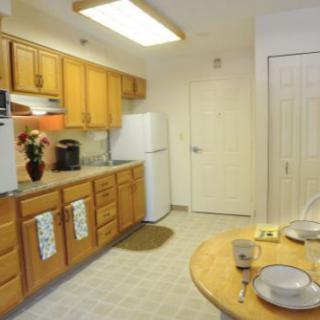
  • Kitchenette KitchenetteKitchenettes are important for seniors living in senior living communities because they provide the convenience and independence of being able to prepare simple meals and snacks in the comfort of their own living space. This can help promote a sense of autonomy and well-being for seniors, allowing them to maintain some level of control over their dietary choices and daily routines.
  • Move-in coordination Move-in coordinationMove-in coordination is important for seniors because it helps ease the transition into their new living environment. It ensures that all logistics, such as packing, organizing movers, and setting up utilities are taken care of, allowing seniors to focus on settling in and adjusting to their new home. Having a smooth move-in process can alleviate stress and anxiety, making the transition smoother and more enjoyable for seniors.
  • Outdoor space Outdoor spaceOutdoor spaces are important for seniors as they provide opportunities for physical activity, social interaction, exposure to natural light and fresh air, and a sense of connection to nature. Having access to outdoor spaces can improve overall well-being and quality of life for older adults living in senior communities.
  • Respite or short term stays offered Respite or short term stays offeredRespite or short term stays provide seniors with a temporary solution when their regular caregiver is unavailable, offering them the opportunity to receive additional care and support during times of need, while also giving caregivers a chance to rest and recharge.
  • Restaurant-style dining Restaurant-style diningRestaurant-style dining is important for seniors because it allows them to enjoy delicious, nutritious meals in a social and upscale setting. This enhances their dining experience, promotes healthy eating habits, and fosters socialization with fellow residents, ultimately contributing to their overall well-being and quality of life.
  • Small library Small librarySmall libraries are important for seniors as they provide access to a variety of reading materials, including books, newspapers, and magazines. This can help stimulate their minds, keep them engaged, and provide a sense of community through book clubs and other social activities. Additionally, reading has been shown to improve cognitive function and overall mental well-being in older adults.
  • Telephone TelephoneTelephones are important for seniors as they provide a lifeline for communication with loved ones, emergency services, and healthcare providers. They offer a sense of security and independence, enabling seniors to stay connected and access assistance when needed.
  • Wi-Fi/high-speed internet available Wi-Fi/high-speed internet availableWi-Fi/high-speed internet is important for seniors to stay connected with loved ones, access online resources, and participate in virtual activities to combat feelings of loneliness and isolation. It also allows them to easily manage healthcare needs, access entertainment, and engage in lifelong learning opportunities.

Transportation

  • Bradley International (20 miles away) Bradley International (20 miles away)

Care Services

  • 24-hour call system 24-hour call system24-hour call systems are important for seniors because they provide peace of mind and immediate assistance in case of emergencies. This technology ensures that help is always available, promoting safety and security for elderly individuals living alone or in assisted living facilities.
  • 24-hour supervision 24-hour supervision24-hour supervision is important for seniors to ensure their safety, well-being, and access to immediate assistance in case of emergencies or health issues. This constant support provides peace of mind for both seniors and their loved ones, allowing them to age in place with dignity and security.
  • Activities of daily living assistance Activities of daily living assistanceActivities of daily living assistance are important for seniors because they provide essential support with tasks such as eating, bathing, dressing, and mobility. This assistance helps seniors maintain their independence, dignity, and overall quality of life as they age.
  • Assistance with bathing Assistance with bathingAssistance with bathing is crucial for seniors as it helps maintain personal hygiene, prevents infections, and ensures their overall well-being and comfort. It also provides a sense of dignity and independence for seniors who may struggle with this task on their own.
  • Assistance with dressing Assistance with dressingAssistance with dressing is important for seniors because it helps maintain their independence, promotes personal hygiene, prevents accidents and injuries, and improves overall quality of life. This service ensures that seniors can continue to dress comfortably and confidently, despite any physical limitations they may have.
  • Assistance with transfers Assistance with transfersAssistance with transfers is crucial for seniors as it helps prevent falls and injuries, maintains their independence, and ensures they can safely navigate their living environment. It also provides peace of mind for both seniors and their loved ones.
  • Diabetes diet Diabetes dietA diabetes diet is crucial for seniors as it helps manage blood sugar levels, reduce risks of complications, and improve overall health and well-being. By following a balanced and nutritious diet tailored to their specific needs, seniors can better control their diabetes and enhance their quality of life.
  • Meal preparation and service Meal preparation and serviceMeal preparation and service are crucial for seniors as they may have limited mobility or energy to cook nutritious meals. Having access to healthy and convenient food options can ensure they are getting the proper nutrition needed to maintain their overall health and well-being.
  • Medication management Medication managementMedication management is crucial for seniors to ensure they are taking the right medications at the correct dosages and times. This helps prevent adverse drug interactions, reduces the risk of medication errors, and promotes overall health and well-being. Proactive management also allows for adjustments as needed based on changing health conditions or new prescriptions.
  • Mental wellness program Mental wellness programMental wellness programs are essential for seniors as they promote cognitive stimulation, emotional support, and social engagement. These programs help prevent isolation, depression, and cognitive decline, ultimately enhancing the overall quality of life for older adults.
  • Special dietary restrictions Special dietary restrictionsSpecial dietary restrictions are important for seniors because age-related changes in metabolism and health conditions can make it difficult for their bodies to process certain foods. By following a diet tailored to their specific needs, seniors can maintain their overall health and well-being, manage chronic conditions, and reduce the risk of complications such as malnutrition or food interactions with medications.

Dining

  • Diabetes diet Diabetes dietA diabetes diet is crucial for seniors as it helps manage blood sugar levels, reduce risks of complications, and improve overall health and well-being. By following a balanced and nutritious diet tailored to their specific needs, seniors can better control their diabetes and enhance their quality of life.
  • Gluten-free Gluten-freeGluten-free options are important for seniors as they are more prone to digestive issues and dietary sensitivities. Offering gluten-free meal choices in senior living communities can help improve their overall health and well-being.
  • Guest meals Guest mealsGuest meals are important for seniors living in senior living communities because they provide an opportunity for socialization and companionship. Sharing a meal with friends, family, or new acquaintances can help combat feelings of loneliness and isolation, promote a sense of community, and enhance overall well-being. Additionally, guest meals allow seniors to enjoy delicious food in a comfortable setting without the hassle of cooking or cleaning up, making dining a pleasurable and stress-free experience.
  • Low / no sodium Low / no sodiumLow/no sodium options are important for seniors because excessive sodium intake can lead to high blood pressure, heart disease, and other health issues commonly experienced by older adults. By choosing low/no sodium foods, seniors can better manage their health and reduce their risk of developing these conditions.
  • Meals provided Meals provided"Meals provided" are crucial for seniors in assisted living communities as it ensures they have access to nutritious, balanced meals without the stress of meal planning and preparation. This can help promote overall health and well-being for seniors who may have limited mobility or cognitive abilities.
  • Special dietary restrictions Special dietary restrictionsSpecial dietary restrictions are important for seniors because age-related changes in metabolism and health conditions can make it difficult for their bodies to process certain foods. By following a diet tailored to their specific needs, seniors can maintain their overall health and well-being, manage chronic conditions, and reduce the risk of complications such as malnutrition or food interactions with medications.

Activities

  • Activities off-site Activities off-siteEngaging in off-site activities is crucial for seniors to maintain social connections, stay active, and stimulate their minds. It promotes overall well-being and helps combat feelings of isolation and loneliness.
  • Activities on-site Activities on-siteActivities on-site are important for seniors because they provide opportunities for socialization, mental stimulation, physical activity, and overall well-being. Engaging in activities can help seniors stay active, maintain their independence, and improve their quality of life.
  • BBQs or picnics BBQs or picnicsBBQs or picnics provide seniors with social interaction, enjoyment of the outdoors, and a sense of community, contributing to their overall well-being and quality of life.
  • Birthday parties Birthday partiesBirthday parties are important for seniors as they provide an opportunity for celebration, socialization, and joy. They allow seniors to feel special and appreciated, boosting their mood and overall well-being. Additionally, birthday parties can help combat feelings of isolation and loneliness by fostering connections with friends, family, and community members.
  • Community-sponsored activities Community-sponsored activitiesCommunity-sponsored activities are important for seniors as they provide opportunities for social interaction, mental stimulation, and physical activity. These activities can help improve overall well-being, combat loneliness and isolation, and promote a sense of belonging and purpose among older adults.
  • Day trips and outings Day trips and outingsDay trips and outings are important for seniors as they provide opportunities for socialization, mental stimulation, physical activity, and a break from daily routines. These experiences can enhance overall well-being and quality of life for older adults living in senior communities.
  • Devotional activities offsite Devotional activities offsiteDevotional activities offsite are important for seniors because they provide social engagement, spiritual growth, and a sense of community outside of their living environment. This can improve overall well-being, mental health, and combat feelings of isolation or loneliness.
  • Gardening club Gardening clubGardening clubs are important for seniors because they provide a sense of community, promote physical activity and mental well-being, and offer opportunities for socialization and connection with nature. Gardening can also improve cognitive function and overall quality of life for seniors.
  • Holiday parties Holiday partiesHoliday parties are important for seniors because they provide opportunities for socialization, community involvement, and mental stimulation. These festive events offer a sense of belonging and connection during a time that can be lonely for many older adults. Additionally, participating in holiday celebrations can boost mood and overall well-being for seniors living in senior living communities.
  • Live well programs Live well programs"Live well programs are essential for seniors as they provide opportunities for physical activity, social engagement, and mental stimulation, ultimately promoting overall health and well-being in later years."
  • Pet-focused programs Pet-focused programsPet-focused programs are important for seniors as they provide companionship, reduce feelings of loneliness and depression, encourage physical activity and social interaction, and have been shown to improve overall well-being and quality of life in older adults.
  • Resident-run activities Resident-run activitiesResident-run activities are important for seniors as they encourage social interaction, creativity, and a sense of autonomy. These activities empower seniors to stay engaged and active in their community while fostering meaningful connections with their peers.
  • Scheduled daily activities Scheduled daily activitiesScheduled daily activities are important for seniors because they provide structure, socialization, mental stimulation, and physical activity. Engaging in regular activities can improve overall well-being and quality of life for seniors living in a community setting.
  • Visiting chaplain or priest Visiting chaplain or priestHaving a visiting chaplain or priest at a senior living community is important for seniors because it provides spiritual support, comfort, and guidance during a time of life that can be challenging and uncertain. Their presence can help seniors feel connected to their faith, find peace of mind, and cope with the emotional and mental struggles they may face in their later years.
  • Walking club Walking clubWalking clubs are important for seniors as they promote physical activity, social interaction, and overall well-being. Regular exercise like walking can improve balance, strength, and cardiovascular health while connecting seniors with their community and reducing feelings of loneliness or isolation. Joining a walking club can also provide motivation, accountability, and a sense of belonging for older adults looking to stay healthy and active.

Description

Sarawood Assisted Living in Holyoke, MA offers a comfortable and convenient living environment for seniors. Our community provides a wide range of amenities to ensure our residents have everything they need to live a fulfilling and enjoyable life.

Residents can participate in various activities right on-site, including engaging in social events, attending live well programs, and joining the gardening club. We also organize day trips and outings to nearby attractions to keep our residents active and engaged in the local community. Devotional services are available off-site for those seeking spiritual support.

Our dining experience is exceptional, with delicious meals provided daily. We offer low or no sodium options to accommodate specific dietary needs. Additionally, guests are welcome to join us for meals, creating opportunities for socializing with loved ones.

The indoor common areas provide comfortable spaces for residents to relax and interact with one another. Wi-Fi and high-speed internet access are available throughout the community, ensuring that staying connected with family and friends is always possible.

For added convenience, we have a beautician on-site so residents can easily maintain their grooming needs. Air-conditioning keeps everyone cool during warmer months. Cable or satellite TV is provided for entertainment purposes.

Sarawood Assisted Living is conveniently located near several pharmacies, physicians, restaurants, and hospitals. This proximity ensures that our residents have easy access to necessary healthcare services and a variety of dining options.

At Sarawood Assisted Living in Holyoke, MA, we strive to provide a vibrant and supportive community where seniors can thrive while enjoying an array of amenities and services tailored to meet their individual needs.

Nearby Places of Interest

This part of Holyoke, Massachusetts offers a variety of amenities that may appeal to seniors considering the area for living. With several restaurants offering diverse cuisine options within close proximity, there is no shortage of dining choices. Additionally, there are multiple physicians and pharmacies nearby, providing convenient access to medical care and prescriptions. The presence of Holyoke Hospital and other medical facilities ensures that healthcare needs can be easily met. For leisure activities, there are cafes and parks a short distance away, providing opportunities for relaxation and socializing. Overall, this area offers a well-rounded community with essential services and recreational options for seniors looking to settle in Holyoke.

Restaurants

  • Nick's Nest (0.6 miles)
  • Ichiban Chinese & Japanese Restaurant (2.8 miles)
  • Cracker Barrel (3 miles)
  • Frontera Grill (3.1 miles)
  • Doc's Place (3.6 miles)
  • Drunken Rabbit Brewing (3.6 miles)
  • Arby's (3.6 miles)

Physicians

  • Childrens Heart Center (1 miles)
  • Mateen, Zubeena Dr - Holyoke Medical Center Oncology (1.2 miles)
  • Holyoke Associates In Internal Medicine (1.3 miles)
  • Holyoke Orthopedics (1.3 miles)
  • Vonnahme Eye Care (3.2 miles)
  • Lenzy Dermatology (3.2 miles)
  • David L Clinton (3.2 miles)

Pharmacies

  • Sirona Healing Arts (1.1 miles)
  • CVS Pharmacy (1.2 miles)
  • Holyoke Health Center (1.2 miles)
  • CVS Pharmacy (3 miles)
  • CVS Pharmacy (3.6 miles)
  • Walgreens (3.7 miles)
  • Walgreens (4.2 miles)

Hospitals

  • Holyoke Hospital (1.3 miles)
  • Diabetes Center of Western Mass (1.3 miles)
  • Baystate Pain Management Center (6.6 miles)
  • Baystate Medical Center (6.8 miles)
  • Baystate Hospital Dailey Building (6.8 miles)
  • Shriners Hospitals for Children (6.9 miles)

Cafes

  • Blue Room Cafe (5 miles)
  • Familiars Coffee & Tea (7 miles)

Transportation

  • Five Star School Bus Chicopee (5.6 miles)

Parks

  • Van Horn Park Path (6.7 miles)

Frequently Asked Questions

How much does it cost to live at Sarawood Assisted Living in Holyoke, MA?
Where is Sarawood Assisted Living?
What photos are available for Sarawood Assisted Living in Holyoke, Massachusetts?

Nearby Communities

  • Renaissance Manor on Cabot

    Renaissance Manor on Cabot

    Holyoke, MA

    4.2 from 53 reviews
     

    pro Small, intimate 21-bed community with personalized care and comprehensive amenities.

  • Holyoke Healthcare Center

    Holyoke Healthcare Center

    Holyoke, MA

    3 from 26 reviews
     

    pro Extensive amenities and comprehensive care

  • Day Brook Village Senior Living

    Day Brook Village Senior Living

    Holyoke, MA

    3.2 from 43 reviews
     

    pro Active, engaging community with well-maintained grounds and comfortable accommodations.

  • Loomis Village

    Loomis Village

    South Hadley, MA

    5 from 10 reviews
     

    pro Wide range of living options with on-site care and robust amenities.

  • Holyoke Rehabilitation Center

    Holyoke Rehabilitation Center

    Holyoke, MA

    1 from 2 reviews
     

    pro Potential for improved staffing, dignity, and civil rights adherence with quality improvements.

  • Care One At Holyoke

    Care One At Holyoke

    Holyoke, MA

    2.1 from 21 reviews
     

  • Beaven Kelly Home

    Beaven Kelly Home

    Holyoke, MA

    4.5 from 12 reviews
     

    pro Excellent access to healthcare, dining, parks, and pharmacies nearby.

  • River Mills Assisted Living at Chicopee Falls

    River Mills Assisted Living at Chicopee Falls

    Chicopee, MA

    3.6 from 32 reviews
    $4,950 to $5,550 / month

    pro Modern, inviting facility with engaging activities.

  • Applewood At Amherst

    Applewood At Amherst

    Amherst, MA

    4.6 from 7 reviews
     

    pro Professional, caring staff with a vibrant, engaging community and strong dining.

Related Resources

  • when to move from assisted living to memory careWhen to Transition from Assisted Living to Memory Care: Key Indicators, Steps, and Finding the Right Community

    Transitioning from assisted living to memory care is driven by an individual's cognitive decline and specific needs, requiring careful evaluation of indicators like increased confusion and wandering. The process involves consulting medical professionals, researching suitable communities, considering financial and legal aspects, and ensuring effective communication for personalized care plans.

  • assisted living vs memory careAssisted Living and Memory Care: Understanding Their Core Differences

    Assisted living provides moderate support for seniors seeking independence, while memory care offers specialized support for individuals with dementia or cognitive impairments through structured routines and trained staff. Key differences include care approaches, environment security measures, staff training levels, activity types, and cost considerations.

  • assisted living activitiesBeyond the Bingo Hall: 50+ Enriching Activities for Seniors in Assisted Living

    Assisted living communities offer diverse activities beyond traditional games to enhance seniors' physical health, cognitive well-being, emotional enrichment, and social connections, including fitness classes, creative expression, and intergenerational interactions. These enriching programs foster community bonds and support residents' independence and happiness.