










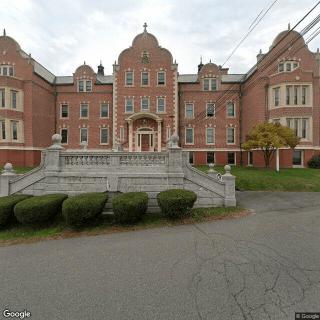
260 Easthampton Rd, Holyoke, MA 01040
To contact a resident: (413) 538-9733
For more information about senior living options: (866) 208-4318
Overall Review of Holyoke Rehabilitation Center
Cons
 Nurses not a five star; a ONE - mean, nasty, neglectful.
- This place is for PROFIT ONLY; understaffed, under qualified.
- This place violates civil rights; no dignity given to residents.
Review
Holyoke Rehabilitation Center in Holyoke, MA is best understood as a facility to approach only under tight constraints. The limited feedback describes a setting most appropriate for residents who have minimal care needs and limited alternative options, and who can tolerate inconsistent staffing. The narrative implies profit pressures correlate with lean staffing and limited oversight, so daily care may lack the attentiveness families expect. Expectations for reliable nursing attention and dignified treatment may not align with the described experience. This facility should not be relied upon for complex medical management, aggressive rehabilitation, or sustained social-emotional support. Families should enter with a clear understanding that the care environment may require vigilant family oversight and proactive problem-solving from the outset.
Those evaluating options should actively consider alternatives with transparent staffing data, reliable RN coverage, and explicit protections for resident rights. In Holyoke and the surrounding area, look for facilities that publish staffing ratios, demonstrate prompt call-light responses, and show positive safety histories. State inspection results, consumer reviews, and independent rankings should drive early screening. If the priority is minimizing risk to vulnerable loved ones, the current feedback signals that this center is unlikely to meet that bar. Use due diligence to compare care plans, nurse-to-resident ratios, and guaranteed supervision levels before making any commitment.
Because no credible positives emerge from these reflections, any potential cost or convenience advantages do little to offset the core concerns. Lower price, if present, cannot compensate for underqualified staff, dismissive behavior, or rights violations. The risk-reward calculus clearly favors seeking care elsewhere unless price and location are the sole, non-negotiable criteria and acceptance of substandard care is intentional.
The most persuasive risks are tangible: nursing staff described as mean or neglectful; persistent understaffing that leaves residents waiting for basic assistance; and explicit undermining of resident dignity and civil rights. The practical consequences include delayed medications, insufficient hygiene support, dehydration, increased vulnerability to falls and infections, and emotional distress. Prospective residents should request to see the most recent survey results, insist on predictable RN coverage, and demand written rights protections and a robust grievance process. A trusted family liaison should be established to monitor care, with clear escalation steps if standards fall short.
Decision-making should deploy a concrete due-diligence checklist. Schedule an in-person tour focused on real-time nurse response, ask to meet the administrator, and obtain the latest state inspection documentation. Inquire about staff turnover, training programs, and the availability of licensed nurses around the clock. Require a written care plan governance framework, and confirm the facility’s commitment to resident rights through formal policies. If this option is pursued, secure binding commitments: explicit rights language, regular care-plan updates, and a transparent channel for concerns that actually leads to timely remediation and accountability.
Bottom line: the reported experiences point to a facility misaligned with expectations for respectful, competent nursing care. This community is not recommended for families prioritizing safety, consistent clinical oversight, and meaningful resident rights unless no viable alternatives exist. In rare cases where admission is considered, approach with a strict oversight regime: verify RN presence, insist on rights protections in writing, and implement a structured visitation and complaints protocol with a dedicated advocate. Otherwise, prioritize facilities with demonstrated staffing stability, demonstrable rehabilitation expertise, and a culture of resident-centered care. The decision should be anchored in protecting dignity, safety, and reliable medical attention above all.
 Skilled Nursing Facility
 Bradley International (20 miles away)

 Some CNAs provide good care; convenient location and a cozy, small-community atmosphere.




 Compassionate Conversations: How to Comfort Someone Who Is Grieving
 Home Health Care Aides: Understanding Their Role and Supporting Your Family
 Urinary Tract Infections in Older Adults: Comprehensive Insights on Symptoms, Treatment, and Prevention