
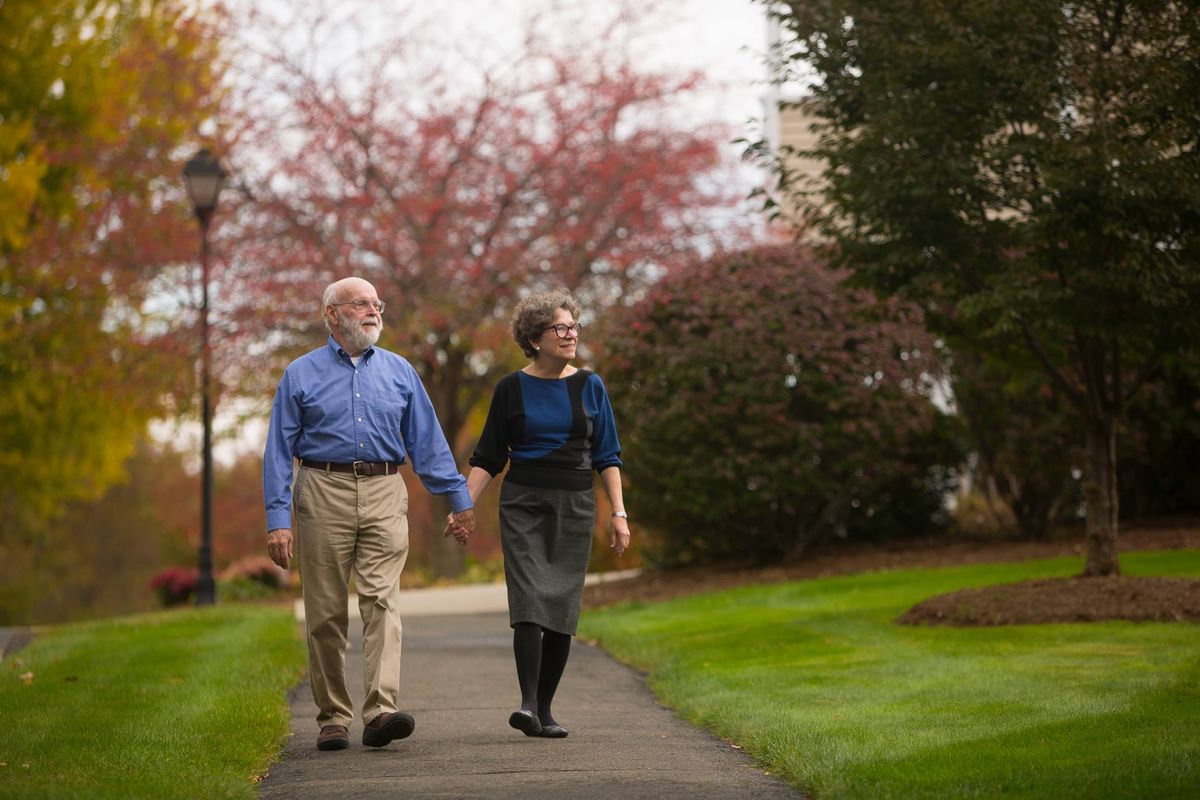
Loomis Village in South Hadley, MA

Save
Loomis Village Loomis Village Loomis Village Loomis Village

Loomis Village in South Hadley, MA

20 Bayon Drive, South Hadley, MA 01075

For more information about senior living options: (844) 490-3973

5 from 10 reviews
5 stars
10
4 stars
0
3 stars
0
2 stars
0
1 stars
0

Assisted Living Continuing Care Retirement Community (CCRC) Independent Living Memory Care Respite Care Skilled Nursing Facility

Overall Review of Loomis Village

Pros

  • pro The staff are really great and very helpful, showing genuine care for the elderly.
  • pro The staff and residents are amazing.
  • pro Loomis Village offers a wide range of living options, including apartments, cottages, and villas.
  • pro Loomis Village offers plenty of activities, plus an on-site swimming pool and courses.
  • pro Loomis Village provides on-site assisted living if needed, so residents can stay on-site.
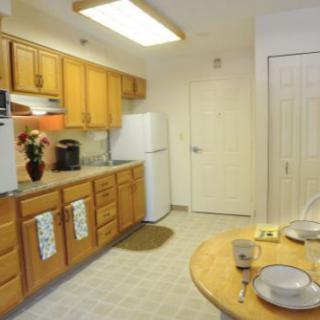
  • pro The sanitation is good, and the apartments include full kitchens.
  • pro The dining room serves very good food with attentive wait staff and a skilled chef.
  • pro The gym and indoor pool are favorites among residents.

Review

Loomis Village in South Hadley, MA is best suited for active seniors who want a generous menu of living options under one campus and a built-in path from independent living to assisted care if health declines. The community delivers multiple housing modes - apartment living in the main building, plus cottages and villas - so residents can scale their living environment as needs shift without relocating. It shines for those who prize independence paired with social vitality: on-site amenities such as a gym, an indoor pool, and a robust calendar of activities, plus easy access to shopping, hair appointments, and other errands via coordinated transportation. Dining consistently earns praise for quality and service, reinforcing a sense of daily normalcy and enjoyment. Overall, Loomis Village targets families seeking continuity of life on a single campus rather than frequent transitions.

Those who may want to consider alternatives are those who require constant, highly structured medical oversight or a governance model with formal board oversight. The community does not appear to be organized around a single, centralized board of directors, which can matter to families that rely on highly standardized policies and predictable care trajectories. Wi-Fi coverage in every room was noted as an area some residents would improve, suggesting that digital connectivity - often important for independent living, telehealth, or family communication - may not be uniformly seamless. Additionally, while on-site assisted living is available if health falters, Loomis Village may not be the ideal match for residents who need full-time, intensive medical supervision or more rigid, transition-focused care plans on a fixed campus.

The strongest positives - compassionate staff, clear affection for residents, and the breadth of living arrangements - more than compensate for the potential drawbacks. The reviews repeatedly highlight staff as exceptionally caring, with genuine warmth for the elderly and a palpable sense of community from both workers and residents. This emotional bandwidth translates into practical advantages: consistent assistance when needed, a willingness to coordinate rides or shopping trips, and a culture that supports daily quality of life. The diverse housing palette - apartments with full kitchens, separate cottages, and villas - delivers choice without forcing a move if health changes occur. On-site recreational programming and opportunities to learn (courses, clubs) help sustain social engagement, while the dining room's quality and attentive service offer reliable daily satisfaction. In short, the pros create a strong, livable rhythm that reduces the stress of aging in place.

The liquidity of care on campus is another major advantage. Residents can remain in a familiar apartment or villa while receiving assisted living services if needed, which minimizes disruptive transitions. For families, this reduces the amount of planning and relocation anxiety typically associated with declining function. Sanitation and maintenance standards are described as solid, and the existence of a full kitchen in units adds a practical layer for those who value the ability to prepare familiar meals. The combination of on-site amenities, ready access to outside services, and a staff culture that feels more like a trusted extended family translates into a housing option that often feels "right-sized" for a broad swath of seniors who value activity, autonomy, and connection.

Families weighing Loomis Village should structure their due diligence around three anchors: the level of care and how it escalates, the governance and policy framework, and the connectivity that supports daily life. Key questions include: what exactly does "assisted living care for some period" cover, how are care needs reassessed, and what happens if health declines beyond the available on-campus services? How many staff are on-site at peak and off-peak hours, and what is the plan for emergencies? What are the current and planned Wi-Fi capabilities across all living spaces? What are the dining options, menu cycles, and guest policies? Tour the different housing types to see how well each aligns with personal routines, mobility, and social preferences. Speak with residents and families about spontaneity of activities and perceived community warmth.

In practical terms, Loomis Village offers a compelling blend of warmth, flexibility, and life-rich amenities that suit seniors who want to preserve independence while enjoying ready-made support as needs evolve. It is particularly strong for those who value varied living environments on one campus, strong social programming, and high-quality dining, all backed by a staff culture that feels sincerely devoted to residents. It is less compelling for families prioritizing a rigid governance model, uniform care protocols, or universal 24/7 medical oversight. A focused, candid tour that probes care escalation paths, governance expectations, and connectivity will clarify whether Loomis Village meets the long-range needs of the individual or couple in question.

Features

Housing

  • 21 resident community capacity 21 resident community capacity

Types of Care

  • Assisted Living Assisted LivingAssisted living facilities provide crucial support and care for seniors who may need help with daily tasks such as medication management, bathing, and meal preparation. These communities offer a safe and comfortable environment where seniors can maintain their independence while receiving the assistance they need to thrive in their golden years.
  • Continuing Care Retirement Community (CCRC) Continuing Care Retirement Community (CCRC)Continuing Care Retirement Communities (CCRCs) are important for seniors because they provide a range of housing options and care services all in one location. This allows seniors to age in place and receive the level of care they need as their health changes, without having to move to a new facility. CCRCs provide a sense of security and peace of mind for seniors and their families, knowing that they will be taken care of no matter what the future holds.
  • Independent Living Independent LivingIndependent living communities are important for seniors because they offer a safe and supportive environment where older adults can live independently while still having access to amenities and services that enhance their quality of life. These communities provide social opportunities, recreational activities, and assistance with daily tasks, promoting overall well-being and allowing seniors to maintain their independence for as long as possible.
  • Memory Care Memory CareMemory care is crucial for seniors as it provides specialized support and services for individuals with dementia or Alzheimer's disease. These programs offer a safe and secure environment where residents receive personalized care, cognitive stimulation, and help with daily activities. Memory care helps seniors maintain their independence, quality of life, and dignity while also providing peace of mind for their families.
  • Respite Care Respite CareRespite care provides temporary relief for caregivers, allowing them to recharge and attend to their own needs. It also gives seniors the opportunity to socialize, receive professional care, and experience a change of scenery, promoting overall well-being and reducing feelings of isolation.
  • Skilled Nursing Facility Skilled Nursing FacilitySkilled Nursing Facilities are crucial for seniors as they provide round-the-clock medical care, rehabilitation services, and assistance with daily activities. These facilities ensure that seniors receive the specialized care they need to maintain their health and well-being as they age.

Amenities

  • Activities on-site Activities on-siteActivities on-site are important for seniors because they provide opportunities for socialization, mental stimulation, physical activity, and overall well-being. Engaging in activities can help seniors stay active, maintain their independence, and improve their quality of life.
  • Air-conditioning Air-conditioningAir conditioning is important for seniors as they are more vulnerable to heat-related illnesses and may have underlying health conditions that make it difficult for them to regulate their body temperature. It helps to keep them comfortable, safe, and healthy in hot weather.
  • Beauty salon Beauty salonBeauty salons are important for seniors because they provide a space for them to feel pampered, socialize, and maintain their personal grooming and hygiene. Regular visits to a beauty salon can help boost seniors' self-esteem and overall well-being.
  • Cable or satellite TV Cable or satellite TVCable or satellite TV is important for seniors because it provides entertainment, news, and companionship, helping to combat loneliness and boredom. It also offers a wide range of programming options tailored to different interests and preferences.
  • Devotional services off-site Devotional services off-siteDevotional services off-site are important for seniors as they provide spiritual nourishment, social engagement, and a sense of community outside of the senior living facility. This can enhance overall well-being and help combat feelings of isolation and loneliness often experienced by older adults.
  • Fully furnished Fully furnishedFully furnished senior living communities are important for seniors because they provide convenience, comfort, and a hassle-free moving experience. Seniors can easily settle into their new living space without the stress of having to buy and move furniture. This allows them to focus on enjoying their new home and community.
  • Garden GardenGardens are important for seniors as they provide a peaceful and therapeutic environment for relaxation, physical activity, and socialization. Being in nature has been shown to reduce stress, improve mood, and promote overall well-being. Gardens also offer opportunities for seniors to engage in gardening activities, which can improve mobility, flexibility, and cognitive function. Additionally, gardens create a sense of community and connection with others who share a passion for plants and outdoor spaces.
  • Housekeeping services Housekeeping servicesHousekeeping services are important for seniors because they help maintain a clean and safe living environment, promote independence, and reduce the risk of accidents or illnesses. Additionally, having assistance with household chores can alleviate physical strain and allow seniors to focus on other aspects of their well-being.
  • Indoor common areas Indoor common areasIndoor common areas are crucial for seniors as they provide a space for socialization, recreation, and community engagement, promoting overall well-being and reducing feelings of isolation and loneliness.
  • Move-in coordination Move-in coordinationMove-in coordination is important for seniors because it helps ease the transition into their new living environment. It ensures that all logistics, such as packing, organizing movers, and setting up utilities are taken care of, allowing seniors to focus on settling in and adjusting to their new home. Having a smooth move-in process can alleviate stress and anxiety, making the transition smoother and more enjoyable for seniors.
  • Outdoor space Outdoor spaceOutdoor spaces are important for seniors as they provide opportunities for physical activity, social interaction, exposure to natural light and fresh air, and a sense of connection to nature. Having access to outdoor spaces can improve overall well-being and quality of life for older adults living in senior communities.
  • Telephone TelephoneTelephones are important for seniors as they provide a lifeline for communication with loved ones, emergency services, and healthcare providers. They offer a sense of security and independence, enabling seniors to stay connected and access assistance when needed.

Transportation

  • Bradley International (20 miles away) Bradley International (20 miles away)
  • Transportation arrangement Transportation arrangementTransportation arrangements are crucial for seniors as they may face challenges with driving, mobility, or access to public transportation. Having reliable transportation services ensures that seniors can easily attend appointments, social activities, and maintain their independence and quality of life.
  • Transportation arrangement (non-medical) Transportation arrangement (non-medical)Transportation arrangements are essential for seniors as they provide access to essential services, activities, and social interactions outside the home. This service helps maintain independence, mobility, and overall well-being for seniors who may have limited transportation options.

Care Services

  • 24-hour call system 24-hour call system24-hour call systems are important for seniors because they provide peace of mind and immediate assistance in case of emergencies. This technology ensures that help is always available, promoting safety and security for elderly individuals living alone or in assisted living facilities.
  • 24-hour nursing 24-hour nursing24-hour nursing is important for seniors because it provides round-the-clock medical care and support, ensuring their health and safety are consistently monitored and attended to. This level of care can help prevent emergencies, manage chronic conditions, and provide peace of mind for both seniors and their families.
  • 24-hour supervision 24-hour supervision24-hour supervision is important for seniors to ensure their safety, well-being, and access to immediate assistance in case of emergencies or health issues. This constant support provides peace of mind for both seniors and their loved ones, allowing them to age in place with dignity and security.
  • Accept incoming residents on hospice Accept incoming residents on hospiceAccepting incoming residents on hospice is important for seniors because it allows them to receive specialized end-of-life care in a comfortable and supportive environment. This ensures that they can maintain their dignity and quality of life during their final days, surrounded by compassionate staff who are trained to provide the necessary medical and emotional support.
  • Activities of daily living assistance Activities of daily living assistanceActivities of daily living assistance are important for seniors because they provide essential support with tasks such as eating, bathing, dressing, and mobility. This assistance helps seniors maintain their independence, dignity, and overall quality of life as they age.
  • Ambulatory care Ambulatory care"Ambulatory care services provide essential medical support and treatment to seniors without requiring hospitalization, allowing them to maintain their independence and quality of life while managing chronic conditions or receiving routine medical care."
  • Assistance with bathing Assistance with bathingAssistance with bathing is crucial for seniors as it helps maintain personal hygiene, prevents infections, and ensures their overall well-being and comfort. It also provides a sense of dignity and independence for seniors who may struggle with this task on their own.
  • Assistance with dressing Assistance with dressingAssistance with dressing is important for seniors because it helps maintain their independence, promotes personal hygiene, prevents accidents and injuries, and improves overall quality of life. This service ensures that seniors can continue to dress comfortably and confidently, despite any physical limitations they may have.
  • Assistance with transfers Assistance with transfersAssistance with transfers is crucial for seniors as it helps prevent falls and injuries, maintains their independence, and ensures they can safely navigate their living environment. It also provides peace of mind for both seniors and their loved ones.
  • Care with behavioral issues Care with behavioral issuesCare with behavioral issues is important for seniors because it ensures they receive the specialized support and attention they need to manage their unique challenges and maintain their quality of life. This type of care helps address issues such as dementia, aggression, anxiety, depression or mood swings, allowing seniors to live comfortably and safely in a senior living community.
  • Coordination with health care providers Coordination with health care providersCoordination with health care providers is crucial for seniors to ensure proper medical care, medication management, and overall well-being. This collaboration helps prevent overlapping treatments, track progress more effectively, and provide comprehensive support tailored to individual needs.
  • Diabetes diet Diabetes dietA diabetes diet is crucial for seniors as it helps manage blood sugar levels, reduce risks of complications, and improve overall health and well-being. By following a balanced and nutritious diet tailored to their specific needs, seniors can better control their diabetes and enhance their quality of life.
  • Diabetic care Diabetic careDiabetic care is crucial for seniors as they are more susceptible to developing diabetes due to aging and other health conditions. Proper management of diabetes can help prevent complications such as heart disease, vision loss, and nerve damage, improving the overall quality of life for seniors in senior living communities.
  • Meal preparation and service Meal preparation and serviceMeal preparation and service are crucial for seniors as they may have limited mobility or energy to cook nutritious meals. Having access to healthy and convenient food options can ensure they are getting the proper nutrition needed to maintain their overall health and well-being.
  • Medication management Medication managementMedication management is crucial for seniors to ensure they are taking the right medications at the correct dosages and times. This helps prevent adverse drug interactions, reduces the risk of medication errors, and promotes overall health and well-being. Proactive management also allows for adjustments as needed based on changing health conditions or new prescriptions.
  • Physical therapy Physical therapyPhysical therapy is essential for seniors to maintain and improve their mobility, strength, and overall quality of life. It helps reduce pain, prevent falls, and enhance independence in daily activities. By promoting movement and function, physical therapy can help seniors stay active, healthy, and engaged in their communities.
  • Rehabilitation program Rehabilitation programRehabilitation programs are vital for seniors as they provide specialized care and therapies to help them regain independence, mobility, and overall quality of life after an injury or illness. These programs offer individualized support and services to promote recovery and prevent further decline in physical and mental health.
  • Special dietary restrictions Special dietary restrictionsSpecial dietary restrictions are important for seniors because age-related changes in metabolism and health conditions can make it difficult for their bodies to process certain foods. By following a diet tailored to their specific needs, seniors can maintain their overall health and well-being, manage chronic conditions, and reduce the risk of complications such as malnutrition or food interactions with medications.
  • Transportation to doctors appointments Transportation to doctors appointmentsTransportation to doctors' appointments is crucial for seniors as it ensures they have access to necessary medical care and support for their health needs. Without reliable transportation, seniors may struggle to attend important appointments, leading to potential delays in treatment and health complications. Providing transportation services helps seniors maintain their overall well-being and quality of life.

Dining

  • Diabetes diet Diabetes dietA diabetes diet is crucial for seniors as it helps manage blood sugar levels, reduce risks of complications, and improve overall health and well-being. By following a balanced and nutritious diet tailored to their specific needs, seniors can better control their diabetes and enhance their quality of life.
  • Meals provided Meals provided"Meals provided" are crucial for seniors in assisted living communities as it ensures they have access to nutritious, balanced meals without the stress of meal planning and preparation. This can help promote overall health and well-being for seniors who may have limited mobility or cognitive abilities.
  • Special dietary restrictions Special dietary restrictionsSpecial dietary restrictions are important for seniors because age-related changes in metabolism and health conditions can make it difficult for their bodies to process certain foods. By following a diet tailored to their specific needs, seniors can maintain their overall health and well-being, manage chronic conditions, and reduce the risk of complications such as malnutrition or food interactions with medications.

Activities

  • Activities on-site Activities on-siteActivities on-site are important for seniors because they provide opportunities for socialization, mental stimulation, physical activity, and overall well-being. Engaging in activities can help seniors stay active, maintain their independence, and improve their quality of life.
  • Community-sponsored activities Community-sponsored activitiesCommunity-sponsored activities are important for seniors as they provide opportunities for social interaction, mental stimulation, and physical activity. These activities can help improve overall well-being, combat loneliness and isolation, and promote a sense of belonging and purpose among older adults.
  • Concierge services Concierge servicesConcierge services are essential for seniors as they provide assistance with daily tasks and errands, enhance their quality of life by offering convenience and personalized care, and promote a sense of safety and security.
  • Devotional activities offsite Devotional activities offsiteDevotional activities offsite are important for seniors because they provide social engagement, spiritual growth, and a sense of community outside of their living environment. This can improve overall well-being, mental health, and combat feelings of isolation or loneliness.
  • Fitness programs Fitness programsFitness programs are crucial for seniors as they help improve strength, flexibility, balance, and overall well-being. Staying active can reduce the risk of chronic diseases, improve mental health, and enhance quality of life in older adults.
  • Planned day trips Planned day tripsPlanned day trips are important for seniors because they offer opportunities for socialization, mental stimulation, and physical activity. They provide a change of scenery and help seniors stay engaged and connected to their community, promoting overall well-being and quality of life.
  • Resident-run activities Resident-run activitiesResident-run activities are important for seniors as they encourage social interaction, creativity, and a sense of autonomy. These activities empower seniors to stay engaged and active in their community while fostering meaningful connections with their peers.
  • Scheduled daily activities Scheduled daily activitiesScheduled daily activities are important for seniors because they provide structure, socialization, mental stimulation, and physical activity. Engaging in regular activities can improve overall well-being and quality of life for seniors living in a community setting.

Description

Loomis Village in South Hadley, MA is a premier assisted living community offering a wide range of care services and amenities. As a Continuing Care Retirement Community (CCRC), Loomis Village provides various levels of care, including Independent Living, Memory Care, Respite Care, and Skilled Nursing Facility.

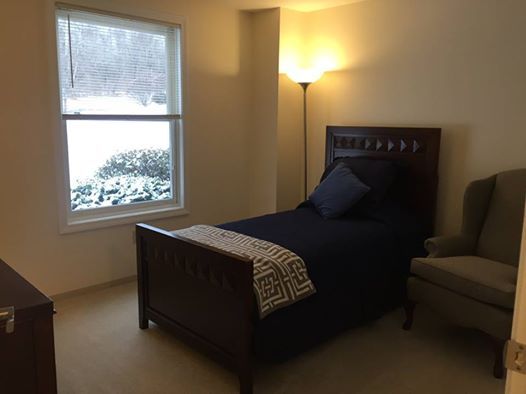
Residents at Loomis Village can enjoy comfortable and fully furnished living spaces with air-conditioning and access to cable or satellite TV. The community offers an array of amenities to enhance the lifestyle of its residents, such as a beauty salon for personal grooming needs, indoor common areas for socializing and relaxation, and beautiful gardens for outdoor enjoyment. Housekeeping services ensure that the living spaces are always clean and well-maintained.

Loomis Village understands the importance of transportation for its residents and therefore offers transportation arrangements for non-medical purposes. Move-in coordination is also provided to make the transition into the community as seamless as possible.

When it comes to care services, Loomis Village excels in providing exceptional 24-hour nursing supervision. The community accepts incoming residents on hospice care and offers assistance with activities of daily living such as bathing, dressing, and transfers. Residents with behavioral issues receive specialized care, ensuring their wellbeing at all times. Loomis Village also coordinates with healthcare providers to ensure comprehensive care management for its residents.

For individuals with specific dietary needs, Loomis Village provides diabetes diets and special dietary restrictions accommodations. Meal preparation and service are available to ensure proper nutrition for all residents.

Engagement is key at Loomis Village, which offers a variety of activities catered to the interests and preferences of its residents. Community-sponsored activities foster social connections among peers while fitness programs promote physical wellness. Planned day trips offer opportunities for exploration outside the community grounds. Resident-run activities encourage personal involvement in shaping the community's vibrant atmosphere. Additionally devotional activities offsite provide spiritual fulfillment.

Located near several pharmacies, physicians, hospitals, and restaurants, Loomis Village is conveniently situated to meet residents' various healthcare needs. With its comprehensive care services and amenities, Loomis Village offers a supportive and fulfilling lifestyle for individuals seeking assisted living in South Hadley, MA.

Nearby Places of Interest

Pharmacies

  • Holyoke Health Center (1.5 miles)
  • CVS Pharmacy (1.9 miles)
  • Sirona Healing Arts (1.9 miles)
  • CVS Pharmacy (2.6 miles)
  • CVS Pharmacy (3.5 miles)
  • Walgreens (3.9 miles)
  • CVS Pharmacy (3.9 miles)

Restaurants

  • Nick's Nest (1.7 miles)
  • Ichiban Chinese & Japanese Restaurant (2 miles)
  • Frontera Grill (2.7 miles)
  • Drunken Rabbit Brewing (2.8 miles)
  • Arby's (3.7 miles)
  • Westover ARB Bowling Center & Snack Bar (3.7 miles)
  • Kisara Asian Bistro (3.8 miles)

Physicians

  • Childrens Heart Center (2.1 miles)
  • David L Clinton (2.1 miles)
  • Mateen, Zubeena Dr - Holyoke Medical Center Oncology (2.2 miles)
  • Holyoke Orthopedics (2.2 miles)
  • Holyoke Associates In Internal Medicine (2.2 miles)
  • Rachel Thomas Psychiatry (2.7 miles)
  • Grove Health Center (2.8 miles)

Hospitals

  • Holyoke Hospital (2.2 miles)
  • Diabetes Center of Western Mass (2.3 miles)
  • Baystate Pain Management Center (7.2 miles)
  • Cooley Dickenson MRI Center (7.4 miles)
  • Cooley Dickinson Emergency Department (7.4 miles)
  • Baystate Medical Center (7.4 miles)
  • Kittredge Surgery Center (7.4 miles)

Cafes

  • Blue Room Cafe (5.3 miles)
  • Familiars Coffee & Tea (6.4 miles)

Transportation

  • Five Star School Bus Chicopee (5.6 miles)

Parks

  • Bare Mountain (6.5 miles)
  • Van Horn Park Path (7.2 miles)

Frequently Asked Questions

Where is Loomis Village?
Does Loomis Village provide care for residents with dementia or Alzheimer's disease?
What photos are available for Loomis Village in South Hadley, Massachusetts?

Nearby Communities

  • Sarawood Assisted Living

    Sarawood Assisted Living

    Holyoke, MA

    3.4 from 11 reviews
    $3,050 / month

    pro Some CNAs provide good care; convenient location and a cozy, small-community atmosphere.

  • Renaissance Manor on Cabot

    Renaissance Manor on Cabot

    Holyoke, MA


    pro Small, intimate 21-bed community with personalized care and comprehensive amenities.

  • Holyoke Healthcare Center

    Holyoke Healthcare Center

    Holyoke, MA

    3 from 25 reviews
     

    pro Extensive amenities and comprehensive care

  • Victory Home Healthcare

    Victory Home Healthcare

    Holyoke, MA

    5 from 2 reviews
     

    pro Excellent access to healthcare and amenities in a vibrant Holyoke neighborhood.

  • Honor Court

    Honor Court

    Holyoke, MA

    3.3 from 10 reviews
     

    pro Nearby amenities and two hospitals with convenient transportation.

  • Holyoke Rehabilitation Center

    Holyoke Rehabilitation Center

    Holyoke, MA

    1 from 2 reviews
     

    pro Potential for improved staffing, dignity, and civil rights adherence with quality improvements.

  • Day Brook Village Senior Living

    Day Brook Village Senior Living

    Holyoke, MA

    3.3 from 42 reviews
     

    pro Active, engaging community with well-maintained grounds and comfortable accommodations.

  • River Mills Assisted Living at Chicopee Falls

    River Mills Assisted Living at Chicopee Falls

    Chicopee, MA

    3.6 from 32 reviews
    $4,950 to $5,550 / month

    pro Modern, inviting facility with engaging activities.

  • Beaven Kelly Home

    Beaven Kelly Home

    Holyoke, MA

    4.5 from 12 reviews
     

    pro Excellent access to healthcare, dining, parks, and pharmacies nearby.

Related Resources

  • best foods for dementia patients to eatNourishing the Mind: Essential Dietary Approaches for Dementia

    Dementia is characterized by cognitive decline, with nutrition playing a vital role in brain health; while no specific diet can prevent or reverse it, a nutrient-dense diet rich in antioxidants and healthy fats may support cognitive function. The MIND diet, which emphasizes beneficial foods and limits processed items, along with proper hydration and individualized meal strategies, can enhance the well-being of dementia patients.

  • dementia behaviorsUnderstanding Dementia Behaviors: Practical Insights and Strategies for Caregivers

    Dementia affects memory and cognitive function in older adults, presenting challenges for caregivers due to behavioral changes such as confusion and mood swings. Compassionate, person-centered care that considers individual history and preferences, along with effective communication and environmental modifications, is essential for supporting both patients and their caregivers.

  • dementia and angerWhen Dementia Sparks Anger and Aggression: Understanding the Connection and Ways to Cope

    Dementia leads to cognitive impairment and can cause emotional and behavioral changes, including aggression that arises from frustration, confusion, or fear. Effective coping strategies for caregivers include understanding dementia's nature, recognizing triggers, using empathetic communication, and employing non-pharmacological interventions like music and art therapy.